

Brown Walnut Vanity
Brown walnut vanity pieces combine rich timber tones with practical dressing or writing surfaces across multiple centuries.
Brown Walnut Vanity
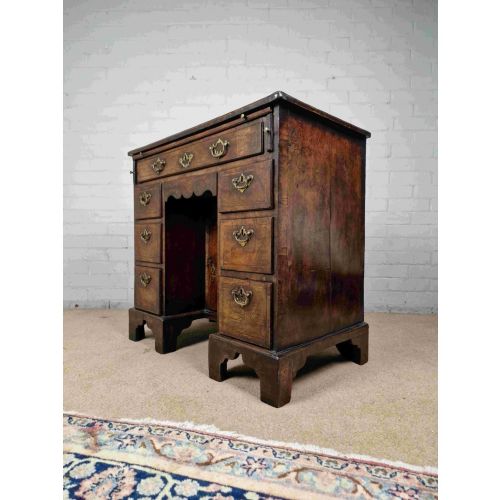
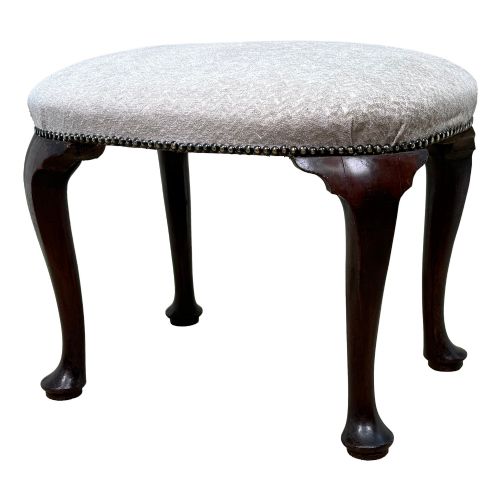
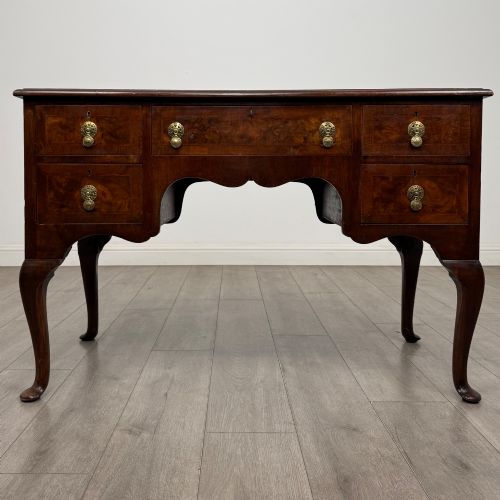
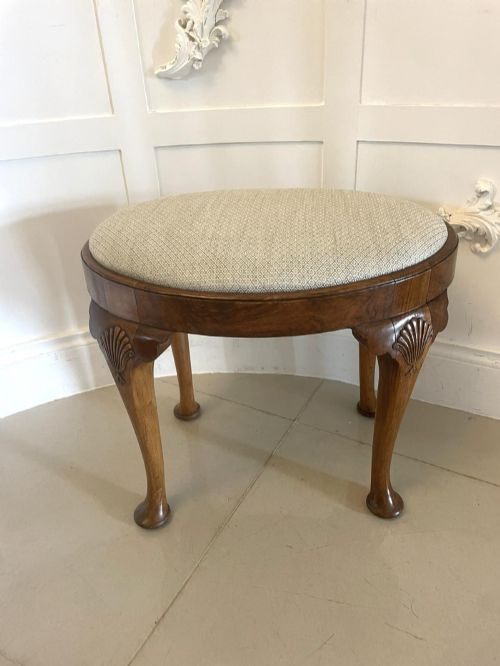
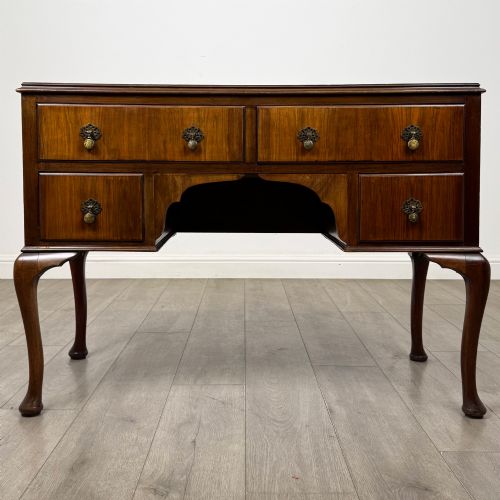
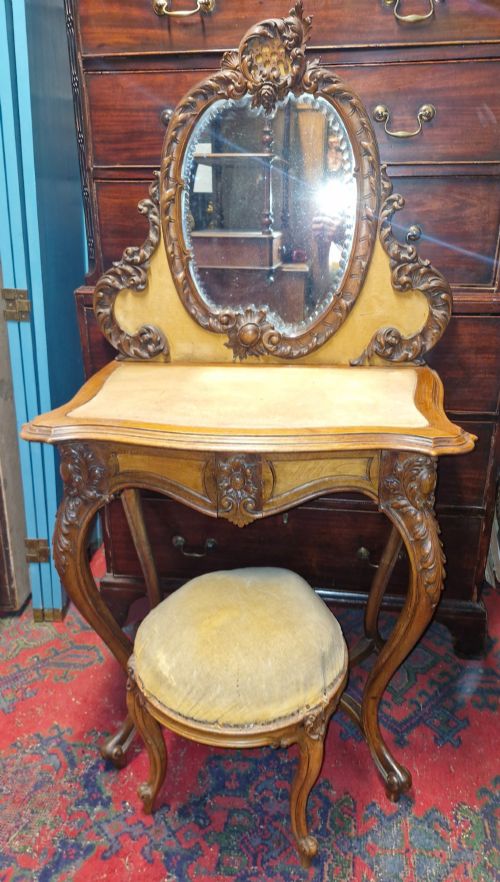
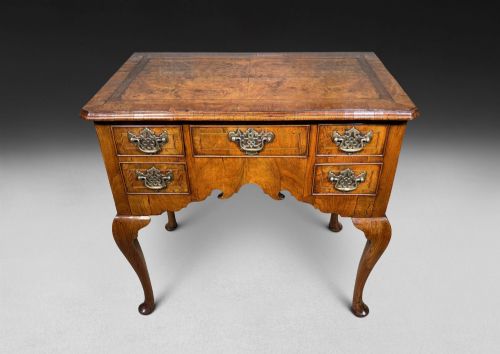
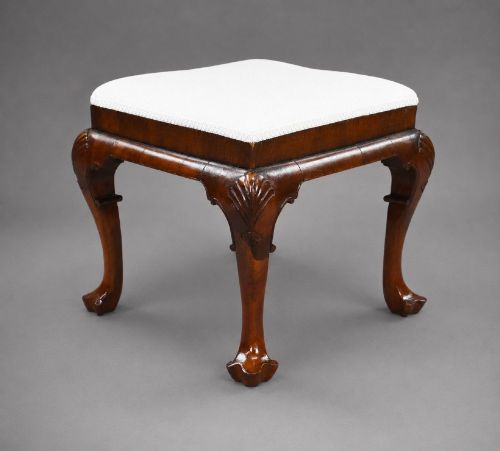
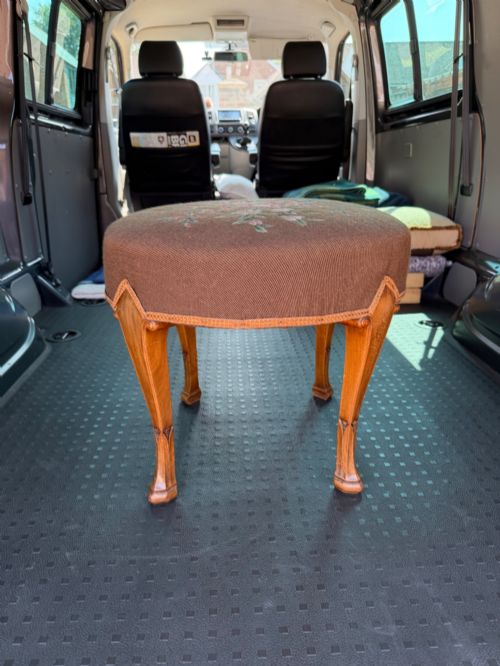
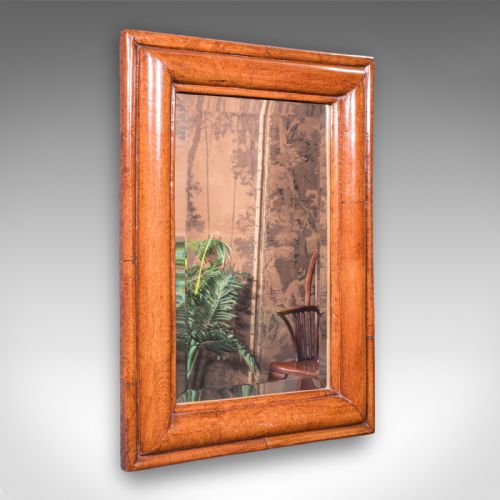
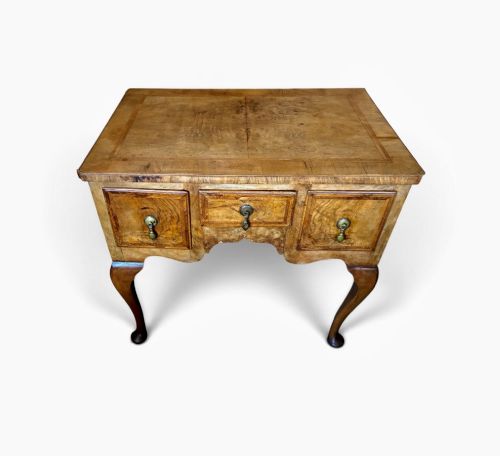
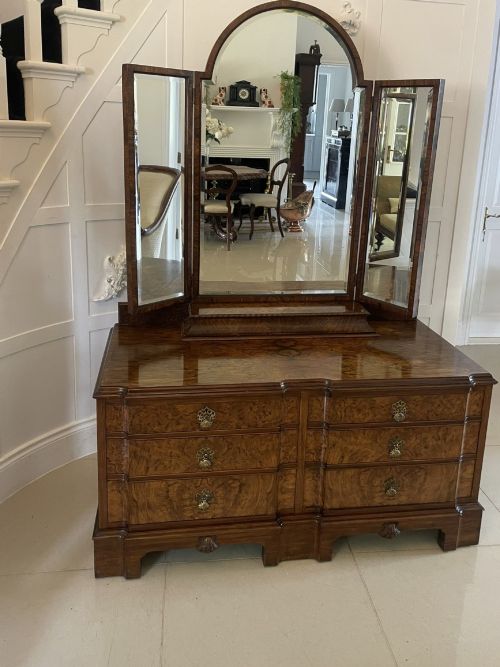
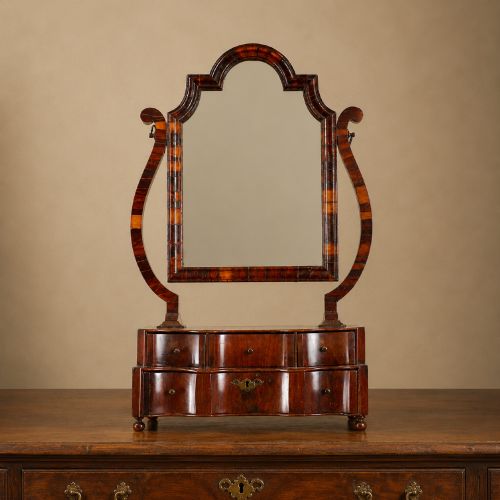
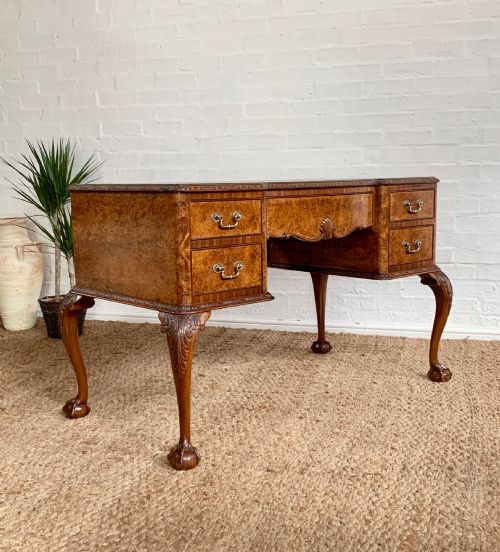
A brown walnut vanity encompasses dressing tables, lowboys, and table mirrors spanning from the eighteenth century through to the art deco period. Buyers encounter various forms, including kneehole desks and matching stools utilising figured veneers and carved details.
Materials and construction
Cabinetmakers utilised solid walnut and decorative burr veneers applied over secondary timbers to create rich, figured surfaces. Brass handles, leather writing inserts, and bevelled mirror glass frequently complement the wooden frames.
Joinery methods range from traditional dovetailing in drawer construction to carved cabriole legs and turned supports. Ormolu mounts and textile elements appear on select items from the nineteenth and twentieth centuries.
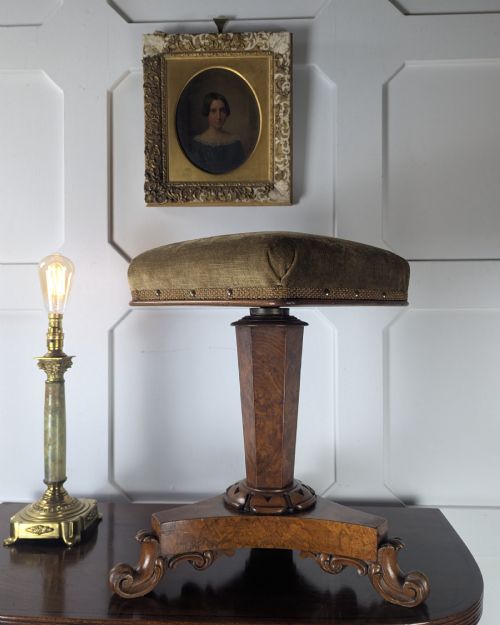
Some dressing stools come equipped with hidden storage compartments beneath the seat for secret keepsakes.
Assessing quality and finish
Quality rests upon the selection and matching of the wood grain, particularly where burr walnut veneers create symmetrical patterns across drawer fronts and table tops. Superior examples display crisp carving on cabriole legs and refined proportions in the overall silhouette.
The integrity of the original glass, the smoothness of drawer operation, and the retention of period brassware distinguish finer pieces. Construction depth, such as secondary timber choice and joint tightness, dictates the longevity of each vanity or desk.
maples of london
The Brown Walnut Vanity Glossary
- Lowboy
- A small dressing or side table featuring one or more rows of drawers beneath the top surface, commonly raised on four slender legs.
- Burr walnut
- A decorative timber veneer obtained from the growth excrescences of walnut trees, prized for its swirling, highly figured grain patterns.
- Cabriole leg
- A furniture leg that curves outward in an arc and tapers inward toward the foot, typical of eighteenth-century and revival designs.
- Kneehole desk
- A writing table with a central recess for the user's legs, flanked by pedestals containing banks of small drawers.
- Toilet mirror
- A smaller tabletop mirror, often mounted on a swivelling frame above a small box base or drawer unit.
Brown Walnut Vanity: Frequently Asked Questions
What is a brown walnut vanity?
A brown walnut vanity refers to furniture pieces designed for personal grooming or writing, constructed primarily from walnut timber.
These items range from dressing tables and lowboys to adjustable table mirrors spanning multiple historic periods.
How do I identify a Georgian style vanity?
Georgian style pieces often feature symmetrical drawer arrangements, brass pull handles, and restrained carving on wooden frames.
Many examples utilise figured walnut veneers and stand upon slender cabriole or straight legs characteristic of the period.
Where were these pieces used?
These items typically furnished bedrooms, dressing rooms, and reception halls in domestic houses.
They served practical functions for grooming, hair arrangement, and correspondence writing.
How do I care for antique walnut furniture?
Antique walnut requires stable indoor humidity levels and protection from direct sunlight to prevent timber splitting and veneer lifting.
Regular dusting with a dry cloth helps maintain the polished surface without damaging historic finishes.