

Vintage Walnut Vanity
These vintage walnut vanity pieces combine figured timber and mirror glass, offering practical dressing surfaces rooted in Edwardian, Victorian and Art Deco design.
Vintage Walnut Vanity
A vintage walnut vanity search brings up dressing tables, dressing chests, and matching stools designed for personal grooming and bedroom use.
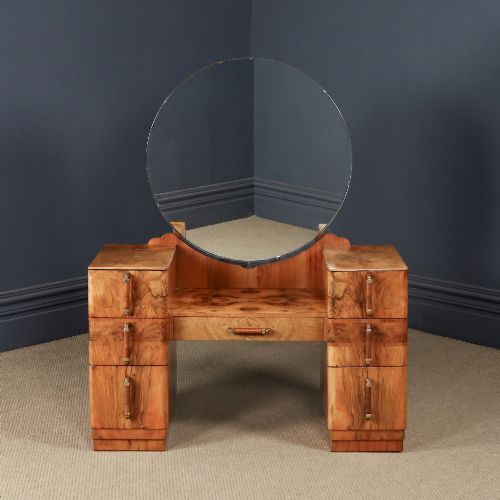
The pieces appearing on this page span several decades, reaching from Victorian and Edwardian periods into the 1930s Art Deco era.
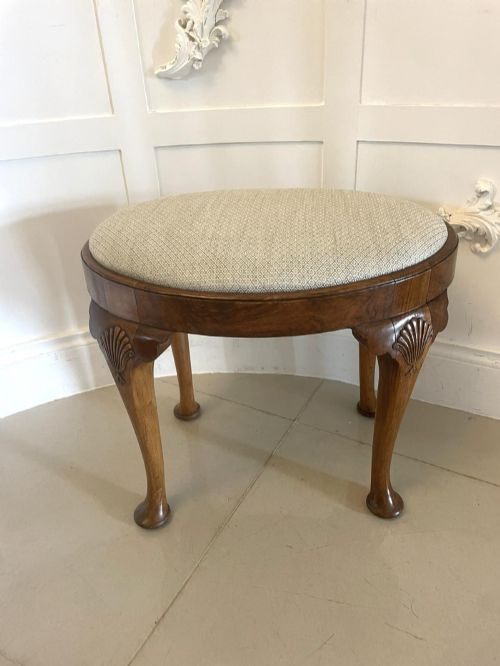
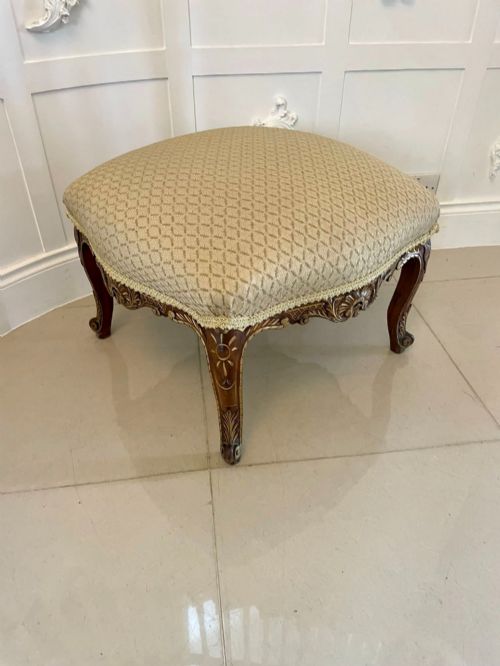
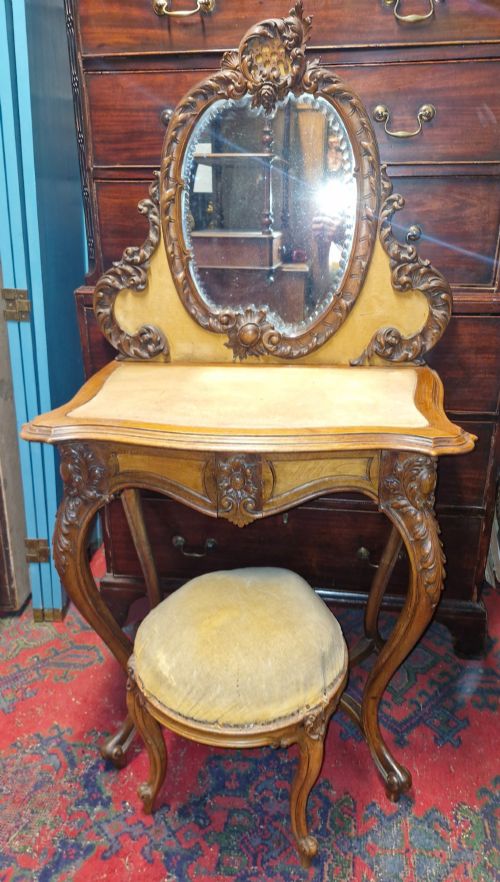
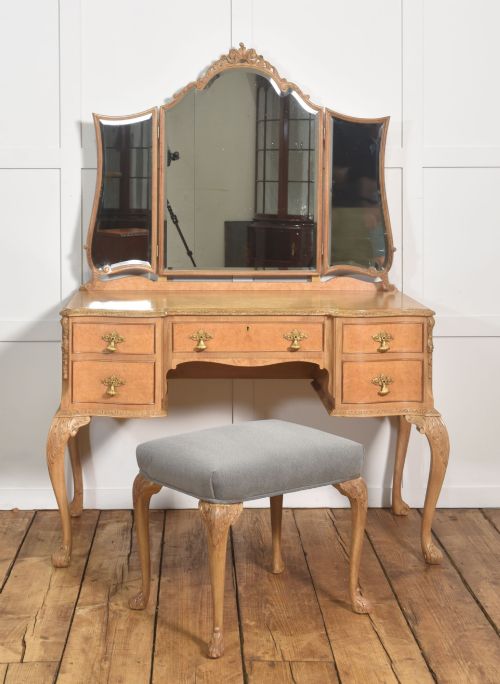
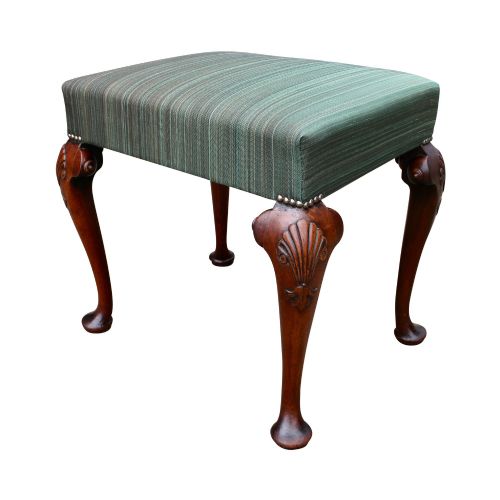
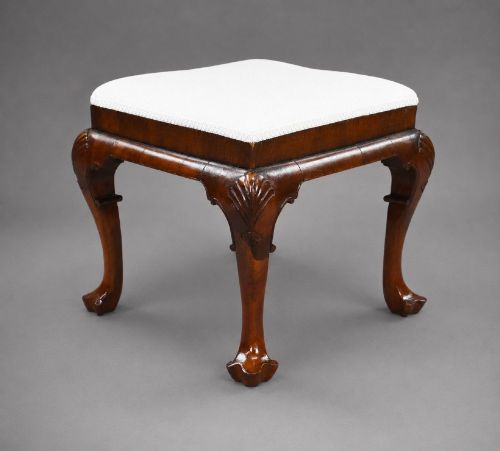
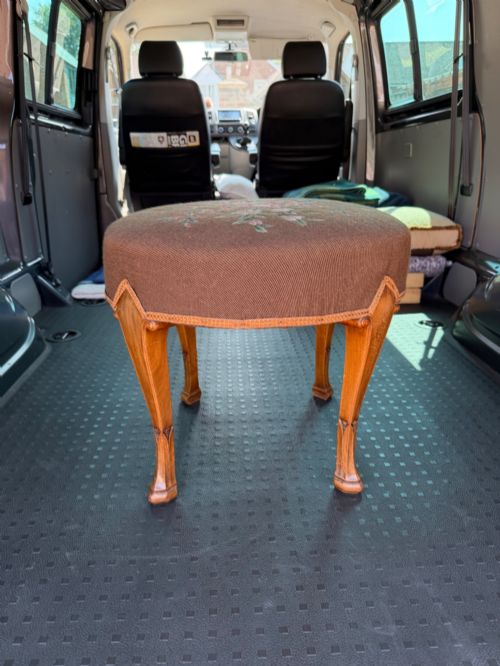
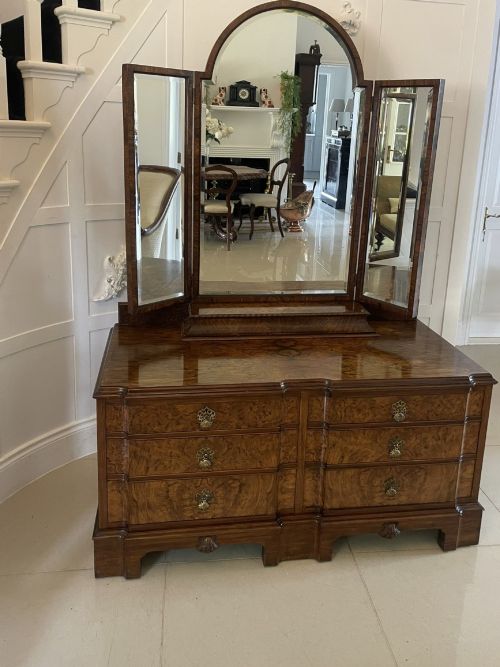
Many examples incorporate triple mirrors or pivoting toilet mirrors alongside dedicated seating upholstered in fabric or textile.
How they were made
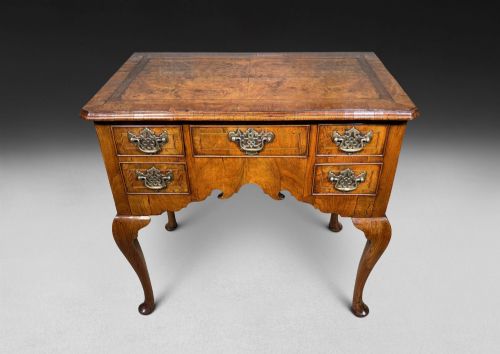
Cabinet makers utilised solid walnut alongside burr walnut and oyster veneers to create rich, patterned surfaces on frames and tabletops.
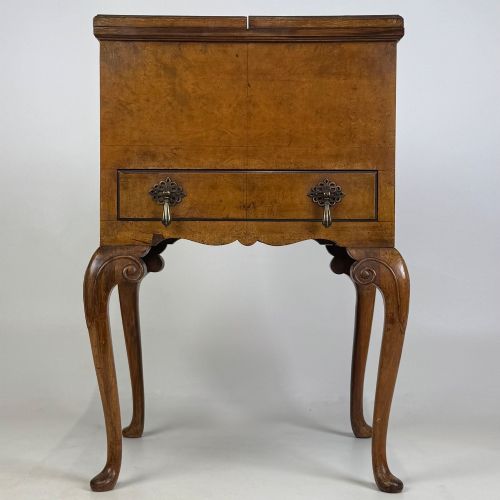
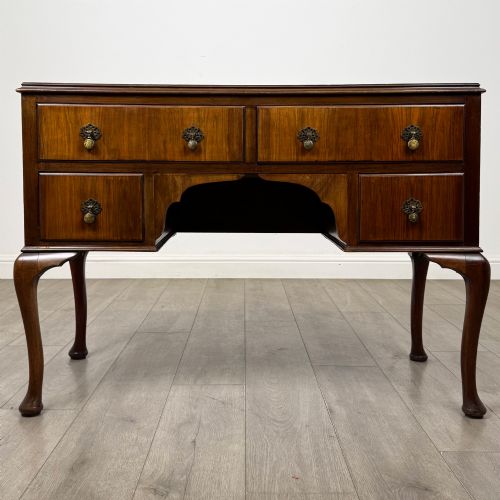
Details include brass hardware, bevelled mirror glass, and carved cabriole legs reflecting Queen Anne revival styles and Rococo influences.
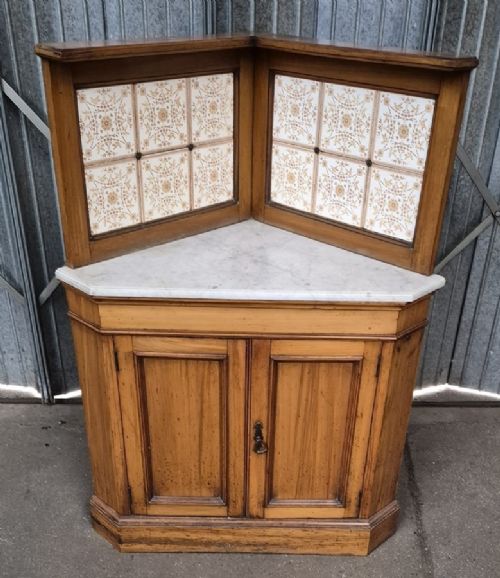
Listings include writing tables, lowboys, and wall mirrors alongside traditional dressing tables and stools.
What varies in quality
The selection of timber grain, particularly the choice of figured and burr walnut veneers, dictates the visual impact of the piece.
Construction standards show in the crispness of carved details, the stability of joints, and the clarity of original mirror glass.
Wylie and Lochhead Glasgow·Harry and Lou Epstein·Frank Taylor and Co·Maples of London·Lamb of Manchester
The Vintage Walnut Vanity Glossary
- Burr walnut
- A prized timber cut from tree growths that produces intricate, swirling grain patterns across tabletops and drawer fronts.
- Cabriole leg
- A furniture leg that curves outward in a convex arc and tapers inward to a foot, typical of Queen Anne revival pieces.
- Lowboy
- A small side table with drawers, often utilised as a dressing table or vanity surface in earlier periods.
- Toilet mirror
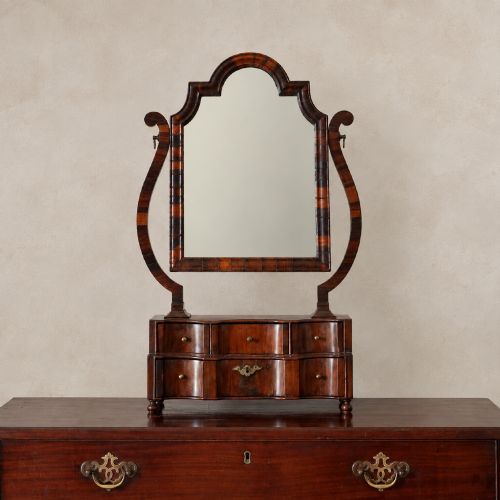
- A smaller tabletop mirror mounted on a pivoting frame above miniature drawers, placed upon a chest or dressing table.
Vintage Walnut Vanity: Frequently Asked Questions
What periods do these vanities come from?
The listings span the Victorian and Edwardian eras, extending into 1930s Art Deco designs.
Earlier pieces often display Queen Anne revival influences and carved cabriole legs.
Do dressing tables usually include matching stools?
Many dressing tables appear alongside complementary stools upholstered in fabric, textile or new covers.
Stools frequently echo the leg style or wood finish of the main vanity table.
What glass types are found in these mirrors?
Vanity mirrors often utilise bevelled glass plates set within adjustable or pivoting wooden frames.
Some pieces incorporate triple mirror arrangements alongside the main dressing surface.