




Flame Mahogany Vanity
Flame mahogany vanity pieces are striking dressing tables and platform mirrors that bring rich graining and historic warmth to any interior.
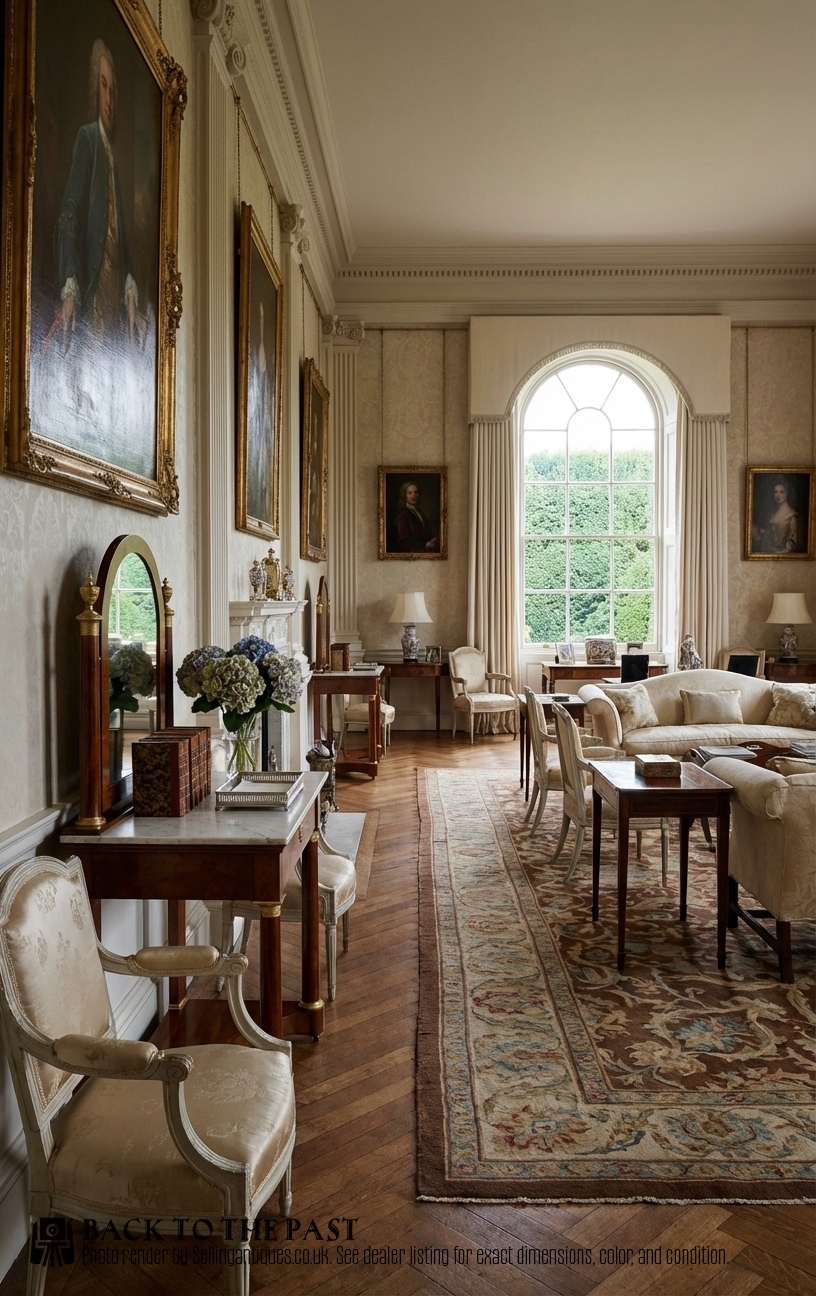
What flame mahogany vanity pieces are
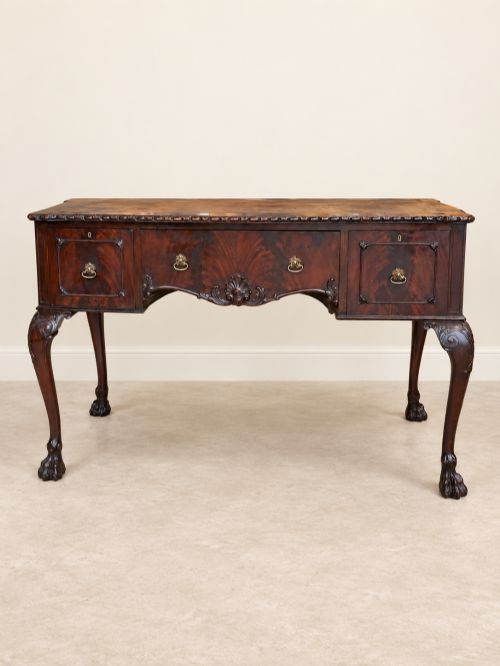
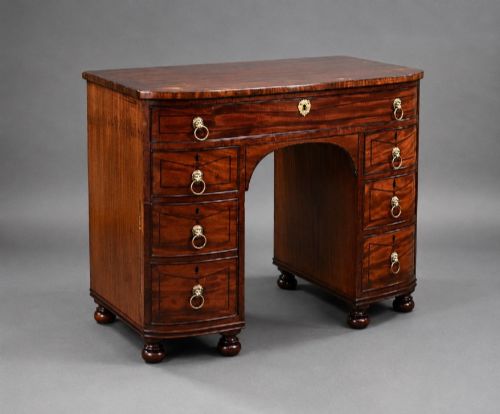
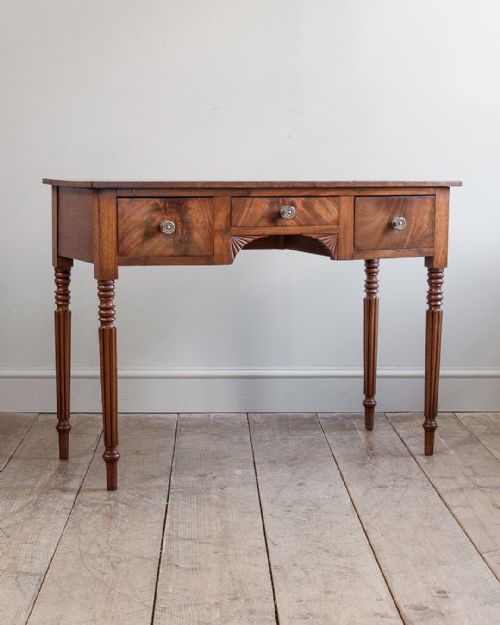
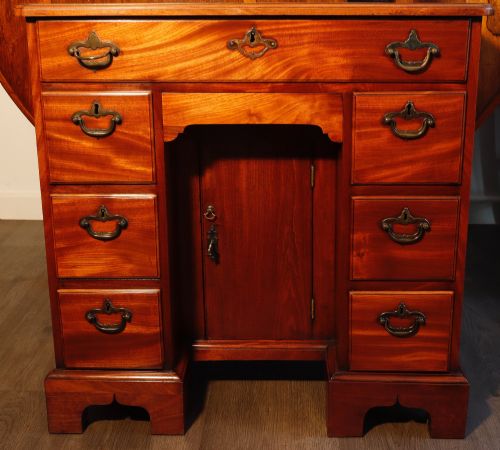
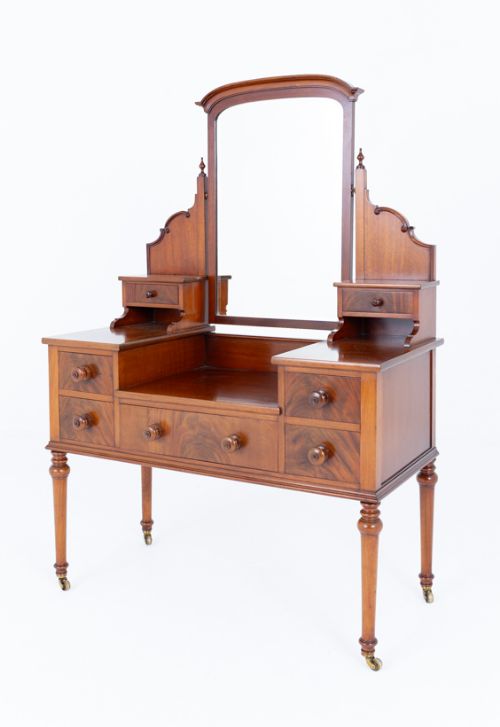
A flame mahogany vanity search reveals a distinctive group of dressing tables and platform mirrors spanning the Georgian, Regency, William IV, and Victorian eras. These items serve as functional dressing furniture while showcasing rich cabinetmaking traditions.
The pieces listed on this page appear most frequently as nineteenth century items, alongside earlier Georgian and Regency examples. Buyers frequently encounter nineteenth century pieces alongside items dated to eighteen sixty and eighteen seventy.
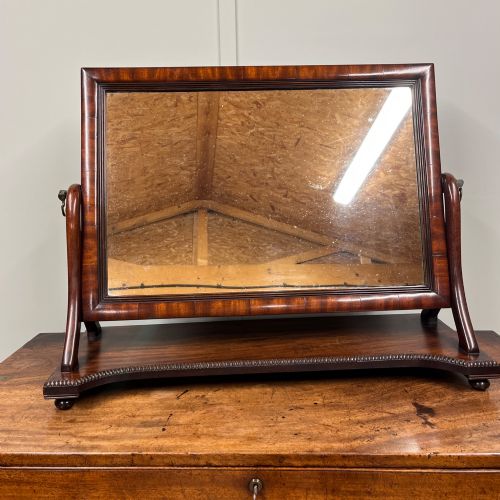
Forming the core of the selection are dressing tables and dressing table cabinets, accompanied by platform mirrors. These objects bridge the gap between practical bedroom furnishings and sophisticated decorative arts.
How they were made
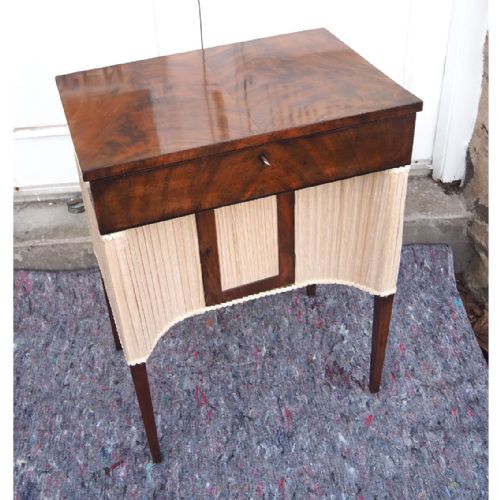
Cabinetmakers constructed these pieces using solid wood and wood veneer, specifically applying flame mahogany veneer to achieve the characteristic undulating grain patterns. Supporting structures and decorative accents incorporate materials such as brass, glass, fabric, marble, and ormolu.
The integration of ormolu mounts and brass hardware complements the polished wood surfaces. Glass elements appear in adjustable dressing mirrors, while fabric lines associated compartments or backing sections.
Retail Price Guide 2026
Typical UK retail prices for flame mahogany vanity, calculated from the Sellingantiques database of over a million retail prices indexed since 2003. This retail price guide relies exclusively on Sellingantiques data; no external sources or auction records are used, so the figures do not describe the wider market.
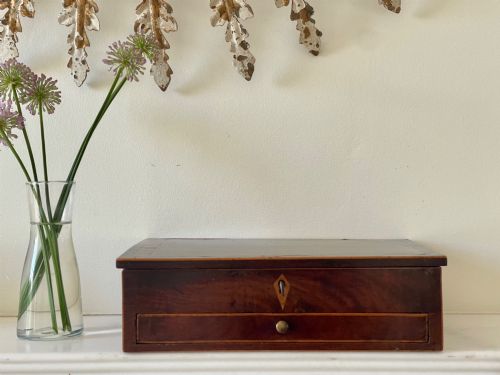
Victorian platform mirrors let you adjust your reflection while hiding small treasures in their secret base compartments.
What varies in quality
Quality differences rest primarily in the selection of the flame mahogany veneer and the sophistication of the styling, ranging from simple George III bow fronted forms to ornate French Empire items with ormolu mounts. Finer examples display symmetrical, highly figured grain patterns that catch the light.
The integration of specialised hardware like ormolu mounts and the complexity of the cabinet construction distinguish standard Victorian items from high style Regency and French Empire creations.
The Flame Mahogany Vanity Glossary
- Flame mahogany veneer
- A thin slice of mahogany timber cut from the point where the branch meets the trunk, producing a flame-like or feather-like figure. This striking veneer defines the visual character of high-end nineteenth century dressing furniture.
- Ormolu
- Gilded bronze detailing applied as decorative mounts on furniture. It appears on French Empire pieces to accent the wood and add metallic contrast.
- Platform mirror
- A pivoting mirror mounted on a small base or platform, designed to sit atop a dressing table or chest. Victorian examples often incorporate storage drawers within the base.
- Bow front
- A convex, outward-curving front section on a cabinet or dressing table. This curved form requires advanced woodworking skill.
Frequently Asked Questions
What is a flame mahogany vanity?
A flame mahogany vanity is a dressing table or platform mirror surfaced with highly figured veneer displaying distinctive flame patterns. These pieces date across the Georgian, Regency, William IV, and Victorian periods.
They function as historic dressing furniture that combines practical storage and mirror surfaces with decorative cabinetmaking.
How do I date a dressing table?
Dating involves examining the overarching style, construction methods, and secondary woods used in the piece. Pieces span Georgian, Regency, William IV, and Victorian eras.
Specific design traits, such as Regency or French Empire ormolu mounts, help narrow down the period of manufacture.
Where were these pieces used?
These dressing tables and platform mirrors stood in bedrooms and dressing rooms of fine homes. They provided a dedicated space for grooming and personal care.
The inclusion of adjustable mirrors and storage compartments made them central to daily domestic routines.
What materials are used alongside mahogany?
Makers incorporated brass for hardware, glass for mirrors, and fabric for linings. Marble tops and ormolu mounts also appear on select pieces.
These mixed media elements support the decorative vocabulary of nineteenth century and earlier cabinetwork.