


Brown Walnut Tea Table
A brown walnut tea table brings rich grain and practical folding tops to a room, offering both history and everyday utility.
Brown Walnut Tea Table
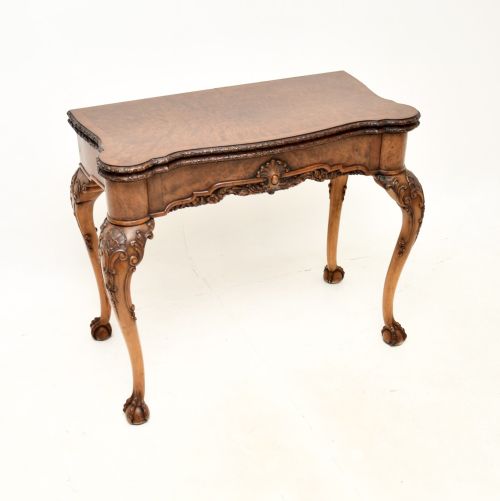
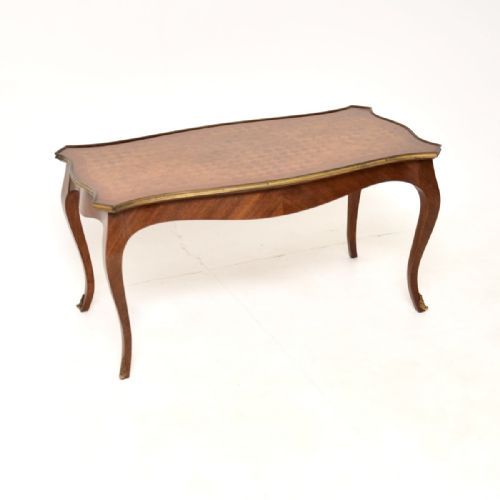
When you search for a brown walnut tea table, you enter a category of antique furniture spanning from the eighteenth century to the mid-twentieth century. The selection ranges from formal George II tilt-top designs to Victorian fold-over card tables and Edwardian side pieces.
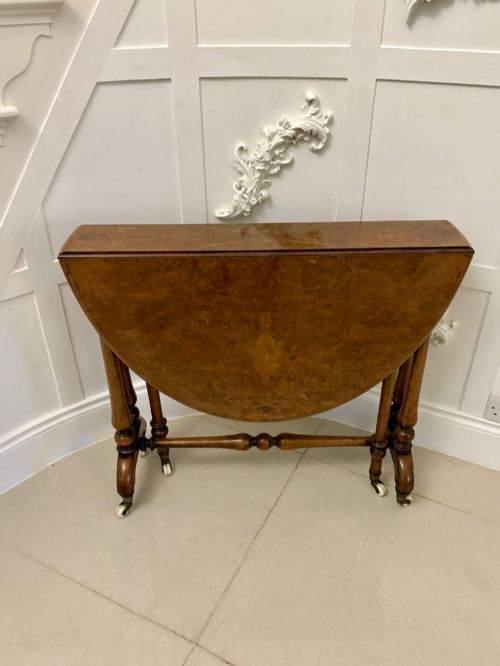
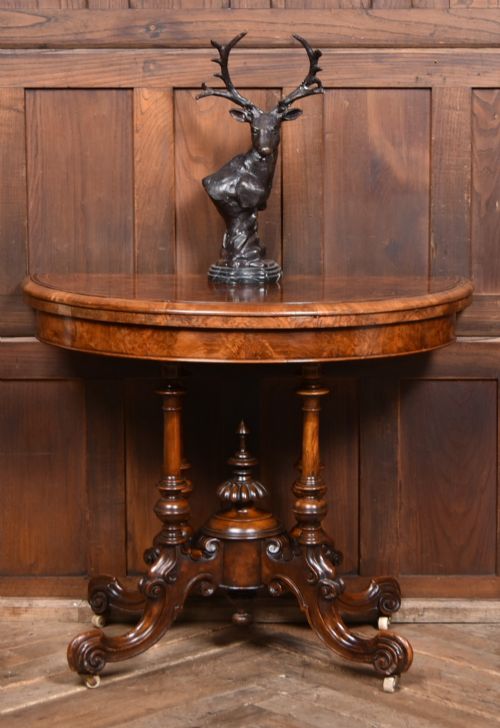
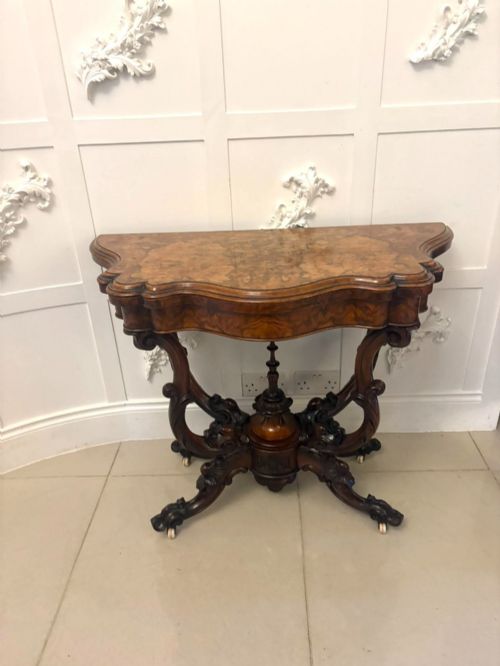
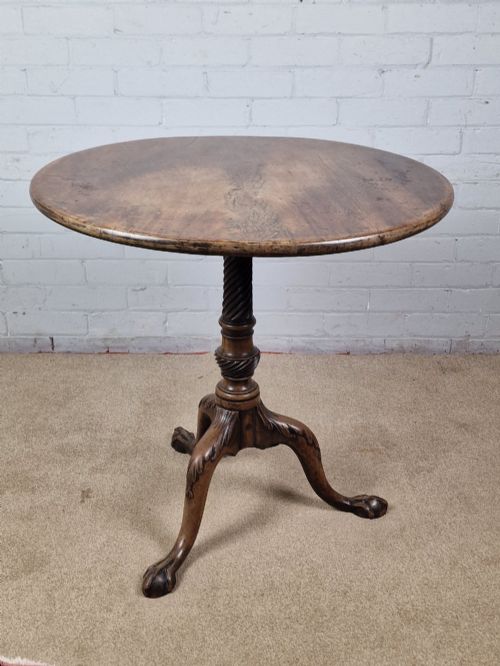
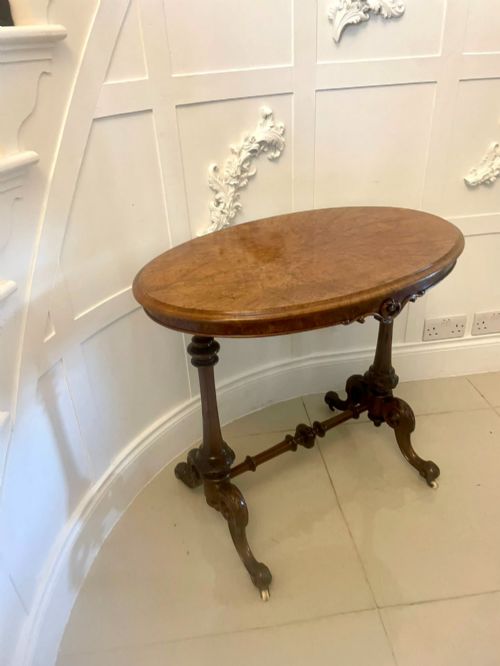
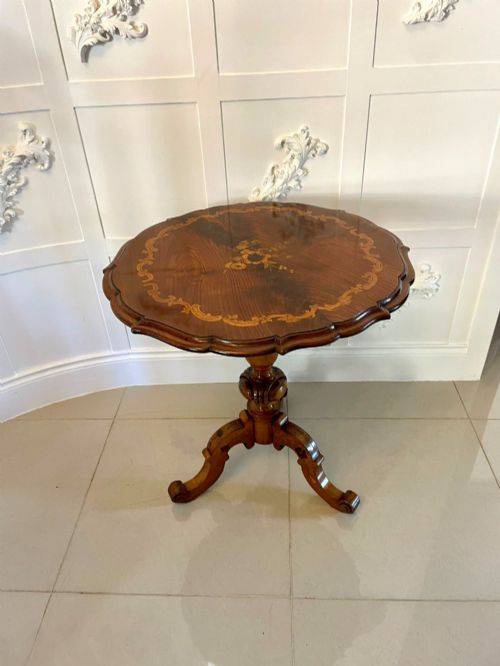
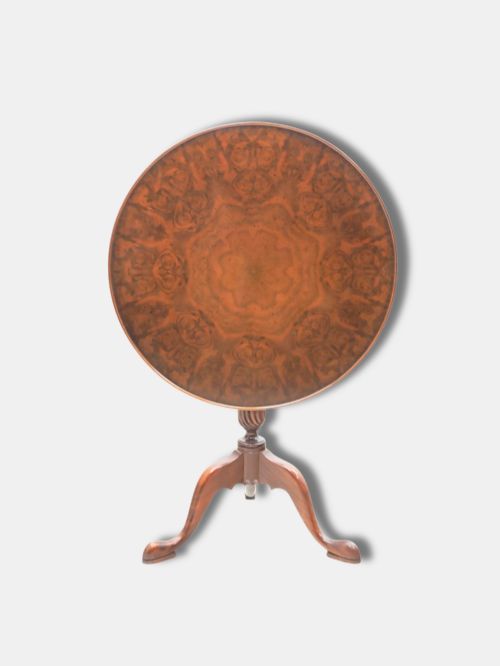
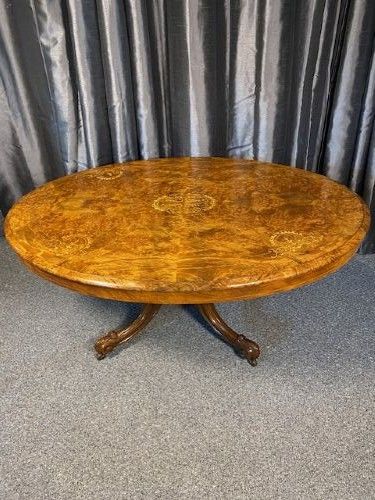
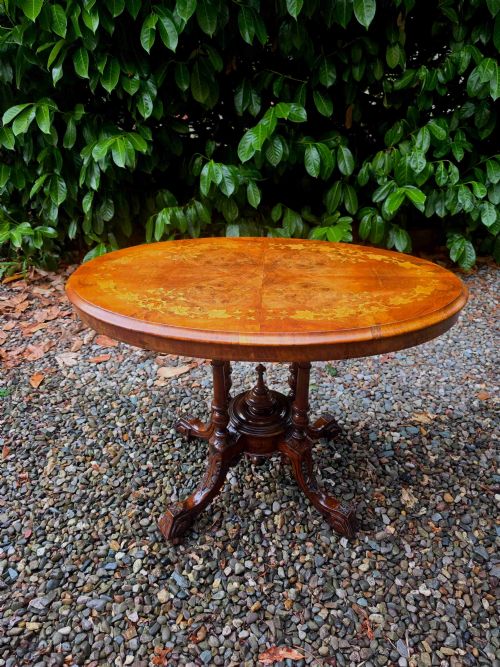
You are most likely to meet Victorian burr walnut examples on this page, often featuring inlaid details or tripod bases. These tables served various social functions in period homes, functioning as tea tables, lamp tables, or games tables.
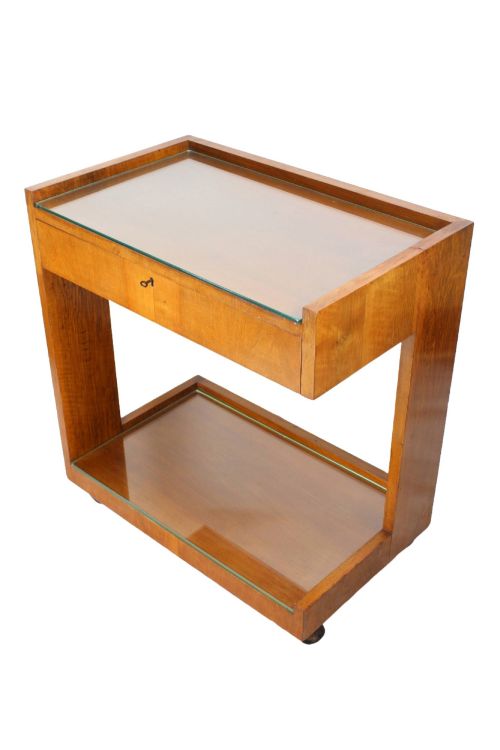
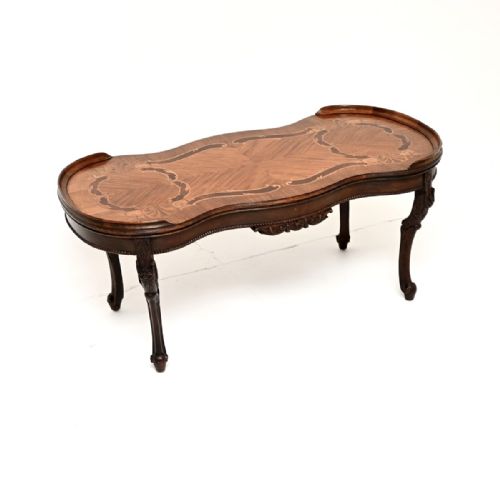
The forms extend beyond traditional tea tables to include coffee tables, occasional tables, and two-tier trolleys. Their origins stretch across English, Irish, and French workshops, utilising the deep brown tones characteristic of walnut timber.
Materials and construction
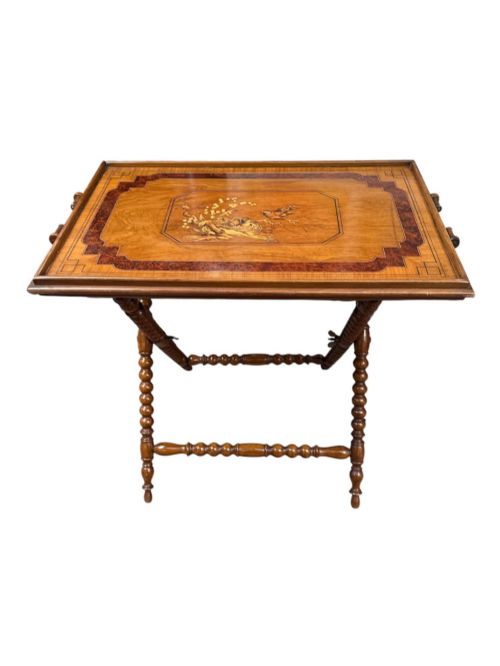
Cabinet makers utilised solid walnut alongside burr walnut and figured walnut veneers to create striking surface patterns. Marquetry, parquetry, and delicate string inlay frequently adorn the tops, showing considerable skill in wood placement.
Structural elements often incorporate supporting mechanisms such as fold-over hinges, tilt-top actions, and tripod pedestals with carved bases. Brass fittings, ceramic castors, and occasional ormolu details complete the construction of these tables.
Brown Walnut Tea Table Retail Price Guide 2026
Typical asking prices for brown walnut tea table among the pieces listed under this phrase on Sellingantiques today, from the lower quarter to the upper quarter. They describe what is for sale here now, not the wider market.
Judging the quality
The distinction between ordinary and exceptional pieces rests on the choice of timber and the precision of the cabinet work. Richly figured burr walnut and intricate marquetry inlay indicate higher workshop standards than plain timber surfaces.
Stability in folding mechanisms, crispness of carved details on bases, and the integrity of the veneer distinguish superior examples. Finer pieces retain crisp edge moulding and balanced proportions across tripod or pillar supports.

Holland & Sons
The Brown Walnut Tea Table Glossary
- Burr walnut
- A veneer taken from the knotted growth of a walnut tree, prized for its swirling, highly figured grain patterns. It forms the decorative surface on many Victorian tables.
- Tilt top
- A table mechanism allowing the top to hinge vertically for storage when not in use. This feature appears on eighteenth and nineteenth-century tripod tables.
- Marquetry
- The art of applying pieces of veneer to a structure to form decorative patterns or pictures. Floral and geometric marquetry frequently decorates nineteenth-century table tops.
- Fold-over table
- A table design with a hinged top that opens out to double the surface area, commonly found on card and tea tables. The folding leaf is often supported by a rotating or swinging leg.
Brown Walnut Tea Table: Frequently Asked Questions
What is a brown walnut tea table used for today?
These tables function well as central coffee tables, lamp stands, or side tables in modern reception rooms. Their compact proportions make them adaptable for displaying objects or holding drinks.
Fold-over variants also provide extra surface space when opened, maintaining their original dual-purpose character.
How do I distinguish Victorian walnut from earlier periods?
Victorian pieces from the mid-nineteenth century frequently display rich burr walnut veneers, elaborate inlay, and turned tripod or pillar bases. They often utilise mechanical actions like scissor mechanisms or fold-over tops.
Earlier eighteenth-century examples, such as George II designs, tend to show simpler lines with heavy timber tops and snap-top tripods without dense surface marquetry.
Are these tables suitable for everyday use?
Walnut is a durable hardwood, but antique surfaces require sensible care to prevent moisture marks and scratching. Using coasters and placing them away from direct heat sources preserves the polish and veneer.
Solid construction means they handle normal daily placement of lamps and books without issue.
What styles are common in this collection?
The listings encompass Victorian, Edwardian, and Art Deco eras, alongside revival styles referencing George II and Louis XV. This mix covers both ornate nineteenth-century inlaid work and cleaner twentieth-century forms.
English and French influences dominate the design vocabulary across these periods.