

Brown Walnut Side Chairs
Brown walnut side chairs offer a sturdy timber frame and classic seating suitable for dining rooms or reception spaces.
Brown Walnut Side Chairs
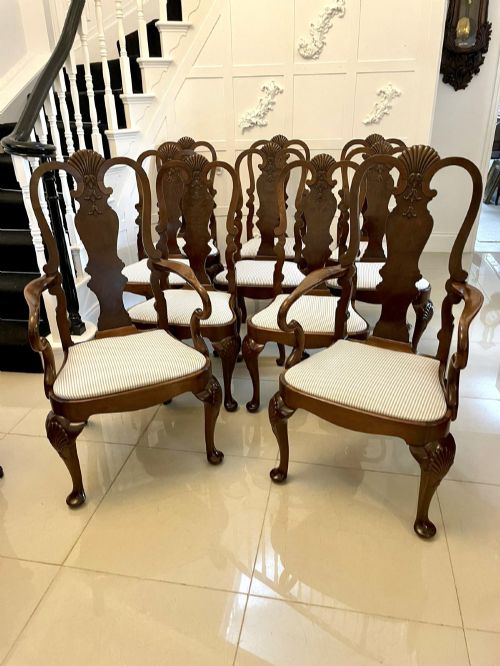
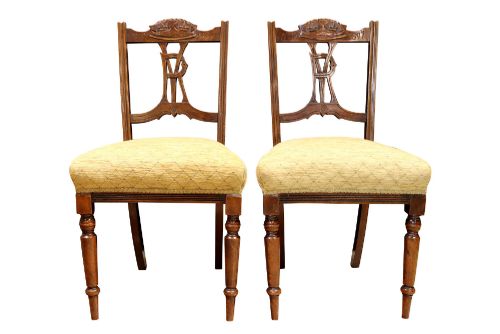
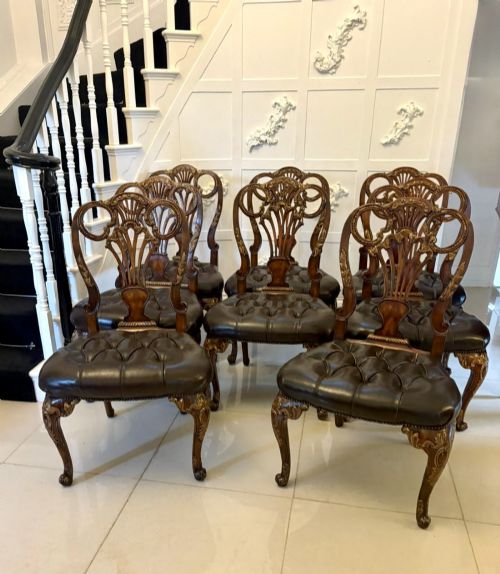
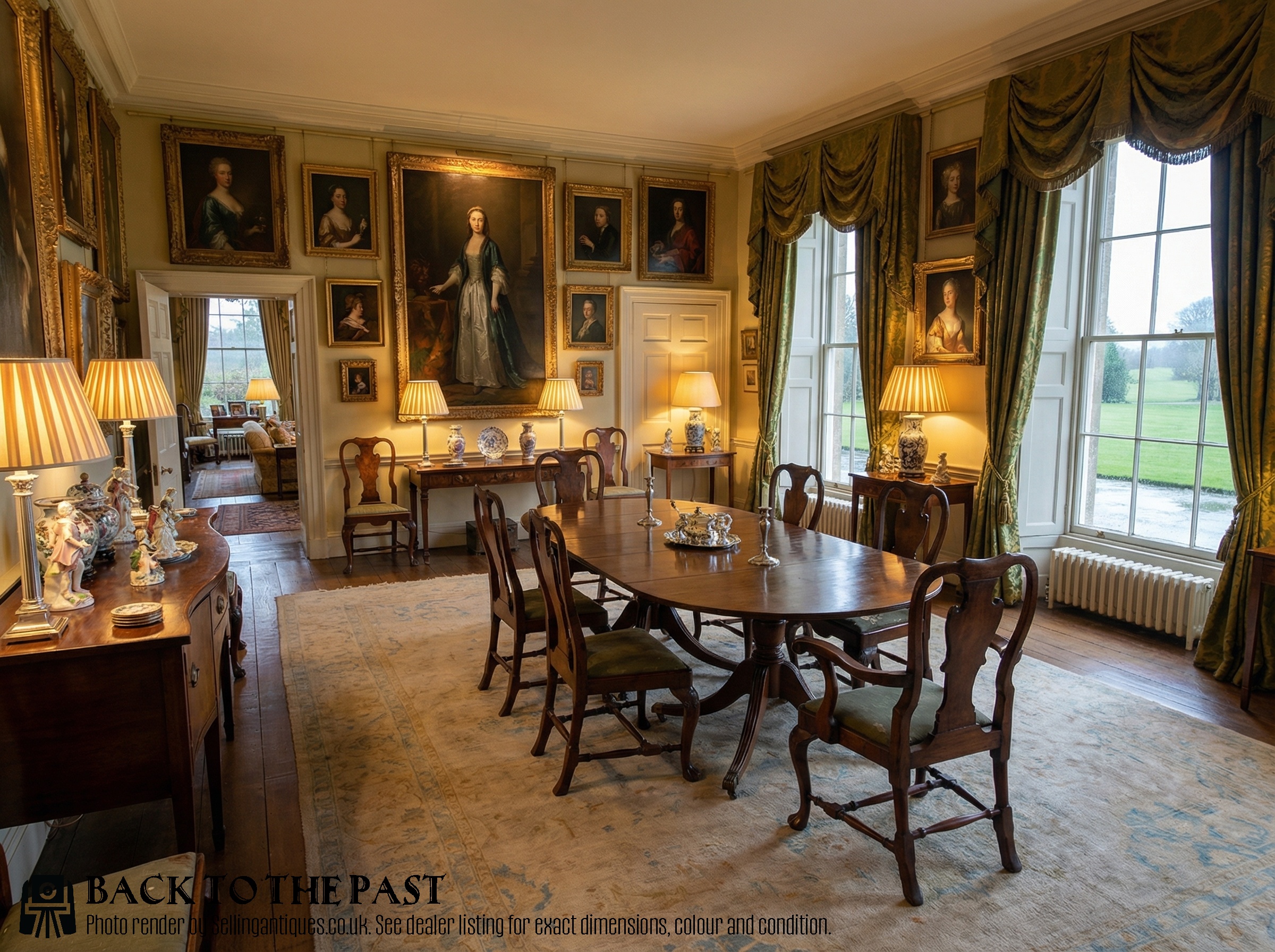
When buyers search for brown walnut side chairs, they encounter timber seating spanning from the early 18th century through to the Edwardian period. The selections here range from simple single chairs to large matched sets intended for formal dining rooms.
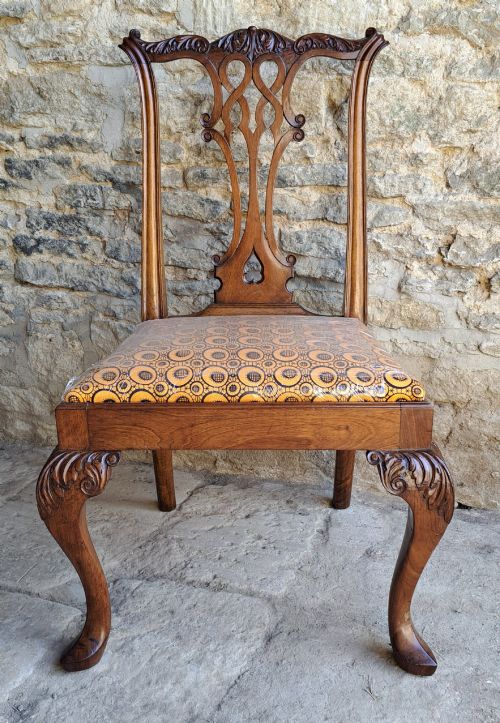
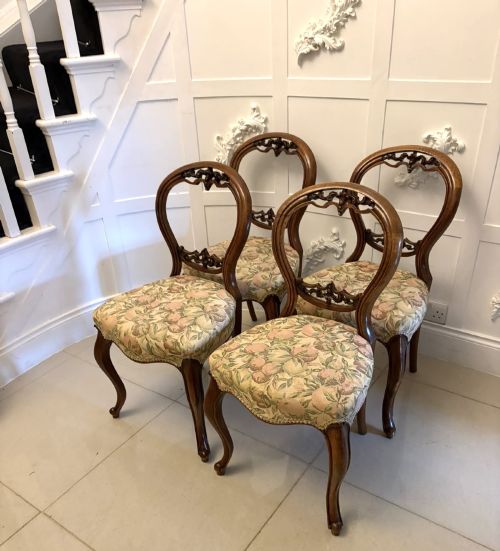
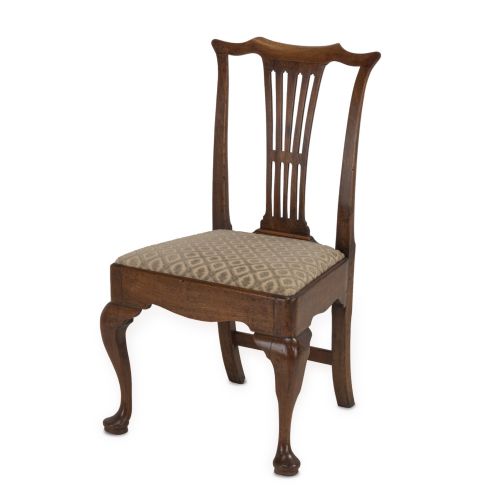
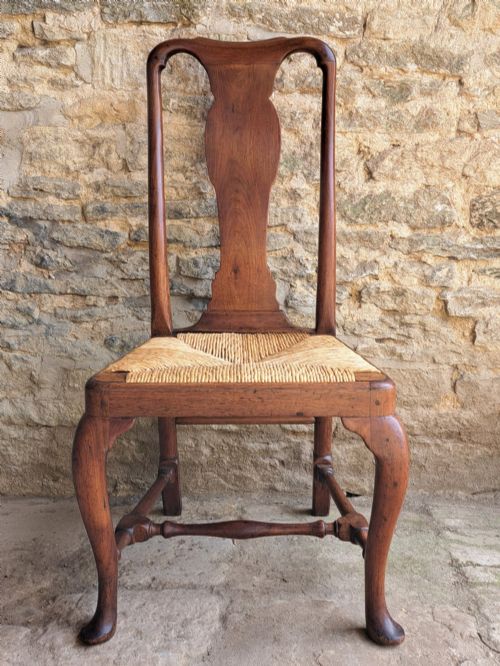
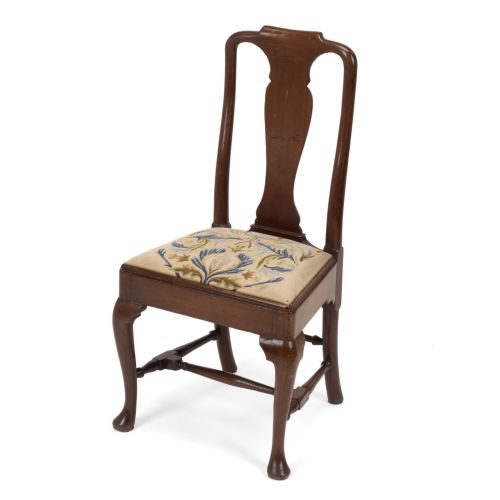
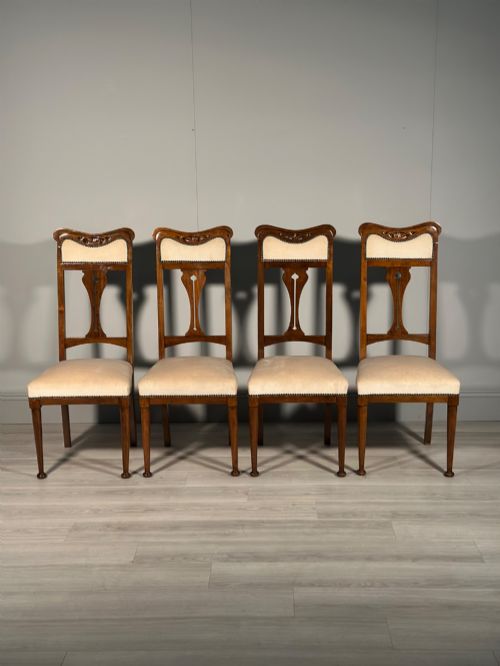
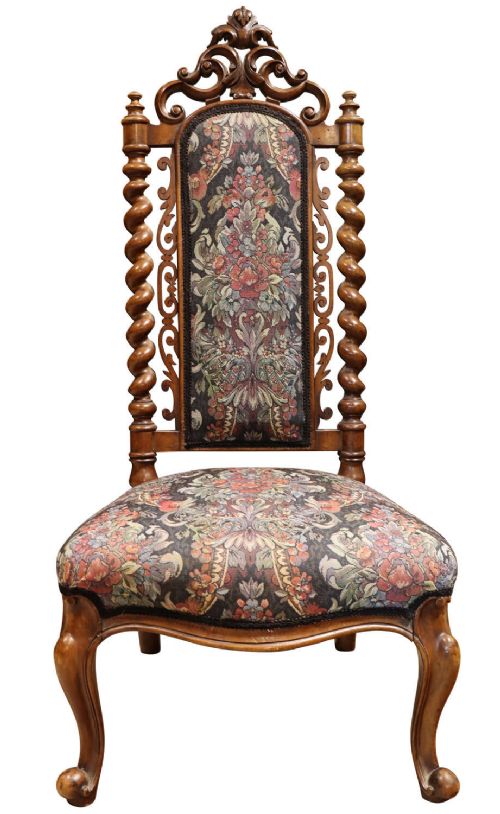
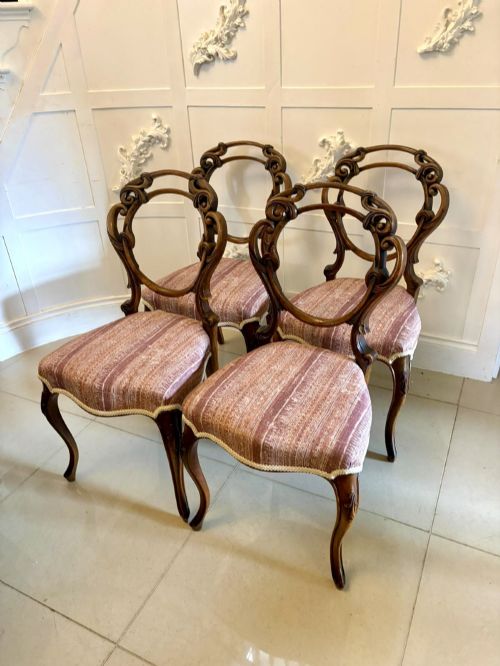
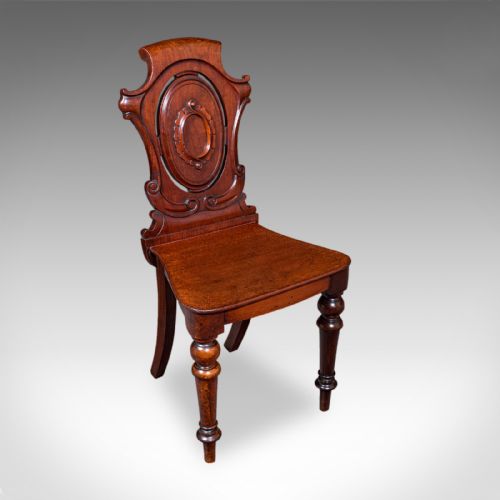
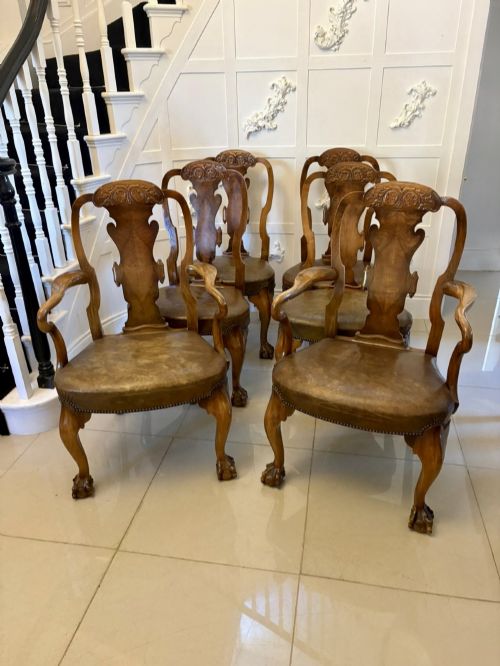
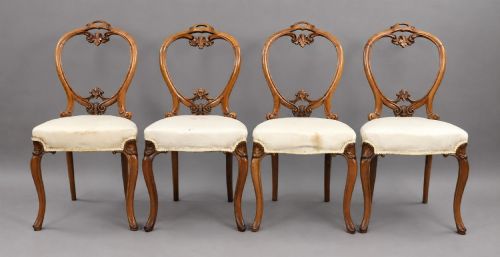
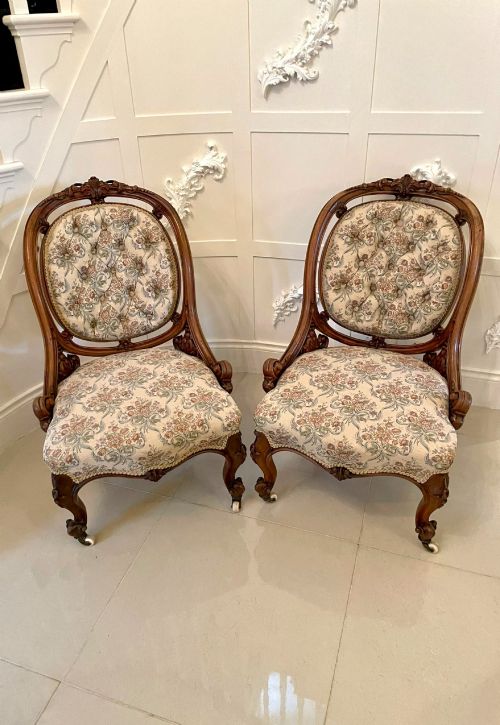
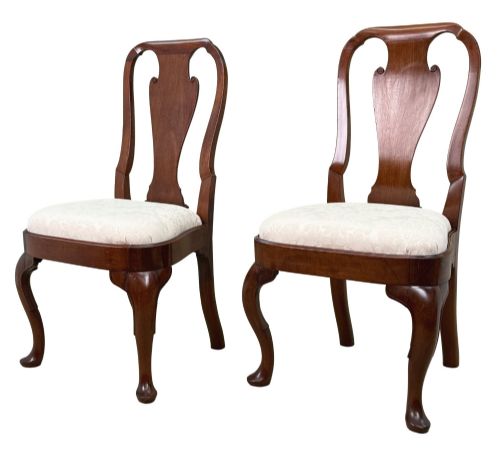
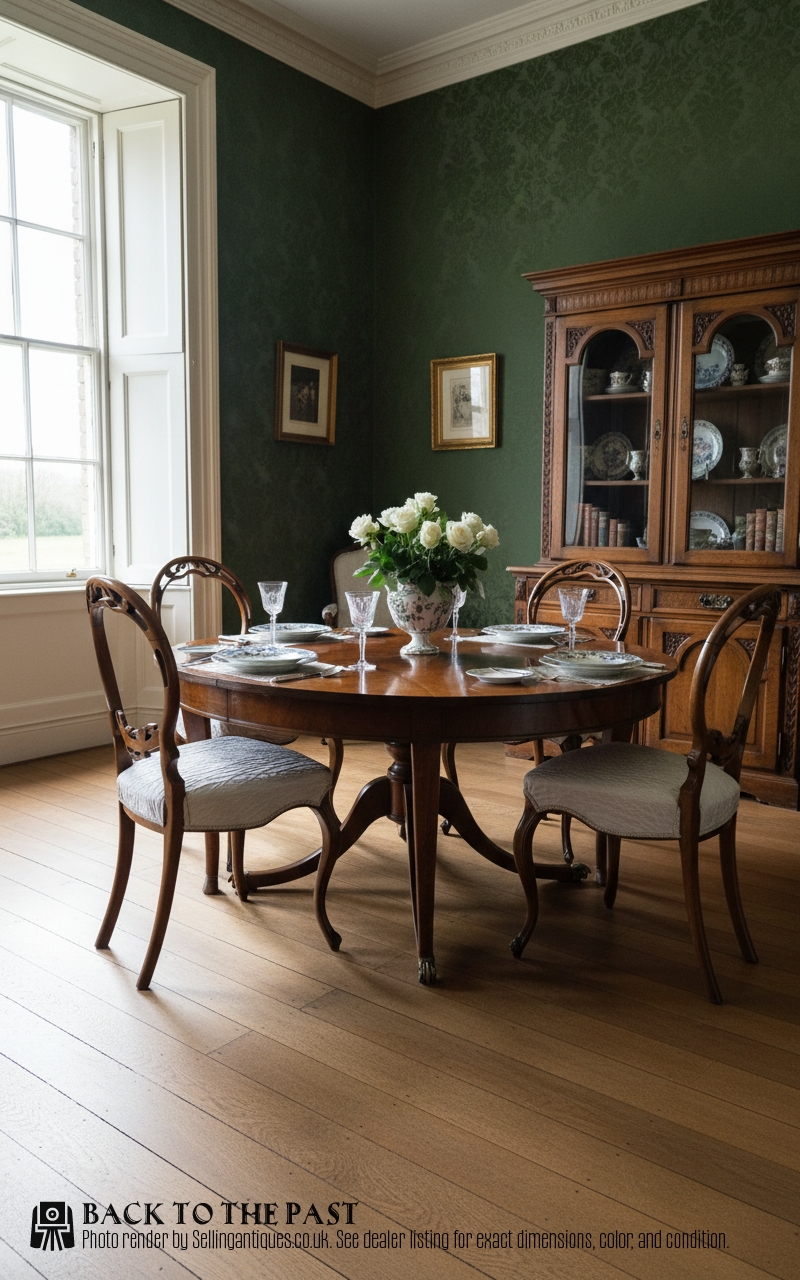
The most common examples on this page date to the Victorian era, often taking the form of balloon back dining chairs or carved reception seats. Earlier 18th-century pieces featuring Queen Anne styling also appear, alongside Edwardian interpretations built in the same timber.
How they were made
Cabinet makers utilised solid walnut and burr walnut veneers over secondary timbers, shaping frames through carpentry joints and hand carving. Surfaces often received polish or gilding to highlight the grain of the wood.
Seating portions were upholstered using textiles, tapestry, embossed leather, or cane inserts. Brass fixings and barley twist supports occasionally appeared on Victorian and Edwardian examples for added structural detail.
Brown Walnut Side Chairs Retail Price Guide 2026
Typical asking prices for brown walnut side chairs among the pieces listed under this phrase on Sellingantiques today, from the lower quarter to the upper quarter. They describe what is for sale here now, not the wider market.
Listings span multiple centuries, including 18th century, Victorian, and Edwardian periods. Materials include walnut, cane, leather, and fabric.
What varies in quality
The standard of carving and the selection of timber dictate the tier of a chair. Pieces utilising burr walnut veneers or detailed hand-carved motifs represent finer craftsmanship than plain or later production models.
The integrity of the frame and the retention of original upholstery materials, such as period leather or tapestry, separate standard examples from superior survivals.
The Brown Walnut Side Chairs Glossary
- Balloon back
- A rounded, oval-shaped wooden backrest popular on Victorian dining chairs. This form provided comfortable lumbar support.
- Drop in seat
- A removable upholstered frame that fits into a wooden chair recess. It allowed for easier recovering of the fabric.
- Splats
- The vertical central strip of wood down the middle of a chair back. Mid-18th-century examples often pierced this slat for decoration.
- Burr walnut
- A figured wood grain taken from the growth growths of a walnut tree. Cabinet makers used this veneer for decorative impact on panel surfaces.
Brown Walnut Side Chairs: Frequently Asked Questions
How do I clean walnut chair frames?
Dust timber surfaces regularly with a dry cloth to prevent dirt accumulation. Avoid harsh chemical cleaners that strip the original polish.
Apply occasional specialist wax polish to nourish the walnut grain. Buff gently with a soft cloth to maintain a natural sheen.
Can I use these chairs daily?
Solid timber frames tolerate standard daily dining use when structurally sound. Check that joints remain tight before heavy sitting.
Delicate antique cane or antique tapestry seats require more careful treatment. Heavier daily use suits sturdy leather or replacement fabric upholstery.
How do I identify a Queen Anne chair?
Queen Anne chairs typically date from the early 18th century and feature distinctive curved lines. Look for spooned backs and shaped wooden splats.
Cabriole legs terminating in pad or claw-and-ball feet provide another key indicator. Walnut was the primary timber utilised during this period.
What is a balloon back chair?
Balloon back chairs emerged during the Victorian period and feature a curved, closed-loop top rail. The timber forms an oval shape resembling a balloon above the seat.
These chairs commonly appear in sets and were manufactured in large quantities using walnut. Many feature carved details along the wooden frame.