


Brown Walnut Display Case
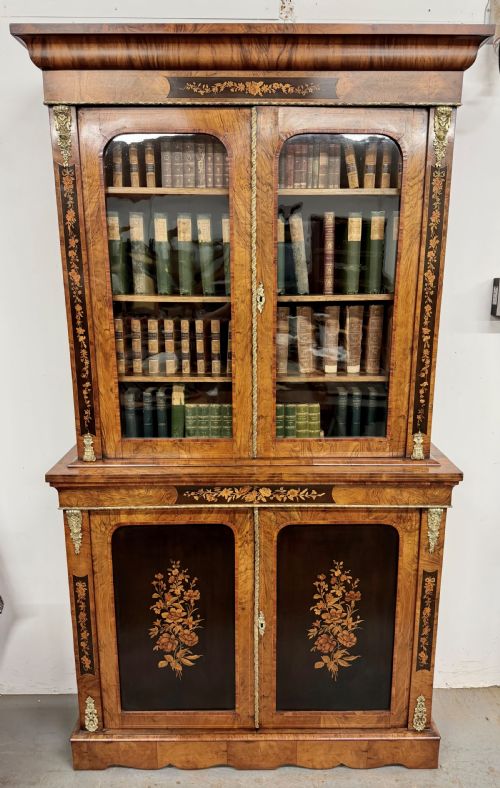
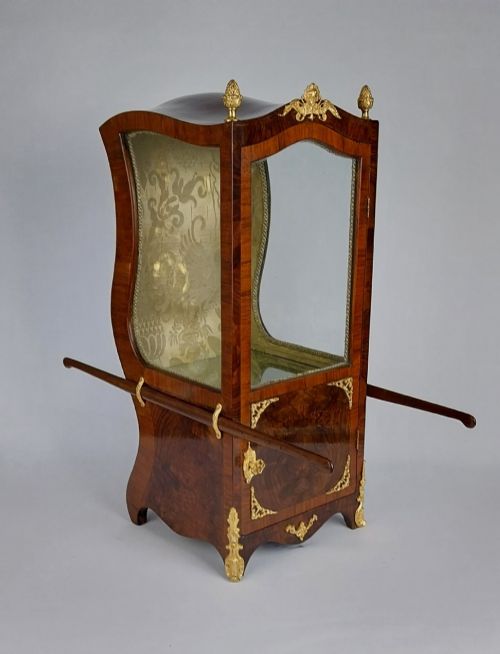
A brown walnut display case offers a refined stage for treasured objects, bringing warmth and historical character to a room through rich timber figure.
Brown Walnut Display Case
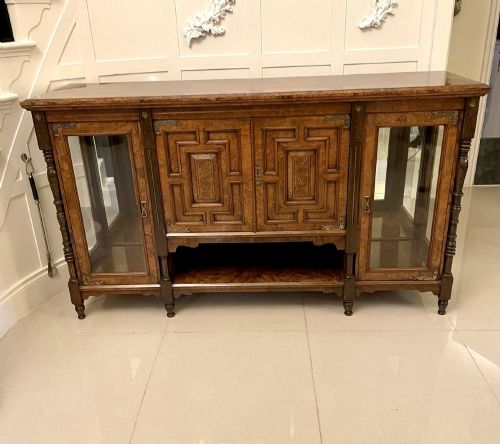
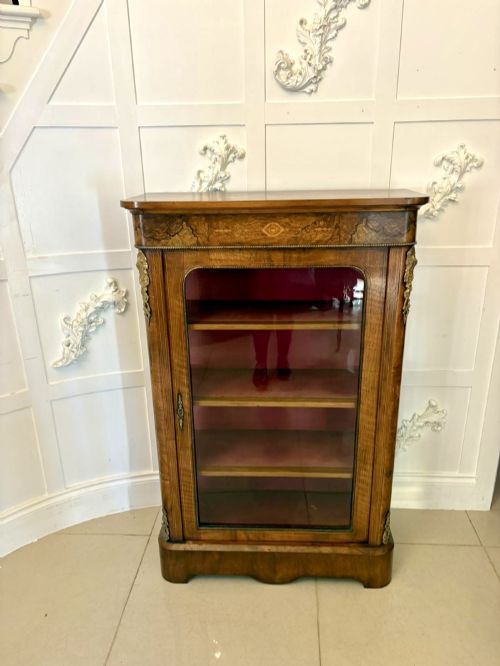
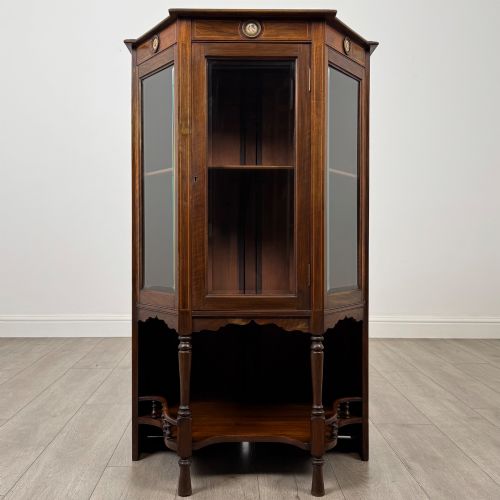
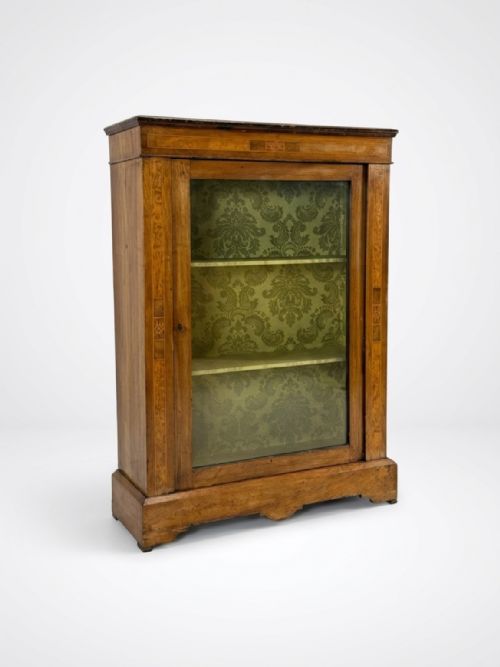
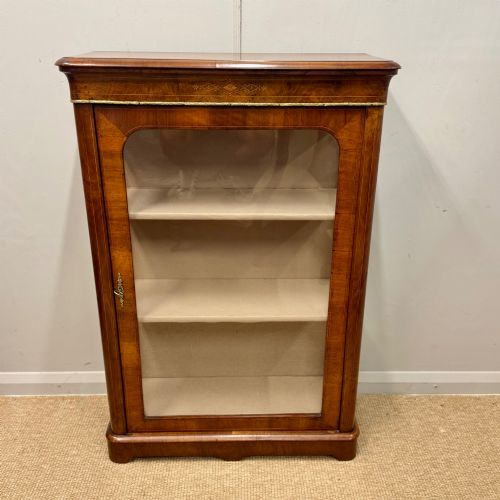
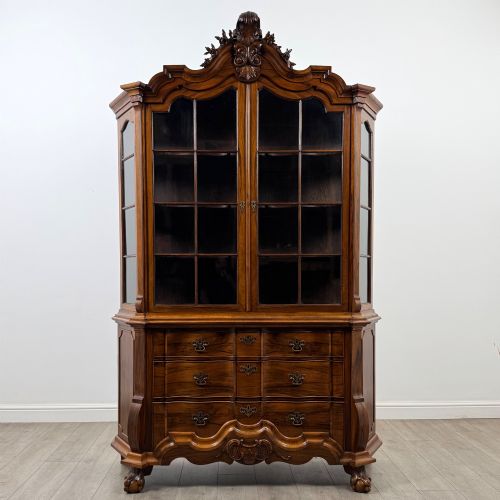
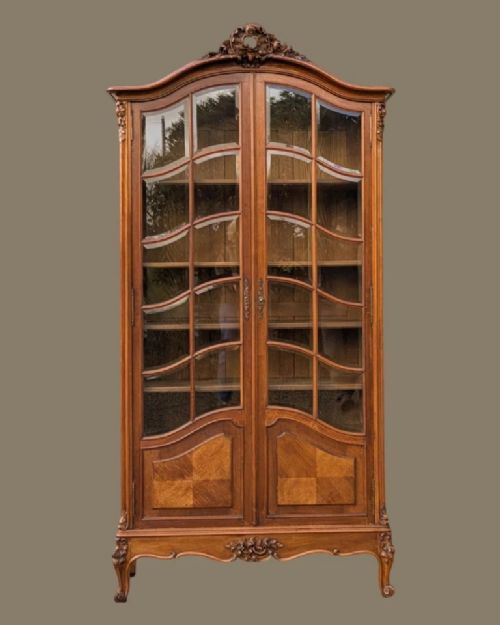
A brown walnut display case encompasses refined glazed cabinets, pier cabinets, vitrines, and breakfront bookcases designed to showcase valued possessions. These pieces bridge functional storage and decorative display, serving as architectural focal points within domestic interiors.
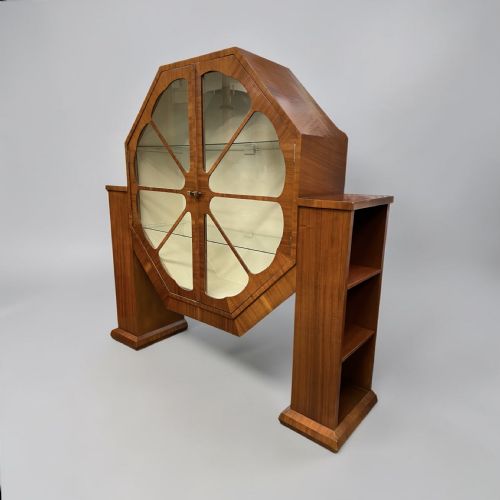
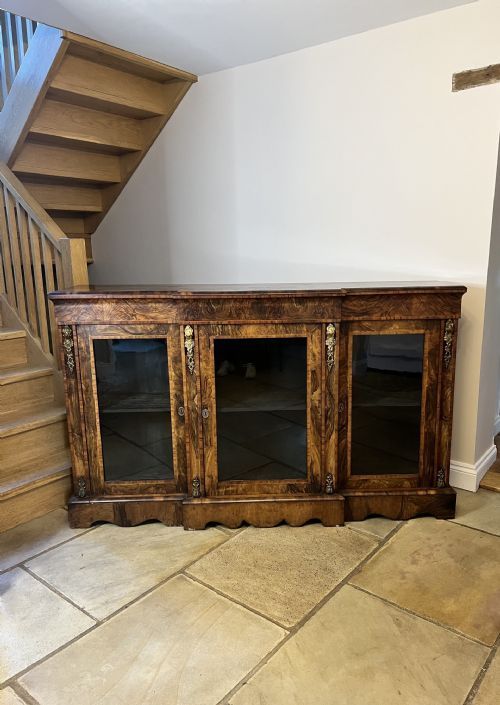
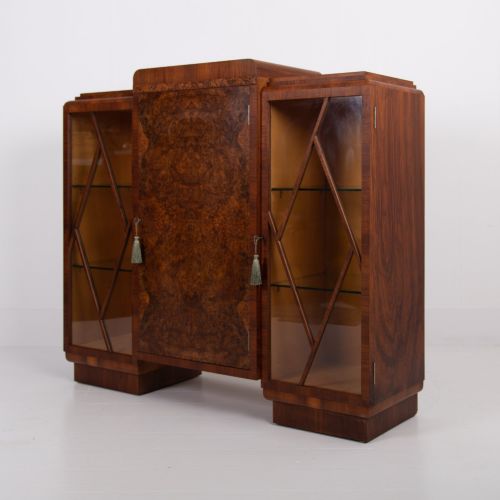
The selections span distinct historical eras, with Victorian and nineteenth-century examples sitting alongside Edwardian iterations and geometric Art Deco designs from nineteen thirty. Buyers frequently encounter smaller pier cabinets or glazed credenzas featuring warm timber tones.
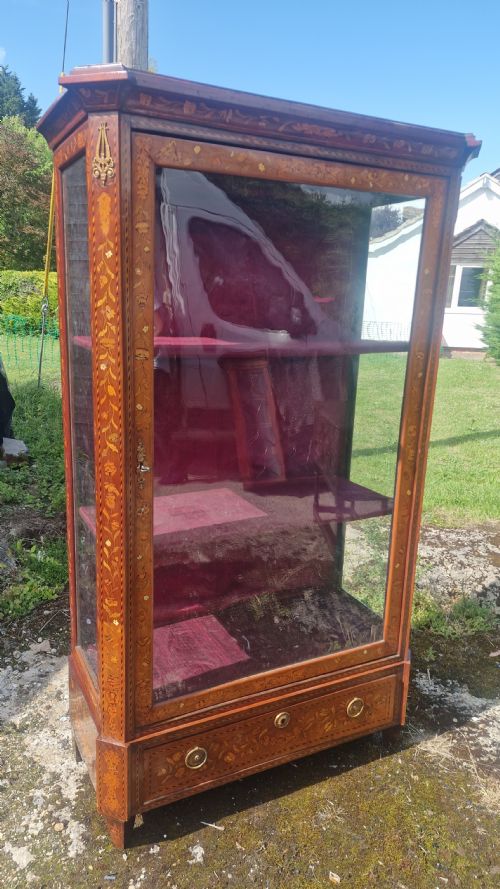
Continental origins appear alongside English pieces, introducing regional flourishes such as Dutch marquetry, French ormolu mounts, and Italian shelving forms. Each period contributes specific structural traits, from modest upright pier cabinets to expansive breakfront configurations.
How they were made
Cabinet makers utilised choice walnut and burr walnut veneers applied over secondary timbers to achieve captivating grain patterns across flat and curved surfaces. Crossbanding and marquetry inlay provide contrasting borders and decorative motifs on selected panels.
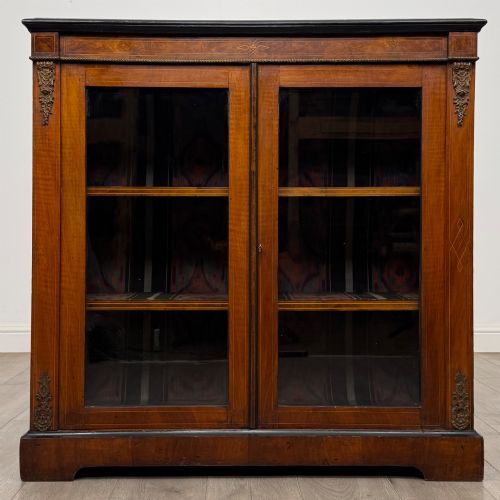
Structural integrity relies on traditional joinery methods, while glazed doors allow light to reach the interior shelves. Brass hardware, fabric linings, and gilt bronze ormolu mounts frequently complement the dark timber frames.
Listings feature walnut, burr walnut, oak, and brass materials across nineteenth-century and twentieth-century periods.
What varies in quality
The selection of timber grain largely dictates visual appeal, with richly figured burr walnut and meticulous marquetry distinguishing superior examples from plain surfaces. The crispness of carved details and the integration of decorative mounts further elevate certain pieces.
Proportion and structural balance play vital roles in overall merit, particularly in bespoke or revival styles where symmetry and restraint matter. Original glass panes, well-fitted doors, and well-preserved interior velvet or fabric linings contribute to the integrity of a piece.
The Brown Walnut Display Case Glossary
- Burr walnut
- A figured wood grain derived from walnut tree growths, prized for its swirling patterns. It provides intense decorative movement on cabinet doors.
- Ormolu
- Gilt bronze mounts applied to furniture edges and corners, common in French and high-end Victorian pieces. They add metallic contrast to the dark timber.
- Pier cabinet
- A slender upright display cabinet designed to fit wall spaces between windows. These tall pieces maximise display potential in narrow rooms.
- Vitrine
- A glass-fronted cabinet intended primarily for the display of porcelain or curiosities. The extensive glazing distinguishes it from a standard bookcase.
- Marquetry
- Inlaid wood veneers arranged to form decorative pictures or geometric patterns. Artisans utilise contrasting timber tones to create detailed surface designs.
Brown Walnut Display Case: Frequently Asked Questions
How do I clean walnut wood?
Dust the timber regularly with a soft, dry cloth to prevent particulate buildup on the carved surfaces and ormolu mounts. Avoid silicone polishes that degrade historical finishes over time.
Applying a traditional beeswax periodically nourishes the walnut and maintains a soft sheen without sealing the grain beneath a heavy film.
What periods do these cabinets represent?
The inventory ranges from nineteenth-century Victorian and Edwardian examples to twentieth-century Art Deco interpretations from nineteen thirty. Earlier styles draw on French Louis XV Revival and Dutch Baroque traditions.
Victorian pieces often feature elaborate marquetry and ormolu, whereas Art Deco models favour geometric curves and figured walnut veneers.
Can these cabinets hold heavy books?
While many pieces function as bookcases, internal shelving capacity depends on the specific construction and era of the cabinet. Adjustable wooden shelves accommodate various heights of volumes or display items.
Heavier loads require stable support from internal brackets, making it wise to assess shelf thickness and depth before arranging dense collections.
What makes burr walnut different?
Burr walnut comes from irregular tree growths that produce complex, swirling grain patterns rather than straight lines. Cabinet makers slice this timber into fine veneers for prominent display surfaces.
This distinct figure gives the wood a mottled, three-dimensional depth that catches light differently than plain-sawn timber.