
Inlaid Walnut Pier Cabinet
An inlaid walnut pier cabinet combines structured display with refined marquetry, designed to anchor a drawing room wall.
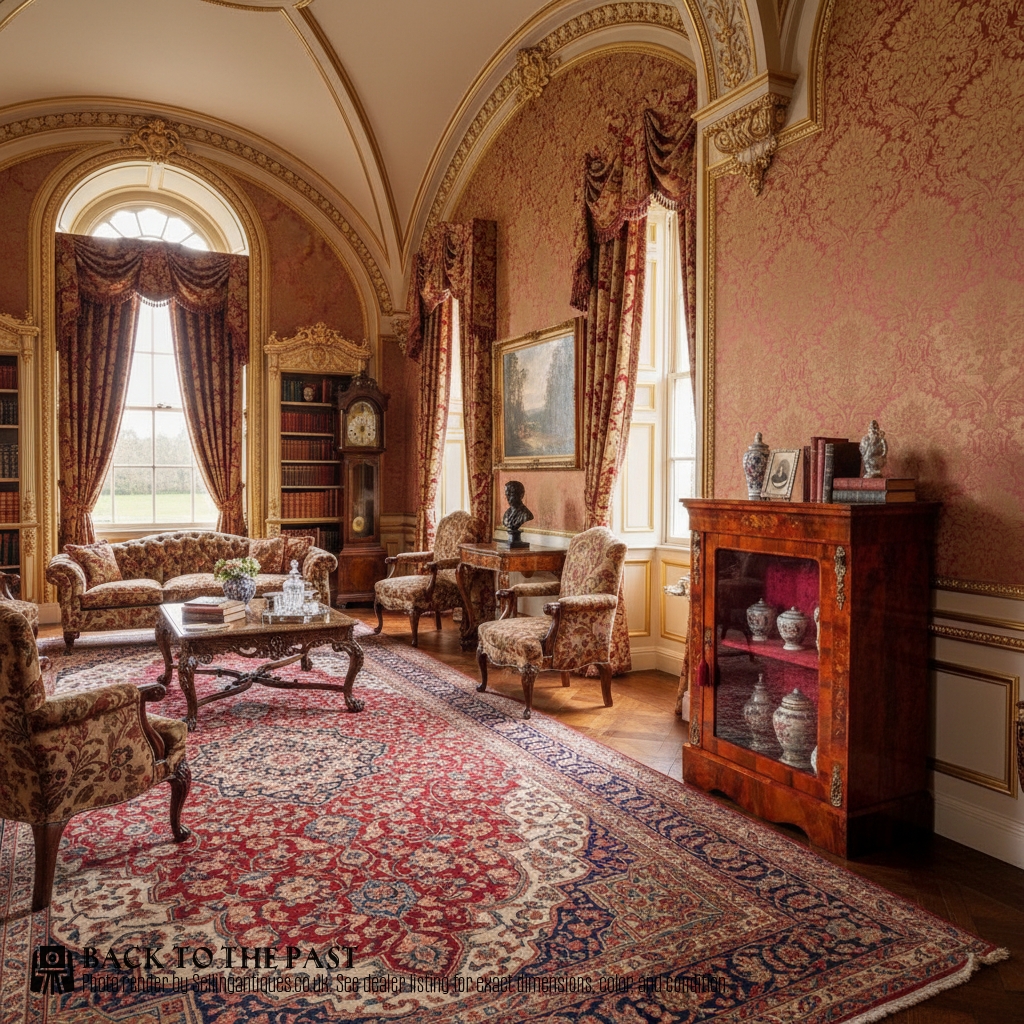
Inlaid Walnut Pier Cabinet
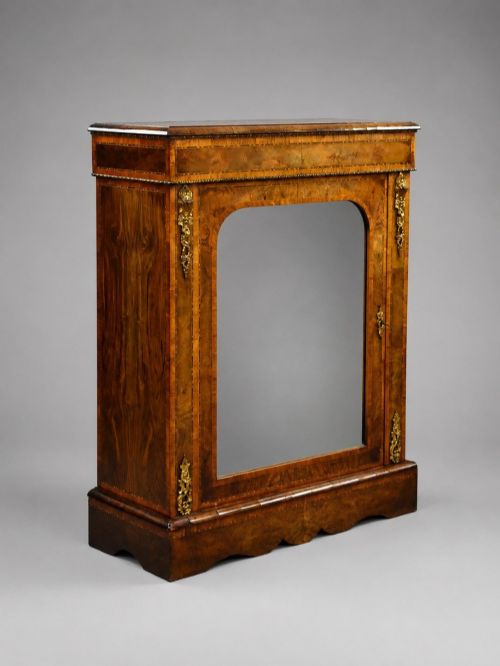
An inlaid walnut pier cabinet is a narrow display piece traditionally built to stand against the wall space, or pier, between two windows. These cabinets are most commonly encountered from the Victorian period, though examples appear from the Regency era through to the Edwardian years.
How They Were Made
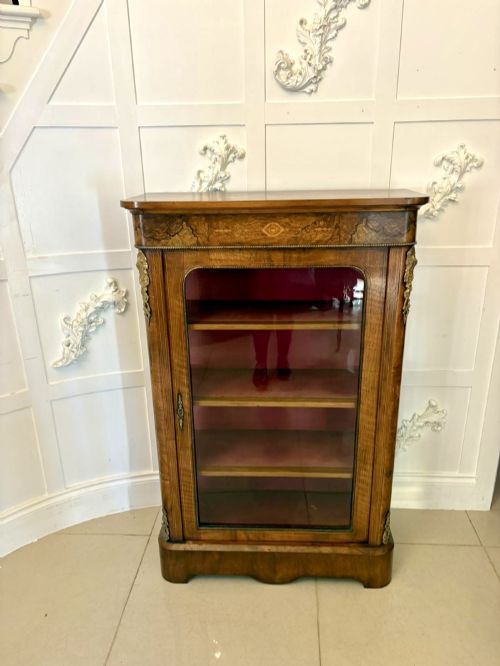
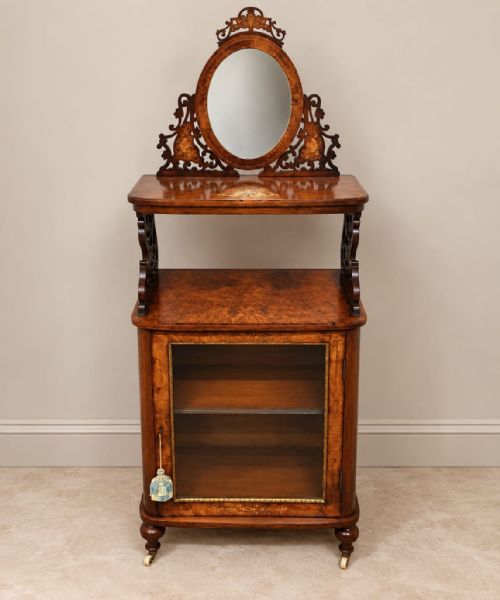
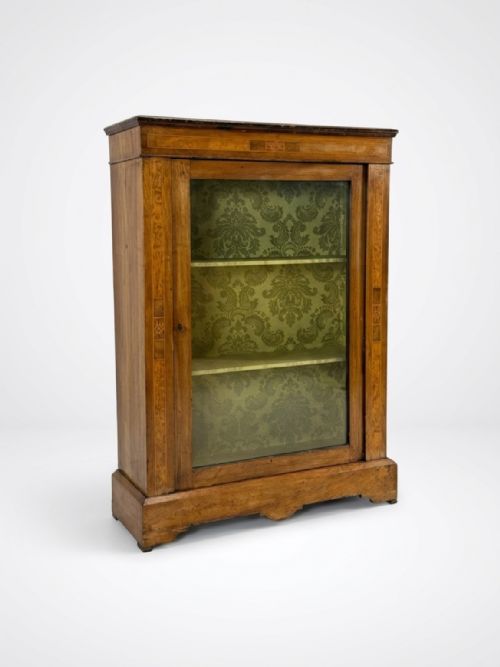
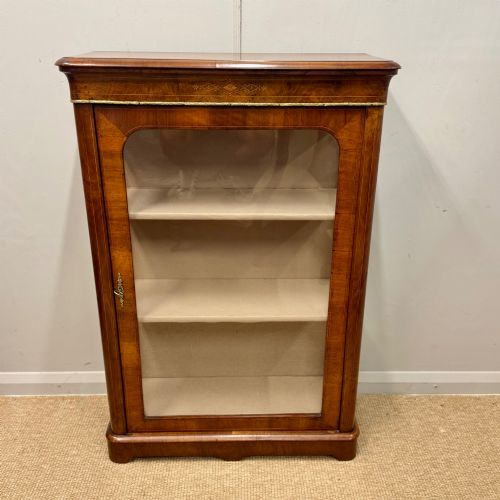
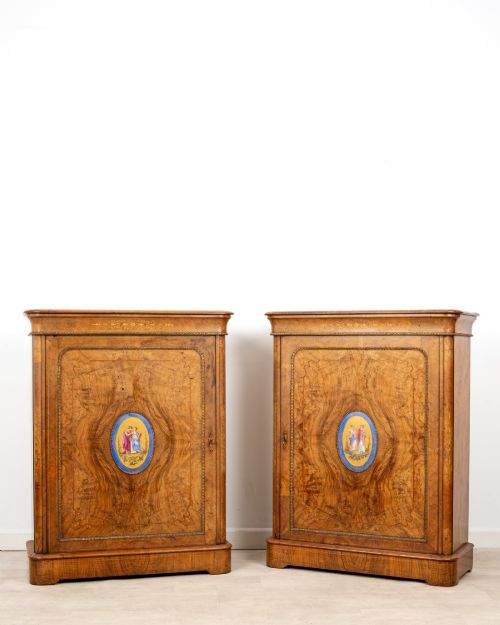
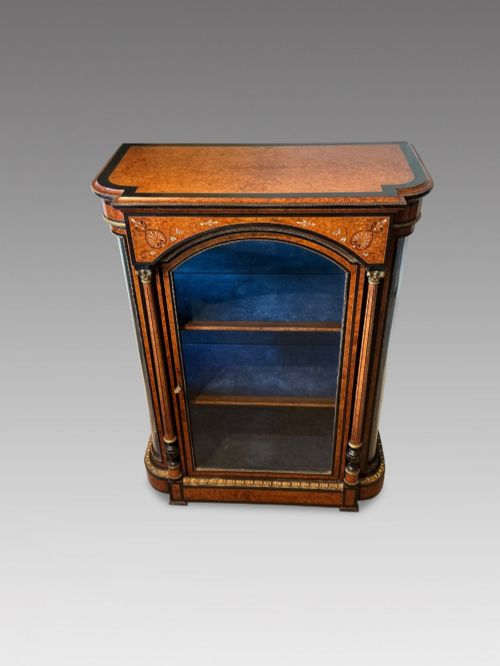
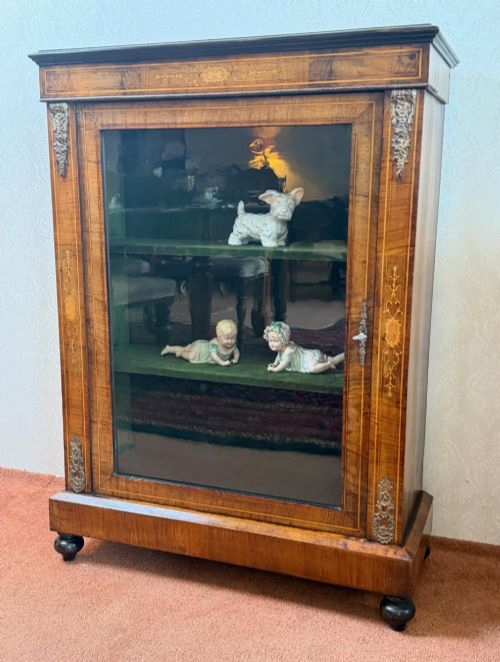
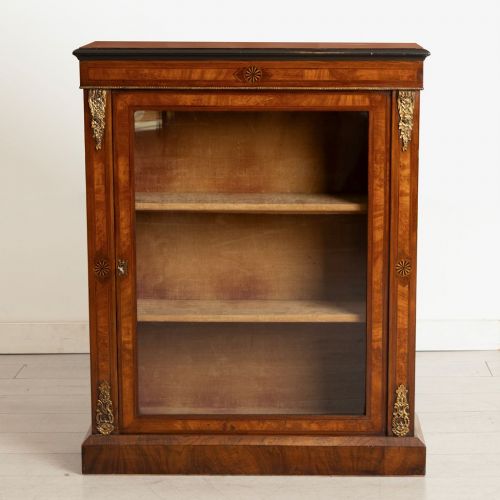
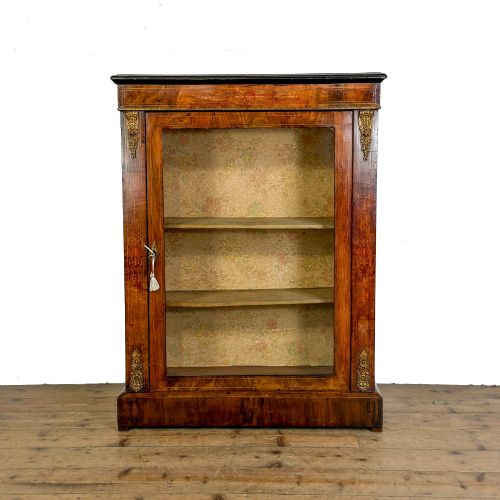
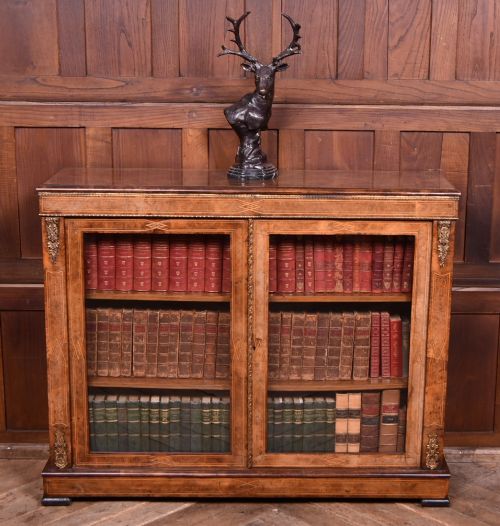
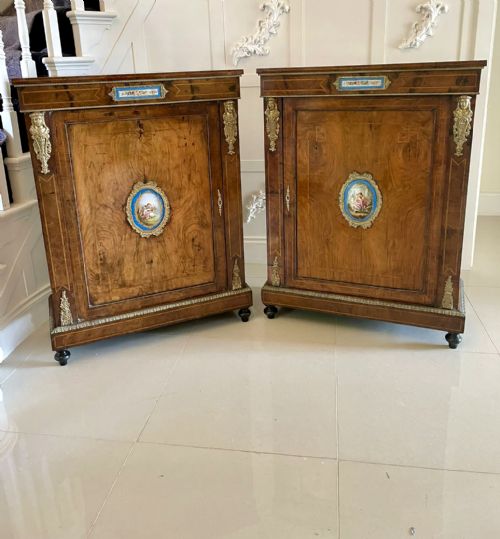
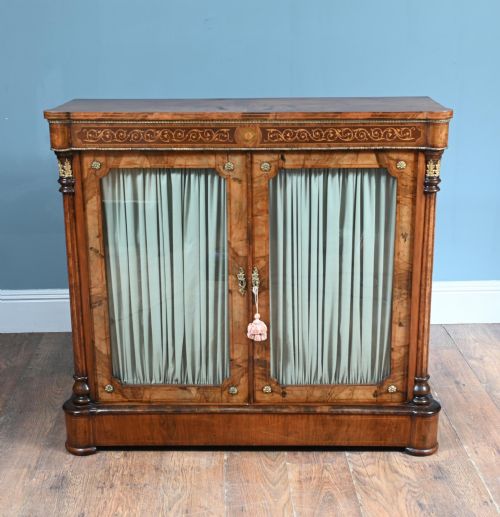
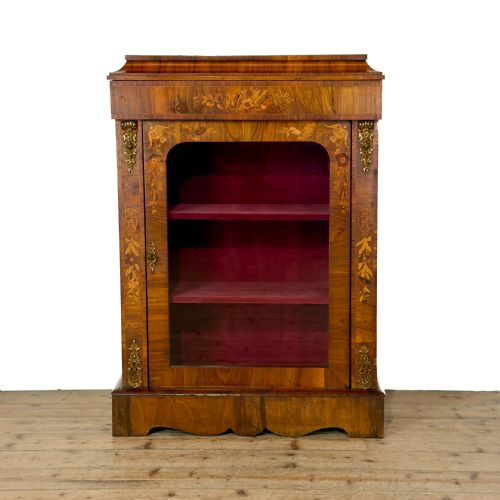
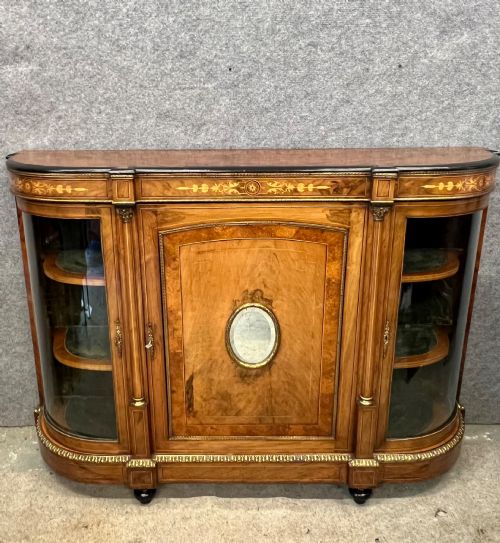
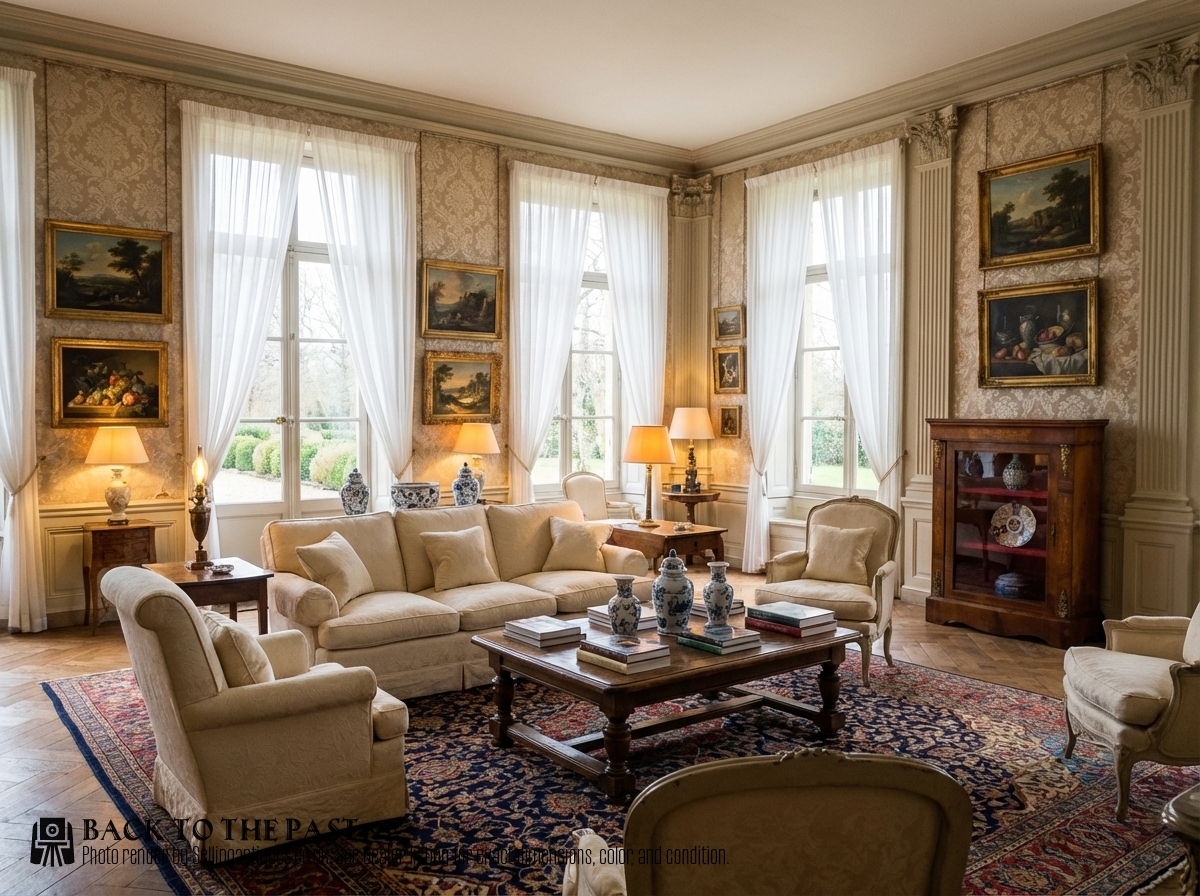
Cabinet makers utilised dense walnut and highly figured burr walnut veneers over secondary timbers, applying boxwood inlay and marquetry to create intricate floral or geometric motifs across the panels. Ormolu mounts in cast brass provided structural accents and decorative framing along the edges and feet.
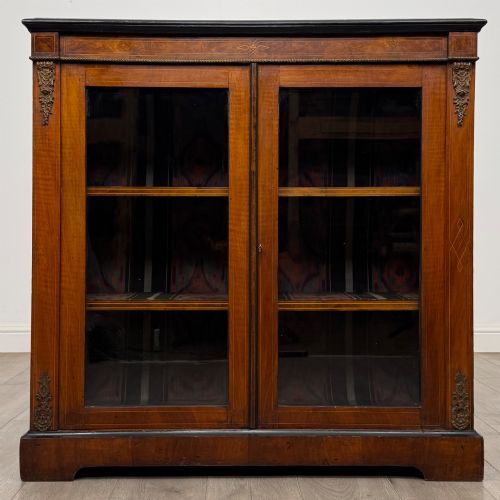
Glazing panels enclosed the main display space, while velvet linings frequently padded the interior shelves. Brass stringing and contrasting woods such as ebony and rosewood further embellished the surfaces.
Inlaid Walnut Pier Cabinet Retail Price Guide 2026
Typical asking prices for inlaid walnut pier cabinet among the pieces listed under this phrase on Sellingantiques today, from the lower quarter to the upper quarter. They describe what is for sale here now, not the wider market.
Listings demonstrate that walnut pier cabinets frequently incorporate boxwood inlay, ormolu mounts, and glazed display doors across Victorian and Edwardian periods.
What Varies in Quality
Quality rests in the depth of the timber figuring and the precision of the marquetry work, where finer pieces display crisp, tight vegetal or scroll patterns cut without gaps. The integration of cast ormolu mounts and porcelain plaques separates standard production from exceptional examples.
Construction details such as the thickness of the walnut veneer, the symmetry of the boxwood inlay, and the retention of original glass and velvet linings dictate the standing of a piece within the range.
The Inlaid Walnut Pier Cabinet Glossary
- Pier Cabinet
- A narrow display cabinet specifically proportioned to fit the wall space between two tall windows in a Victorian reception room.
- Marquetry
- Decorative patterns formed by fitting together thin slices of various coloured veneers onto a structural surface.
- Ormolu
- Gilded bronze mounts cast and chased to ornament the corners, friezes, and feet of formal nineteenth-century cabinetry.
- Burr Walnut
- Timber taken from the abnormal growth of a walnut tree, yielding swirling, highly decorative grain patterns prized by cabinet makers.
- Boxwood Inlay
- Fine lines or contrasting segments of pale boxwood set flush into darker walnut surfaces to delineate panels and borders.
Inlaid Walnut Pier Cabinet: Frequently Asked Questions
What is a pier cabinet?
A pier cabinet is a narrow display piece designed during the nineteenth century to fit against the wall space between tall drawing room windows.
These units typically housed delicate porcelain, glass, and small decorative objects behind a glazed single door.
How were pier cabinets used?
Victorians utilised these cabinets to exhibit curated collections of small ornaments, shells, and imported ceramics in formal reception spaces.
The glazed door protected sensitive items from dust while allowing full visibility from the room.
How do you date a walnut cabinet?
Dating relies on observing the combination of timber choices, inlay styles, and structural forms recorded across the nineteenth century.
Victorian examples frequently pair burr walnut with elaborate boxwood marquetry and ormolu mounts, shifting from earlier Regency restraint to later revival styles.
Where should I place one at home?
These narrow cabinets suit hallways, alcoves, or living rooms where floor space is limited but vertical display is desired.
Their glazed fronts and reflective wood surfaces help brighten smaller or darker architectural corners.