
Brown Oak Drop Leaf
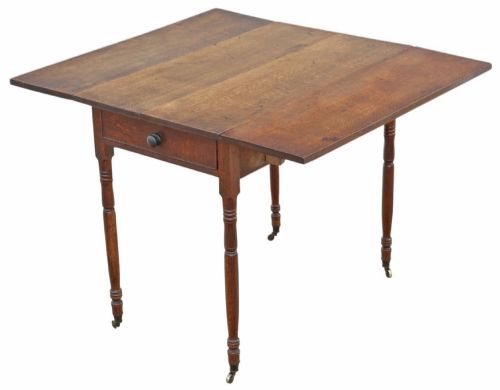
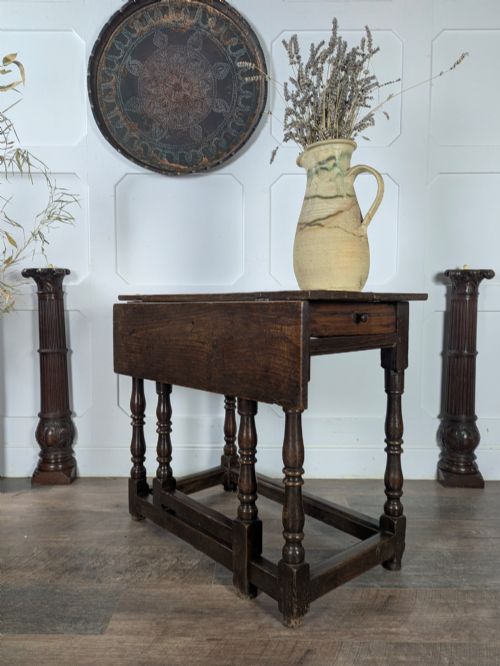
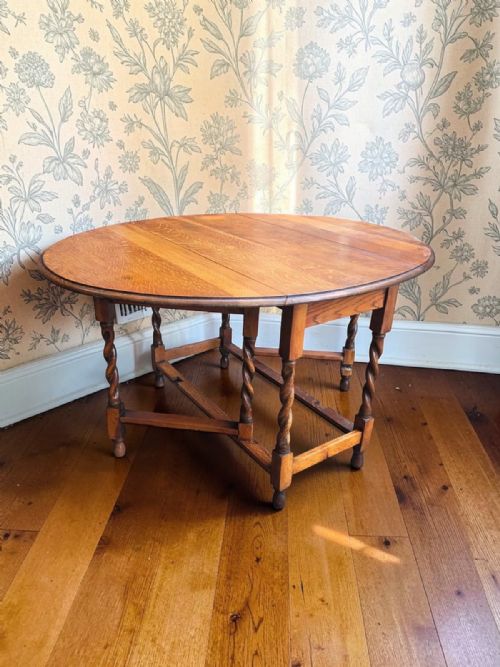
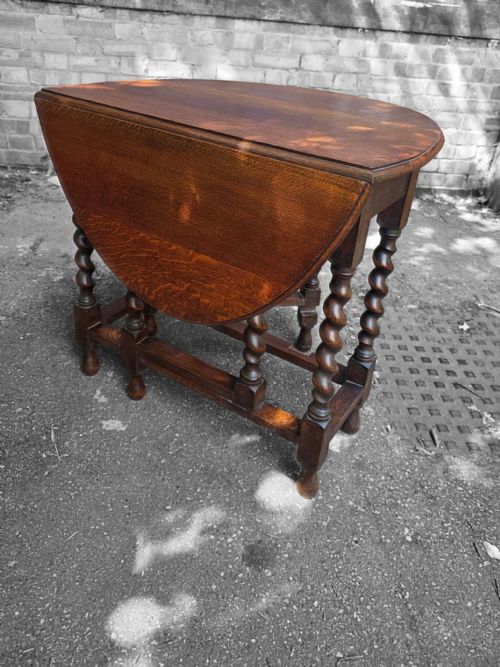
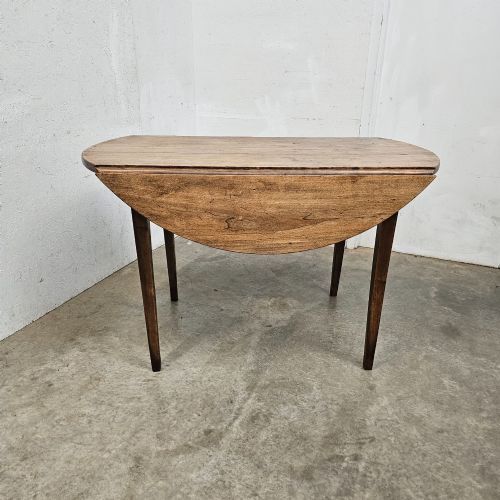
Brown oak drop leaf tables are sturdy timber folding tables that offer versatile dining space with folding leaves and swinging legs.
What brown oak drop leaf tables are
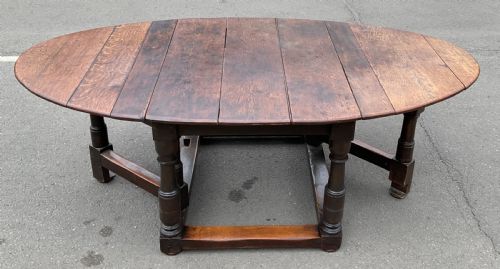
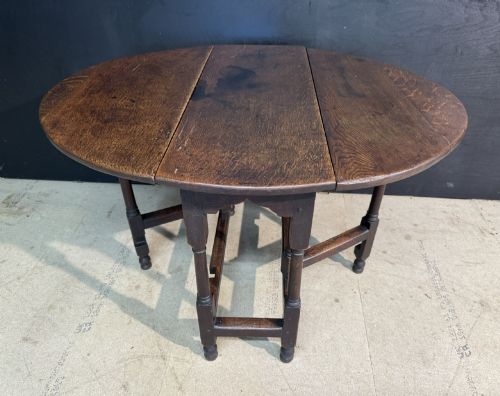
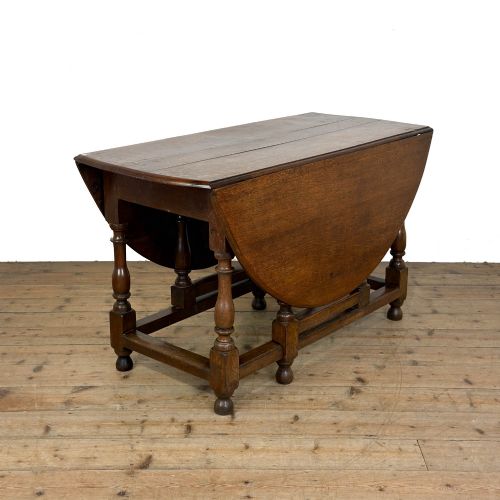
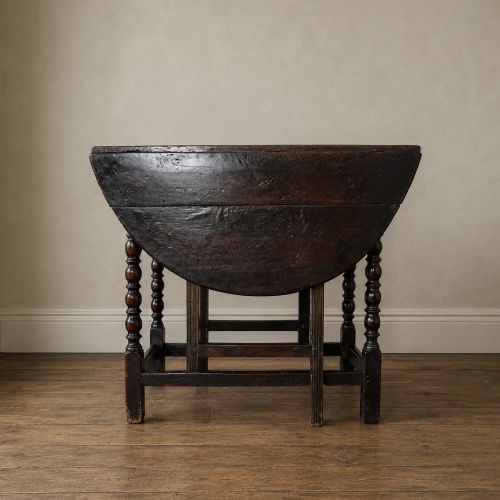
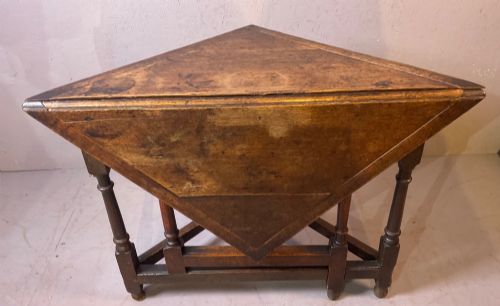
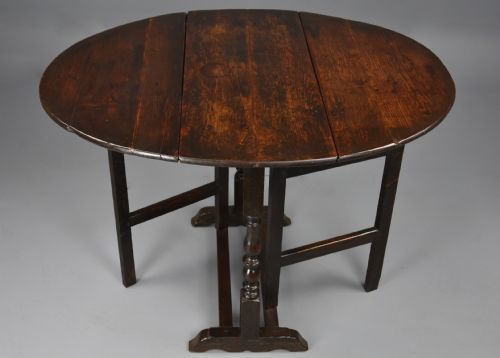
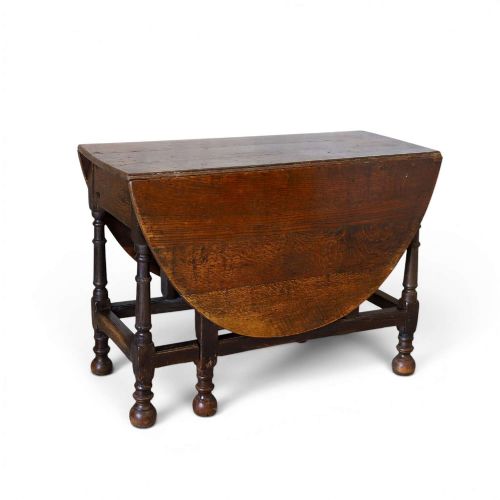
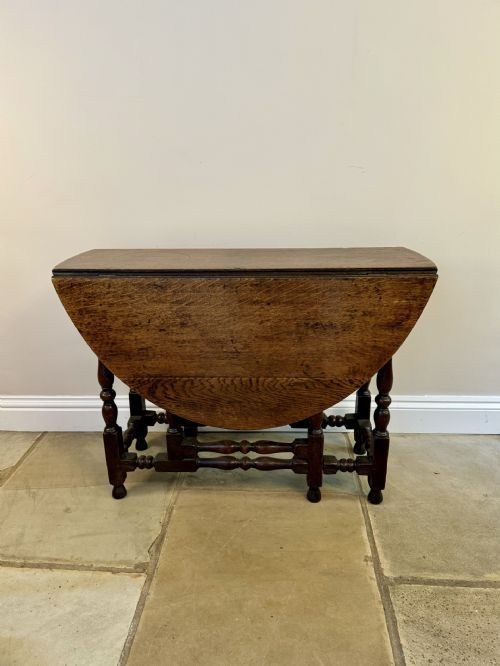
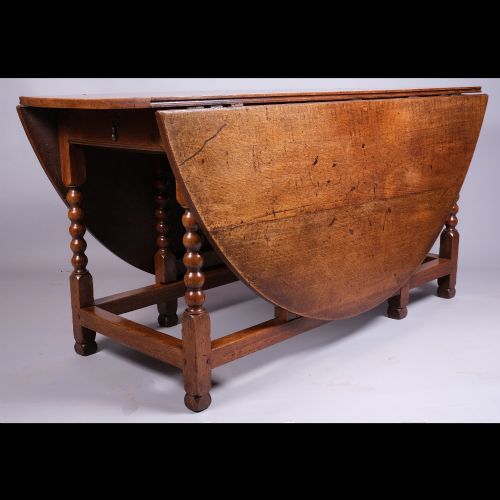
When you search for brown oak drop leaf, you are looking at substantial timber tables designed with hinged flaps that drop down at the sides when not in use. These pieces serve primarily as dining tables and gateleg tables, offering a practical space-saving surface that expands quickly for meals.
The versions you are most likely to meet on this page date from the 17th century, 18th century, and 19th century. They display distinct regional characteristics across Jacobean, Georgian, and English Country styles, often utilising robust construction methods suited for daily use.
How they were made
These tables are constructed primarily from oak, chosen for its durability and strong grain pattern. Structural stability relies on timber framework supported by functional hardware components.
Makers incorporated iron and brass for hinges, catches, and fixings that allow the drop leaves and swing legs to operate smoothly. The joinery relies on traditional carpentry techniques appropriate for heavy hardwood furniture.
Retail Price Guide 2026
Typical UK retail prices for brown oak drop leaf, calculated from the Sellingantiques database of over a million retail prices indexed since 2003. This retail price guide relies exclusively on Sellingantiques data; no external sources or auction records are used, so the figures do not describe the wider market.
Gatelegs swing out like loyal hounds to hold up your tea.
What varies in quality
Quality in these tables rests upon the selection of timber and the integrity of the original gateleg action. Pieces that retain their early surface patination and balanced proportions stand at the upper end of the range.
Simpler 19th-century interpretations or examples with heavy alterations sit further down the scale. The crispness of turning on the legs and the alignment of the drop leaves distinguish finer craftsmanship from standard utility work.
The Brown Oak Drop Leaf Glossary
- Gateleg table
- A table with hinged leaves supported by one or more legs that swing out like a gate. This design provides robust support for the extended drop leaves.
- Drop leaf
- A hinged table flap that can be lowered or raised to alter the surface area. It allows the table to occupy less floor space when folded.
- Bobbin turned
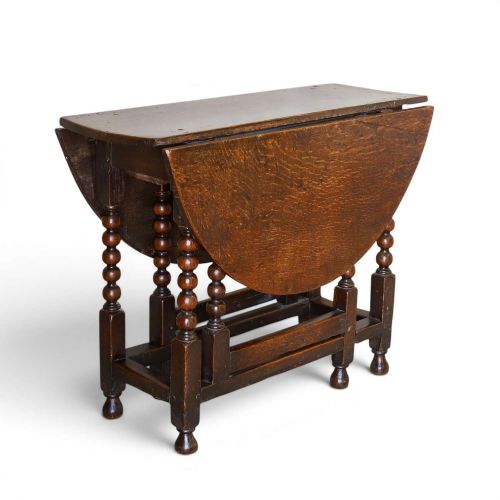
- Turned woodwork featuring a succession of rounded, spool-like shapes carved along the length of a leg or stretcher. This decorative turning is typical of 17th-century furniture.
- Patina
- The surface sheen and mellowing of colour developed by timber over long periods of handling and exposure. Original patination is valued by collectors for its authenticity.
Frequently Asked Questions
How do I use a drop leaf table?
Raise the hinged side flaps and swing the designated gateleg outwards until it locks firmly beneath the leaf. This creates a stable extended surface suitable for dining or working.
Lower the flaps and fold the legs back inward when you need to reclaim floor space in smaller rooms. The table remains compact and functional against a wall.
What periods do these tables come from?
The listings span three distinct centuries, including the 17th century, 18th century, and 19th century. Each era brings specific stylistic cues.
Early examples often feature bobbin turned legs and heavy oak construction, while later 19th-century versions reflect simpler interpretations of the traditional gateleg form.
Are these tables suitable for everyday dining?
Their solid oak construction and clever folding mechanism make them durable choices for daily meals. The sturdy frame supports regular use without sacrificing stability.
Ensure you use coasters and placemats to protect the historic timber surface from heat and moisture during ordinary mealtimes.
How do I identify a 17th-century table?
Seventeenth-century examples often display specific decorative details like bobbin turning on the legs and stretchers. They are frequently classed under Jacobean or early English Country styles.
Examine the joinery and hardware materials such as iron and brass to understand the age and construction methods employed by the original maker.