

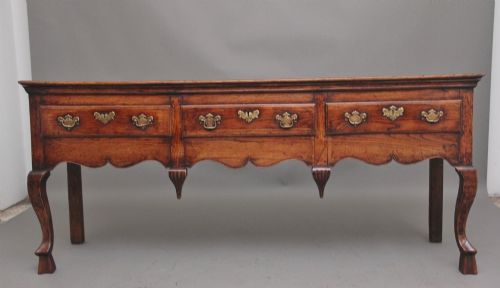
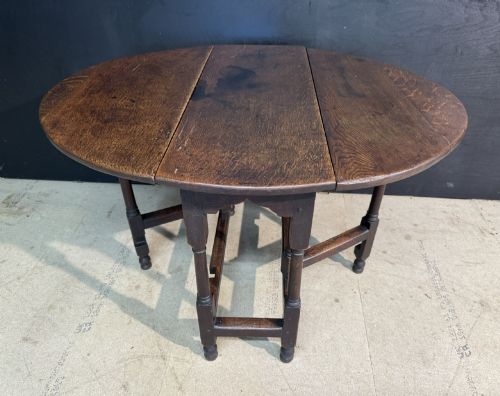
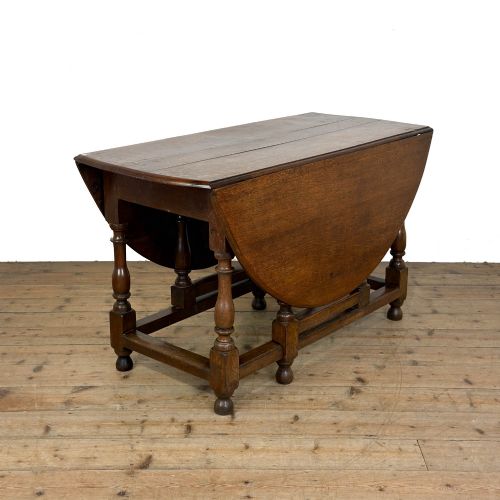
Period Oak Table
A period oak table brings centuries of domestic history into a room through solid construction and honest timber.
Period Oak Table
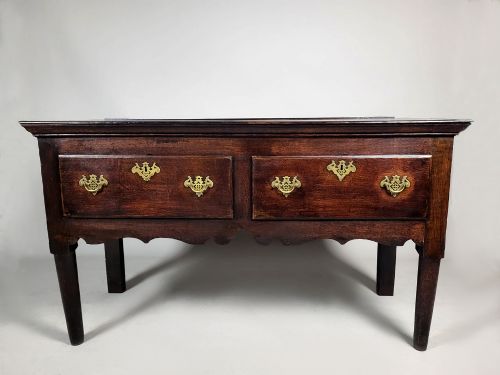
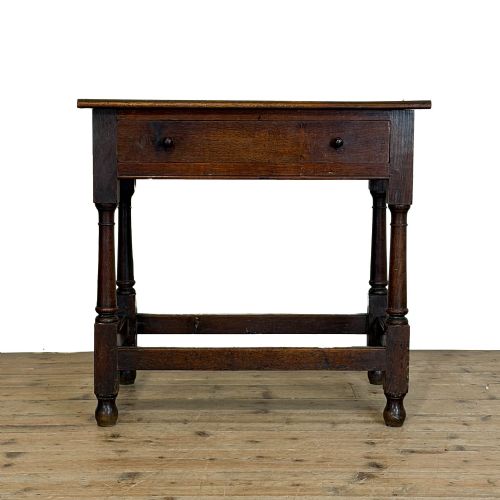
A period oak table encompasses robust furniture built from native British hardwoods, spanning centuries of domestic and dining use from the seventeen hundreds backwards and forwards.
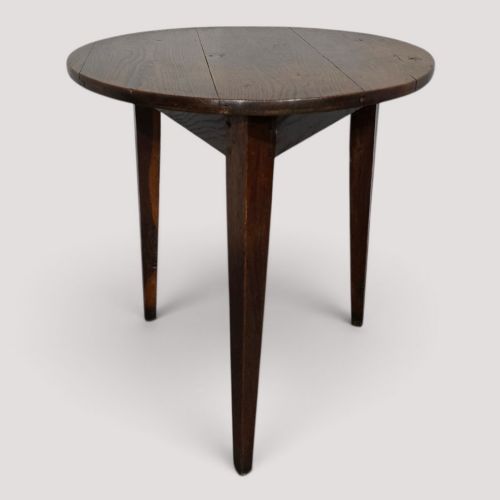
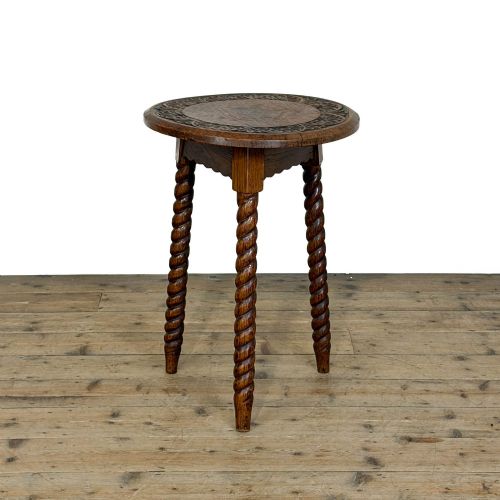
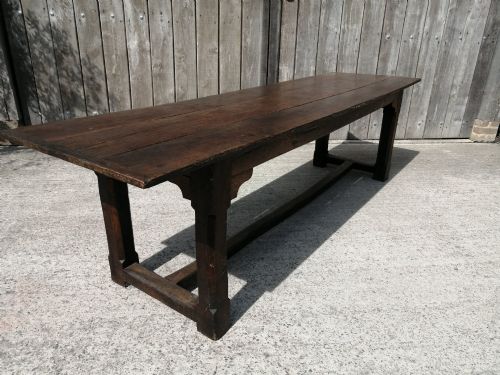
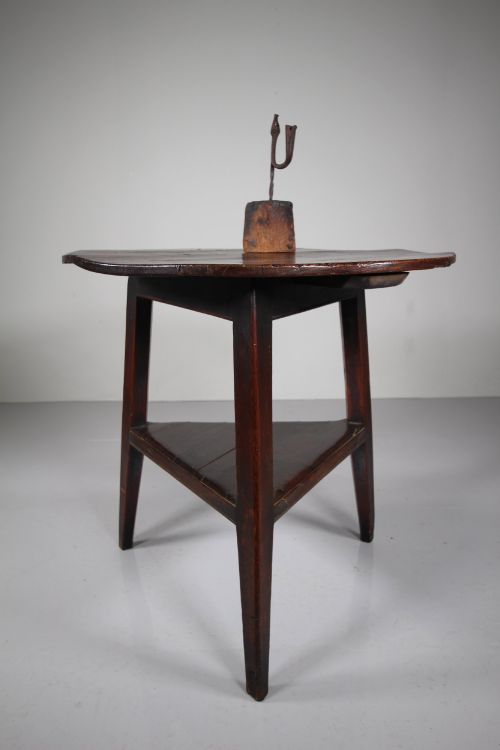
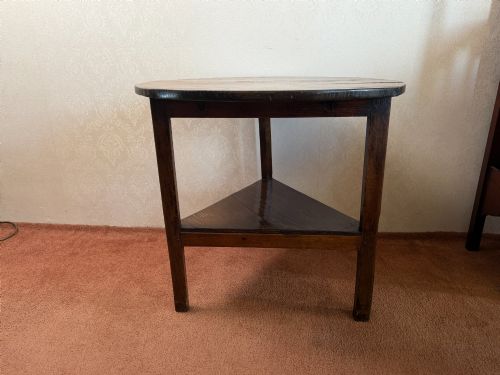
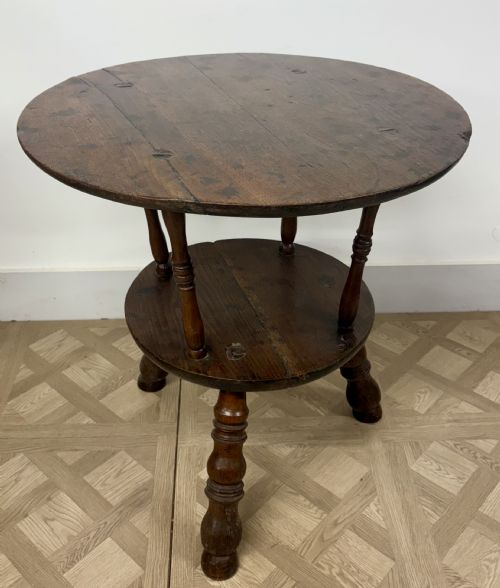
The versions most commonly met on this page include gateleg drop-leaf designs, sturdy cricket tables with three legs, and generous refectory boards suited for communal meals.
Makers of these forms utilised durable timbers, often pairing oak with elm or beech, resulting in utilitarian surfaces that survived generations of heavy household service.
How they were made
Carpenters constructed these pieces using heavy oak planks fastened with pegged mortise and tenon joints, ensuring rigid frames without relying on modern adhesives.
Secondary timbers such as elm and beech frequently appeared in tabletops and structural underframes, chosen for their resistance to splitting under pressure.
Surface finishing relied on hand-planing and natural waxing, which developed deep patinas over decades of daily contact and polishing.
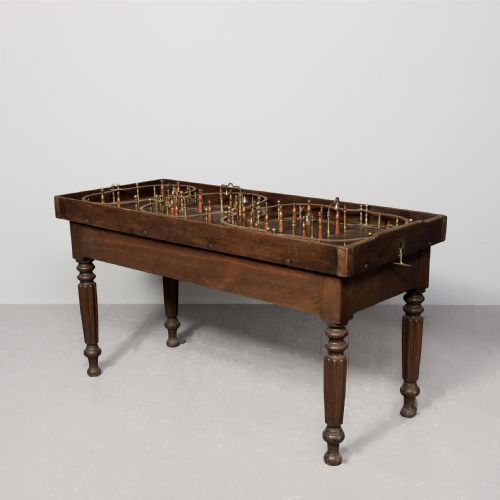
Listings feature oak alongside supplementary materials like elm, beech, brass, and leather across seventeenth and eighteenth-century forms.
What varies in quality
Quality rests in the integrity of the timber selection, where quarter-sawn boards display tight medullary rays that resist warping better than plain-sawn alternatives.
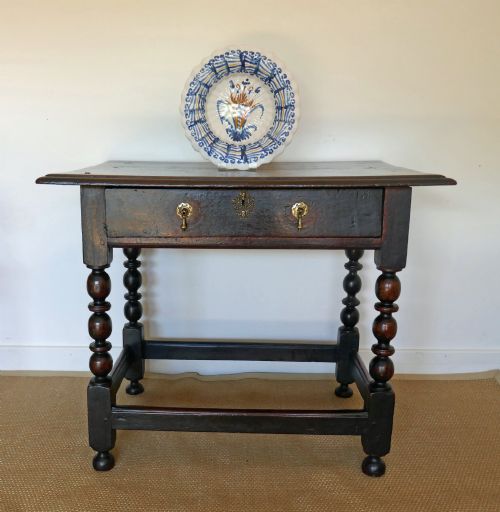
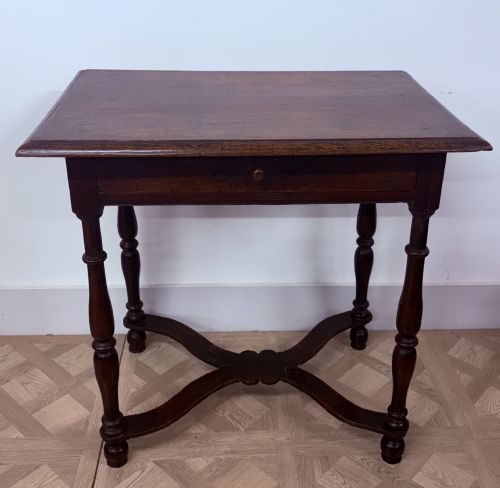
The sophistication of turnings on legs and stretchers, from simple bobbin shapes to complex geometric moulding, separates ordinary utilitarian items from finer country house commissions.
Proportion and original surface condition dictate desirability, as unaltered height and untouched patination reveal how truthfully an object has aged.
The Period Oak Table Glossary
- Cricket table
- A small three-legged round table traditionally used beside a hearth. Its design prevented wobbling on uneven stone floors.
- Gateleg table
- A drop-leaf table featuring hinged legs that swing outward to support the opened flaps. This form maximised floor space in smaller chambers.
- Refectory table
- A long, narrow dining board raised on heavy trestles or turned legs with connecting stretchers. These tables originated in monastic dining halls before entering domestic homes.
- Joint stool
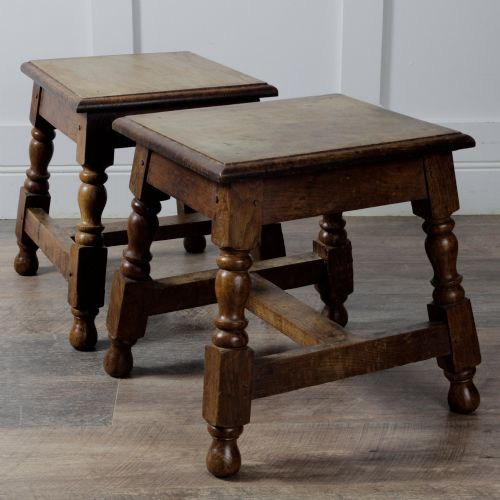
- A low wooden seat constructed with pegged joints rather than turned parts. They frequently served as auxiliary seating or small side surfaces.
- Lowboy
- A small dressing table fitted with one or more drawers beneath the top. They appeared in bedrooms and parlours during the seventeenth and eighteenth centuries.
Period Oak Table: Frequently Asked Questions
How do I date an oak table?
Dating relies on observing construction methods, tool marks left by hand planes, and the style of leg turnings. Joinery fastened with handmade wooden pegs generally points to earlier centuries.
Secondary woods and hardware like hinges provide further clues. Comparing the piece to documented examples helps narrow down the decade of production.
Were these tables used for dining?
Larger formats like refectory and gateleg tables served communal dining purposes in great halls and farmhouses. Smaller tables were reserved for writing, games, or holding tea.
Their sturdy construction meant the same surface could transition between different daily household chores.
How should I care for an antique oak surface?
Maintain the wood by applying natural beeswax sparingly and buffing it with a soft cloth. Avoid synthetic polishes and keep the table away from direct heat sources.
Consistent indoor humidity prevents the oak planks from splitting or warping over time.
What is original patina?
Patina refers to the accumulated sheen and colour developed on wood through age, light exposure, and handling. An untouched surface reflects decades of household use.
Preserving this layer maintains the visual depth that collectors value in period furniture.