

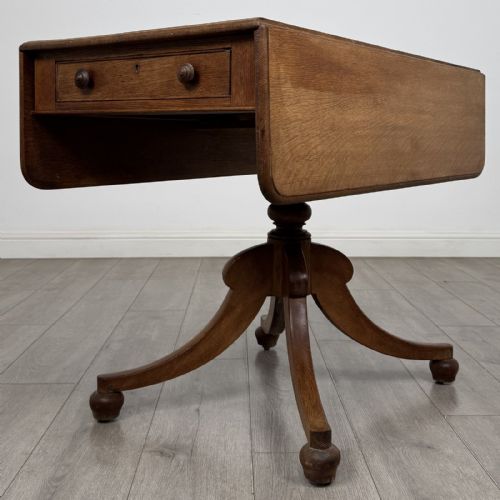
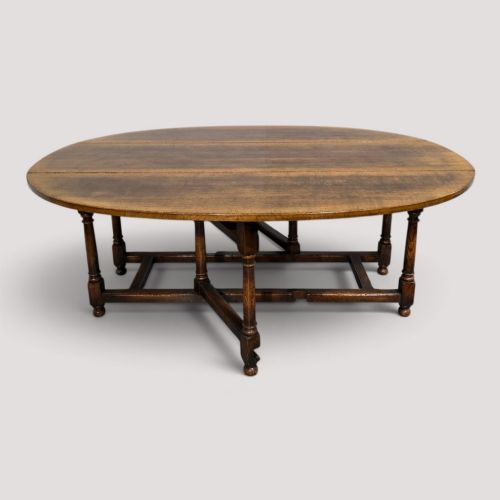
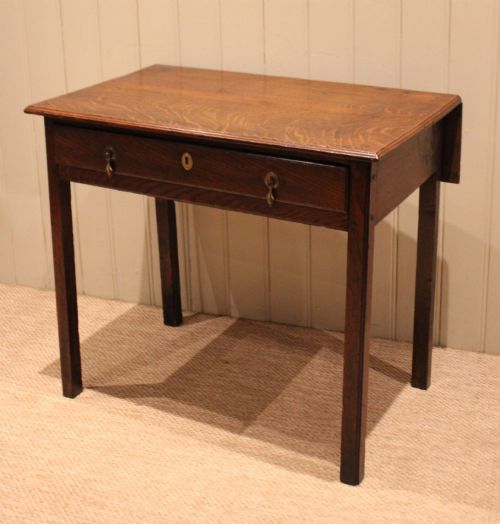
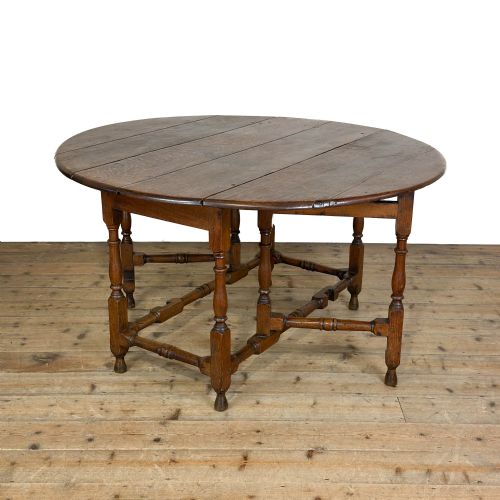
Brown Oak Drop Leaf Table
A brown oak drop leaf table offers rich timber tones and versatile folding flaps, bridging centuries of practical English woodworking.
Brown Oak Drop Leaf Table
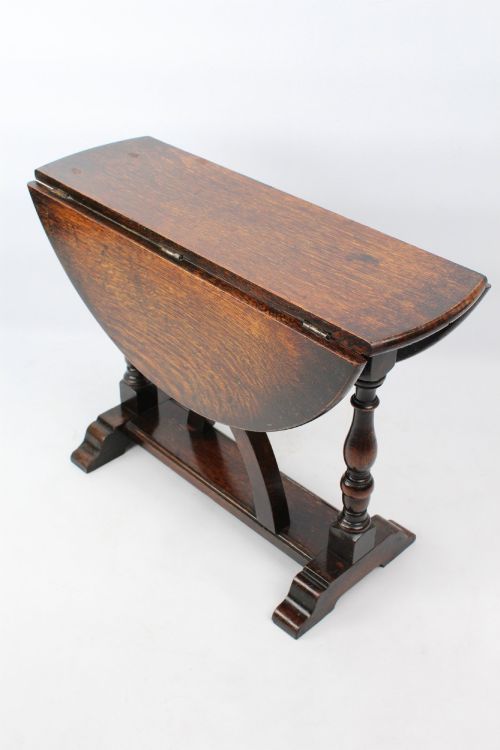
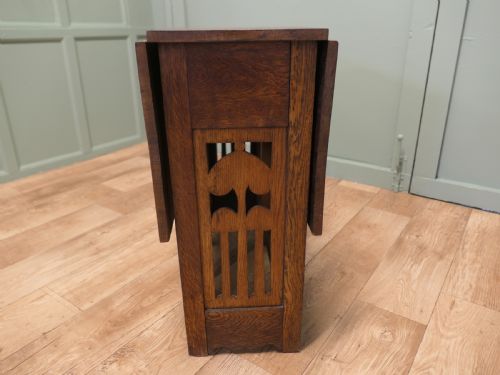
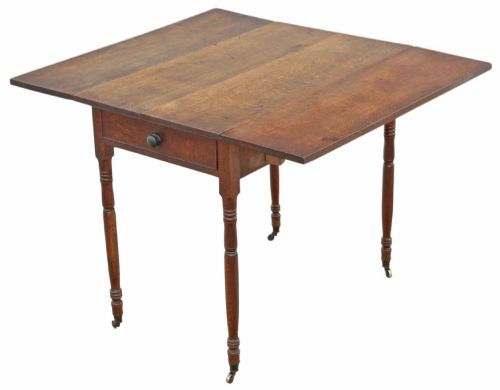
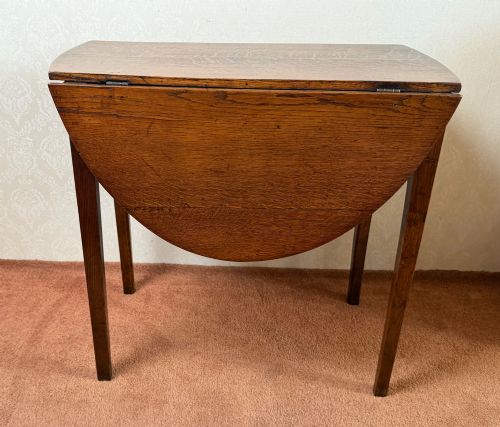
A brown oak drop leaf table brings functional timber furniture into daily domestic spaces through hinged side flaps that lift to expand surface area. These tables range from compact side pieces to large dining formats.
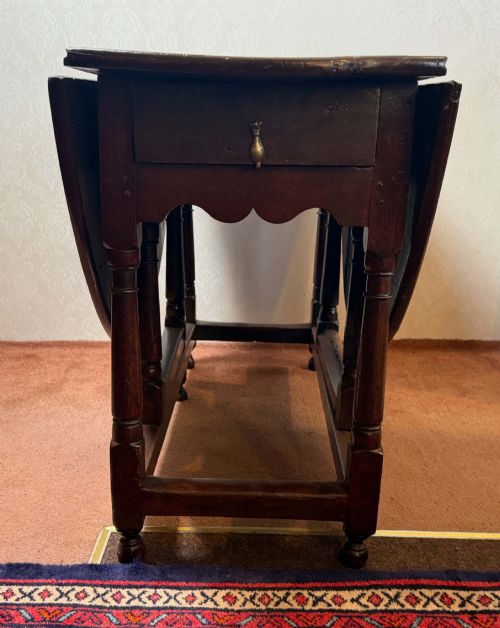
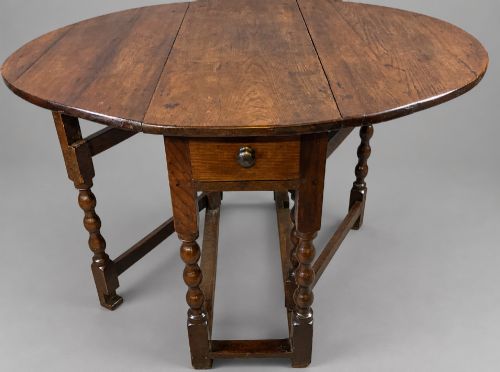
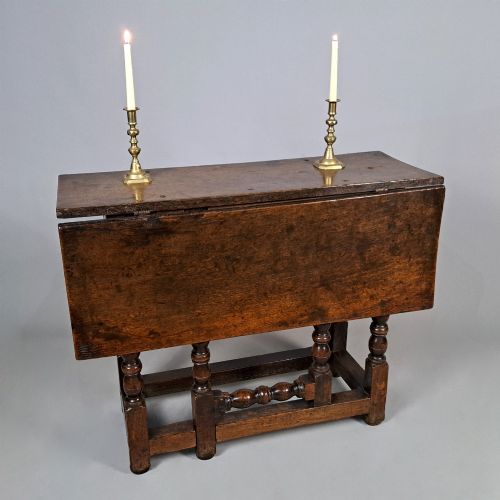
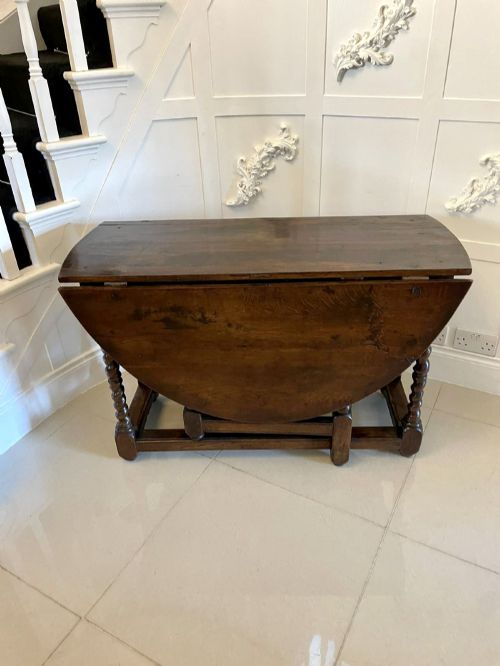
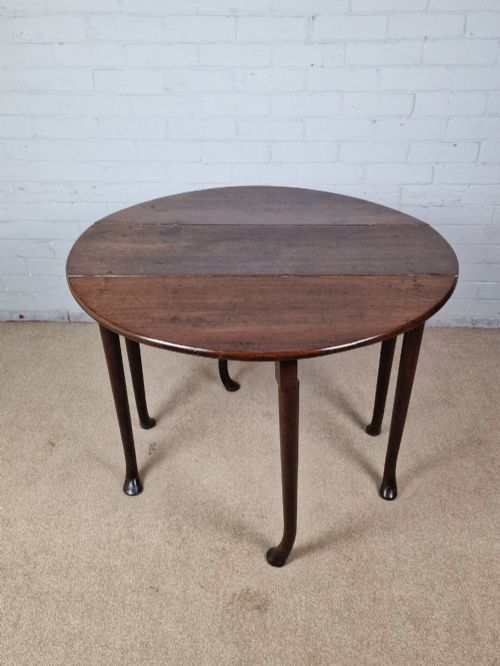
Gateleg and Pembroke forms dominate this selection, supported by structural pivoting legs that swing out to hold the open leaves. Buyers frequently encounter 17th-century and 18th-century examples alongside later revival pieces.
Originating largely from English workshops, these items utilise solid oak timbers alongside supplementary materials like iron and brass fittings. The resulting forms serve as dining, writing or occasional tables.
How they were made
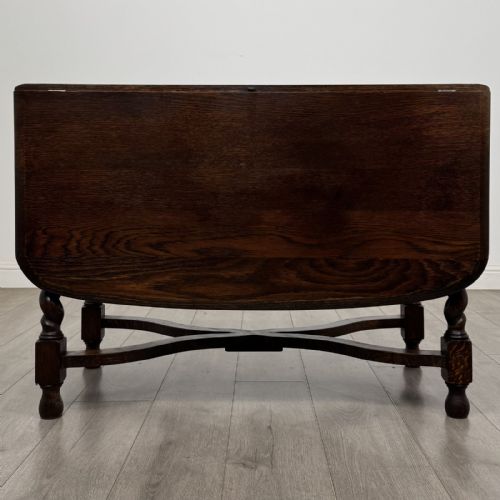
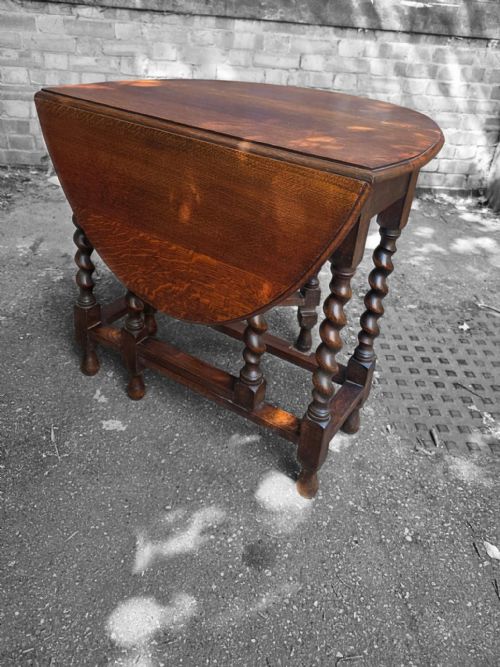
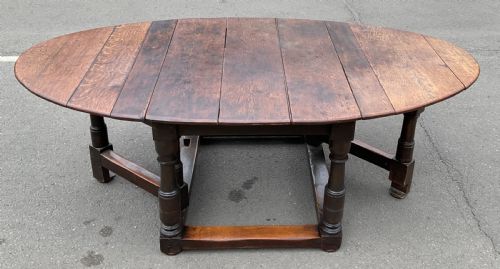
Construction relies heavily on solid oak, shaped into plank tops and supported by turned framing such as bobbin or barley twist legs. Artisans joined sections using traditional methods while integrating iron or brass hinges for the drop leaves.
Secondary timbers like ash, fruitwood or mahogany occasionally appear in specific components or related forms. Surface finishing prioritises natural patination derived from age, wax and use rather than heavy pigmentation.
Brown Oak Drop Leaf Table Retail Price Guide 2026
Typical asking prices for brown oak drop leaf table among the pieces listed under this phrase on Sellingantiques today, from the lower quarter to the upper quarter. They describe what is for sale here now, not the wider market.
Some tables double as handkerchief holders when unfolded, proving that historic carpenters loved a clever folding trick.
What varies in quality
Quality separates through the integrity of the original timber surface and the crispness of the turned leg details, such as baluster posts or bobbin turnings. Superior examples retain untouched patination and original iron or brass hinges.
Proportion and scale dictate desirability, with smaller proportions commanding particular attention from collectors. The soundness of the gateleg swing action and the flatness of the plank top determine structural success.
The Brown Oak Drop Leaf Table Glossary
- Gateleg table
- A table with hinged flaps and swinging legs that pull out to support them. This design allows the surface area to expand significantly when needed.
- Drop leaf
- A hinged section of a table top that folds down when not in use. It enables the furniture to occupy less floor space in smaller rooms.
- Patina
- The surface sheen and colour developed over decades through handling, waxing and oxidation. It indicates age and honest use.
- Barley twist
- A spiral turning carved into furniture legs and stretchers. This decorative feature became popular during the seventeenth century and returned in later revival periods.
- Plank top
- A table surface constructed from solid wooden boards joined edge to edge. This method provides durability and distinct grain patterns.
Brown Oak Drop Leaf Table: Frequently Asked Questions
How do I use a drop leaf table daily?
Lift the hinged side flaps and swing out the supporting gateleg to create a full dining or work surface. Drop the leaves downward against the fixed centre section to save floor space when the surface is not in use.
Keep the timber away from direct heat sources and moisture to protect the original hinges and wood joints. Regular dusting and occasional waxing maintain the surface finish.
How can I tell a seventeenth century table from a later revival?
Examine the construction marks, timber density and wear patterns around the hinges and feet. Seventeenth-century pieces display hand-turned elements and authentic tool marks distinct from mass-produced revival pieces.
Material patination develops over centuries of handling, showing deep colour variations in the oak. Later revival pieces from the nineteenth and twentieth centuries often exhibit uniform surfaces and machine-assisted joinery.
What rooms suit an oak drop leaf table?
These tables adapt easily to dining rooms, kitchens and sitting rooms due to their adjustable footprint. Smaller proportioned examples function effectively as writing desks or occasional side tables against a wall.
The warm brown oak tones coordinate naturally with traditional and rustic interiors. Expanding the leaves accommodates guests before folding back down for daily living.