
Brown Oak Coffer Chest
A brown oak coffer chest grounds a room with centuries of timber, joining sturdy storage to honest craft.
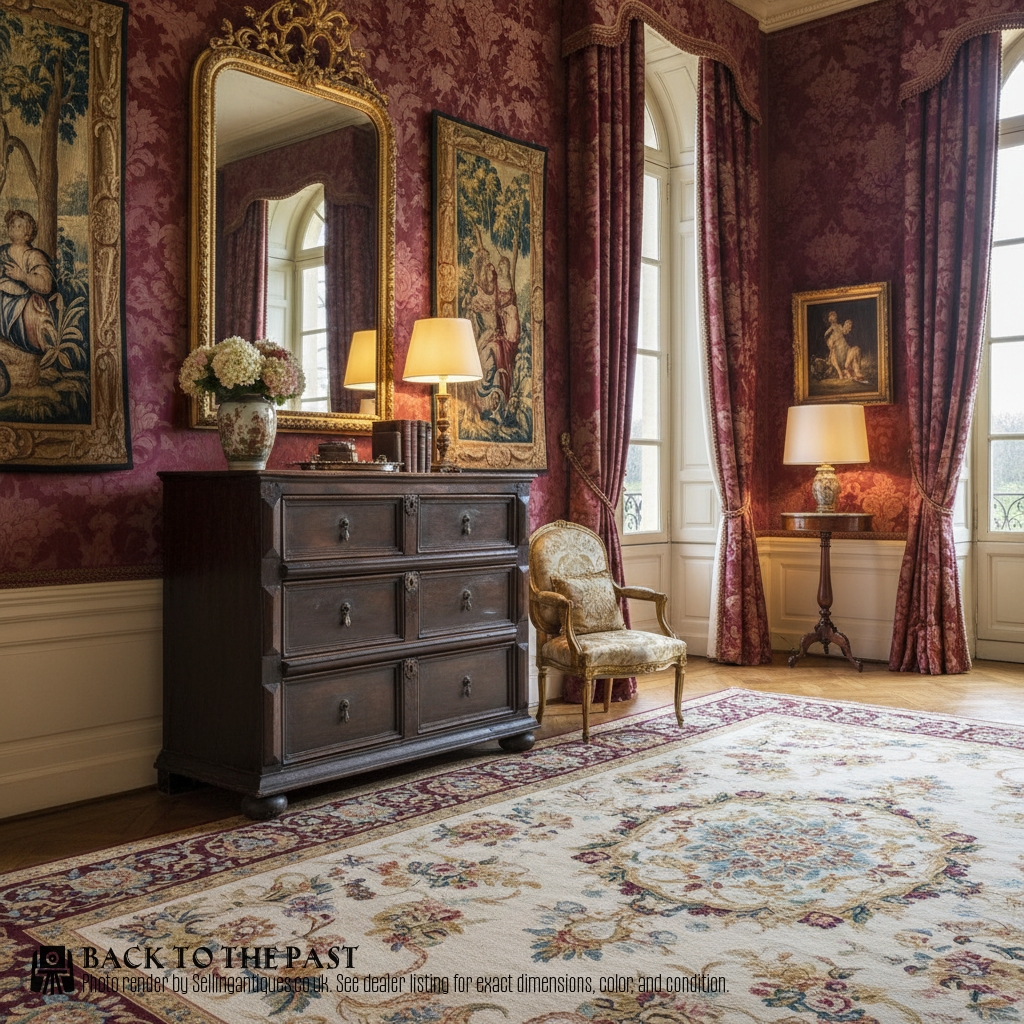
Brown Oak Coffer Chest
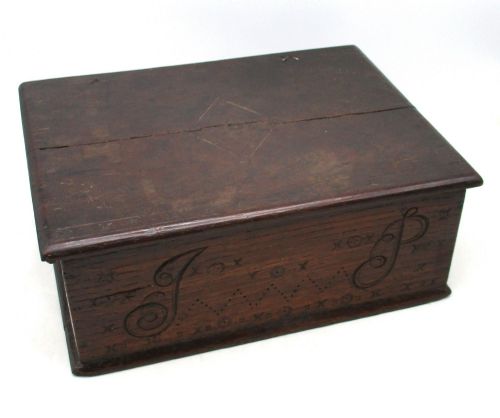
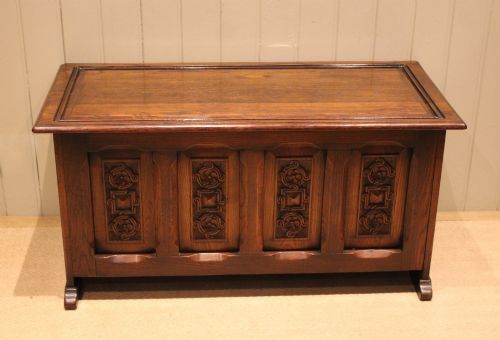
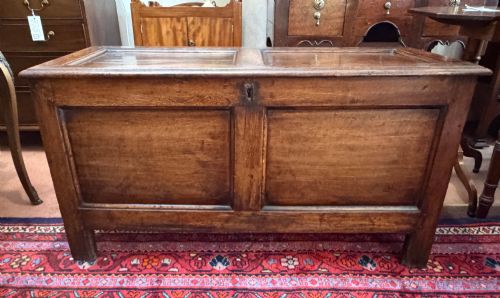
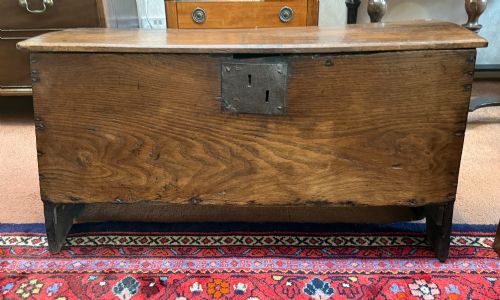
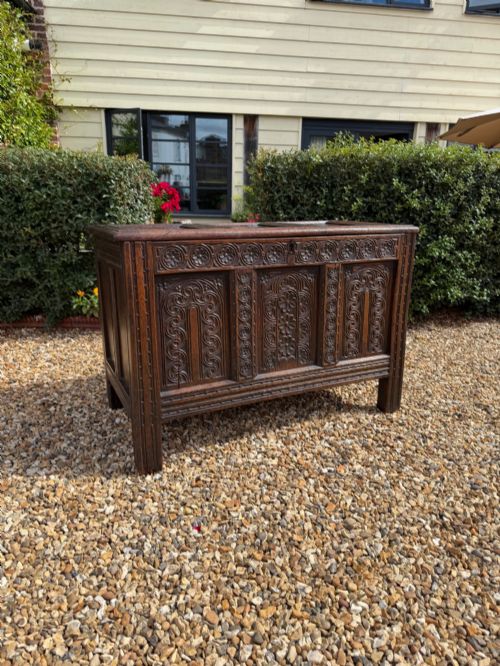
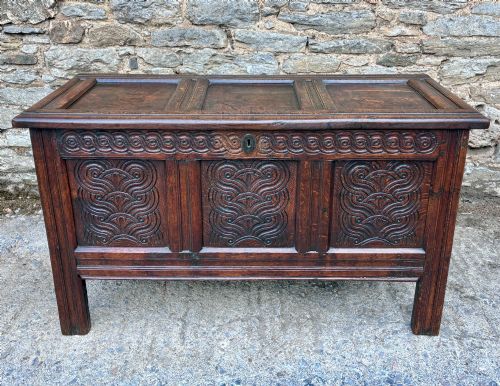
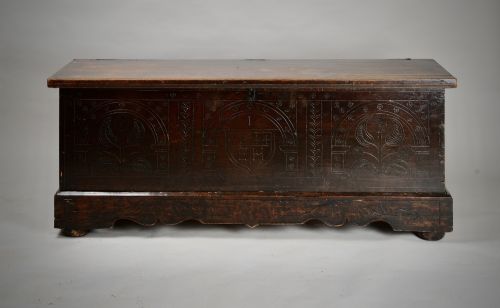
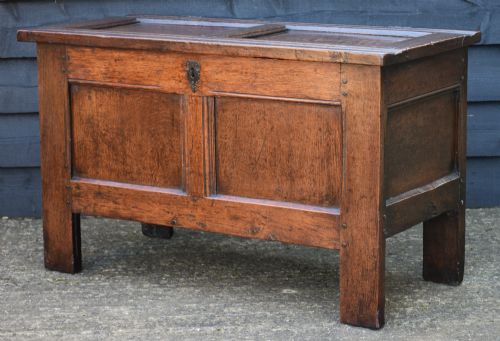
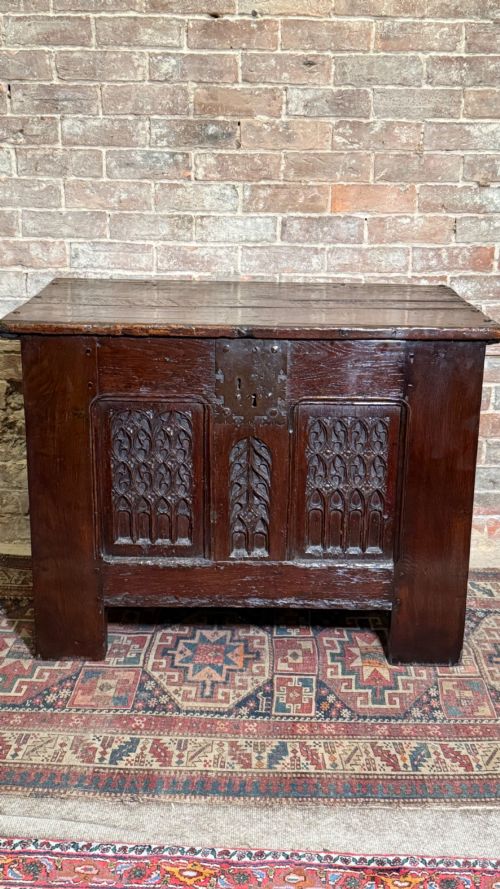
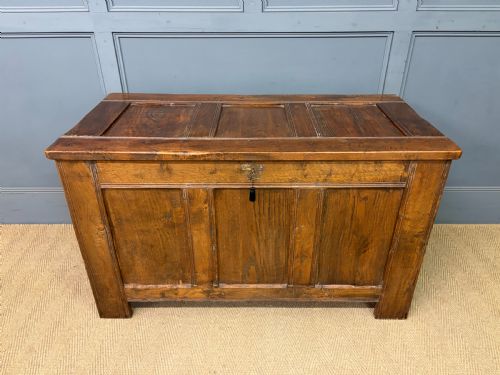
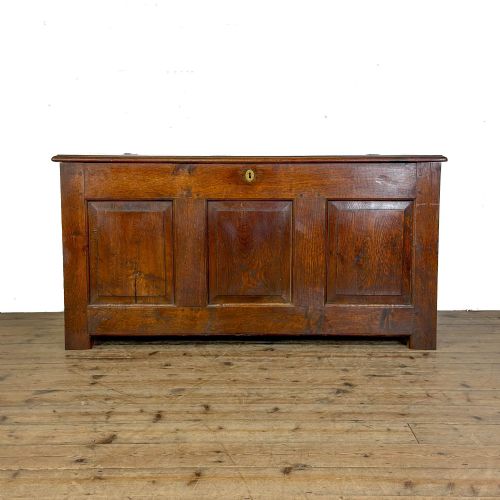
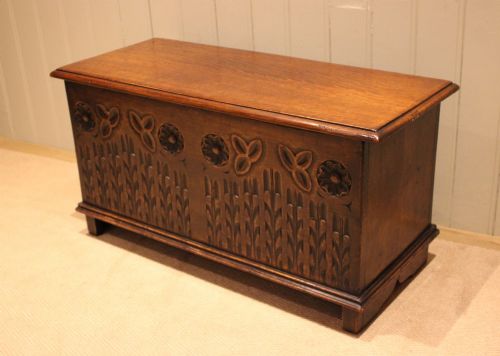
A brown oak coffer chest is a heavy storage piece built from sturdy timber, designed to hold household goods, textiles, and valuables. The pieces found here range from sixteenth-century medieval examples and seventeenth-century panelled boxes to eighteenth-century Georgian designs and later revivals.
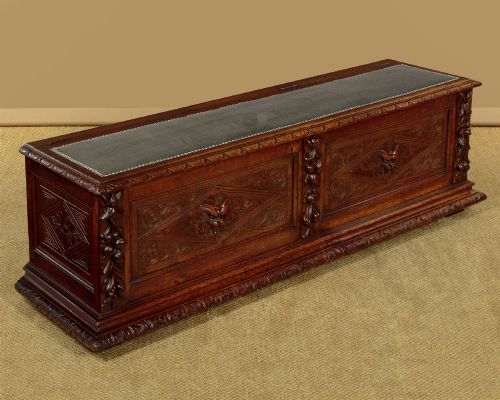
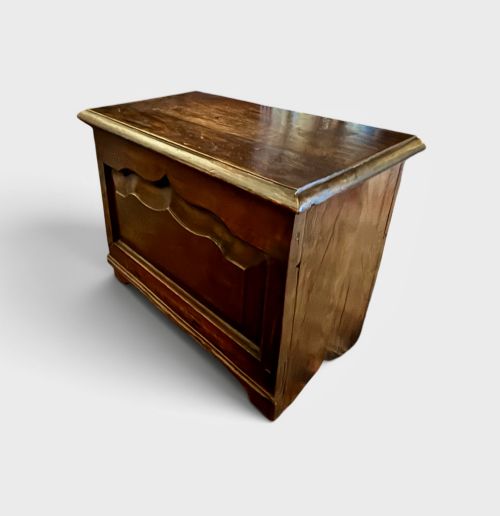
Buyers meet forms varying from small document boxes and sword chests to large ottomans, mule chests, and panelled coffers. Many originate from English workshops, alongside continental pieces showing Flemish or French provincial character.
The materials span solid oak, often paired with iron or brass hardware, and occasional walnut or mahogany crossbanding. Construction methods reflect the period, utilising heavy panels, framing, and timber joints built to endure.
Materials and construction methods
Makers built these pieces primarily from solid oak, selecting timber for its strength and rich grain. Metalwork in iron and brass provided hinges, lock plates, and corner braces.
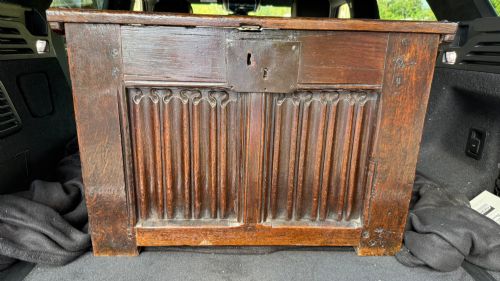
Joinery relied on traditional framing and panelling techniques, allowing the heavy wood to expand and contract naturally over centuries. Carving, fluting, and wood inlay added decorative detail to the front panels and friezes.
Some seventeenth-century examples double as close stools, reminding us that early storage chests had to multitask in cramped quarters.
Distinctions in quality
Quality rests on the depth of the timber's patina, the crispness of any hand carving, and the integrity of the original construction. Pieces with untouched surfaces and early joinery stand apart from later reproductions or heavily altered examples.
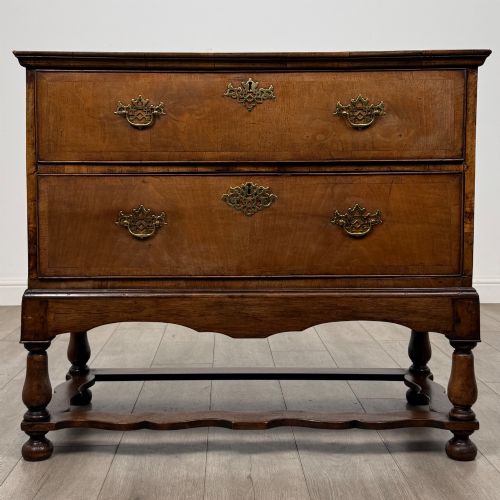
Proportion and scale also define the better pieces, whether dealing with diminutive seventeenth-century proportions or substantial Georgian mule chests fitted with drawers.
The Brown Oak Coffer Chest Glossary
- Coffer
- A large wooden chest used for storing valuables, textiles, or documents. These heavy boxes typically feature hinged lids and sturdy panelled construction.
- Mule chest
- A storage chest fitted with one or more drawers beneath the main compartment. This form bridges the traditional coffer and the modern chest of drawers.
- Panelling
- A method of framing thin wooden boards inside grooved stiles and rails. This construction prevents warping in large oak surfaces.
- Patina
- The deep surface sheen developed by wood through age, handling, and polishing. A rich patina indicates centuries of exposure and care.
- Crossbanding
- A decorative border of veneer laid perpendicular to the surrounding grain. This technique appears on later Georgian pieces to frame the drawer fronts.
Brown Oak Coffer Chest: Frequently Asked Questions
What was a coffer used for originally?
A coffer served primarily as a secure container for storing valuable household goods, church plate, documents, and garments. Because furniture was scarce and mobile, these heavy chests kept belongings safe and dry.
Over time, they adapted to domestic life as seating benches near fireplaces or at the foot of beds, combining practical storage with everyday utility.
How do I date an antique oak coffer?
Dating relies on observing construction techniques, tool marks, hinge types, and stylistic motifs. Early pieces from the sixteenth and seventeenth centuries show hand-riven timber, peg joinery, and simpler iron strap hinges.
Later pieces introduce machine-sawn boards, standardised screws, and refined decorative styles like Georgian crossbanding or Victorian revivals.
Are these chests suitable for modern living?
These sturdy chests fit easily into modern homes as practical storage for blankets, linens, or shoes. Their flat lids allow them to function as window seats, hallway benches, or coffee tables.
The deep timber tones and historic character bring warmth and texture to contemporary interiors without losing their utilitarian purpose.
What is the difference between a coffer and a chest?
While terms often overlap, a coffer traditionally denotes a more substantial, panelled storage box with a hinged lid, often associated with earlier medieval and seventeenth-century periods. A chest can encompass a broader range of forms, including drawer configurations.
Many listings use the terms interchangeably to describe heavy wooden storage boxes built across the centuries.