

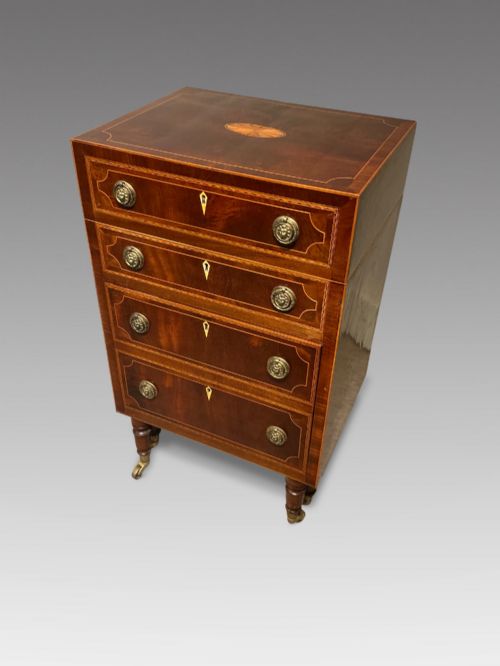
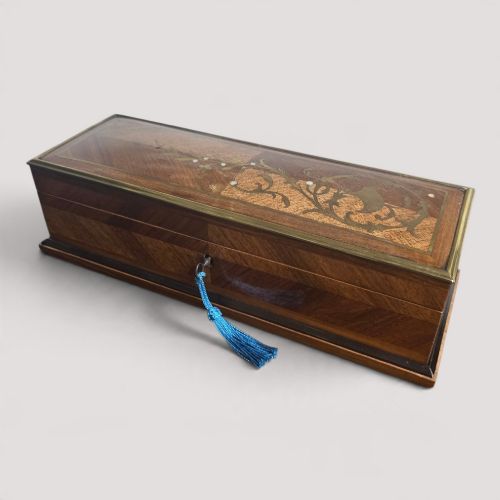
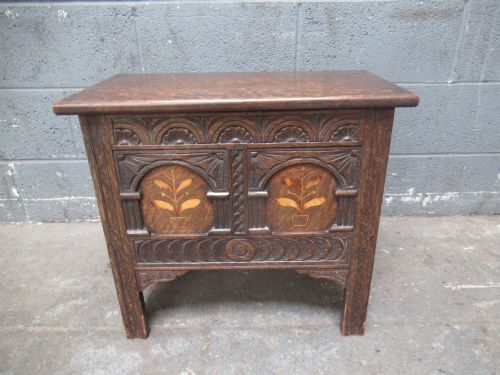
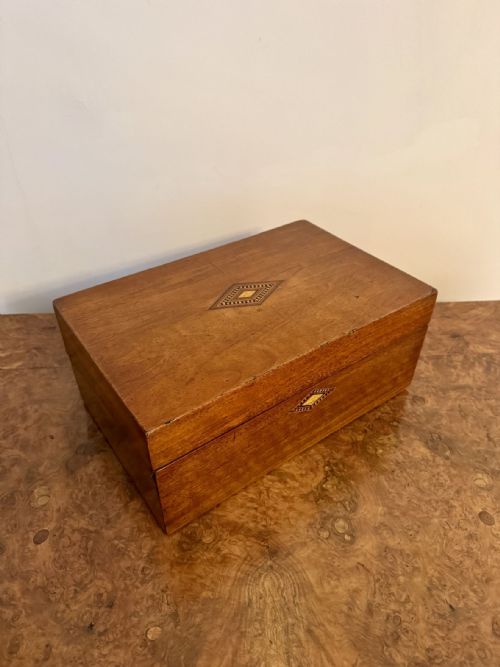

Brown Marquetry Box
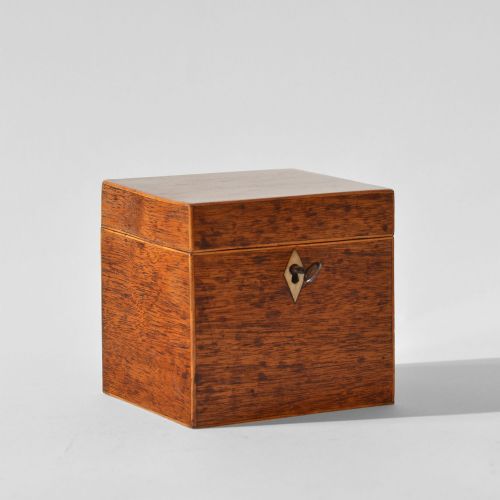
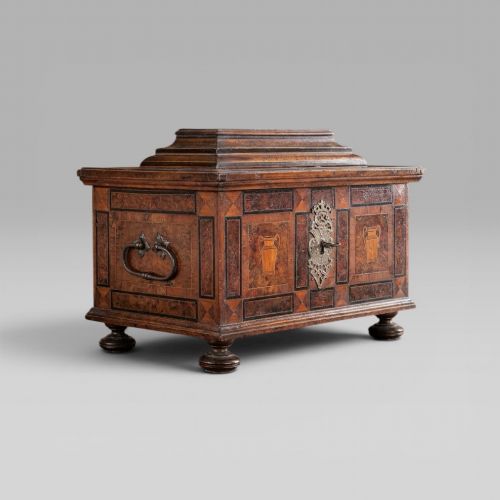
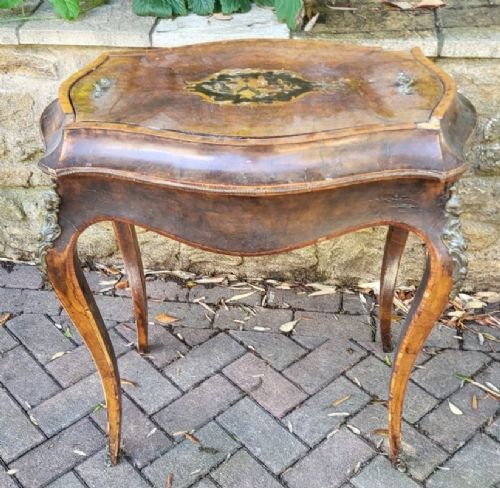
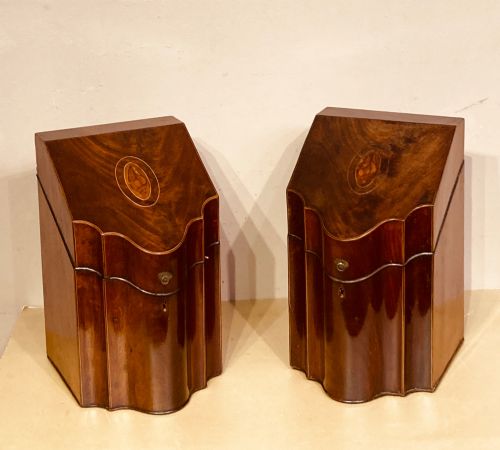
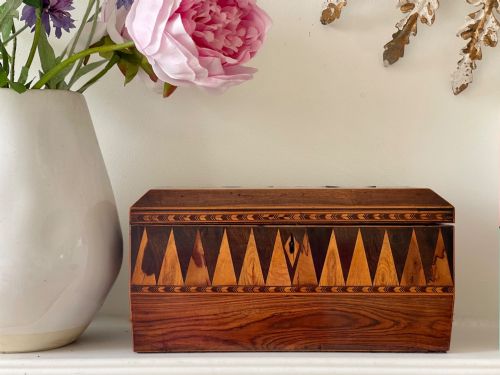
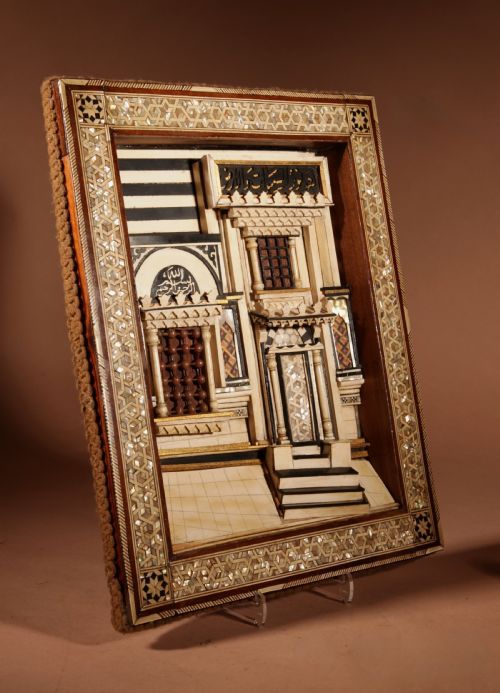
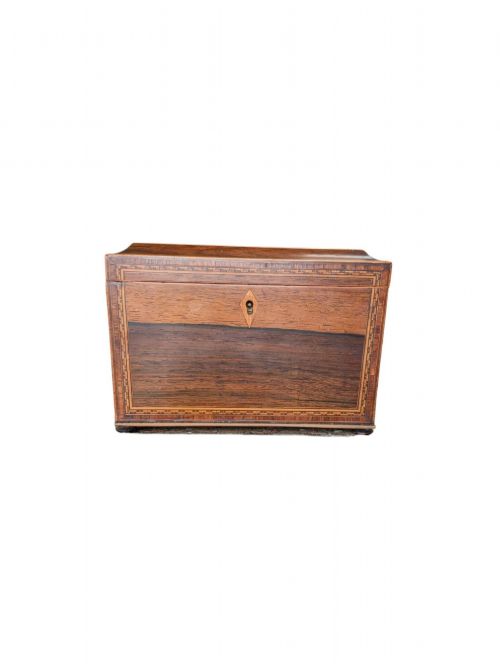
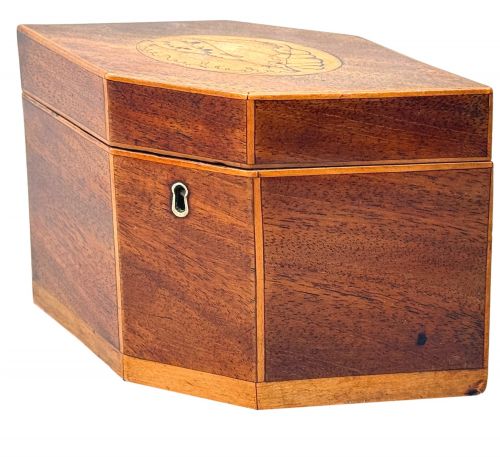
A brown marquetry box brings together varied timber tones and intricate inlaid designs to hold letters, tea, or trinkets.
Brown Marquetry Box
Tea caddies, decorative boxes, snuff boxes, and stationery boxes form the primary object types available in these listings. Walnut, mahogany, and rosewood frequently provide the foundation for these items.
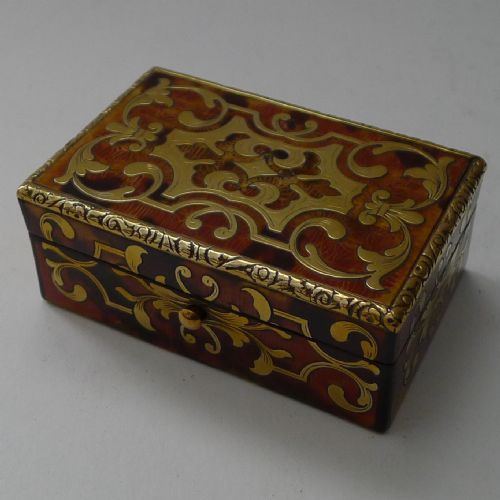
Makers and workshops across Britain and continental Europe produced these containers, employing distinct regional styles including Tunbridge ware and French Boulle work.
How they were made
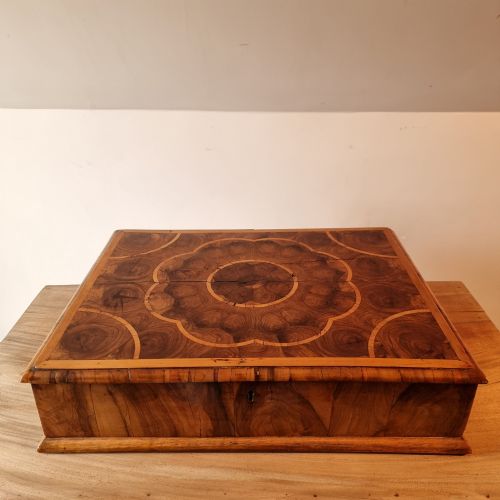
Craftsmen built the carcases from timbers such as mahogany, walnut, and satinwood, applying thin veneers of contrasting woods over the primary structure. Boxwood, harewood, and other specimen woods were cut and fitted precisely to form geometric or floral marquetry patterns.
Specialised techniques like Tunbridge inlay integrated thousands of tiny coloured wood blocks to construct pictorial mosaics on the lids and sides. Brass hardware, bone elements, and tortoiseshell details frequently complemented the timber construction.
Brown Marquetry Box Retail Price Guide 2026
Typical asking prices for brown marquetry box among the pieces listed under this phrase on Sellingantiques today, from the lower quarter to the upper quarter. They describe what is for sale here now, not the wider market.
Secret compartments hidden inside tea caddies ensured that household staff could not sample the valuable tea leaves.
What varies in quality
The precision of the inlay work and the choice of timber figure determine the standing of each piece, with tight joints and well-matched veneers marking superior output. Intricate pictorial scenes or complex geometric mosaics require greater skill than simple line banding.
The preservation of the fitted interior compartments, original keys, and historical hardware influences the integrity of the container. Finer examples retain their original polish and structural stability across centuries of use.
Henry Hollamby
The Brown Marquetry Box Glossary
- Marquetry
- Decorative veneer work arranged in geometric or pictorial patterns across a wooden surface. Craftsmen cut thin slices of various timbers and fitted them together like a puzzle.
- Tea caddy
- A box designed to store loose tea leaves securely. These containers often featured internal lids or compartments.
- Tunbridge ware
- A specific type of woodwork originating from Kent, featuring mosaics made from numerous tiny blocks of naturally coloured woods. These create detailed images of buildings, butterflies, or geometric bands.
- Harewood
- Sycamore wood treated to take on a soft greenish-brown tint. It appears frequently in Georgian and Sheraton inlaid pieces.
- Bijouterie
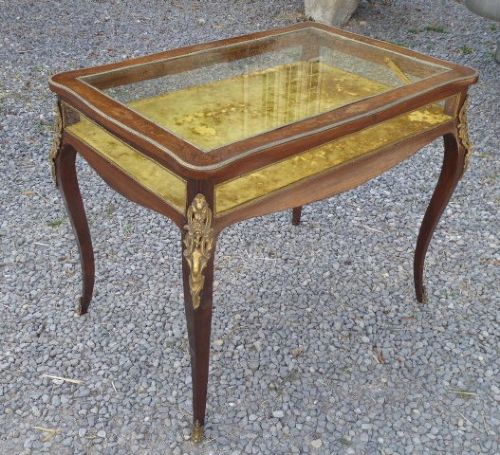
- A small glass-fronted or tabletop display case designed for holding trinkets and small valuables. These boxes often sit on slender legs or stands.
Brown Marquetry Box: Frequently Asked Questions
How do I care for a wooden inlay box?
Keep the wood away from direct sunlight and sudden temperature shifts to prevent the veneer from lifting. A light application of appropriate wax maintains the finish without harming the historic surface.
Avoid excess moisture when cleaning, using only a soft, dry cloth to remove dust from the intricate marquetry details.
Were these boxes used for tea?
Many of these containers served specifically as tea caddies to protect expensive tea leaves from dampness and theft. They often included internal compartments or canisters for different tea varieties.
Other boxes functioned as stationery holders, snuff containers, or general trinket repositories depending on their internal layout.
How can I tell a Georgian box from a Victorian one?
Georgian pieces often display restrained classical lines, utilising satinwood, harewood, and mahogany with subtle stringing or shell inlay. The proportions tend to follow strict neoclassical design principles.
Victorian examples frequently incorporate heavier woods like burr walnut, alongside elaborate Tunbridge mosaics or brass mounts reflecting changing nineteenth-century tastes.
What is Tunbridge ware?
Tunbridge ware refers to wooden items decorated with mosaic patterns assembled from thousands of tiny tinted wood squares. Craftsmen arranged these blocks to form detailed architectural scenes or floral motifs.
This technique reached high popularity during the nineteenth century in the spa town of Tunbridge Wells.