


Antique Miniature Cupboard
An antique miniature cupboard brings the craftsmanship of full-sized furniture into a small scale, offering practical tabletop storage and historic character.
Antique Miniature Cupboard
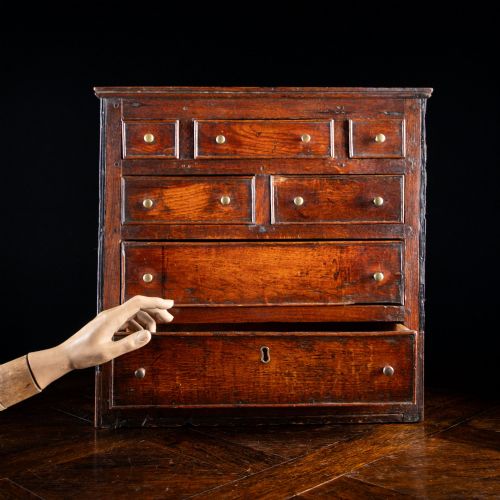
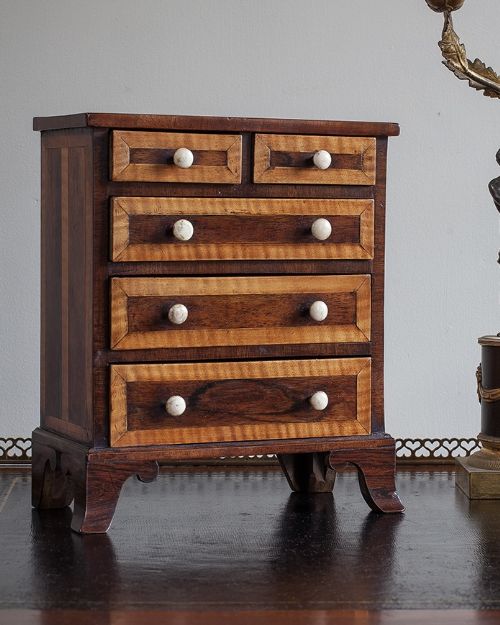
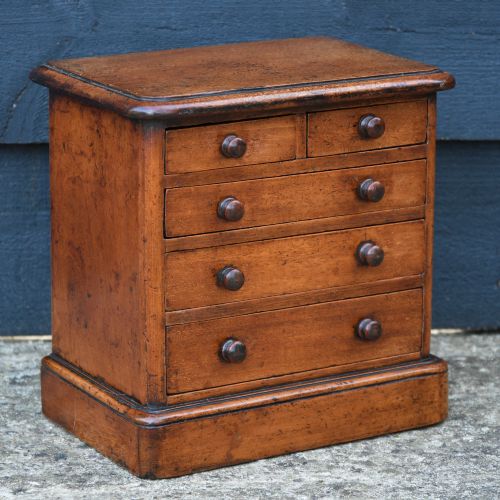
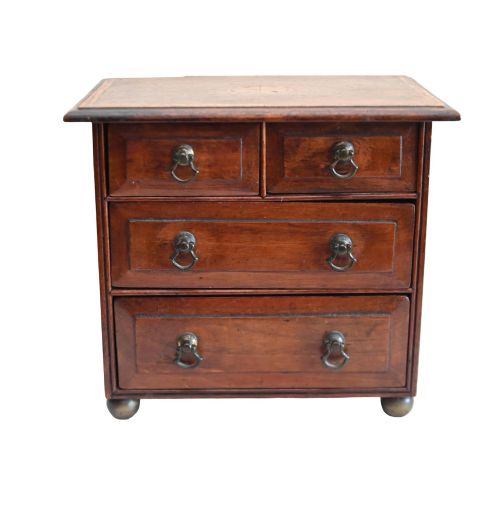
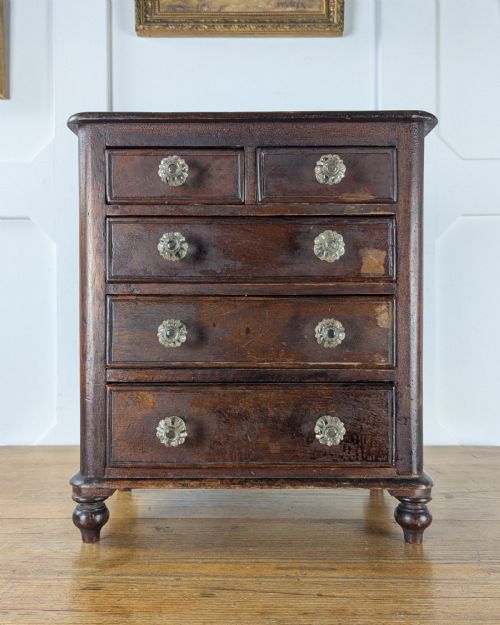
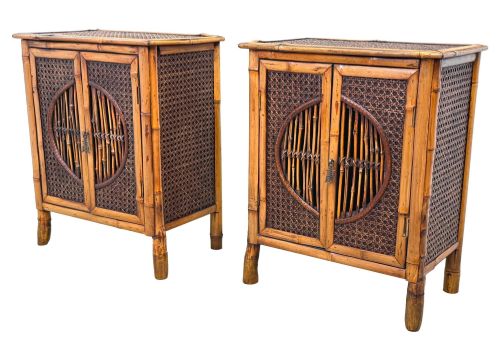
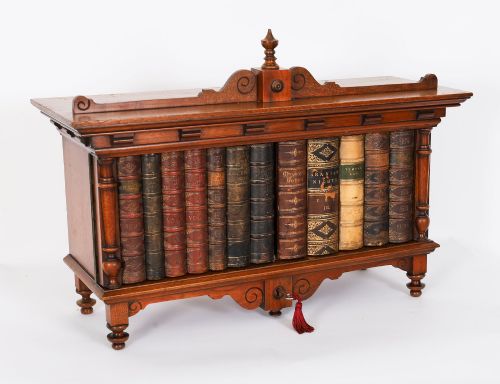
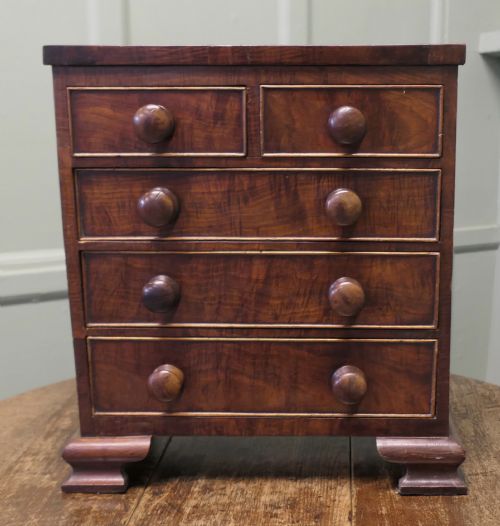
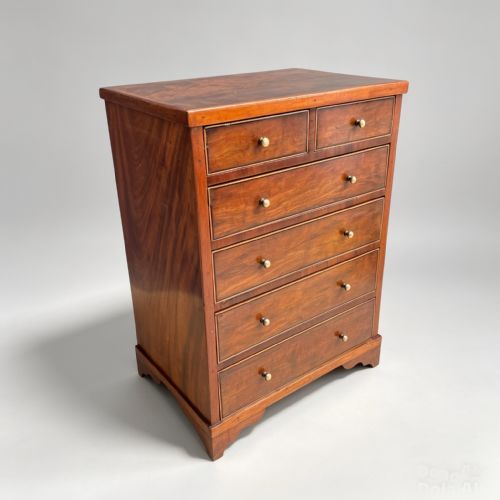
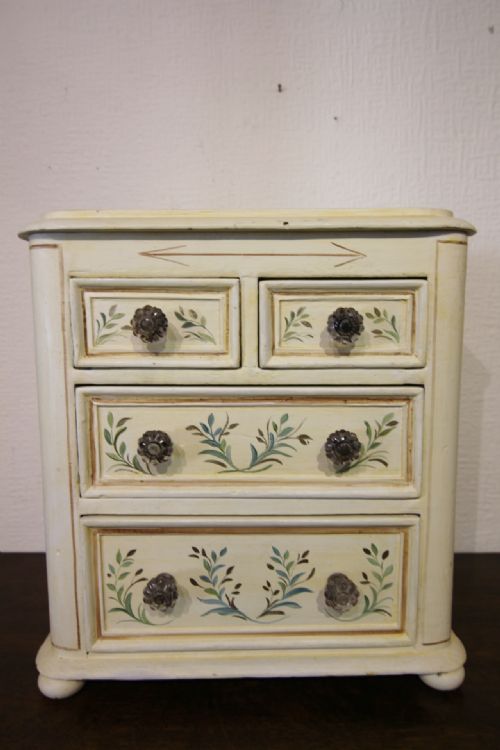
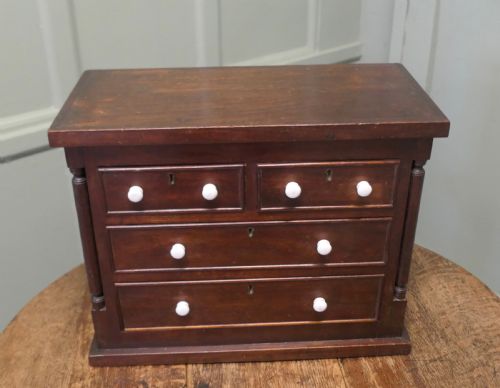
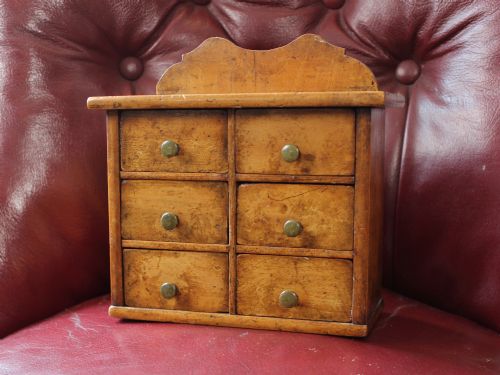
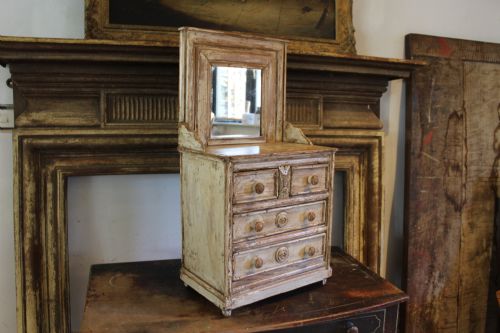
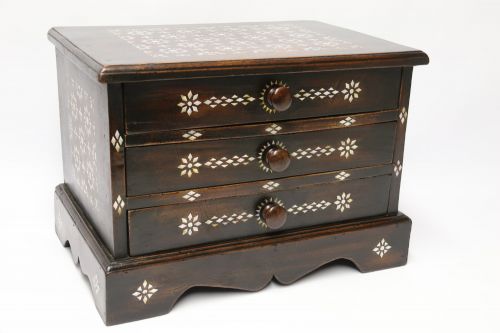
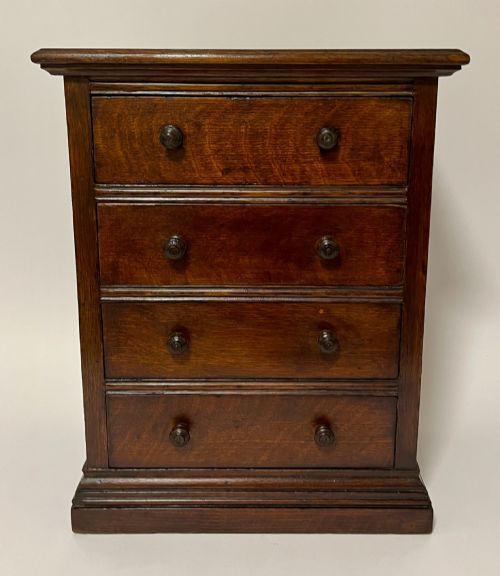
When you search for an antique miniature cupboard, you encounter a variety of small-scale storage forms spanning several centuries. These pieces include table cabinets, spice drawers, apprentice chests, and collectors cabinets designed to sit upon surfaces.
The selection ranges from Georgian oak spice cabinets and Victorian mahogany drawer units to Edwardian oak cupboards and French tramp art buffets. Regional styles also appear, including Scottish apprentice chests and Anglo-Indian hardwood collectors chests.
Makers utilised these smaller formats to demonstrate skill, display specimens, or store precious items. The forms replicate domestic furniture of their respective eras, scaled down for tabletop or cabinet use.
Materials and construction
Cabinet makers constructed these small pieces using timbers typical of their periods, prominently featuring mahogany, oak, walnut, and fruitwood. Inlays, painted surfaces, and burr veneers frequently enhance the exterior grain and appearance.
Hardware details include brass handles, engraved fittings, and locks with keys, which secure small compartments or secret drawers. Joinery methods mirror full-sized furniture production of the 18th and 19th centuries, adapted for miniature dimensions.
Antique Miniature Cupboard Retail Price Guide 2026
Typical asking prices for miniature cupboard among the pieces listed under this phrase on Sellingantiques today, from the lower quarter to the upper quarter. They describe what is for sale here now, not the wider market.
Several miniature chests include secret drawers designed to conceal hidden correspondence.
Assessing quality and finish
Quality rests in the precision of the joinery and the selection of timber, such as figured mahogany or burr walnut veneers. Superior examples display careful attention to internal drawer construction and matching grain patterns.
Decorative elements distinguish finer pieces, from detailed carvings and marquetry to specialised hardware like engraved brass. Pieces retaining original finishes and working locks command greater interest from collectors.
The Antique Miniature Cupboard Glossary
- Apprentice piece
- A small item of furniture created by a craftsman to demonstrate skill for trade qualification. These often take the form of miniature chests of drawers.
- Collectors cabinet
- A specialised tabletop piece fitted with multiple small drawers or specimen cases. They were utilised for storing coins, shells, or other small items.
- Spice cabinet
- A small wooden wall or tabletop cupboard containing internal drawers for culinary ingredients. Eighteenth-century examples frequently feature solid oak construction.
- Marquetry
- The art of applying pieces of veneer to a structure to form decorative patterns. Dutch examples often display floral designs in contrasting woods.
- Table cabinet
- A portable storage unit designed to rest on a desk or table surface. They include vernacular folk art pieces as well as formal Georgian and Victorian designs.
Antique Miniature Cupboard: Frequently Asked Questions
What were miniature cupboards used for?
These small cabinets served practical storage roles for valuable items, documents, spices, or natural history specimens. Many functioned as desktop organizers or personal storage units in domestic settings.
Craftsmen also produced them as demonstration pieces to prove proficiency in cabinetmaking techniques. Their portability allowed them to sit easily on tables, chests, or desks.
How do I date a miniature cupboard?
Dating relies on identifying the timber species, construction methods, and stylistic cues associated with specific periods. Georgian and Victorian examples display hardware and proportions typical of those eras.
Secondary woods inside drawers and the style of dovetail joints provide further clues to the manufacturing decade. Comparing the piece to full-sized furniture of the same style helps confirm the age.
Are apprentice pieces genuine antiques?
Genuine apprentice pieces date from the eighteenth and nineteenth centuries when tradesmen built miniature furniture to master their craft. They exhibit the same traditional construction techniques as larger furniture.
Collectors prize authentic period examples for their historic craftsmanship and charm. Careful inspection of the timber ageing and joinery helps distinguish genuine period pieces from later reproductions.
Where should I place a table cabinet?
Table cabinets suit placement on sturdy sideboards, desks, or chest tops where their detail can be appreciated at eye level. Their compact footprint makes them versatile for adding historic character to smaller rooms.
Interior placement should avoid direct sunlight and rapid temperature changes to protect antique wood and veneer. Using them to store small collections continues their original purpose.