

19th Century Wood Box
When choosing a 19th century wood box, you select from a rich variety of portable containers crafted for correspondence, travel, and safekeeping.
19th Century Wood Box
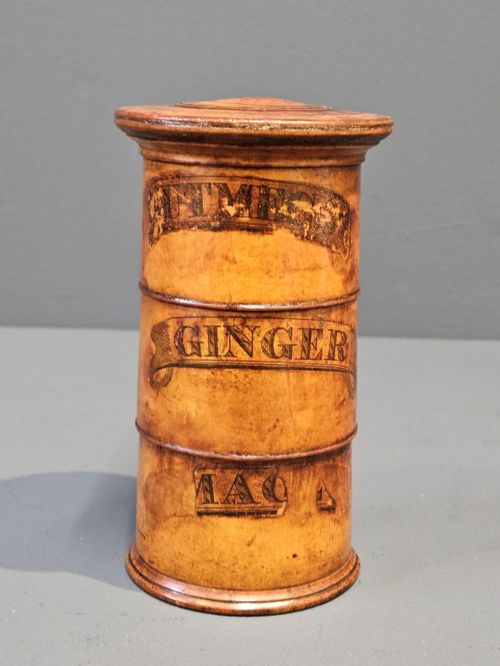
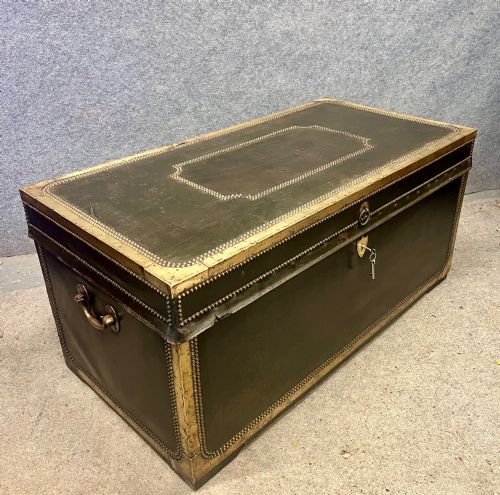
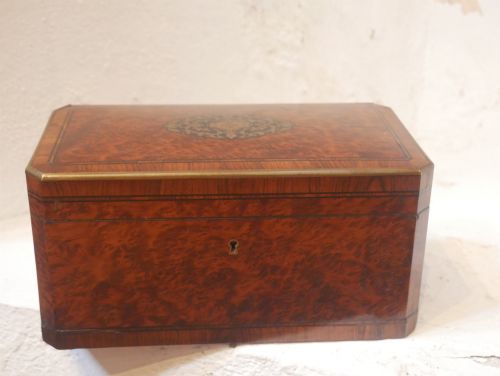
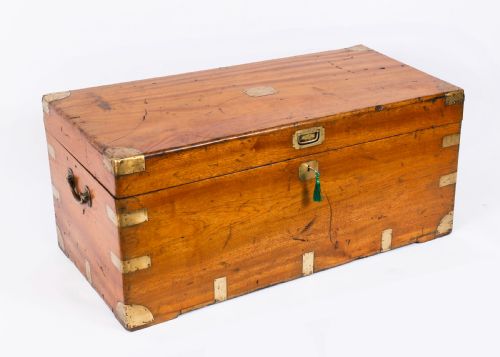
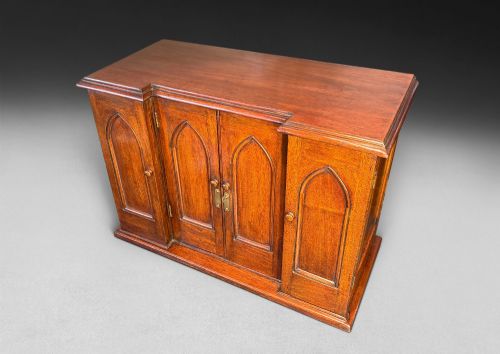
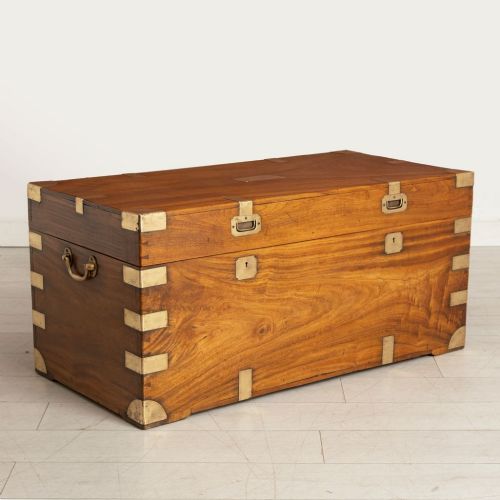
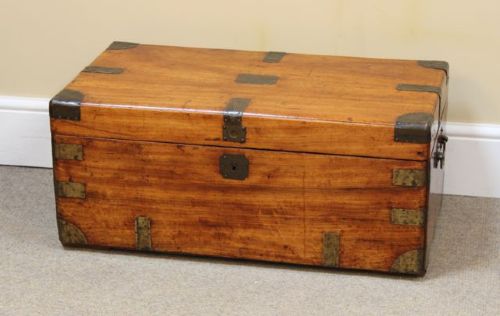
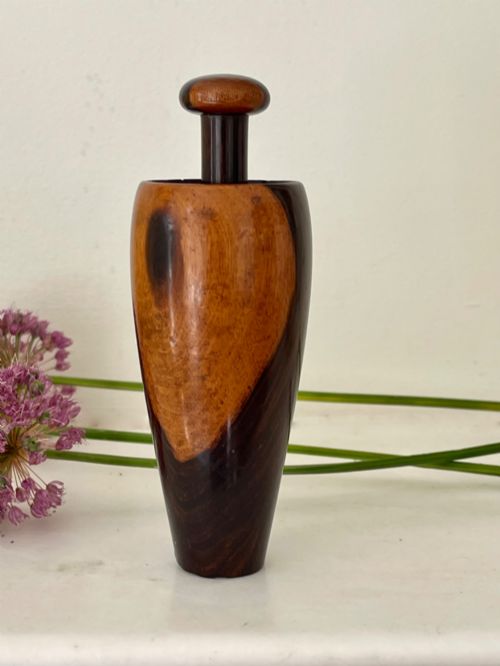
A 19th century wood box encompasses diverse utility forms ranging from utilitarian campaign trunks and sea chests in camphor wood or teak to intricate rosewood and coromandel writing boxes, jewellery caskets, and small treen snuff containers.
The objects span periods from the Georgian and Regency eras through the Victorian age, reflecting shifting domestic and travel habits of the epoch.
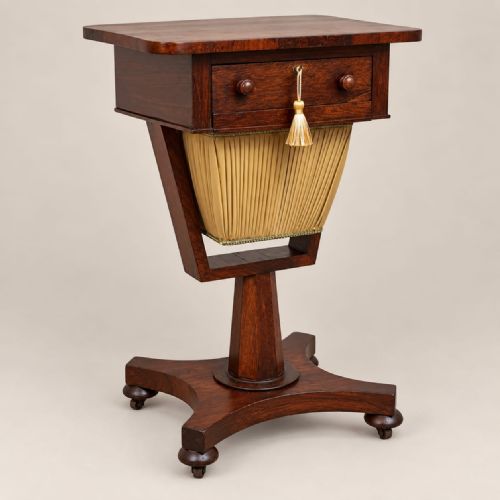
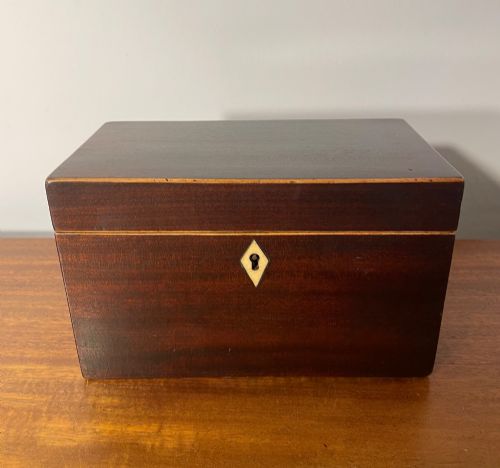
Buyers frequently encounter campaign chests banded in brass alongside decorative work tables, tea caddies, and specimen wood boxes displaying varied timbers from global trade routes.
Materials and Techniques
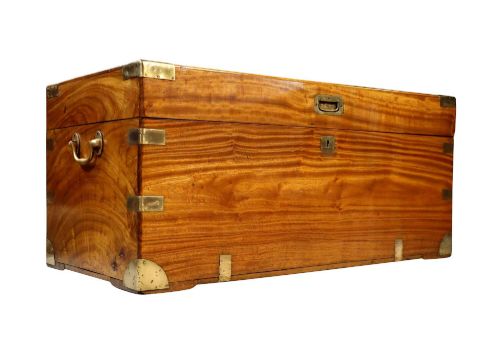
Cabinetmakers utilised dense exotic hardwoods such as mahogany, rosewood, coromandel, and camphor wood, often reinforced with brass corners, straps, and flush carrying handles to withstand long journeys.
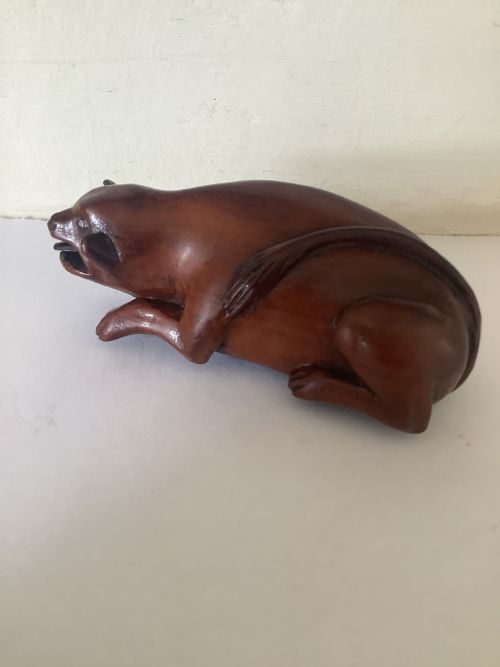
Surface decoration involved meticulous techniques including Tunbridge ware marquetry, tortoiseshell veneering, mother-of-pearl inlay, and folk art carving.
Construction relied on dovetail joints for structural integrity in larger trunks, while smaller boxes integrated fitted internal compartments for stationery, apothecary bottles, or sewing implements.
Determinants of Quality
Quality rests on the selection of timber grain, the precision of marquetry or brass inlay, and the integrity of internal fittings such as secret drawers and original velvet linings.
Superior examples exhibit harmonious proportions, seamless joins, and maker signatures from established workshops, whereas lesser pieces show simpler construction and utilitarian finishes.
The retention of original locking mechanisms, keys, and specialised compartments elevates an item above standard functional storage.
Tahan Paris·Edmund Nye·Ralph Turnbull·Edwards of London
The 19th Century Wood Box Glossary
- Campaign trunk
- A robust chest designed for military officers to transport belongings on campaign, typically featuring brass bindings and recessed handles.
- Tunbridge ware
- A form of decorative woodwork produced in Kent featuring intricate mosaic patterns assembled from thousands of tiny tinted wood blocks.
- Marquetry
- The art of applying thin pieces of wood veneer to a structure to form decorative patterns and pictorial designs.
- Teapoy
- A small pedestal table fitted with a lidded box on top, historically used for storing and serving tea.
19th Century Wood Box: Frequently Asked Questions
What were writing boxes used for?
Writing boxes provided a portable desk surface and organised storage for stationery, inkwells, and correspondence during the nineteenth century.
Travellers and homeowners utilised the slanted folding lids to write letters securely away from standard upright desks.
Why use camphor wood for trunks?
Camphor wood naturally repels insects and dampness, making it the preferred timber for sea chests and military trunks on long voyages.
The aromatic quality protected woollens and uniforms inside tropical climates.
How do I identify a campaign box?
Campaign boxes feature external brass corners, strapwork, and flush inset handles designed to prevent snagging during transport.
They are constructed from durable timbers like teak, mahogany, or camphor wood to endure rough handling by troops and merchants.
What is Tunbridge ware?
Tunbridge ware is a specialised form of mosaic woodwork created by gluing together multiple coloured wood strips before slicing them into geometric pictures.
These tiny pictorial tiles were then applied as decorative veneers to jewellery caskets and stationery boxes.