


Brown Cocktail Cabinet
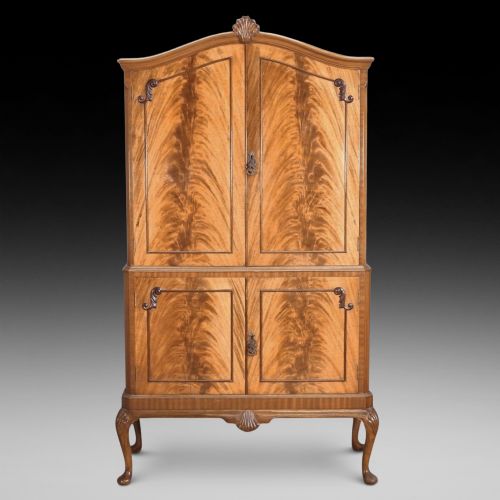
A brown cocktail cabinet brings home the sophisticated entertaining spirit of the early twentieth century, offering a dedicated home for glassware and bottles.
Brown Cocktail Cabinet
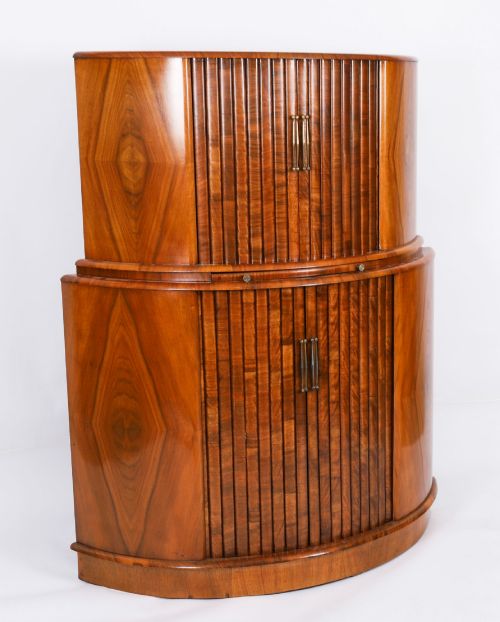
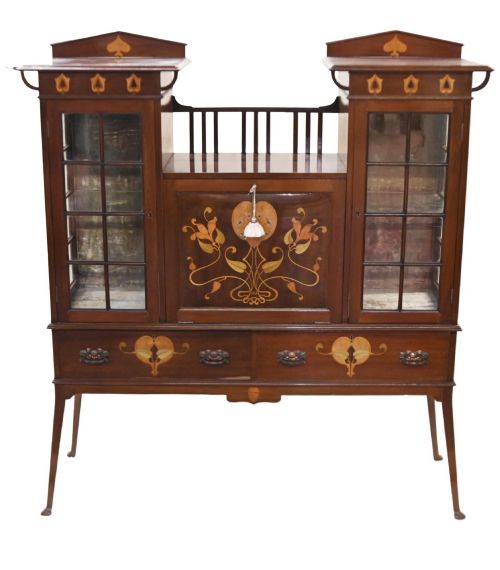
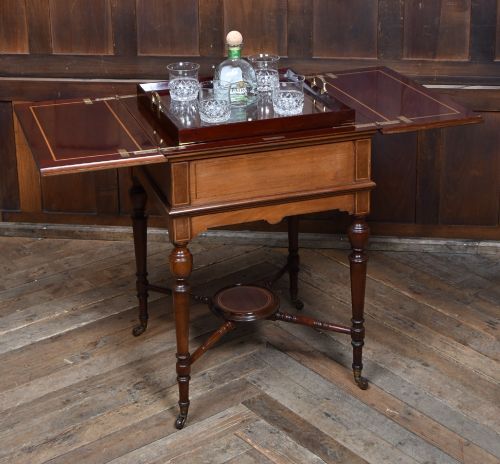
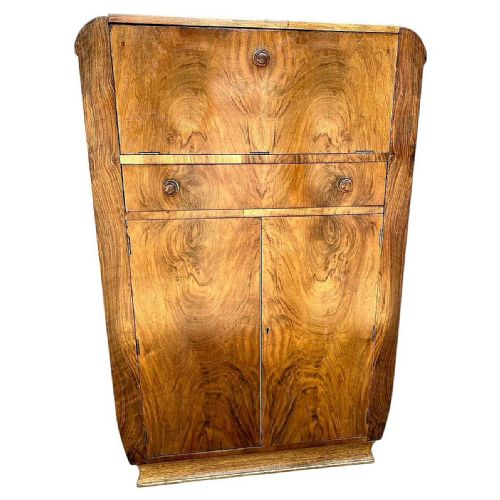
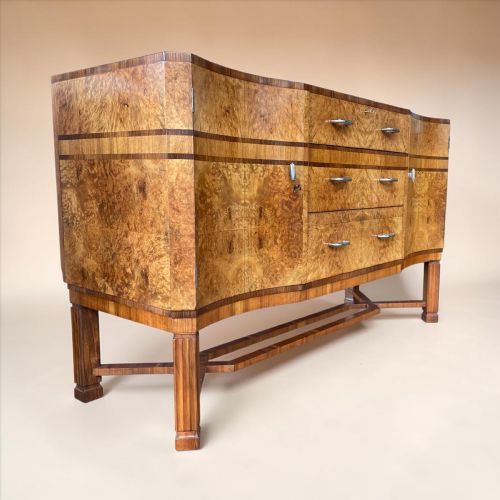
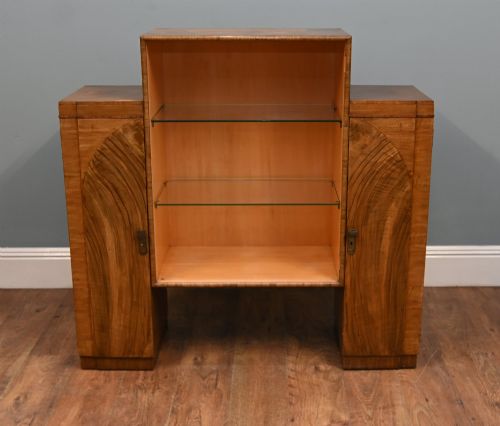
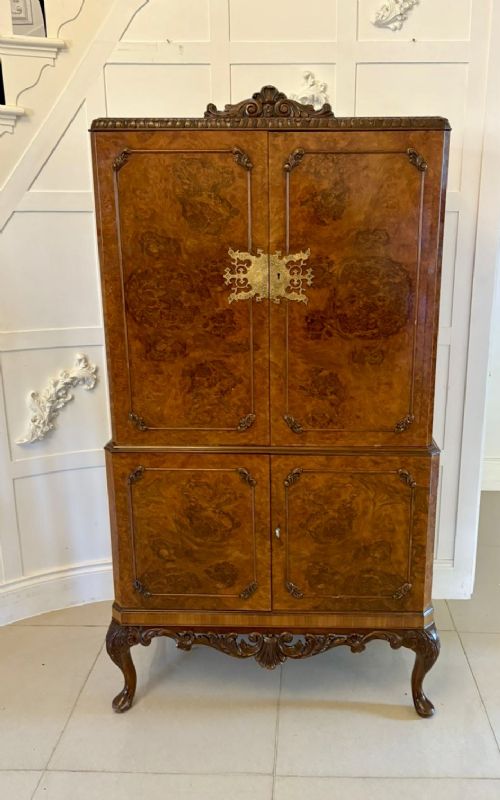
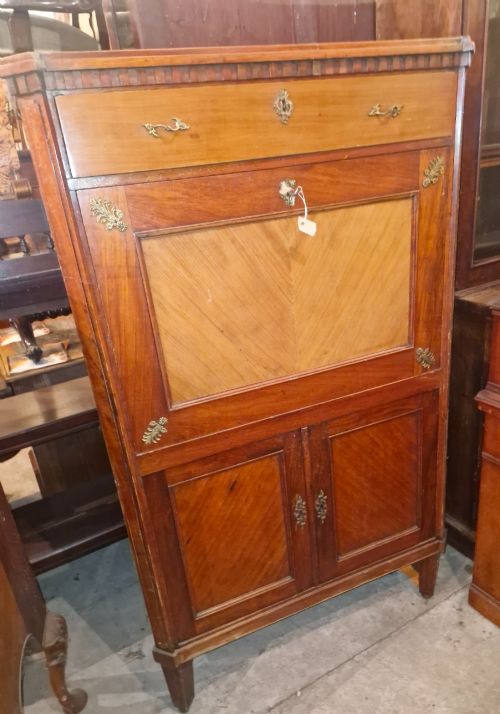
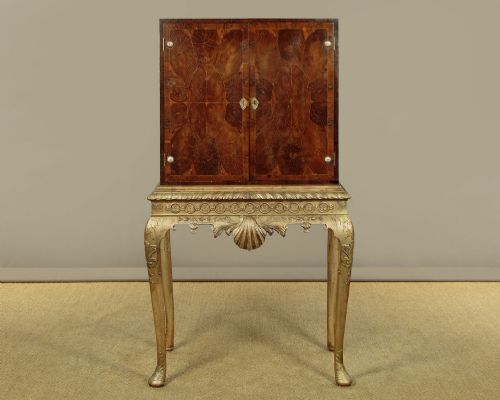
A brown cocktail cabinet is a purposeful piece of furniture designed for storing and serving drinks, most frequently encountered here in striking burr walnut or mahogany from the Art Deco period and the 1930s. These pieces range from upright cabinets on stands to sideboards and revolving dry bars, reflecting the era's enthusiasm for home entertaining.
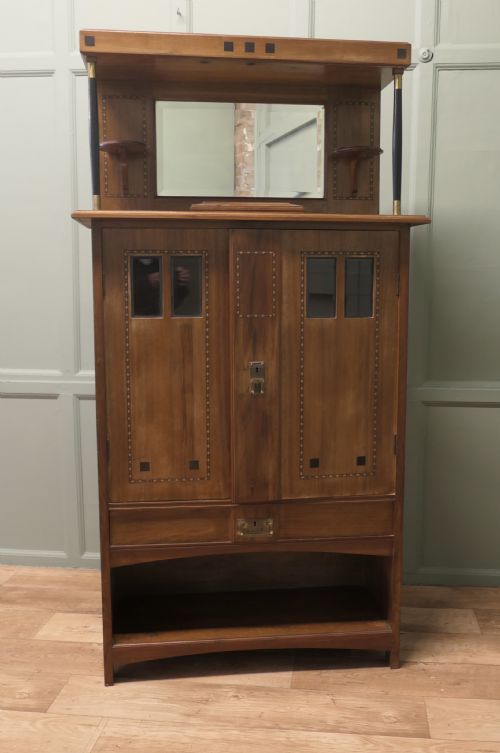
While the selection includes Victorian and Edwardian examples in mahogany, the vast majority originate from the 1920s and 1930s. Buyers searching for a brown cocktail cabinet will find that Art Deco designs dominate the selection, often pairing rich walnut veneers with clever internal fittings.
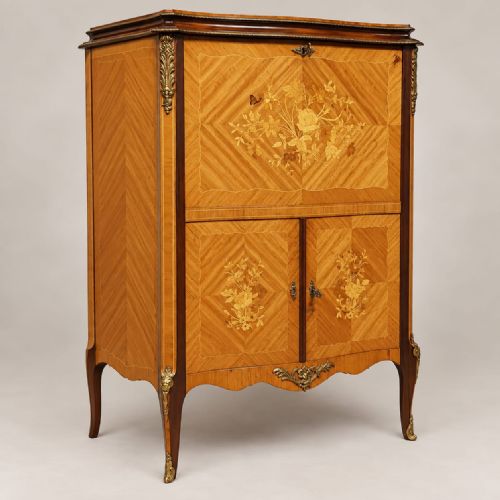
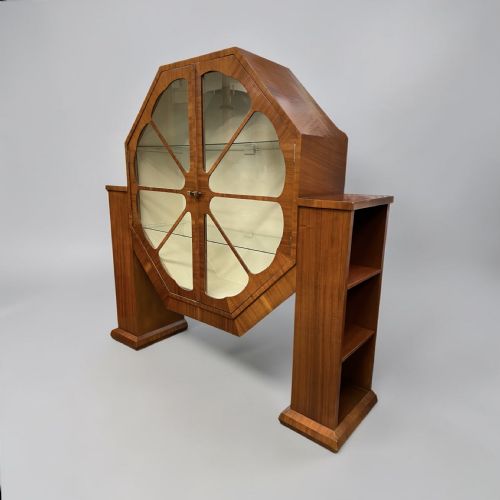
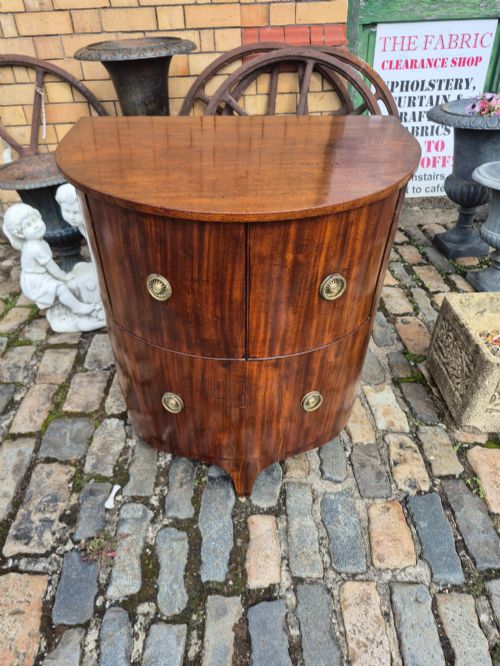
The form adapts to various spaces, appearing as compact corner cabinets, double bow front chests, and elaborate display units. Each variant provides specialised storage for glassware, bottles, and mixing accessories behind lockable doors.
How they were made
Cabinet makers utilised figured timbers, most notably burr walnut and mahogany, applying them as veneers over solid secondary woods to create dramatic grain patterns across the front doors and surfaces. Glass panels, mirrors, and brass or chrome hardware were integrated to add functional elegance and reflect internal lighting.
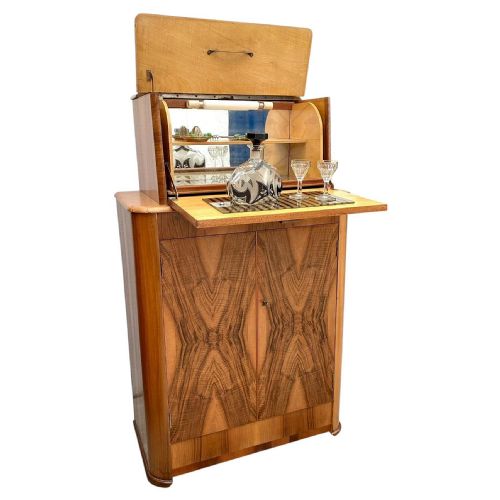
Interior fittings involved meticulous joinery, incorporating pull-out slides for mixing drinks, specialised bottle racks, and mirrored backs. Stands and bases ranged from simple bracket feet to silver gilt frames and dedicated cabinetry legs.
Brown Cocktail Cabinet Retail Price Guide 2026
Typical asking prices for brown cocktail cabinet among the pieces listed under this phrase on Sellingantiques today, from the lower quarter to the upper quarter. They describe what is for sale here now, not the wider market.
Materials recorded across the inventory include burr walnut, mahogany, brass, chrome, glass, and mirror.
What varies in quality
The distinction between standard production and exceptional work lies in the selection of veneers and the complexity of internal engineering. Superior pieces feature matched burr walnut grain that flows seamlessly across multiple doors, alongside sophisticated pull-out trays and integrated lighting.
Hille·Harry and Lou Epstein·Hamptons of Pall Mall London·Waring and Gillow
The Brown Cocktail Cabinet Glossary
- Burr walnut
- A specialised timber cut from the wart-like growths on walnut trees, prized for its swirling, highly figured grain patterns. It forms the primary decorative surface on many period drinks cabinets.
- Art Deco
- A design style spanning the 1920s and 1930s characterised by sleek geometric shapes, streamlined forms, and modern materials. This aesthetic defines the majority of the cocktail cabinets listed here.
- Veneer
- A thin slice of ornamental wood applied to a sturdier underlying structure to create patterned surfaces without warping. Cabinet makers utilised walnut veneer to achieve symmetrical grain effects on doors.
- Secretaire
- A cabinet featuring a pull-out writing drawer or drop-front desk surface. In drinks furniture, this mechanism often provides a convenient preparation shelf for mixing beverages.
- Metamorphic
- Furniture designed to transform or reveal hidden compartments through mechanical movement. These clever designs allow tables or cabinets to expand or alter function for entertaining.
Brown Cocktail Cabinet: Frequently Asked Questions
How do I date a burr walnut cocktail cabinet?
Dating relies heavily on style, hardware, and construction methods. Pieces from the 1930s usually display bold Art Deco geometric lines, waterfall edges, and chrome or brass fittings.
Earlier examples from the Edwardian period or 1920s tend to lean towards traditional revival styles with bracket feet and more subdued mahogany or walnut timber surfaces.
Where should I place a cocktail cabinet in my home?
These cabinets serve as natural focal points in living rooms, dining spaces, or home bars where entertaining takes place. Their finished backs and detailed fronts allow many freestanding models to anchor a room effectively.
Consider proximity to natural light to highlight the figured burr walnut grain, while avoiding direct sunlight that could fade the timber over time.
What interior features should I look for inside?
Look for mirrored backs, pull-out glass shelves, and dedicated racks designed to secure bottles and stemware safely. Many period cabinets also include lemon squeezes, stirrers, and internal lighting.
Original mirrored surfaces and intact glass trays add considerable authenticity to the piece when evaluating its historical completeness.