

Brown Circular Dining Table
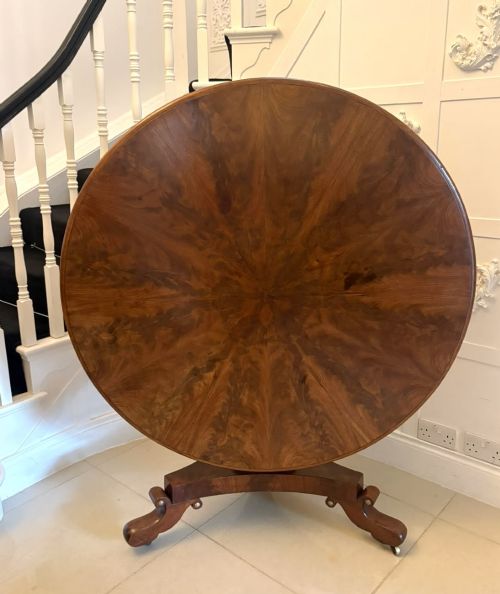
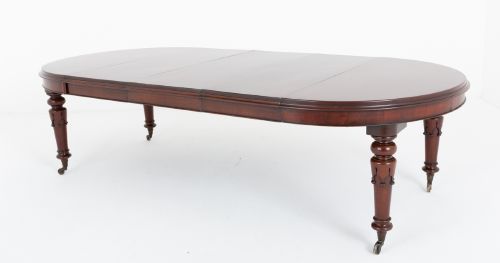
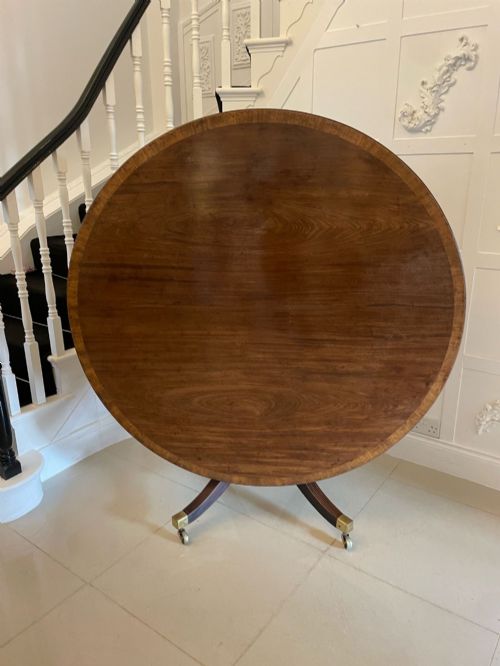
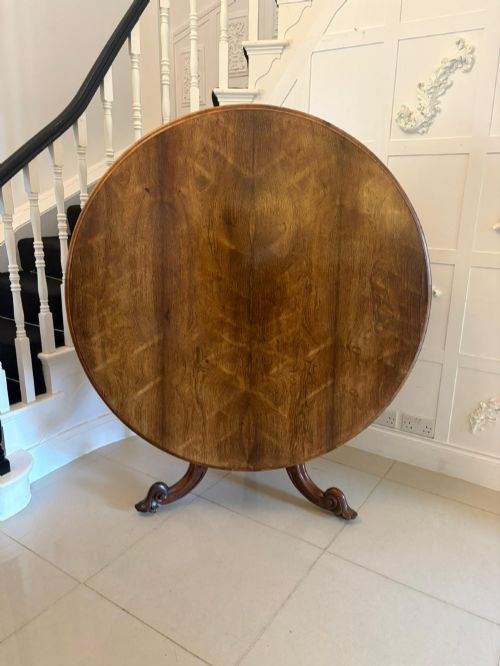
A brown circular dining table brings people together naturally, offering graceful timber grain and balanced proportions across Georgian, Regency and Victorian periods.
Brown Circular Dining Table
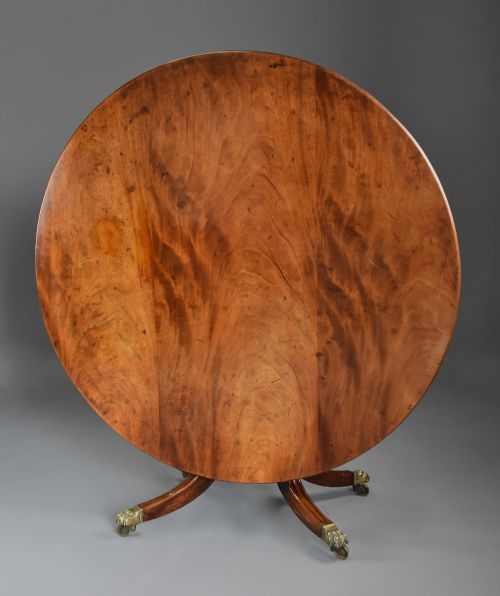
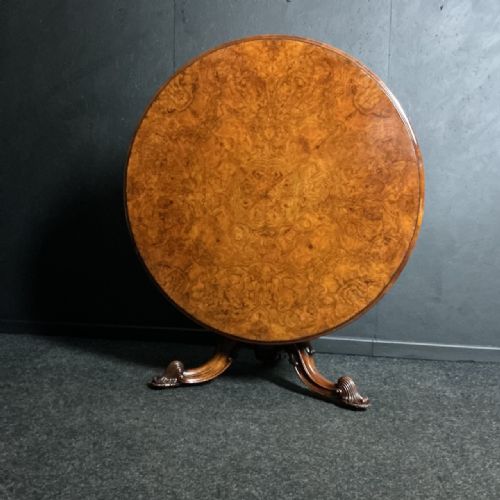
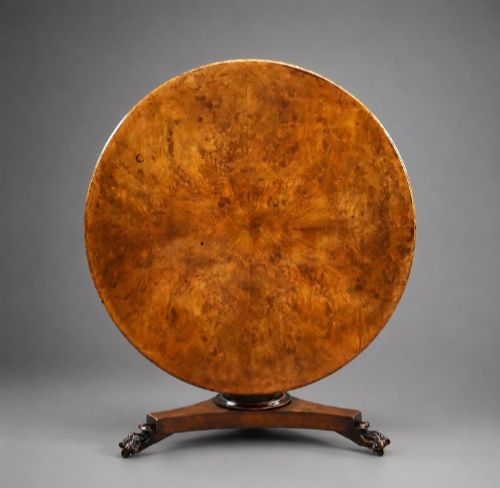
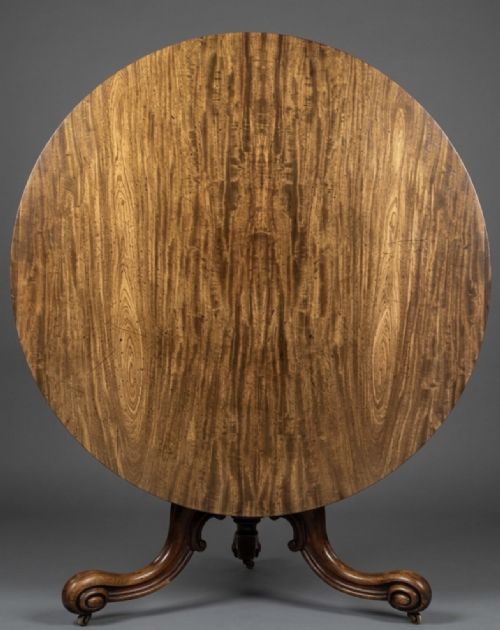
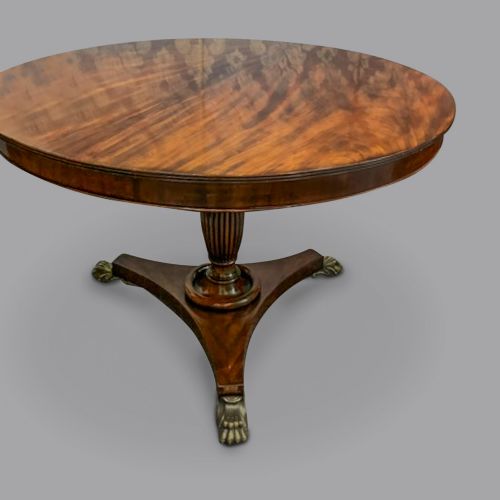
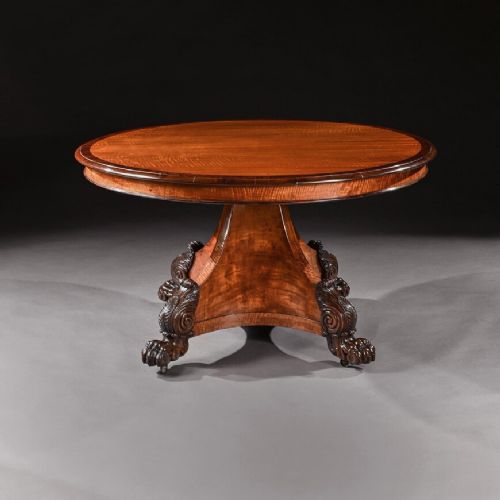
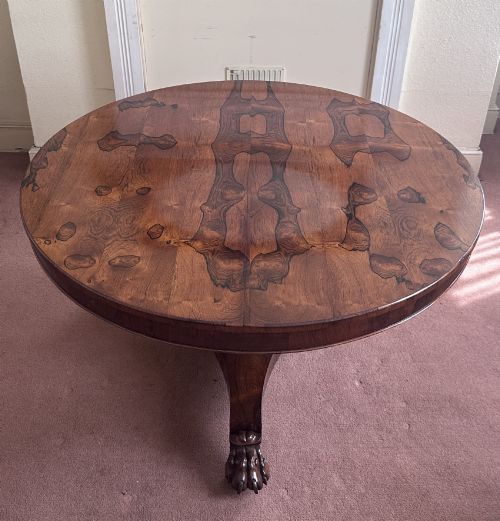
A brown circular dining table combines social convenience with the balanced geometry of a round top. When you search for a brown circular dining table, you encounter diverse timber surfaces ranging from rich mahogany to figured walnut and warm oak. These pieces function equally well as central gathering points for meals or as freestanding centre tables in larger rooms.
The selections span distinct historical eras, including Georgian, Regency, William IV and Victorian periods. Many examples utilise clever engineering such as tilt-top mechanisms or extending leaves to adapt to modern living spaces. Such versatility explains why these circular formats remain enduringly popular in traditional and contemporary interiors alike.
Materials and construction methods
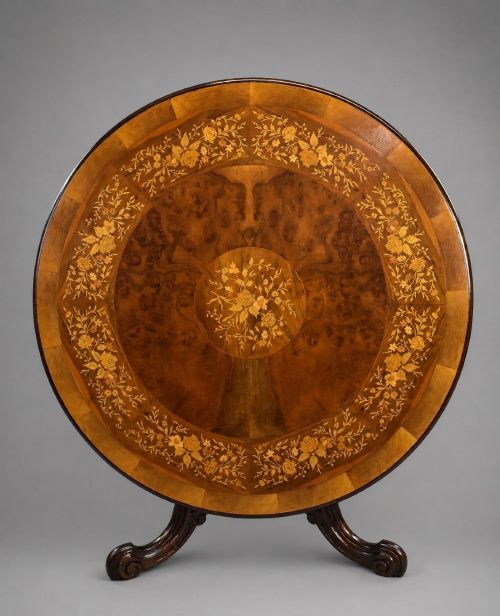
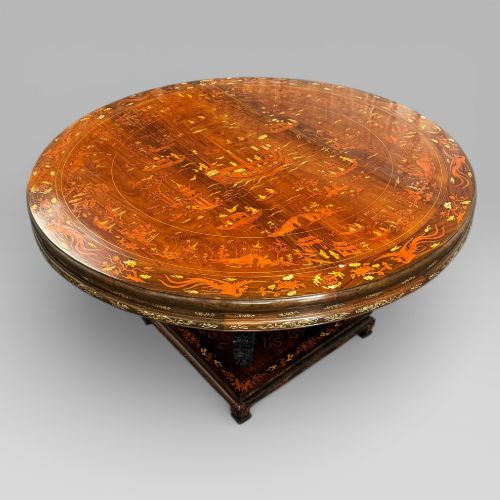
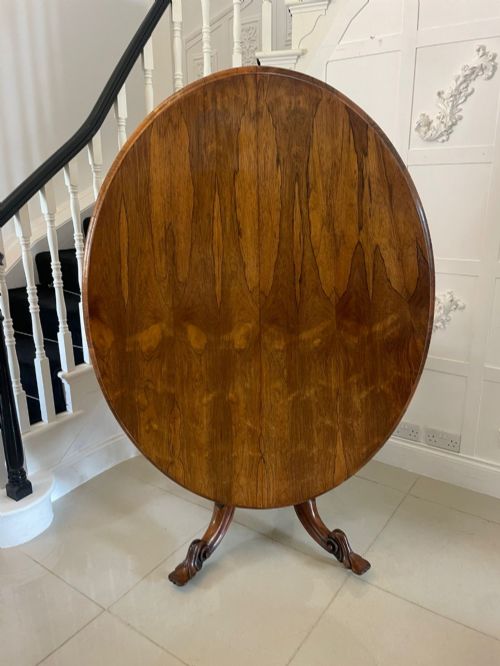
Cabinet makers relied heavily on dense tropical hardwoods like mahogany and rosewood, often enhanced with burr walnut veneers, satinwood banding or intricate marquetry inlay. These timbers were selected for their stability and striking natural grain patterns, which were then polished to a deep lustre.
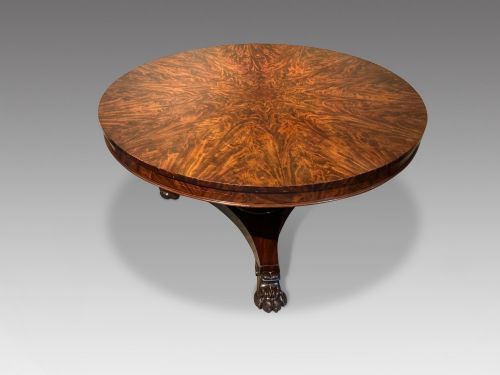
Structural integrity often depended on heavy central pillars, frequently octagonal or tripod in design, resting on robust brass castors or shaped plinths. Tilt-top variants incorporated sophisticated pivoting mechanisms of brass and iron, allowing the tabletop to fold away vertically when not in use.
Assessing quality and craftsmanship
The distinction between ordinary and exceptional pieces lies in the choice of timber and the precision of the cabinet work. Superior tables display continuous, matched veneer grains across the circular top and meticulous joinery on the central pedestal or extending mechanisms.
Subtle details such as hand-carved mahogany foliage, refined brass mounts, and the preservation of a deep, faded patina indicate workshop excellence. Lesser pieces may show repetitive grain patterns, simpler softwood carcases, or heavy modern refinishing that obscures the natural character of the wood.
Edwards & Roberts·Holmes Baldock
The Brown Circular Dining Table Glossary
- Tilt-top table
- A table with a hinged mechanism allowing the circular top to pivot vertically for storage against a wall.
- Breakfast table
- A multipurpose nineteenth-century term often used interchangeably with a centre or dining table of modest proportions.
- Centre table
- A freestanding piece designed to be viewed from all sides, frequently placed in the middle of a grand entrance hall or parlour.
- Marquetry inlay
- Decorative patterns formed by fitting contrasting veneers of wood, brass or shell into the primary timber surface.
- Patina
- The surface sheen and subtle colour change developed by wood over centuries through age, handling and polishing.
Brown Circular Dining Table: Frequently Asked Questions
How do I seat six people around a circular table?
A diameter of approximately four to five feet comfortably accommodates six diners without crowding. The absence of corners makes it surprisingly easy to add an extra chair when guests arrive.
Pedestal bases are particularly helpful for seating arrangements because they eliminate corner legs that might otherwise obstruct knees and chair placement.
What is the difference between a breakfast table and a dining table?
Historically, breakfast tables featured tilt-top mechanisms designed to save space in morning rooms or parlours. Dining tables were typically larger, heavier, and fixed in their stance to support substantial family meals.
Over time, many breakfast tables have been adopted for daily dining use because their proportions suit smaller modern dining rooms.
How do I care for an antique polished wood surface?
Regular dusting with a soft, dry cloth prevents abrasive particles from accumulating on the delicate polish. Avoid placing untreated hot dishes or wet glasses directly onto the bare wood to prevent rings and heat marks.
Applying a quality beeswax periodically will nourish the timber and help maintain a rich, natural sheen without building up heavy chemical residues.
Can I use a tilt-top table every day?
Tilt-top tables were engineered to withstand regular daily use and frequent pivoting. The brass catches and pivoting pins are generally robust enough to handle routine operation.
However, care should be taken when lowering the heavy mahogany or rosewood top to ensure it settles gently onto the brass or wooden locking latch.