



Antique Goncalo Alves Furniture
Antique goncalo alves furniture offers dense, figured timber with rich colour, bringing rare warmth and distinct grain patterns to nineteenth-century domestic interiors.
Antique Goncalo Alves Furniture
Antique goncalo alves furniture comprises nineteenth-century British and continental pieces utilising tropical hardwood known for its striking contrast and dense weight. Buyers search for this dense timber to secure seating, tables, and cabinetry possessing intense figuring.
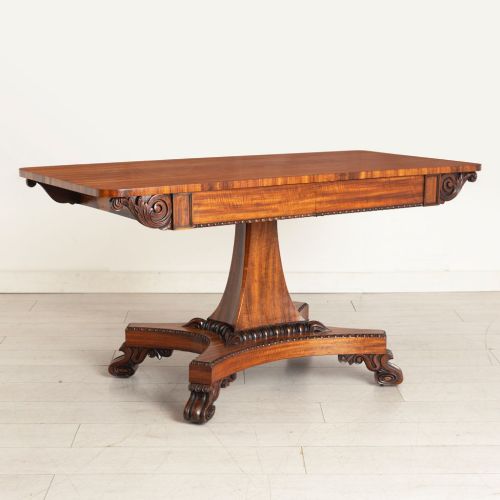
The material appears most frequently in Regency and Victorian forms, spanning library tables, side cabinets, dining tables, and credenzas. Pieces from the Regency and early Victorian eras dominate current offerings, showcasing the wood's natural figure.
Makers employed goncalo alves across diverse functional categories, including music cabinets, commodes with marquetry, and writing desks. These items range from simple 1880s occasional pieces to substantial breakfront bookcases.
How these pieces were made
Craftsmen selected goncalo alves for its rich grain, frequently combining the timber with amboyna wood veneers to enhance decorative surfaces. Brass mounts, ormolu details, and marble tops appear alongside the primary wood on select cabinets and commodes.
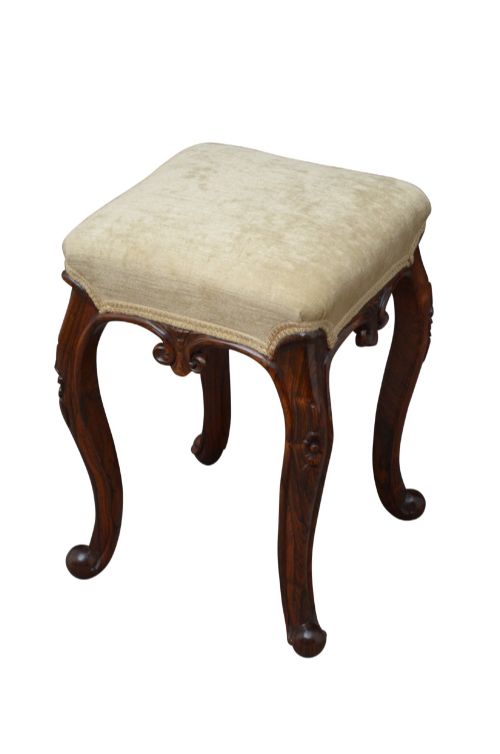
Joiners integrated structural framing with elaborate marquetry inlay techniques, particularly on French Louis Revival and Edwardian pieces. Upholstery and fabric were applied to seating forms like dressing table stools alongside the polished wooden frames.
Antique Goncalo Alves Furniture Retail Price Guide 2026
Typical asking prices for goncalo alves furniture among the pieces listed under this phrase on Sellingantiques today, from the lower quarter to the upper quarter. They describe what is for sale here now, not the wider market.
Early cabinetmakers occasionally grew dizzy turning heavy goncalo alves on their lathes due to the timber's surprising density.
What varies in quality
Quality rests in the intensity and visual harmony of the timber's figuring across large surfaces like table tops and cabinet doors. Richness of tone and depth of polish differentiate standard construction from exceptional cabinetwork.
The integration of secondary decorative elements, such as intricate marquetry inlay, finely cast ormolu, and amboyna banding, separates ordinary utility pieces from high-status furniture.
The Antique Goncalo Alves Furniture Glossary
- Goncalo Alves
- A dense tropical hardwood displaying striking dark brown and light golden-brown markings. It is often called zebrawood due to its prominent striped grain.
- Amboyna
- A highly prized burl wood used for contrasting veneers on Victorian and Regency cabinetry. Its speckled, warm golden figure complements darker timbers.
- Marquetry
- The art of applying small pieces of veneer to a structure to form decorative patterns or pictures. It appears frequently on French revival and Edwardian pieces.
- Ormolu
- Gilded bronze mounts and ornaments applied to furniture surfaces for decorative effect. It accents cabinet corners, friezes, and feet.
- Credenza
- A low dining-room sideboard or cabinet used for serving food and displaying plate. Nineteenth-century examples often combine glass doors with rich wood veneers.
Antique Goncalo Alves Furniture: Frequently Asked Questions
What is goncalo alves wood?
Goncalo alves is a heavy, dense tropical American timber featuring strong contrast between dark and light brown streaks. Cabinetmakers valued it for its durability and highly decorative natural figure.
It is frequently compared to zebrawood because of its distinct striped appearance, making it a prominent choice for statement furniture during the nineteenth century.
How do I identify Regency pieces?
Regency furniture typically dates from the early nineteenth century, displaying classical proportions, architectural lines, and restraint in ornament. Pieces rely on the natural beauty of figured woods rather than heavy carving.
Side cabinets and circular dining tables from this period showcase clean geometric forms and substantial timber scantlings without excessive revival embellishment.
Where were these pieces used?
These items served formal reception rooms, libraries, and private parlours in nineteenth-century homes. Library tables and side cabinets held books, papers, and decorative objects.
Dining tables and music cabinets accommodated domestic entertainment and dining, occupying central positions in affluent Victorian and Regency households.
How do I care for the wood?
Maintain stable humidity levels and keep the timber away from direct heat sources to prevent veneer shrinkage. Dust regularly with a soft, dry cloth without applying silicone-based polishes.
Occasional application of traditional beeswax feeds the finish and preserves the natural lustre of the dense grain without building up a sticky film.