

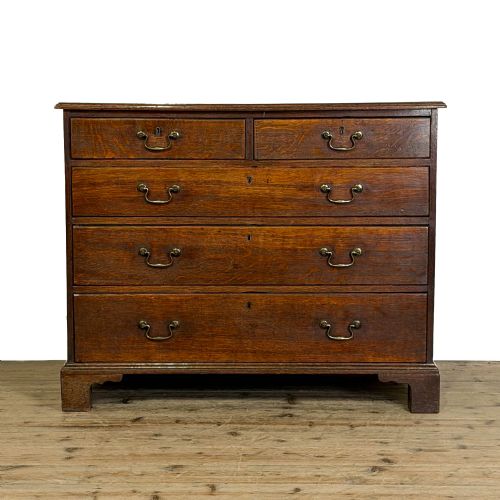
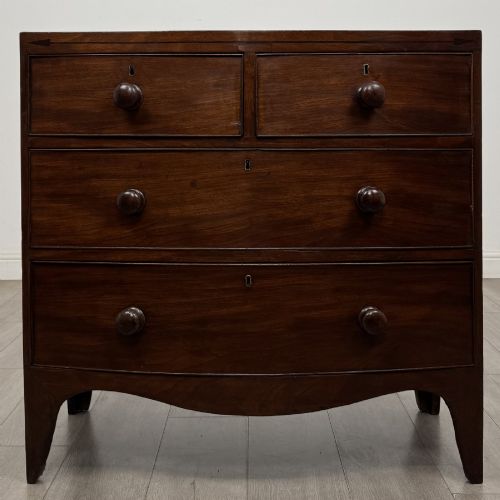
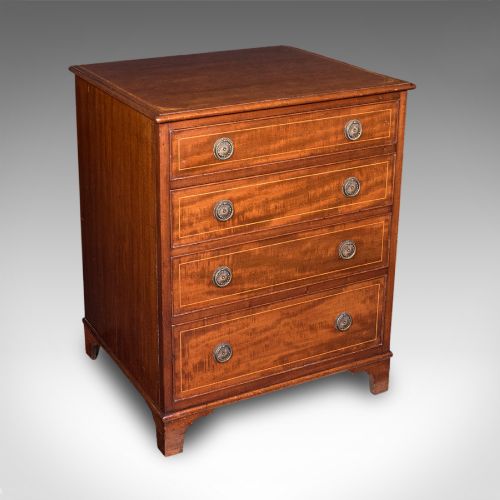
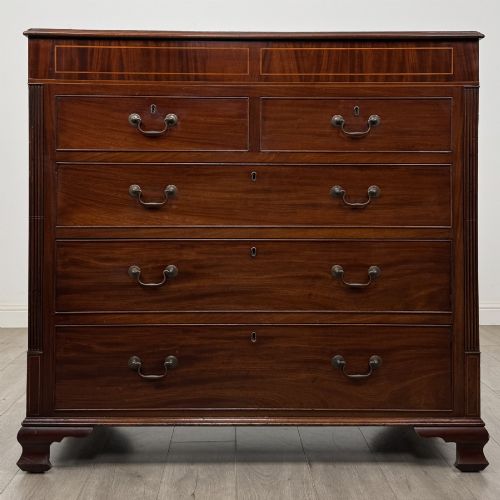
Antique Tallboy Storage Chest
An antique tallboy storage chest offers vertical depth and generous capacity, making it a practical choice for storing garments in compact spaces.
Antique Tallboy Storage Chest
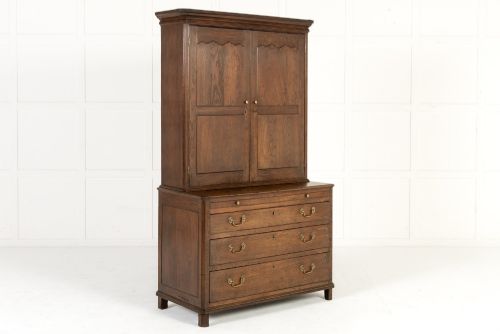
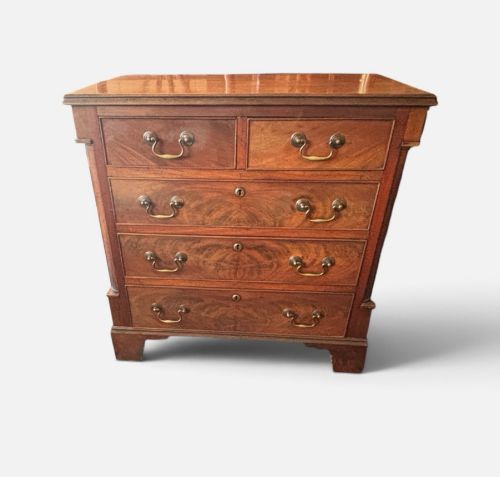
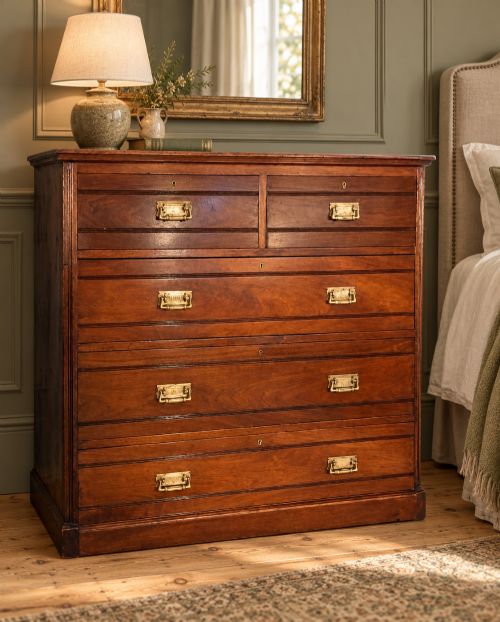
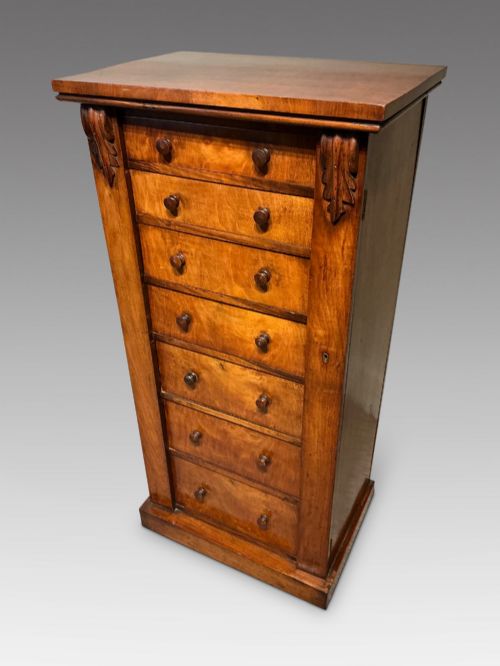
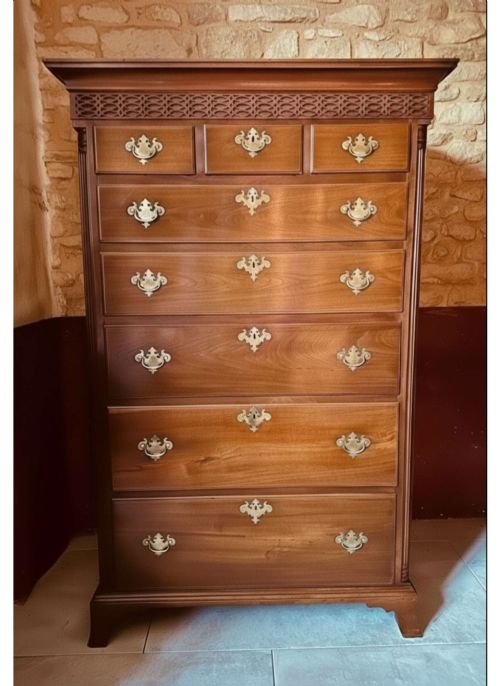
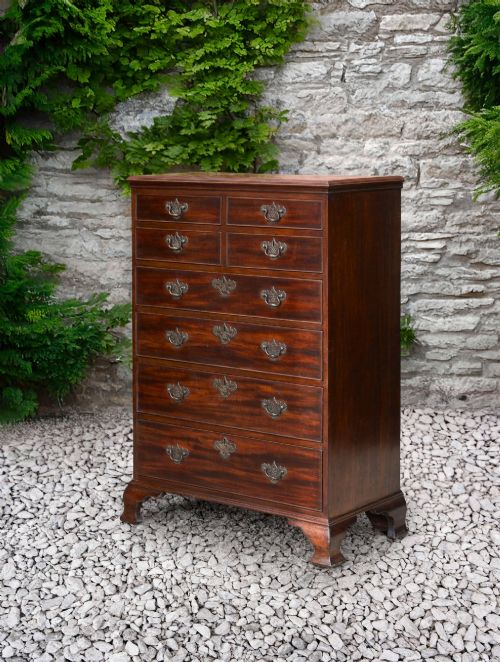
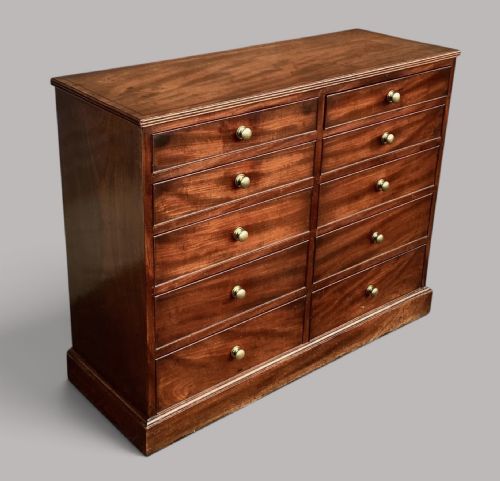
An antique tallboy storage chest provides substantial storage by stacking drawers vertically rather than spreading them across the floor. These pieces frequently appear as chests on chests, linen presses, or tall narrow drawer units dating from the eighteenth century through to the art deco period.
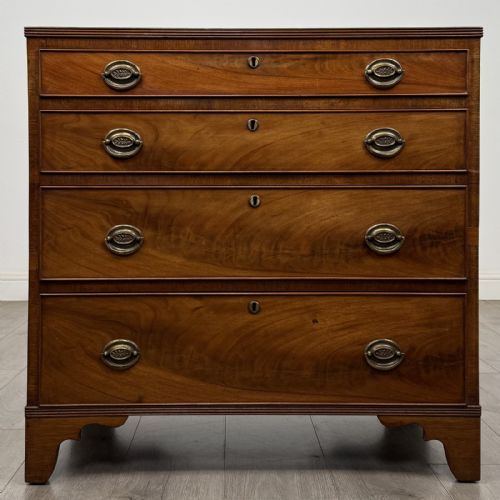
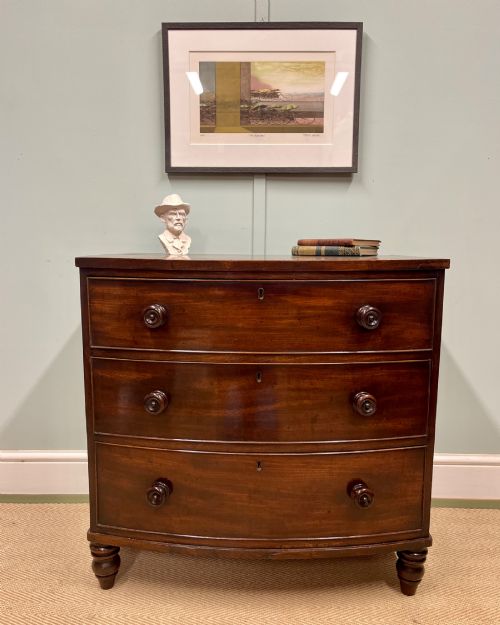
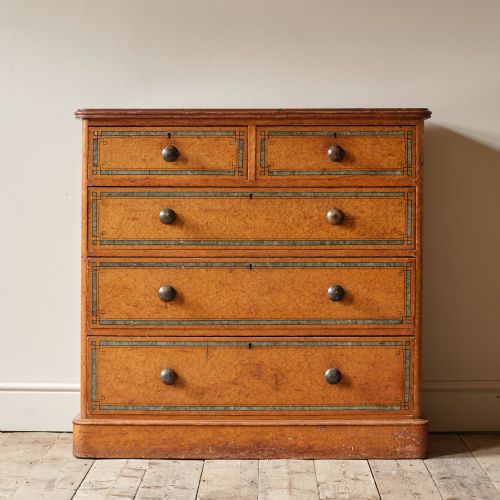
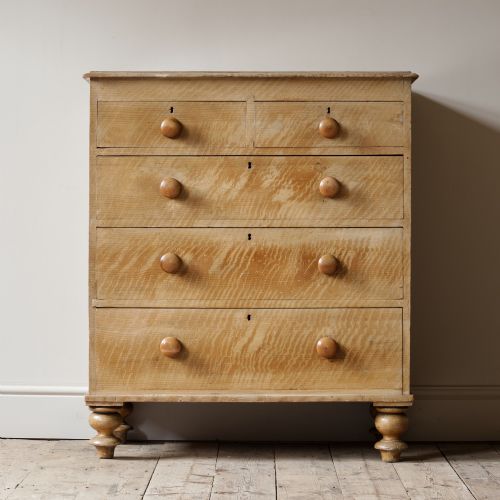
Georgian and Regency examples show classical proportions in mahogany or oak, whilst Edwardian and later twentieth-century versions utilise oak, pine, and burr walnut. Buyers will encounter both traditional chest on chest designs and fitted linen presses on this page.
Materials and construction
Cabinetmakers constructed these pieces primarily from solid hardwoods such as mahogany and oak, frequently applying figured walnut, burr walnut, or flame mahogany veneers to primary surfaces. Pine served as a common secondary timber for drawer linings and internal framing.
Joining techniques relied on traditional dovetailing for drawers and mortise and tenon joints for the main carcase. Workshops also incorporated brass hardware, satinwood stringing, and marquetry inlay to finish the exteriors.
Antique Tallboy Storage Chest Retail Price Guide 2026
Typical asking prices for tallboy storage chest among the pieces listed under this phrase on Sellingantiques today, from the lower quarter to the upper quarter. They describe what is for sale here now, not the wider market.
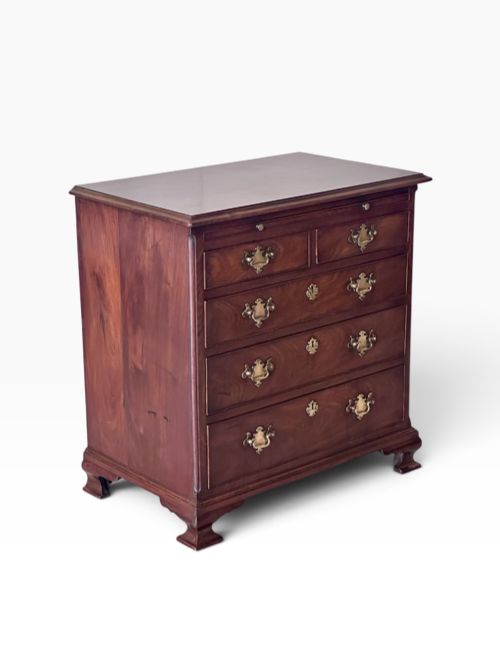
Some tallboys hide a pull-out brushing slide, offering a sudden miniature desk just where you least expect to find one.
Assessing craftsmanship
The distinction between tiers of quality rests on the selection of timbers and the precision of the cabinetwork. Finer examples display carefully matched grain patterns, such as figured walnut or flame mahogany veneers that mirror across drawer fronts.
Superior construction is evident in tight, hand-cut dovetails, smooth drawer operation, and original brass handles or escutcheons. Lesser pieces often exhibit simpler secondary timbers and heavier, less refined surface finishes.
Whytock and Reid·T and G Seddon
The Antique Tallboy Storage Chest Glossary
- Tallboy
- A tall chest of drawers, often formed by placing one smaller chest atop a larger one. This configuration maximises storage space whilst maintaining a compact footprint.
- Chest on Chest
- A two-part cabinet where a narrower upper chest sits securely upon a wider lower chest. This form became popular during the eighteenth century.
- Linen Press
- A tall cabinet featuring upper doors enclosing sliding trays or shelves, positioned above a set of lower drawers. They served originally for storing household linens.
- Brushing Slide
- A pull-out shelf integrated into the carcase facade, used historically as a writing surface or for sorting garments. It typically sits just below the top drawers.
- Marquetry
- The decorative application of fitted wood veneers to create pictorial patterns or floral designs on furniture surfaces. It appears on eighteenth-century walnut pieces.
Antique Tallboy Storage Chest: Frequently Asked Questions
What is an antique tallboy storage chest?
An antique tallboy storage chest is a tall piece of furniture designed with multiple stacked drawers to hold clothing and household goods. These items use vertical space efficiently to provide large storage capacity in a room.
They appear in various timber finishes and styles ranging from the eighteenth century to the art deco era. Each piece reflects the cabinetmaking traditions of its specific period.
Where should I place a tallboy in my home?
These chests suit bedrooms, dressing rooms, or hallways where floor space is limited but vertical storage is required. Their height allows them to fit comfortably into narrower wall spaces.
Ensure the room has adequate clearance for opening drawers and any pull-out brushing slides. Placing them away from direct heat sources protects the timber and veneer over time.
How do I care for antique wood furniture?
Maintain the timber by keeping it out of direct sunlight and away from rapid temperature fluctuations. Regular dusting with a soft, dry cloth prevents surface build-up.
Apply a traditional beeswax polish occasionally to nourish the wood and preserve the finish. Avoid using synthetic sprays or harsh chemical cleaners on antique surfaces.