
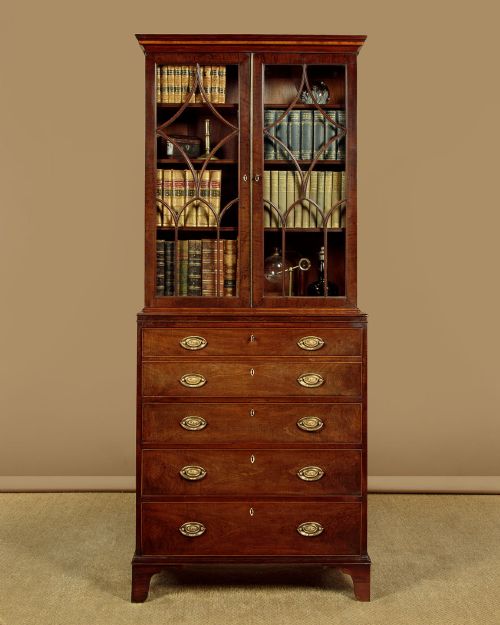
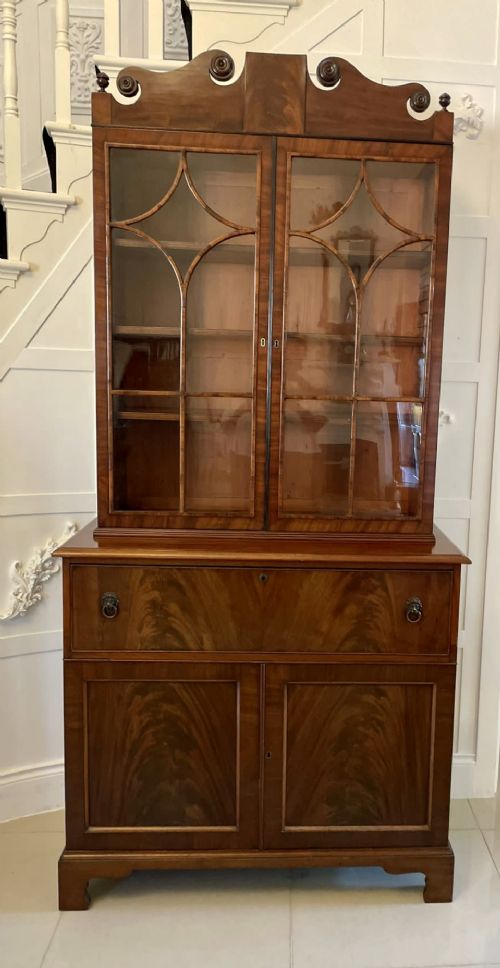
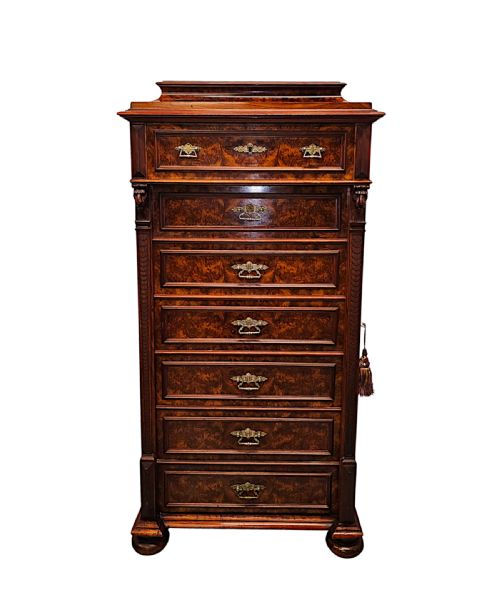
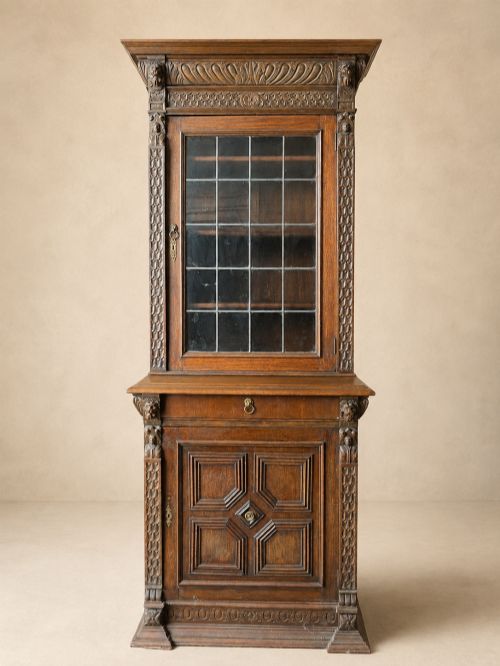
19th Century Tall Cabinet
When you want a 19th century tall cabinet, you are looking for upright storage that brings scale and architectural presence to a room.
19th Century Tall Cabinet
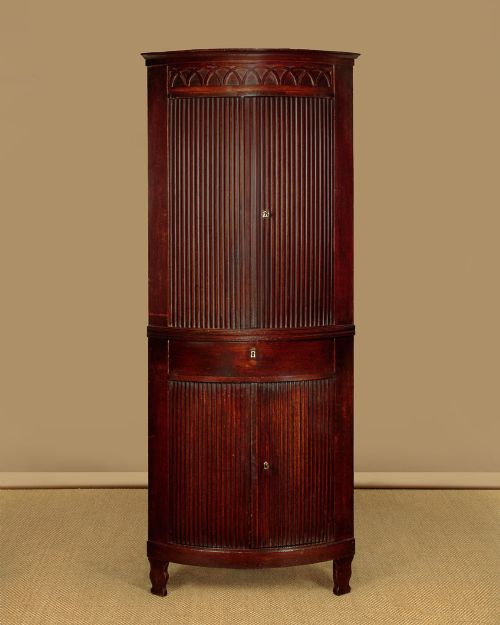
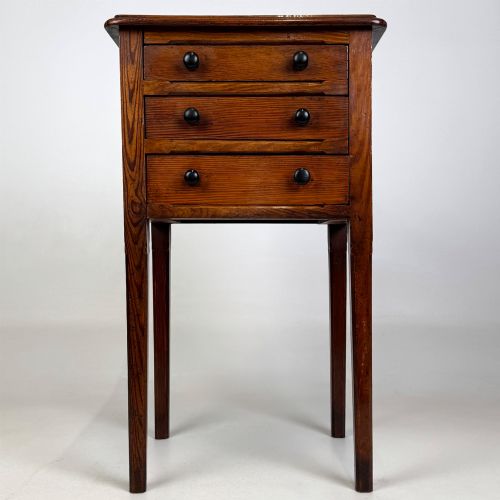
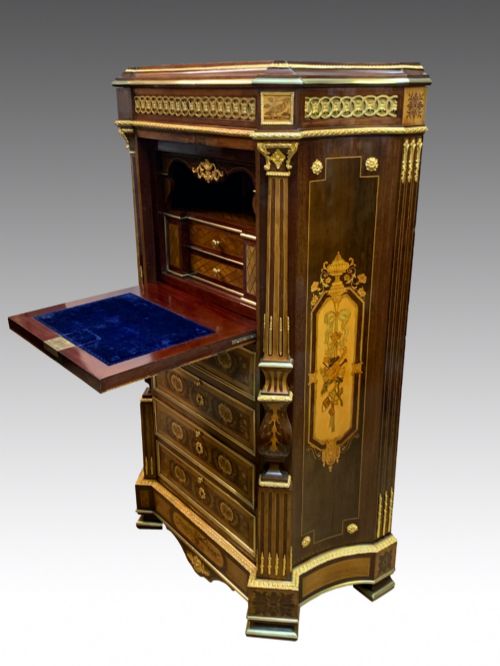
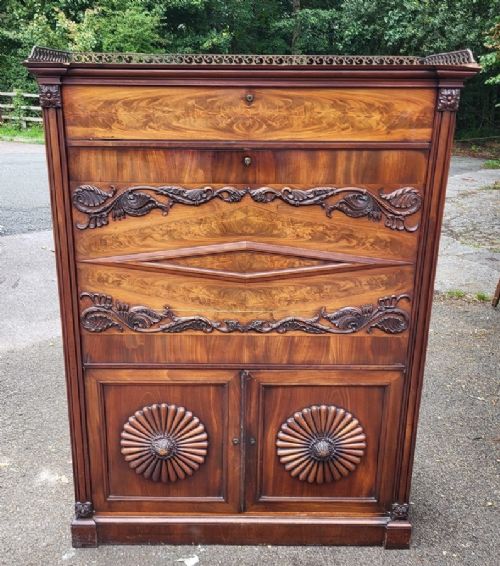
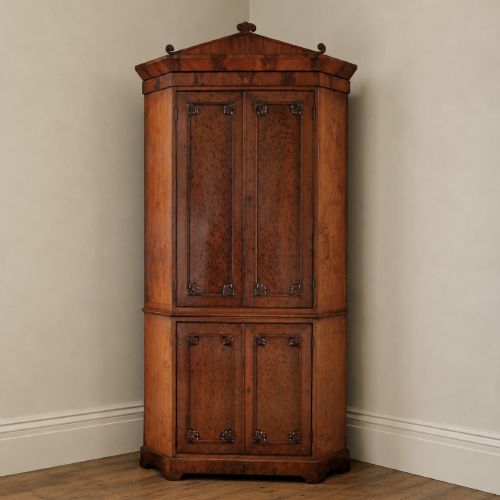
A 19th century tall cabinet encompasses upright furniture forms built primarily during the Victorian, Regency, and Georgian periods, including bookcases, secretaires, cupboards, and tall chests of drawers. These pieces served diverse domestic functions, from housing libraries and displaying porcelain to storing household linens and documents.
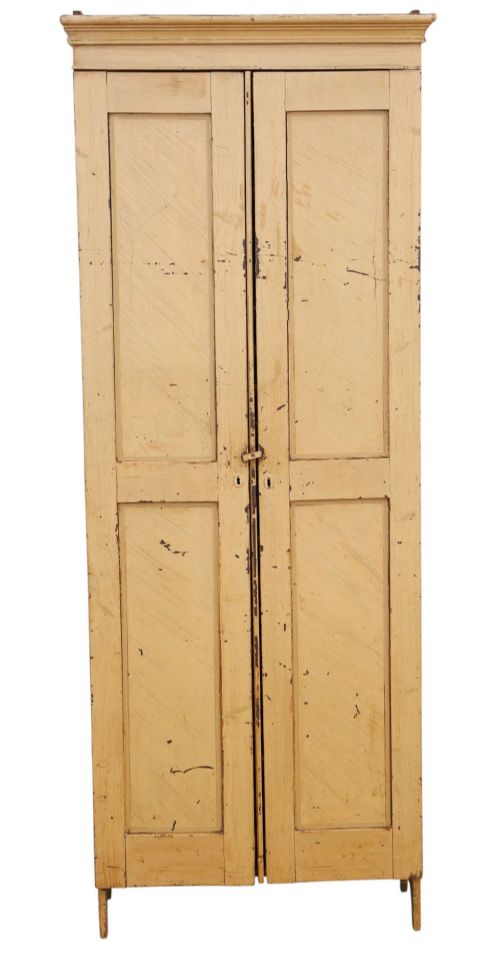
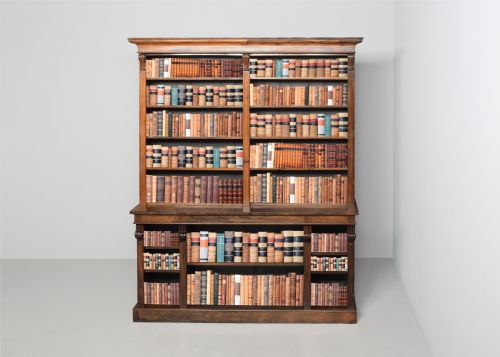
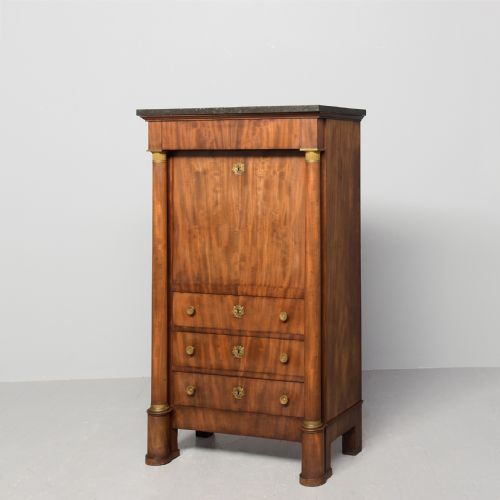
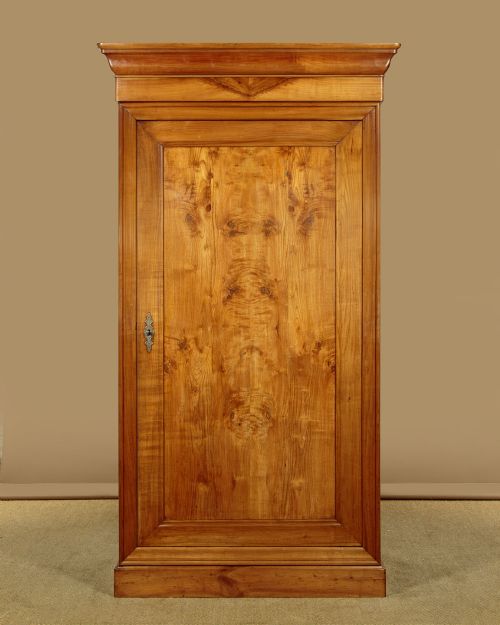
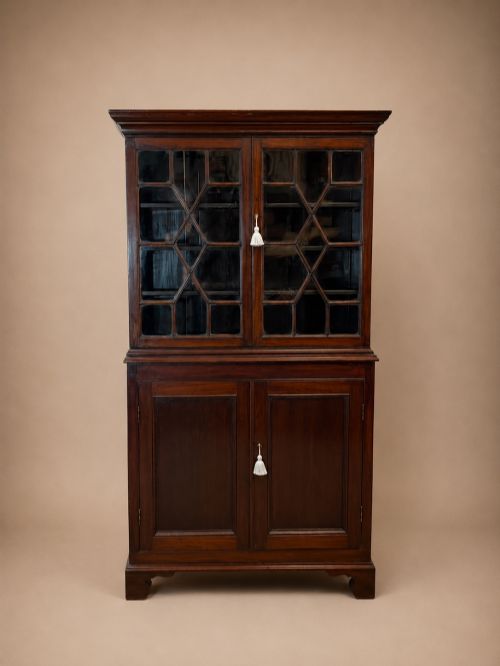
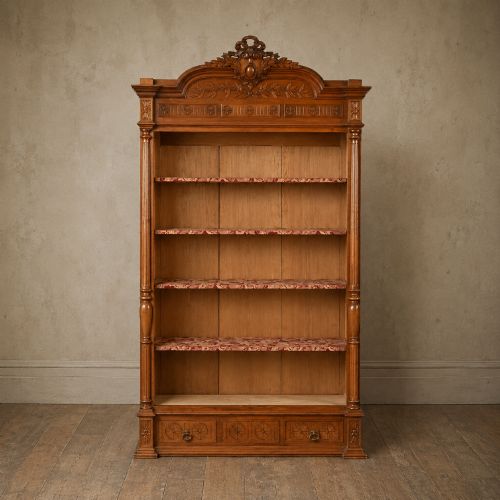
On this page, you are most likely to encounter tall mahogany and pine bookcases, alongside French secretaire cabinets and Wellington chests with numerous narrow drawers. Examples range from simple country painted cupboards to formal rosewood and walnut display pieces.
Makers and cabinetmakers constructed these tall upright units to maximise vertical storage without occupying excessive floor space. Their proportions reflect the functional demands of 19th-century interiors, balancing height with structural stability.
How They Were Made
Cabinetmakers utilised dense timbers such as mahogany, oak, rosewood, walnut, and pine, often selecting figured veneers like flame mahogany, plum pudding mahogany, and burr walnut for primary display surfaces. Solid secondary woods provided structural integrity for internal shelving and drawer linings.
Construction relied on traditional joinery techniques, incorporating brass hardware, glass panel doors, and occasionally marble tops on Continental pieces. Surface finishes varied from polished wood grains to painted and cream finishes on kitchen housekeeper's cupboards and chapel pieces.
What Varies in Quality
The standard of a 19th century tall cabinet rests on the selection and matching of wood veneers and the precision of the underlying joinery. Fine examples demonstrate careful grain alignment across large vertical surfaces and doors.
Hardware choice, internal secondary wood quality, and the execution of carved detailing distinguish finer workshop production from utilitarian vernacular furniture. Original keys, functioning internal mechanisms, and intact glass or marble elements elevate the standing of a piece.
Maison Krieger
The 19th Century Tall Cabinet Glossary
- Secretaire
- A cabinet incorporating a pull-down writing flap that conceals small drawers and pigeonholes. This form combines the utility of a desk with the vertical storage of a cabinet.
- Flame Mahogany
- A wood veneer cut from the fork of the mahogany tree to produce a distinctive flickering flame pattern. Cabinetmakers used this figure on prominent drawer fronts and door panels.
- Biedermeier
- A Central European style dating to the first half of the 19th century emphasising clean lines and domestic comfort over excessive ornamentation. It utilised native timbers like cherry, birch, and walnut.
- Parquetry
- Geometric wood mosaic work used for decorative surface inlay on cabinet doors and tabletops. Pieces employ contrasting wood tones to create structured patterns.
19th Century Tall Cabinet: Frequently Asked Questions
What is a secretaire cabinet?
A secretaire cabinet integrates a drop-front writing surface into a vertical storage unit. This fold-down flap conceals fitted interior compartments for correspondence.
Such pieces offered dual functionality for studies and libraries during the 19th century. They saved space while providing a dedicated writing desk alongside bookshelf or cupboard storage.
How do I identify a Victorian bookcase?
Victorian bookcases typically display darker timbers like mahogany and walnut, occasionally featuring glass-panelled doors and adjustable shelving. Their proportions reflect the heavier, sturdier design preferences of the mid to late 19th century.
Earlier Regency examples often display lighter wood tones and more restrained classical detailing. Examining the carcass construction and interior timber helps confirm the period of manufacture.
Where were tall cupboards used?
Tall cupboards served various rooms in 19th-century buildings, from kitchens and libraries to bedrooms and hallways. Housekeeper's cupboards stored linens and provisions, while library bookcases held bound volumes.
In domestic interiors, their height made efficient use of wall space for storage. Painted pine versions often belonged to utilitarian or rural settings.
What is a Wellington chest?
A Wellington chest is a tall, slender set of drawers characterised by a locking wooden bar down one side. This hinged locking stile secures all the drawers simultaneously with a single key.
Designed for compact spaces, these chests accommodated personal papers and small garments. They appear in mahogany and rosewood across the 19th century.