




Red Brown Wooden Cabinet
A red brown wooden cabinet brings warmth to a room through deep timber tones and traditional joinery.
Red Brown Wooden Cabinet
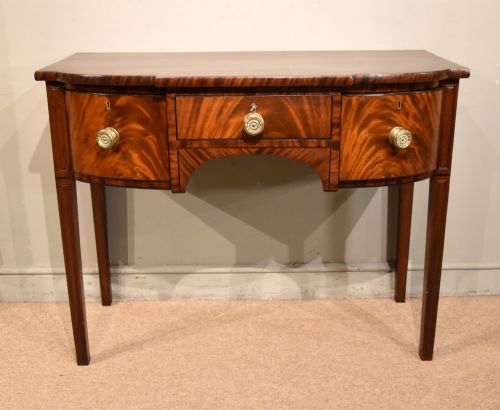
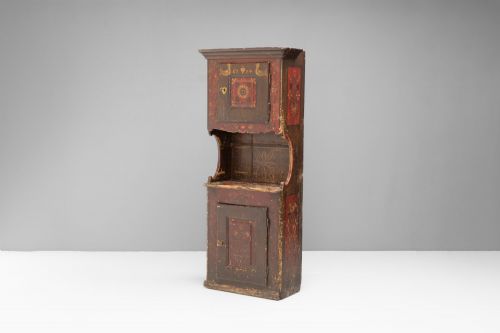
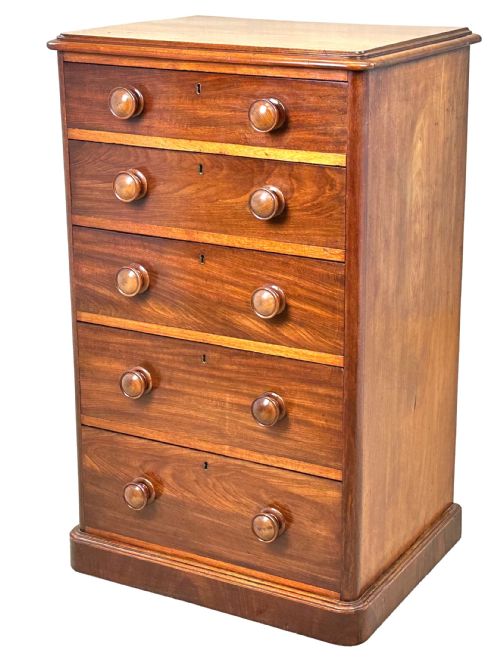
When you search for a red brown wooden cabinet, you encounter a varied collection of storage furniture spanning several centuries and distinct regional styles. The forms range from corner cupboards and display cabinets to sideboards and chests of drawers, originating from periods such as the Georgian era, the Regency period, and the Victorian age.
The versions you are most likely to meet on this page utilise timbers with rich natural pigmentation, particularly mahogany, flame mahogany, and red walnut. These pieces reflect diverse stylistic influences, including Scandinavian country design, French provincial work, and Japanese revival pieces.
The function of these cabinets remains rooted in practical storage, whether designed as washstand cupboards, apothecary boxes, or breakfront bookcases. Each piece demonstrates the domestic requirements of its period, executed in durable hardwoods.
How they were made
Cabinet makers constructed these pieces using solid hardwoods such as pine, mahogany, cedar, and cherrywood, often selecting timber specifically for its grain pattern. Flame mahogany veneers were applied to primary surfaces to create striking visual movement, while secondary woods were utilised for internal framing and drawer linings.
Metal fittings such as brass handles, hinges, and lock escutcheons were incorporated to secure doors and drawers. Surface finishes varied from clear polish that highlighted the natural red brown colour of the wood to painted applications and red lacquer.
Several pieces arrive with tiny original apothecary compartments still smelling faintly of dried herbs from the eighteen-fifties.
What varies in quality
The refinement of the timber selection dictates much of the distinction across these pieces, particularly in the choice of figured grains like flame mahogany or exotic hardwoods such as Gonçalo-Alvez. Finer examples display careful book-matching of veneers across drawer fronts and doors, creating a symmetrical flow of the wood grain.
Construction methods also separate the standard of work, visible in the precision of the joinery and the integration of original brass hardware. The handling of secondary woods and the execution of carved or painted details reflect the skill of the workshop.
The Red Brown Wooden Cabinet Glossary
- Flame mahogany
- A veneer cut from the fork of a mahogany tree where the branch meets the trunk, producing a distinctive fire-like flame pattern across the surface.
- Breakfront
- A cabinet design where the central section projects forward from the flanking sections, creating depth and architectural structure.
- Gonçalo-Alvez
- A dense tropical hardwood known for its contrasting dark brown and reddish-brown figuring, often utilised in Regency furniture.
- Apothecary box
- A small portable chest fitted internally for the storage of medicines, bottles, and scales, typically featuring secure brass locks.
Red Brown Wooden Cabinet: Frequently Asked Questions
What periods do these cabinets come from?
The pieces span the eighteenth, nineteenth, and early twentieth centuries, encompassing Georgian, Regency, and Victorian eras alongside regional workshops.
Each period brings distinct proportions and timber choices that reflect contemporary interior tastes.
How do I care for mahogany surfaces?
Mahogany requires minimal intervention, benefiting from dusting with a dry lint-free cloth and occasional application of appropriate wax polish to maintain the finish.
Avoid placing timber furniture in direct sunlight or near heat sources to prevent the wood from drying out.
Are the brass fittings original?
Fittings vary across pieces, with many retaining their period brass handles, hinges, and escutcheons showing natural patination from age and use.
Examining the backplates and screw slots often reveals whether the hardware belongs to the original period of manufacture.
What is the difference between a sideboard and a side cabinet?
A sideboard is traditionally a larger dining room piece designed for serving food and storing tableware, often featuring pedestals or cupboards.
A side cabinet is generally more compact and intended for general living spaces, focusing on enclosed shelving or display.