
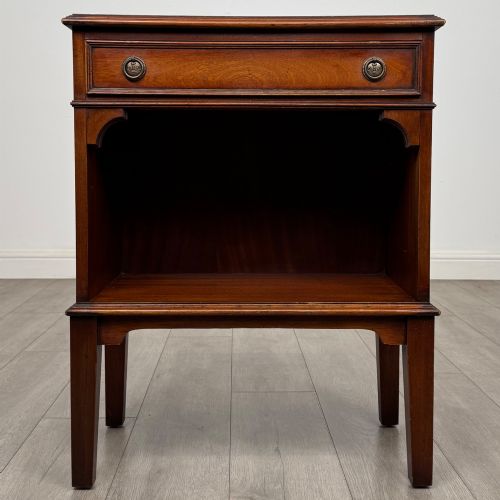
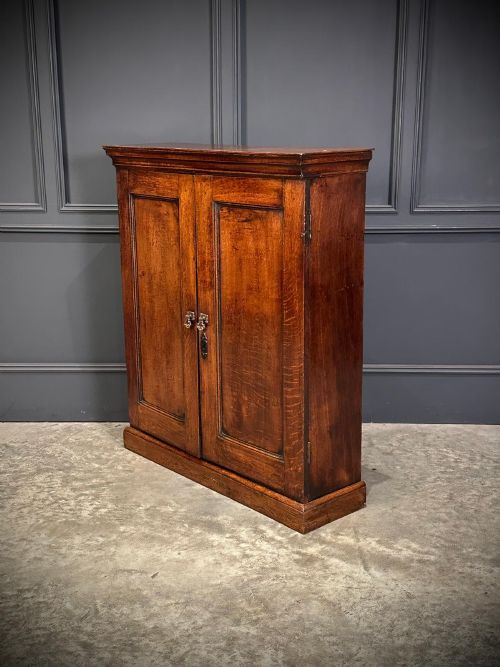
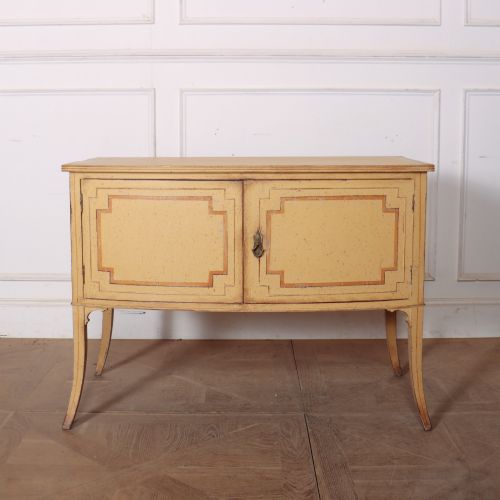

Georgian Wooden Side Cabinet
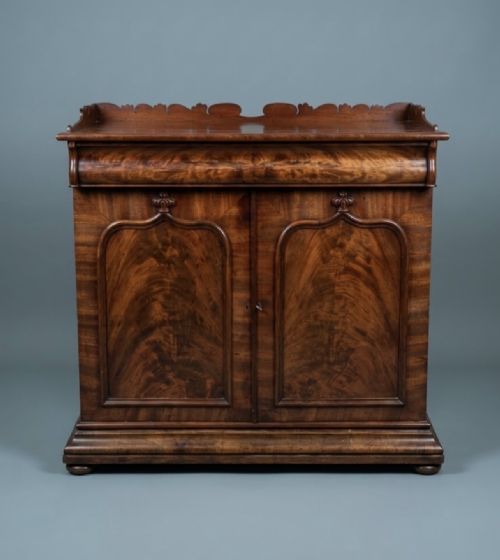
A georgian wooden side cabinet offers solid timber construction and period proportions, making it a practical choice for storing household items in any room.
Georgian Wooden Side Cabinet
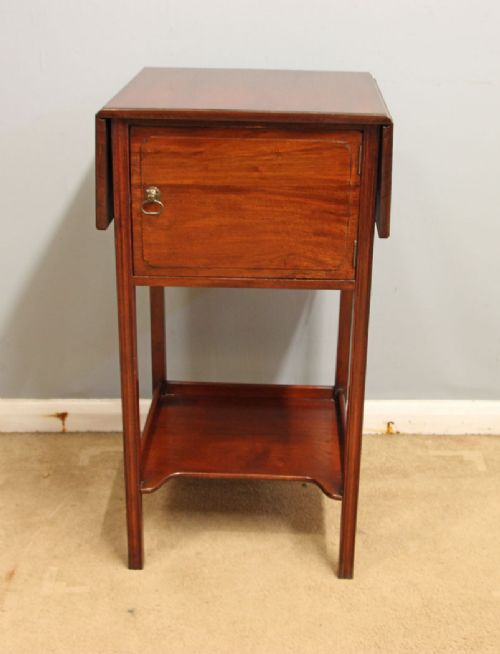
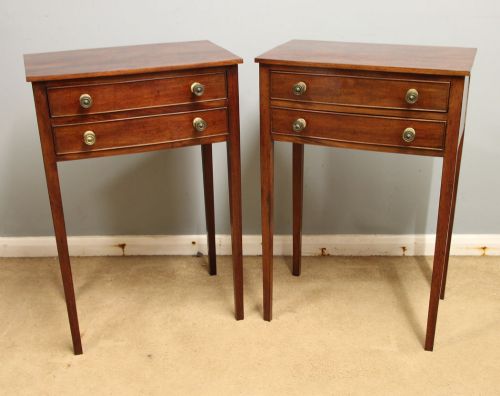
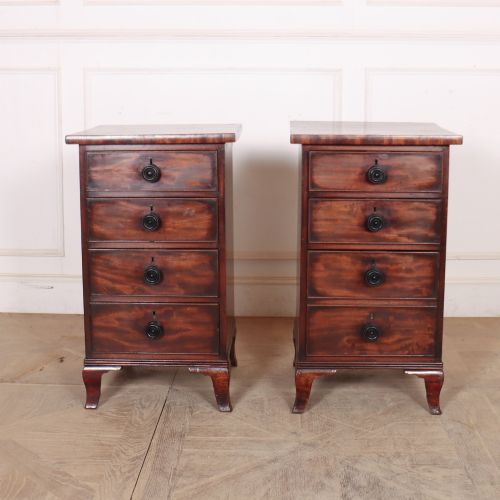
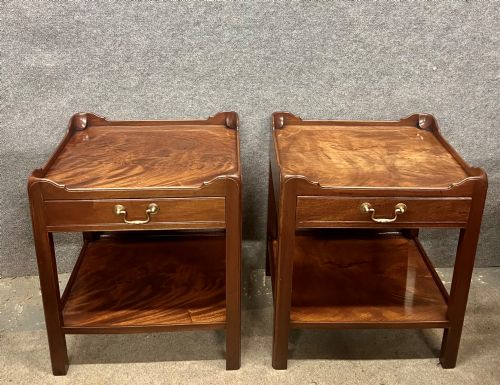
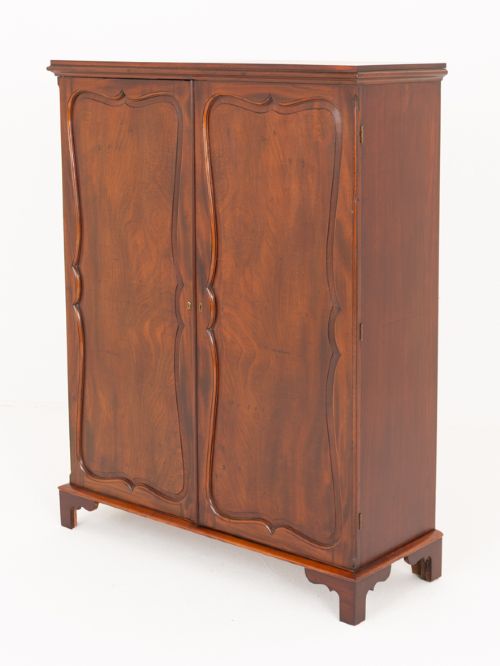
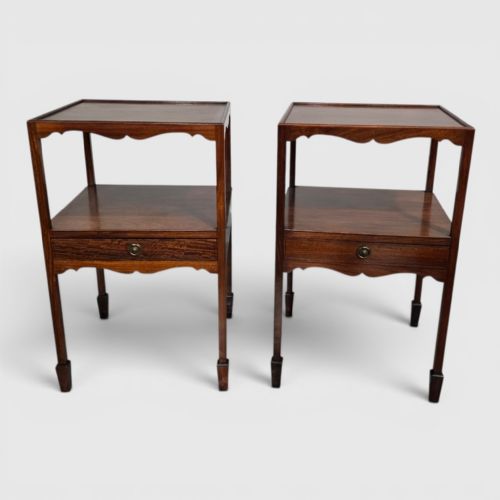
A georgian wooden side cabinet encompasses various storage forms from the eighteenth and nineteenth centuries, including bedside tables, cupboards, and chiffoniers. These items serve as functional furniture designed to hold books, linen, or small personal items while adding architectural interest to a room.
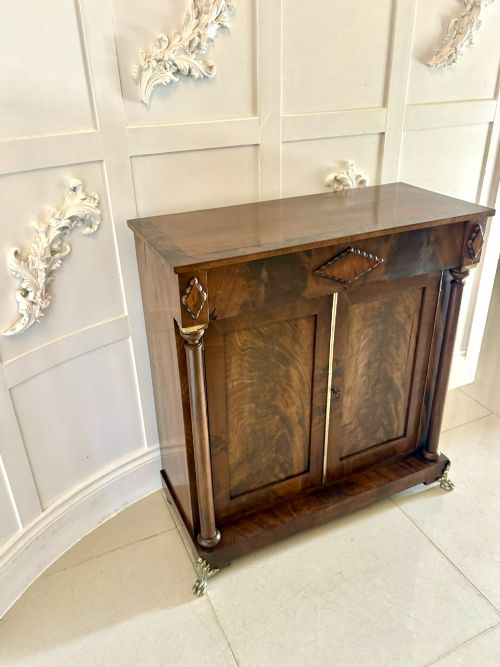
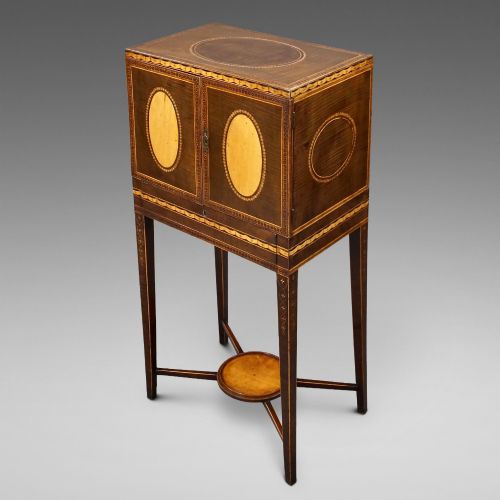
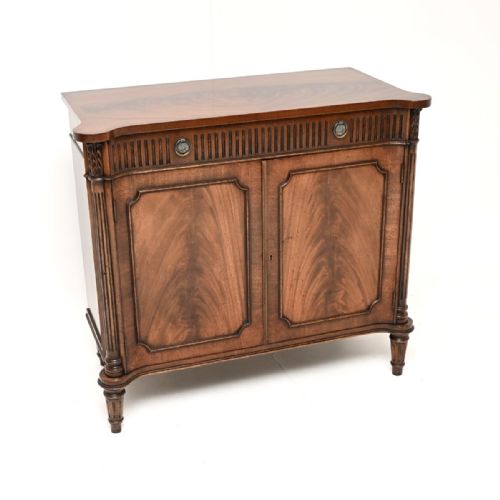
Mahogany forms the primary timber across the selection, often appearing alongside oak, satinwood, and walnut. Pieces range from simple two-door cupboards to inlaid side tables and chiffoniers featuring brass details.
The inventory includes examples from the Georgian and Regency periods, alongside later Victorian and twentieth-century interpretations in the Georgian style. Buyers frequently encounter mahogany bedside cabinets and side cupboards dating from these eras.
How they were made
Cabinet makers utilised solid timbers such as mahogany, oak, and walnut, often applying flame mahogany or harewood veneer to primary surfaces for visual depth. Construction relied on traditional joinery techniques to ensure stability across doors, drawers, and carcases.
Decorative elements included satinwood, boxwood, and brass inlay set into the wood, along with painted finishes on specific English items. These surface treatments highlight the grain and provide contrast against the darker body timber.
Bread safes occasionally slip into the lineup disguised as elegant wooden side cabinets.
What varies in quality
The standard of timber selection and veneer matching defines the visual weight of each piece, with figured grains commanding attention. Finer examples display careful alignment of flame mahogany or satinwood across drawer fronts and doors.
The precision of inlay work and the integrity of the original brass mounts or handles distinguish standard utility pieces from higher-grade cabinet work. Construction details, such as drawer linings and backboards, reflect the standard of the workshop.
The Georgian Wooden Side Cabinet Glossary
- Chiffonier
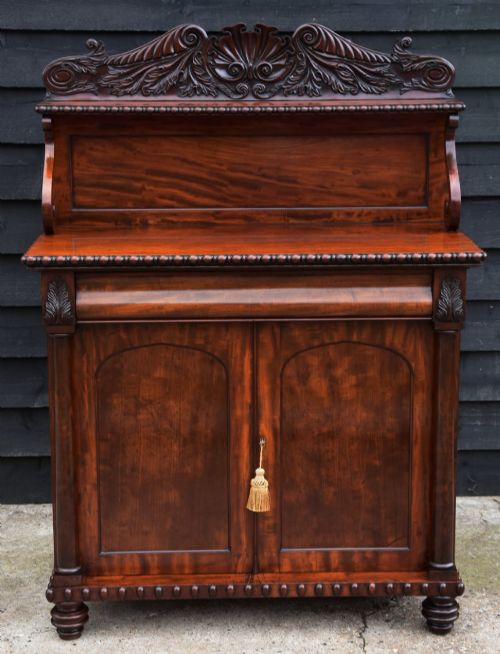
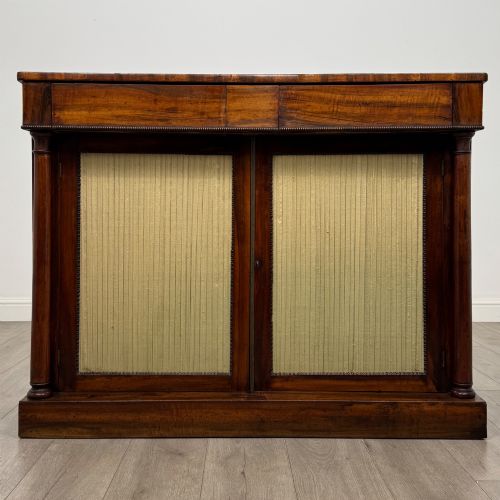
- A low sideboard or cabinet featuring a cupboard base, frequently surmounted by a shelf with a mirror or back gallery. This form evolved during the Regency period.
- Flame mahogany
- A wood veneer cut from the fork of the mahogany tree, creating a distinctive flickering flame pattern. Cabinet makers used this on prominent exterior surfaces.
- Harewood
- Sycamore timber stained to a greenish-grey hue, popular in eighteenth-century marquetry and inlay. Sheraton period pieces often incorporate this material for contrast.
- Bedside cupboard
- A small enclosed cabinet designed to sit beside a bed, often featuring a door above a shelf or compartment. These pieces date from the Georgian era onward.
Georgian Wooden Side Cabinet: Frequently Asked Questions
How were these cabinets used?
These cabinets provided enclosed storage for small personal items, books, and chamber utensils in bedrooms, sitting rooms, and hallways.
Over time, their roles shifted as domestic interiors changed, turning bedside tables and cupboards into versatile accents for modern living spaces.
How do I identify a Regency piece?
Regency items often display classical restraint, featuring dark mahogany timbers contrasted with brass inlay, gilt mounts, or amboyna panels.
They date from the early nineteenth century and frequently take the form of chiffoniers or compact side cabinets with architectural lines.
Can I use a bedside table in a living room?
These small tables and cabinets function well as lamp tables or side surfaces beside seating areas in a modern sitting room.
Their compact footprints allow them to fit into tight corners while offering surface space and concealed storage.
What is the difference between a side cabinet and a chiffonier?
A side cabinet generally refers to a standalone cupboard with doors and drawers designed for general storage against a wall.
A chiffonier is a specific Regency or nineteenth-century form that typically includes a lower cupboard section paired with an upper shelf tier.