




Regency Pedestal Side Cabinet
A regency pedestal side cabinet brings architectural dignity to a room, offering compact enclosed storage rooted in classic proportions.
Regency Pedestal Side Cabinet
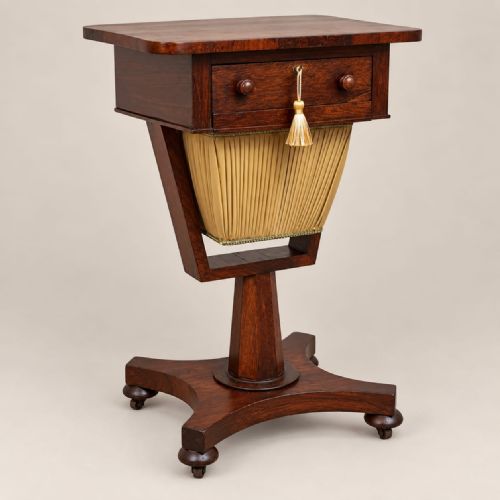
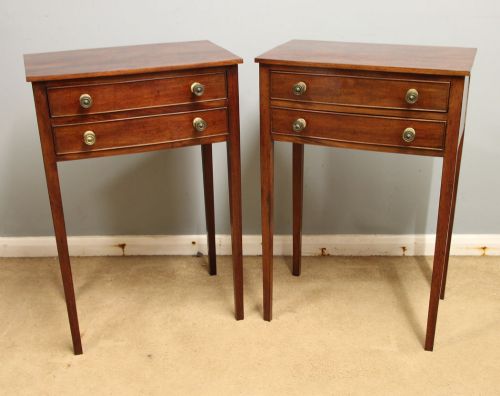
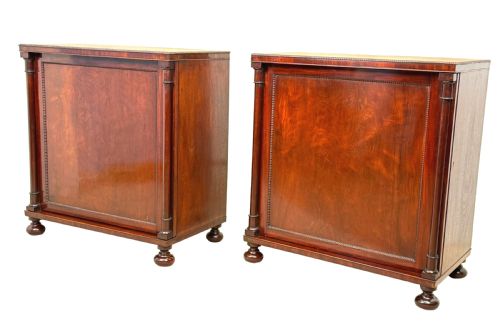
A regency pedestal side cabinet forms part of a diverse group of compact storage furniture spanning the nineteenth century and later revival periods. Buyers searching for a regency pedestal side cabinet will encounter individual cupboards, pairs, and occasional tables that share a vertical emphasis and enclosed storage. The listings show these items appearing frequently as bedside tables, side cupboards, and pedestal cabinets.
Most examples date from the nineteenth century, including the Regency, William IV, and Georgian periods, alongside twentieth-century revivals from 1910 to 1930. The primary forms range from straightforward single cupboards to matched pairs designed to stand on either side of a bed or fireplace. These pieces derive their character from columnar or pedestal proportions rather than wide horizontal surfaces.
Makers and workshops across the nineteenth century adapted the form in various regional idioms, including Irish variations and English Empire styles. While some listings describe simple bedside tables, others present substantial pedestal cupboards with distinct architectural detailing. This mix ensures that a buyer finds both utilitarian bedroom pieces and decorative reception room cabinets.
Materials and construction
Cabinetmakers relied heavily on mahogany as the principal timber, often selecting flame mahogany veneer to create rich, figured surfaces on doors and drawer fronts. Rosewood and goncalo alves also appear in the evidence, providing darker tones and intricate grain patterns for higher-status commissions. Timber construction forms the structural core of every piece, supported by secondary woods hidden within the interior.
Materials recorded across the inventory include solid timber, brass, marble, rosewood, and flame mahogany veneer.
Distinctions in quality
Quality rests primarily in the choice of timber and the precision of the veneer work across the facade. Cabinets featuring book-matched flame mahogany or exotic woods like goncalo alves stand apart from plain timber examples through visual depth and careful selection of grain. The handling of architectural details, such as turned columns or carved mouldings, further separates standard production from superior workshop output.
Construction methods and hardware integrity define the structural standard of each piece. Superior items exhibit tight joinery, smoothly operating doors, and original brass fittings that complement the proportions of the cabinet. The presence of attributed cabinet work or specific regional styling also elevates the standing of individual pieces within the range.
Gillows of Lancaster·S. Jamar London
The Regency Pedestal Side Cabinet Glossary
- Flame mahogany
- A veneer cut from the fork of the mahogany tree, producing a distinctive flickering flame pattern. It appears on the principal display surfaces of finer cabinets.
- Goncalo alves
- A dense tropical timber with contrasting dark brown and golden streaks, utilised for decorative effect on nineteenth-century surfaces.
- Pedestal cabinet
- A freestanding piece of furniture built on a vertical pillar or plinth form, enclosing storage space behind a single door.
- William IV
- A British design period spanning the 1830s characterised by heavy, robust proportions and classical restraint following the Regency era.
- Gothic Revival
- An architectural and decorative style drawing inspiration from medieval forms, visible in pointed arches and tracery details on cabinet doors.
Regency Pedestal Side Cabinet: Frequently Asked Questions
Where do I put a pedestal cabinet?
These cabinets suit bedrooms as bedside tables or narrow spaces in living rooms where surface area is limited. Their vertical footprint allows them to fit beside seating or beds without blocking pathways.
They also function effectively in hallways or studies for storing small items while displaying a lamp or decorative object on top.
Are pairs common in these cabinets?
Matched pairs appear frequently across the nineteenth-century and revival listings, often intended for use on opposite sides of a bed. Finding matching pairs is a notable feature of this furniture category.
Single cabinets also occur regularly, serving as standalone bedside tables or occasional side storage.
How do I spot a revival piece?
Twentieth-century revival pieces often display lighter internal construction and standardised hardware compared to nineteenth-century originals. Examining the secondary timbers and interior construction methods helps clarify the age.
Stylistic cues such as 1910 or 1930 dates in the listings point directly to later interpretations of earlier Regency forms.
What is flame mahogany?
Flame mahogany is a highly figured veneer sliced from where a branch joins the main trunk. This cutting method produces a vivid, undulating pattern resembling tongues of fire.
Cabinetmakers reserved this veneer for primary surfaces like doors to catch the light and showcase the grain.