
Antique Drawer and Cupboard Unit
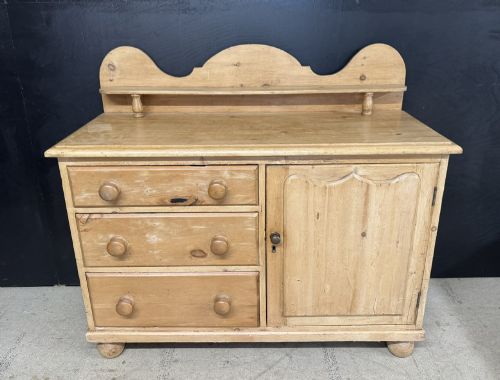
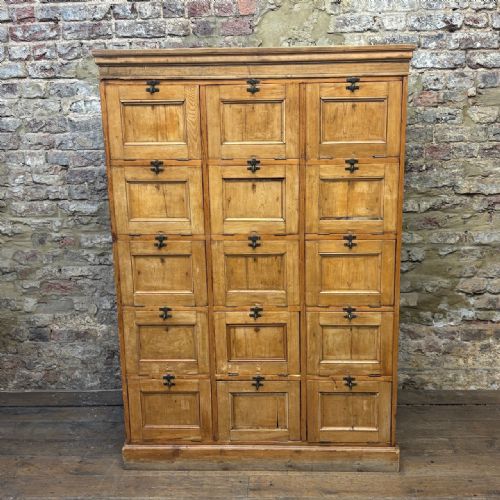
These antique drawer and cupboard unit examples span banks of drawers, dressers and shop fittings built to store things.
Antique Drawer and Cupboard Unit
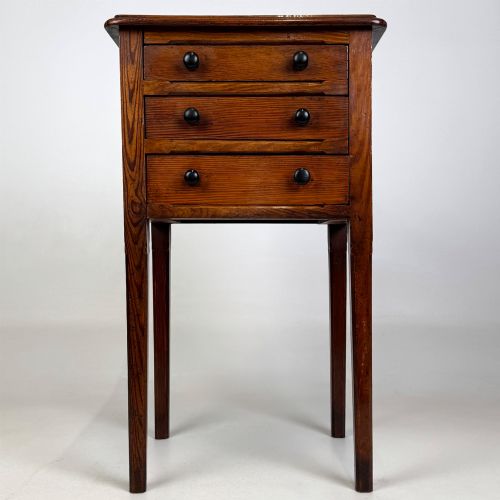
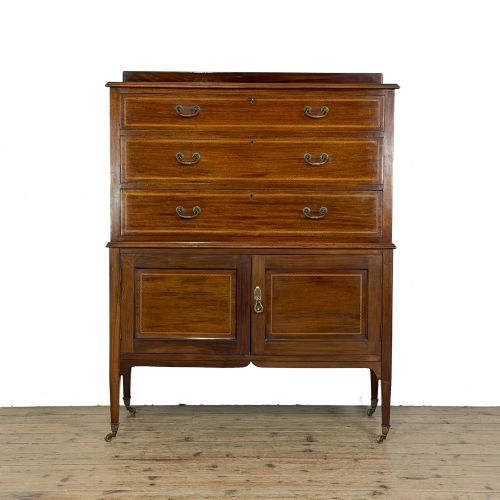
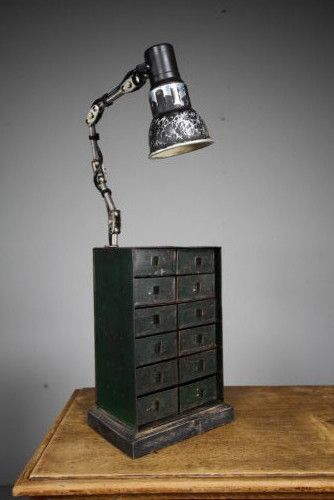
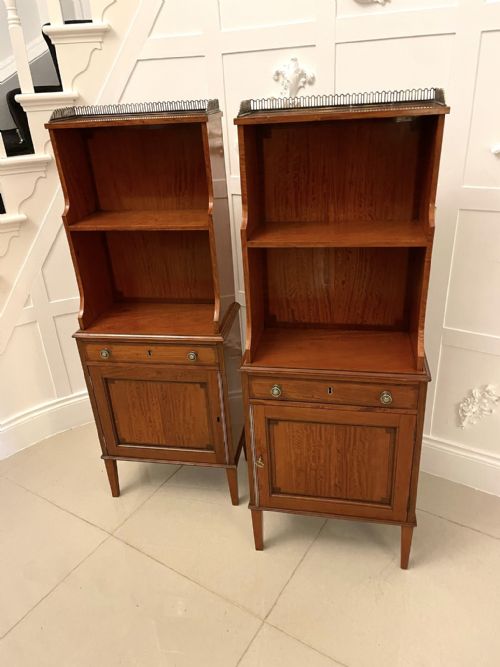
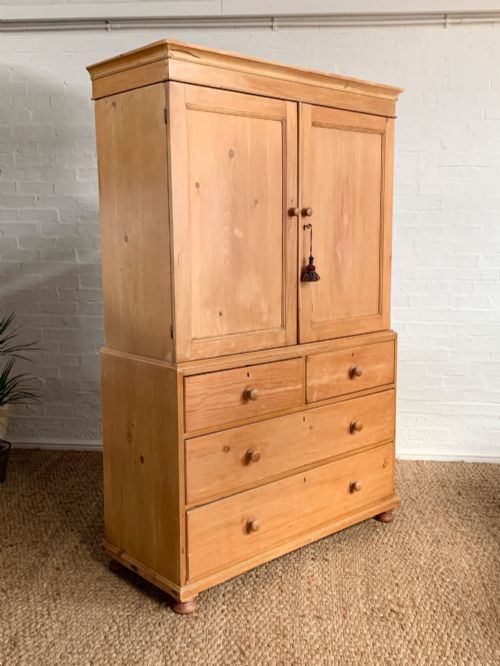
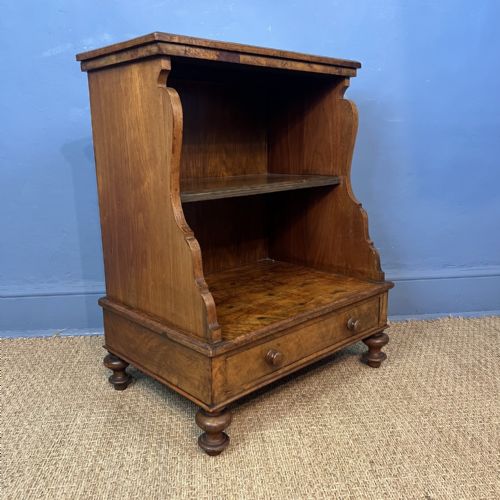
An antique drawer and cupboard unit brings together concealed storage and segmented compartments, taking forms such as pine shop fittings, apothecary chests, and bedside cabinets. These pieces emerge predominantly from the nineteenth century and the Edwardian era, reflecting domestic, commercial, and medical utility.
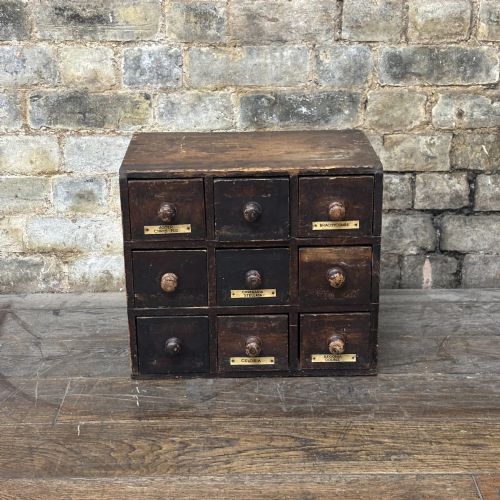
Buyers frequently encounter utilitarian pine furniture alongside finer mahogany and oak bedroom chests. Smaller examples include apprentice pieces and medical carrying chests, while larger pieces comprise multi-drawer banks and kitchen dresser bases.
How they were made
Cabinet makers utilised solid timbers including pine, oak, mahogany, and fruitwood, often selecting pitch pine or elm for robust commercial application. Construction relies on traditional joinery techniques suited to heavy daily use in shops and surgeries.
Metal fittings such as brass handles, iron hardware, and glass components complete these units, alongside painted finishes found on Hungarian shop fittings and apothecary cabinets.
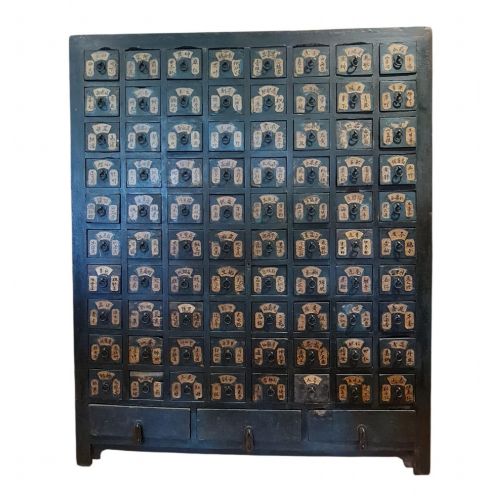
An apothecary chest listed here contains eighty separate drawers for ancient remedies.
What varies in quality
The standard of an antique drawer and cupboard unit depends on the integrity of the timber and the retention of original hardware such as period brass handles. Pieces retaining their factory or shop paint show greater surviving character than stripped equivalents.
Proportion and scale distinguish standard domestic items from exceptional commercial banks of drawers or specialist apothecary units. Original fittings and maker attribution elevate certain examples above standard workshop production.
Gillows·Holland & Sons
The Antique Drawer and Cupboard Unit Glossary
- Apprentice chest
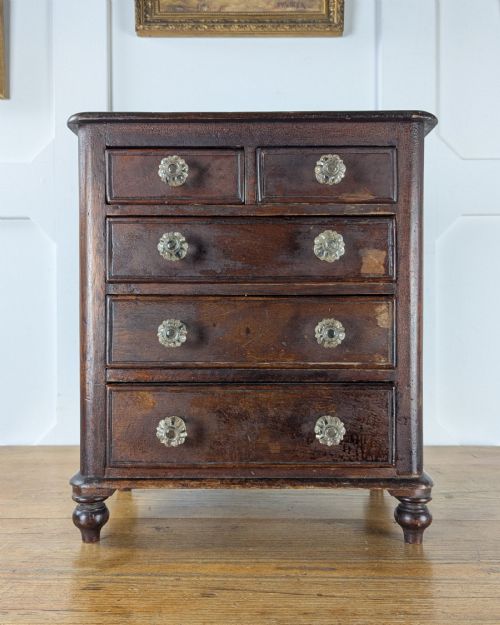
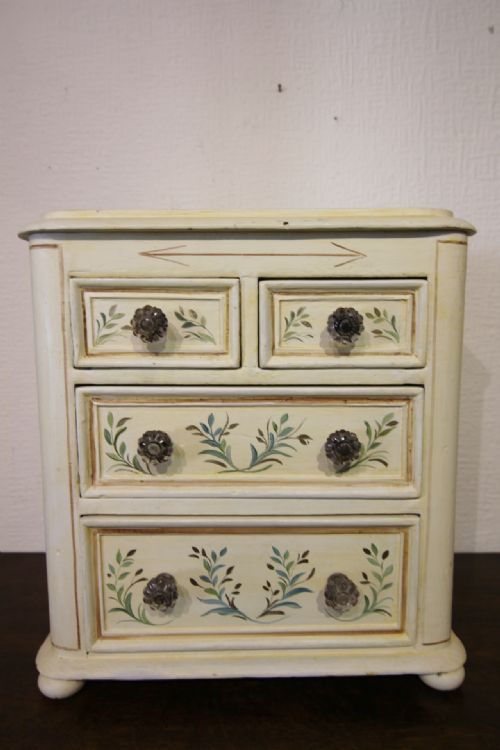
- A small scale model demonstrating a cabinet maker's proficiency to a guild. These miniature chests replicate full size drawer and cupboard units.
- Apothecary chest
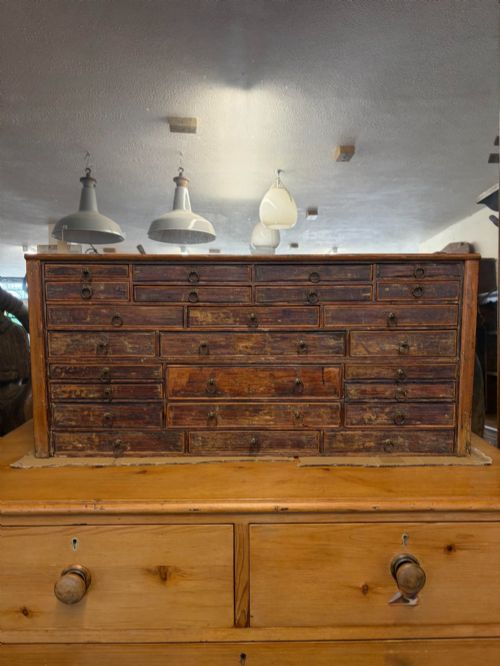
- A multi-drawer cabinet designed for storing medicinal herbs, powders, and pills. They feature numerous small drawers, sometimes numbering in the dozens.
- Haberdashery chest
- A commercial storage unit built with shallow drawers or glass fronts for displaying textiles and small mercery items. These items originated in nineteenth and early twentieth century shops.
- Dresser base
- The lower section of a kitchen or dining room dresser containing cupboards and drawers. They provide substantial surface space and internal storage.
- Linen press
- A tall wardrobe style cabinet enclosing sliding trays or shelves above drawers. They were traditionally utilised for storing folded bed linen.
Antique Drawer and Cupboard Unit: Frequently Asked Questions
Where were multi drawer units used?
Large banks of drawers served commercial and institutional purposes in shops, drapers, offices, and pharmacies. They kept small stock items organised and accessible for trade.
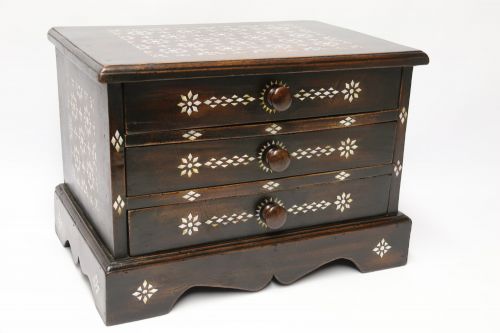
Smaller versions functioned domestically in bedrooms and studies for personal collections, letters, and accessories.
How do I identify a shop fitting?
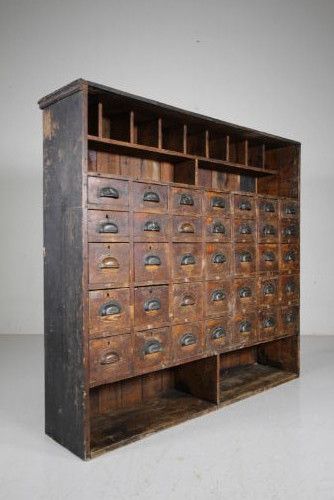
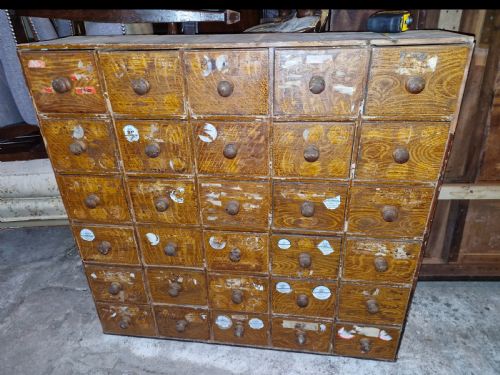
Shop fittings usually display utilitarian construction in pine, sometimes retaining original painted surfaces applied for commercial visibility. They often feature large numbers of uniform drawers intended for merchandise.
These pieces were built for heavy daily use by traders rather than domestic parlours.
What timber is most common?
Pine appears most frequently, particularly in larger dressers, shop fittings, and apothecary units from the nineteenth century. It was favoured for its availability and strength in utilitarian furniture.
Finer bedroom and library pieces utilise mahogany, oak, and satinwood.
Are miniature chests authentic?
Miniature chests were produced as apprentice pieces to demonstrate woodworking skills or as miniature collector cabinets for small treasures. They replicate the exact joinery and proportions of full size furniture.
Cabinet makers executed them with the same attention to detail found in larger commissions.