



Bronze Dog Paperweight
A bronze dog paperweight brings solid weight and tactile character to a desk, capturing hounds and terriers in enduring metal.
Bronze Dog Paperweight
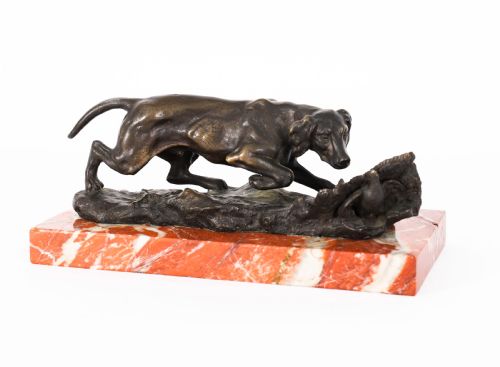
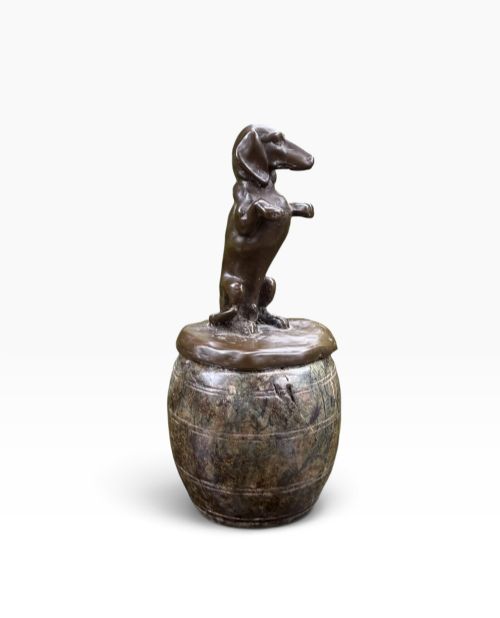
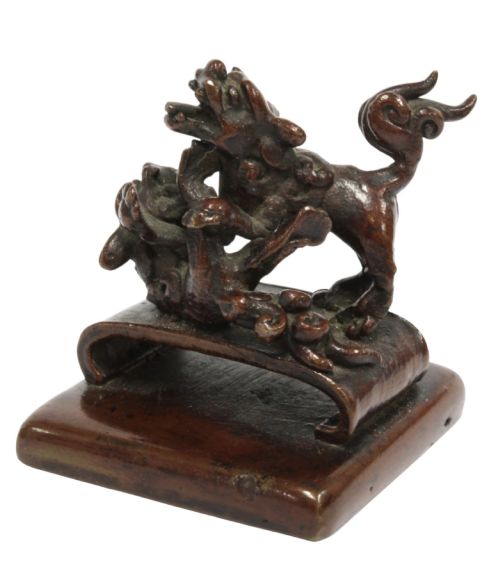
When you search for a bronze dog paperweight, you encounter desk accessories and sculptural figures cast in bronze, patinated bronze, and cold painted metal. These pieces frequently double as functional items such as inkwells, seals, and car mascots.
The selections span the nineteenth century, the Victorian period, and the nineteen-twenties, incorporating styles like Animalier, Vienna bronze, and Art Deco. French and Austrian workshops feature heavily alongside English and Japanese examples.
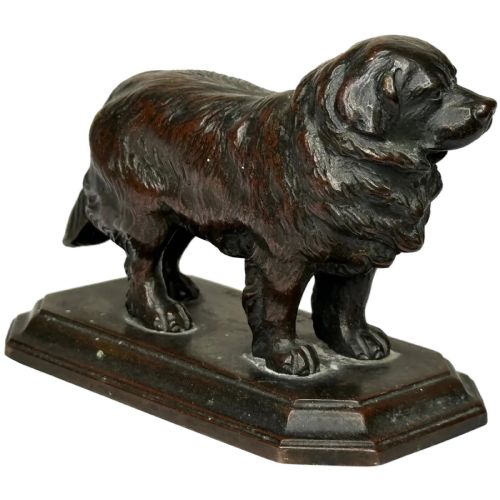
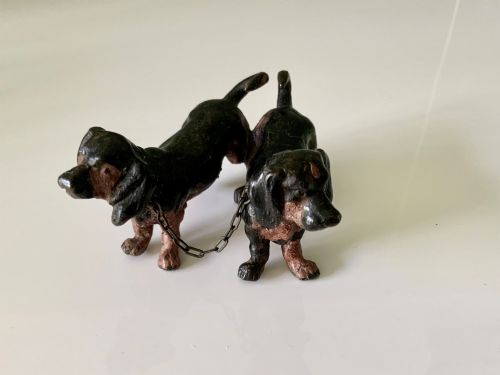
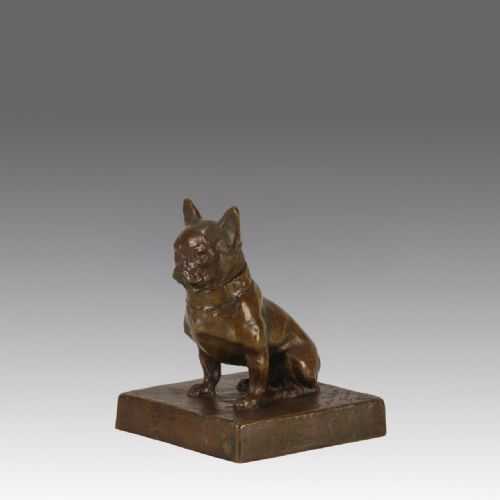
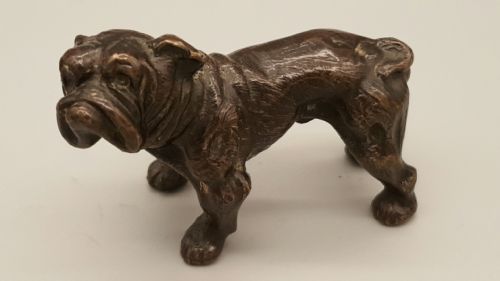
Most items depict specific breeds including Dachshunds, Bulldogs, Pugs, Terriers, and Sighthounds, mounted on marble bases, onyx, timber bases, or standing alone as solid metal casts.
Materials and casting methods
Pieces are formed from bronze, patinated bronze, and cast iron, often utilising cold painted techniques to add vivid colour to the metal surface. Paint finishes apply layered hues by hand to small figures of dogs.
Bases incorporate contrasting natural materials such as marble, onyx, and timber bases to anchor the heavier metal sculptures. Seals and inkwells integrate functional compartments into the cast metal design.
Several heavy hounds double as desk guardians, faithfully holding down correspondence without ever demanding a walk.
Craftsmanship and sculptural detail
Quality rests in the fidelity of the casting and the crispness of the chisel work on the dog's coat, musculature, and facial expression. Finer examples capture realistic poses and anatomical precision.
The preservation of original cold painted surfaces or rich patination distinguishes superior items from those with heavy wear or later repainting. Signed works by known sculptors carry distinct artistic authority.
Carl Kauba·Dora Heber·Pierre Jules Mene·Antoine Louis Barye·P de Soete·Franze Bergman
The Bronze Dog Paperweight Glossary
- Animalier
- A nineteenth-century sculptural movement focused on realistic depictions of animals. Practitioners specialised in observing animal anatomy and movement in dynamic or resting poses.
- Vienna Bronze
- Small, highly detailed Austrian bronzes produced around nineteen-hundred, famous for their vibrant cold painted finishes. These figures range from humorous anthropomorphic scenes to realistic dog models.
- Cold Painted
- A technique where oil paint is applied to an unheated bronze casting. The paint adheres to the metal surface without firing, making it vulnerable to chipping over time.
- Patinated Bronze
- Metal treated with chemicals, heat, or acids to produce a deliberate surface colour and finish. This layer protects the underlying bronze while creating depth and tonal variation.
Bronze Dog Paperweight: Frequently Asked Questions
What is a bronze dog paperweight?
A bronze dog paperweight is a small, heavy metal sculpture cast in the form of a canine, designed to hold down loose papers on a desk or table.
These pieces combine utilitarian weight with decorative animal studies, executed in various styles from realistic nineteenth-century hounds to stylised Art Deco figures.
How were cold painted bronzes made?
Makers cast the bronze object first, refining the surface details through chasing before applying multi-layered oil paints by hand directly to the metal.
This cold painting method avoided kiln firing, allowing for delicate polychrome finishes that captured the realistic markings of breeds like pugs and dachshunds.
Where were Vienna bronzes produced?
Vienna bronzes originated in Austrian foundries during the late nineteenth and early twentieth centuries. These workshops specialised in miniature animal figures with distinctive painted surfaces.
Foundries such as those associated with Bergman exported these charming desk ornaments and car mascots internationally.
How do I care for antique bronze?
Antique bronze requires minimal intervention, needing only a gentle dusting with a soft, dry cloth to remove surface particles. Avoid liquid cleaners and polishes, which can strip away patination and damage cold painted surfaces.
Keep pieces away from direct sunlight and damp environments to preserve the integrity of the metal and any attached marble or timber bases.