
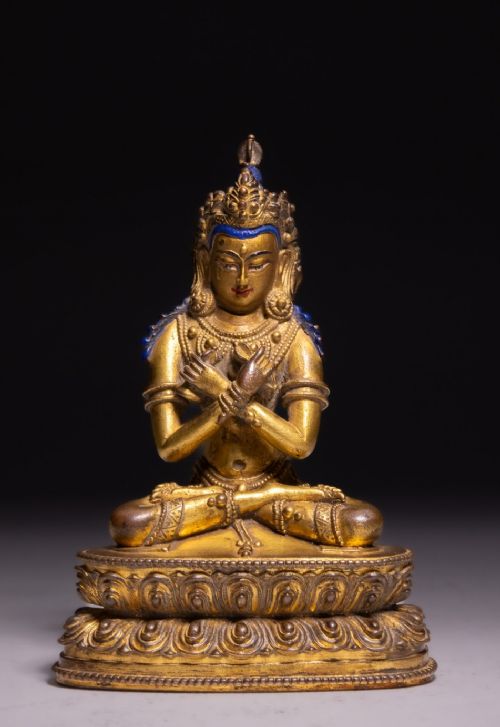
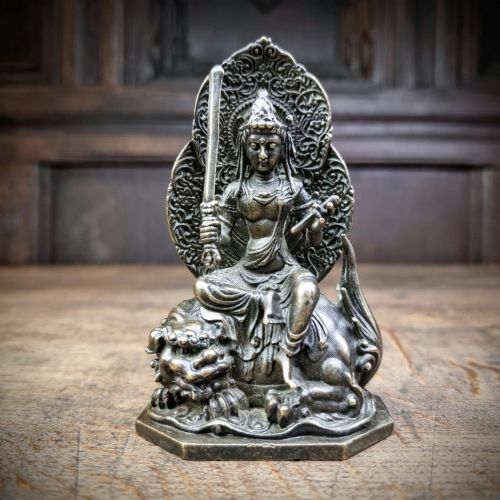


Bronze Buddhist Sculpture
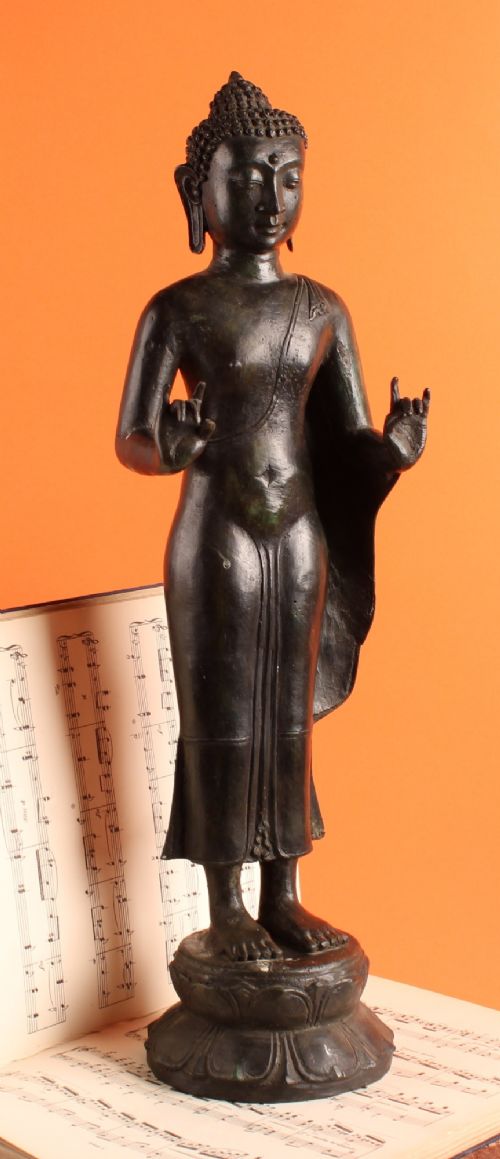
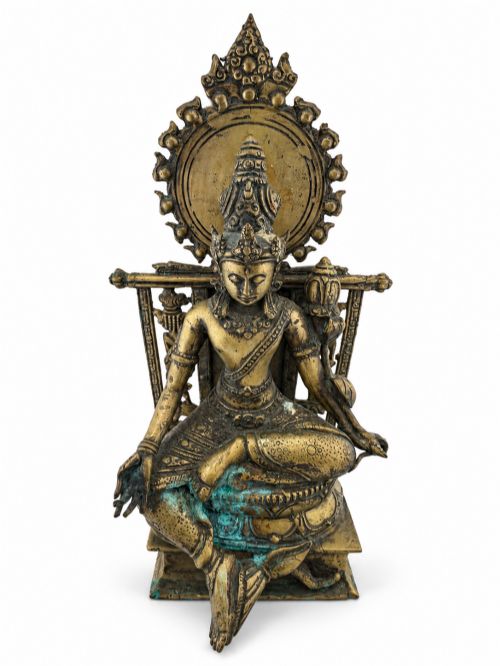
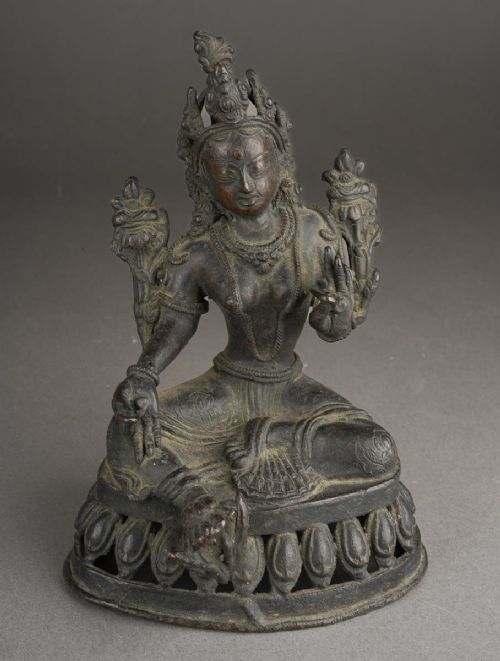
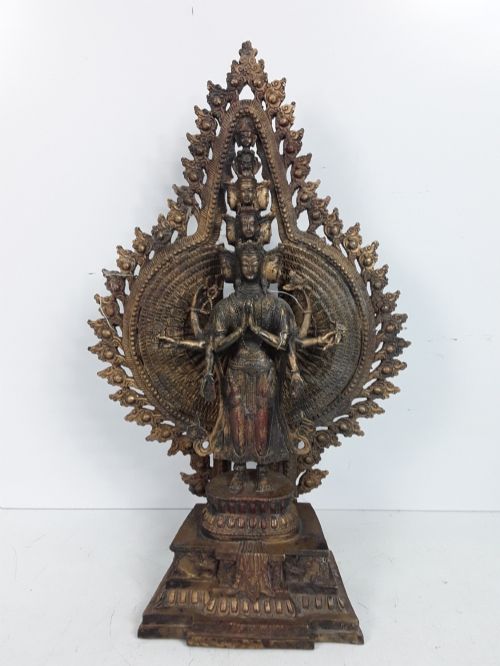
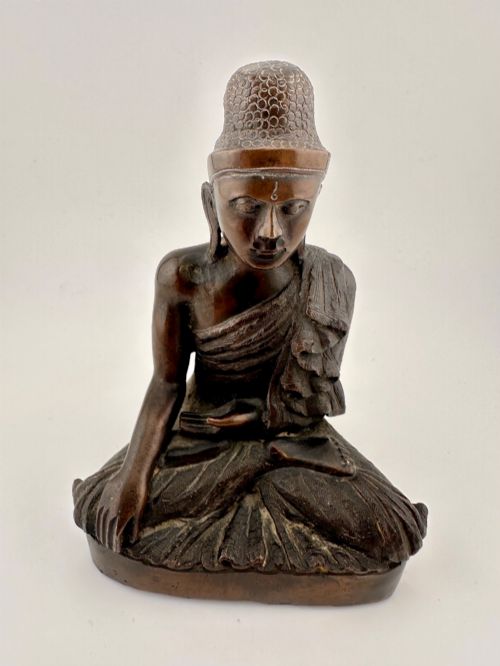
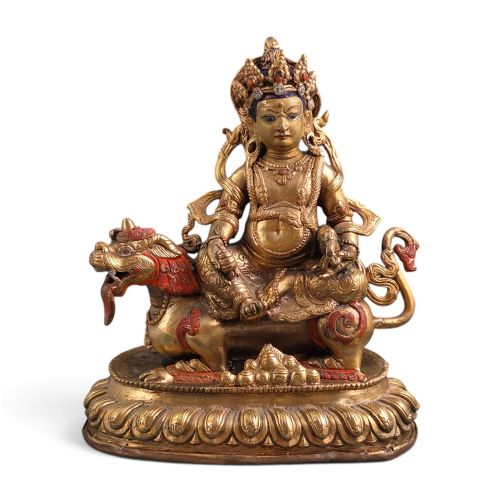
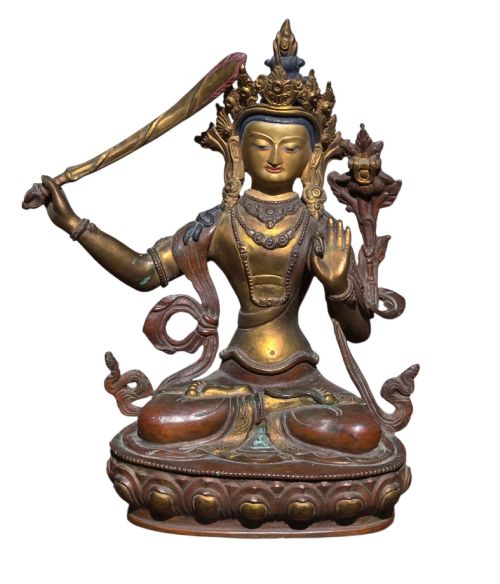
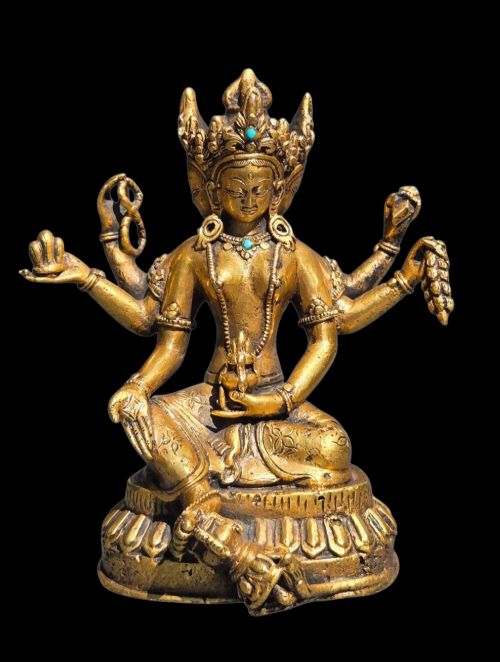
These bronze buddhist sculpture pieces span centuries of Asian casting traditions, offering shrines and figures shaped by Tibetan, Burmese, Thai, and Javanese artisans.
Bronze Buddhist Sculpture
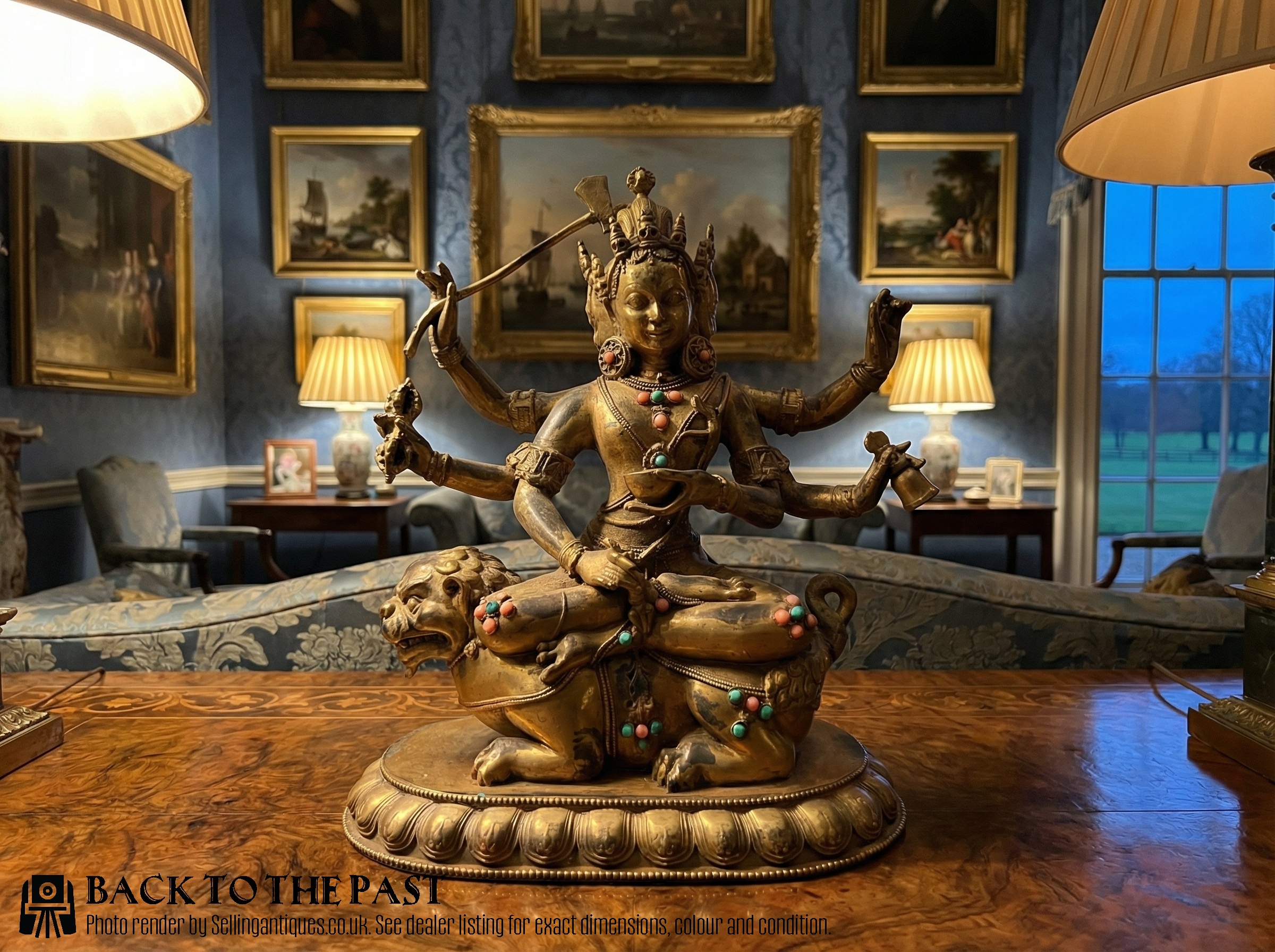
A bronze buddhist sculpture represents enlightened beings, deities, and guardian figures originating from workshops across Asia, including Tibet, Nepal, Burma, Thailand, and Java. These works appear in forms such as seated and standing Buddhas, multi-armed bodhisattvas, and temple lions.
The selection on this page relies heavily on nineteenth-century examples alongside seventeenth and eighteenth-century pieces, with occasional works stretching back to the pre-sixteenth century eras. Common regional styles include Sino-Tibetan, Rattanakosin, and Burmese Mandalay traditions.
Figures range from small domestic shrine statues measuring just over ten centimetres to massive temple sculptures weighing tens of kilograms. Forms include depictions of Green Tara, Avalokiteshvara, Shakyamuni Buddha, and Jambhala.
Materials and construction methods
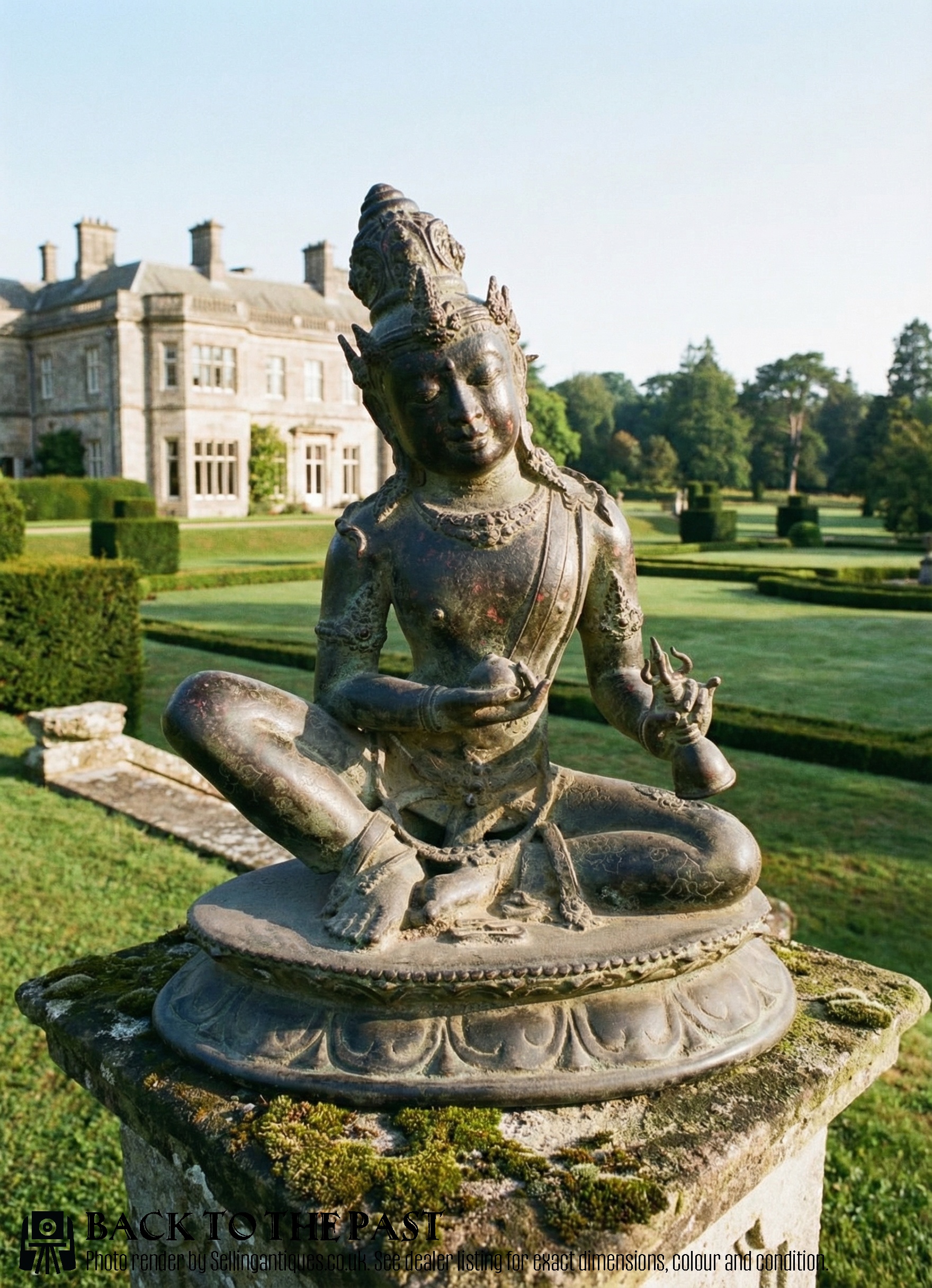
Many Himalayan and Tibetan pieces incorporate mineral inlays, turquoise, and wood elements into the cast metal body. Artisans utilised lost-wax casting techniques to achieve intricate details on multi-armed deities and temple figures.
Materials recorded on this page include gilt bronze, copper alloy, brass, wood, and turquoise mineral inlays.
Assessing quality in metal sculpture
Proportion and stance distinguish regional works, where balanced posture and correct iconographic proportions separate masterworks from simpler output. The depth of the patina and the integration of mineral pigments or gold leaf further elevate the visual impact of a cast.
The Bronze Buddhist Sculpture Glossary
- Mudras
- Symbolic hand gestures used in Buddhist art to convey specific meanings such as teaching, fearlessness, or meditation. These gestures help identify the specific deity or moment in the Buddha's life.
- Bodhisattva
- An enlightened being who delays entering nirvana to help others achieve salvation. They appear in sculpture adorned with elaborate crowns, jewellery, and flowing garments.
- Lost-wax casting
- A metalworking method where a wax model is encased in clay, melted out, and replaced with molten bronze. This technique allows for complex, undercut forms and fine surface details.
- Patina
- The surface coloration and sheen acquired by bronze and copper alloys through age and chemical treatment. Natural oxidation deepens the metal tones over centuries.
- Gilt bronze
- Metal sculpture coated with a thin layer of gold or gold amalgam to impart a brilliant golden finish. This technique was favoured for important temple deities and imperial commissions.
Bronze Buddhist Sculpture: Frequently Asked Questions
How do I identify a Tibetan bronze sculpture?
Tibetan pieces often feature distinct facial structures, elaborate crowns, and rich surface gilding combined with turquoise or mineral inlays. They frequently depict wrathful or compassionate deities associated with Himalayan monastic traditions.
Base plates on these statues are frequently sealed with inscribed copper sheets holding consecrated mantras. The iconography follows strict Tibetan Buddhist ritual standards rather than Southeast Asian canons.
How should I clean an antique bronze sculpture?
Antique bronzes require minimal intervention, meaning dusting with a soft, dry brush is usually sufficient. Avoid using chemical polishes or water, as these can strip away historic patina and fragile gilt surfaces.
Stable patinas and traces of ancient pigment contribute directly to the historical integrity of the piece. Professional conservation is recommended if structural repair or deep cleaning becomes necessary.
Are these sculptures solid or hollow?
Most figural bronzes produced through lost-wax casting are hollow inside. This technique conserved expensive metal alloys and reduced the overall weight of larger temple statues.
Smaller domestic shrine figures may occasionally be cast solid, but larger works depend on a hollow core left by the original clay investment.