


Gold Bronze Deity Figure
A gold bronze deity figure brings centuries of ritual history and sculptural devotion directly into your interior.
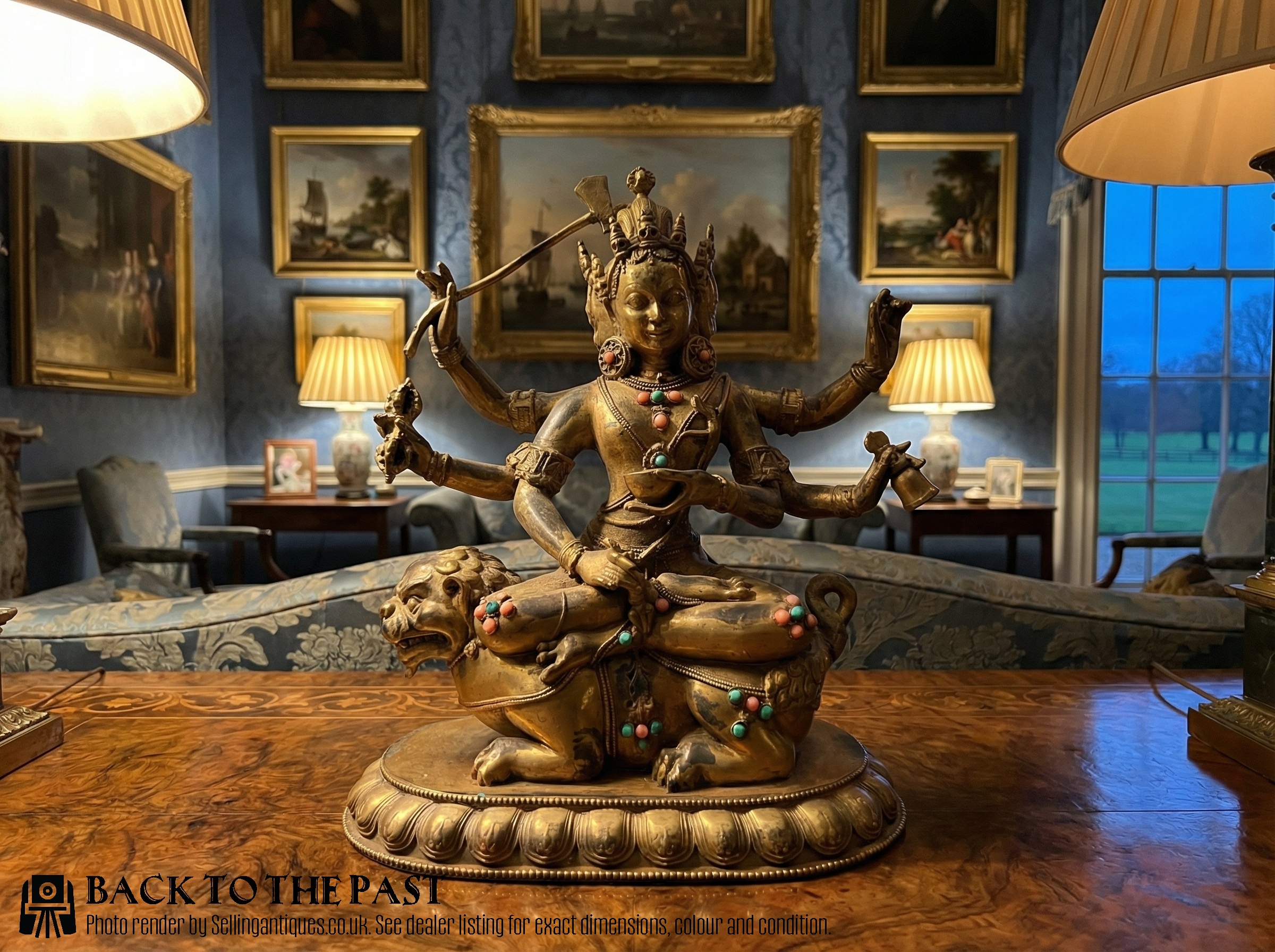
Gold Bronze Deity Figure
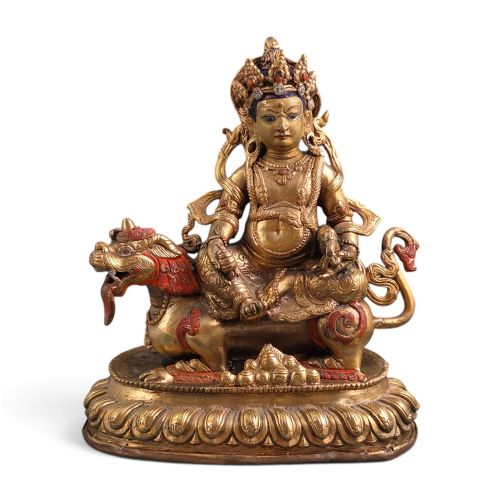
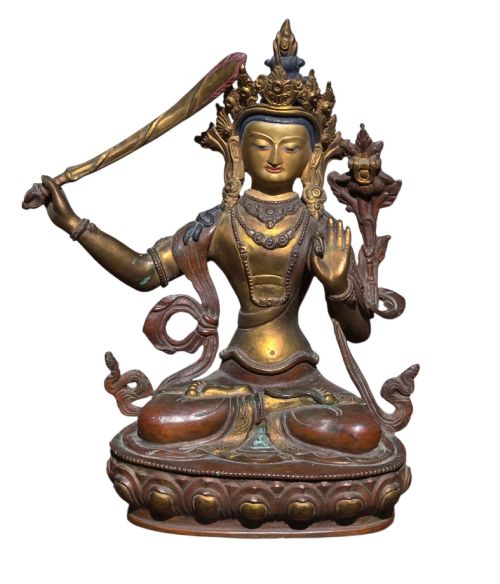
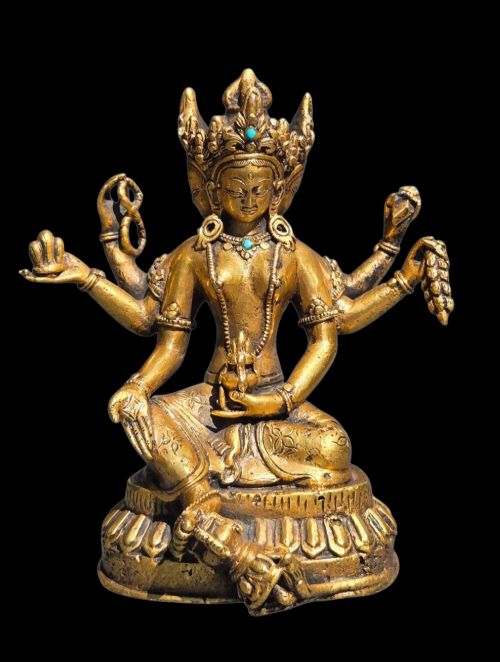
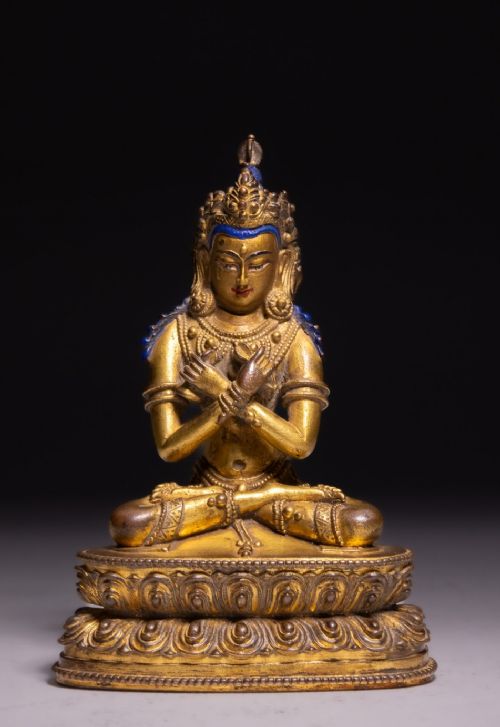
A gold bronze deity figure represents sacred forms from Buddhist and Hindu traditions across Asia, spanning centuries of regional artistry. When you search for a gold bronze deity figure, you encounter depictions of seated buddhas, multi-armed bodhisattvas, and fierce guardians like Garuda or Jambhala. The pieces available here draw primarily from Sino-Tibetan, Tibetan, Javanese Classical, and Thai traditions.
Materials and construction methods
These figures rely on bronze, copper alloy, and brass, shaped through traditional lost-wax casting methods to achieve fine detail in drapery and ornamentation. Many examples receive a surface application of gold leaf or fire gilding, creating the characteristic warm metallic sheen seen across the centuries. Artisans then refine the cast metal through chiselling and engraving to define hair, garments, and ritual objects.
Materials across the selection include turquoise, coral, pigment, brass, copper alloy, and traditional gilt bronze.
Assessing craftsmanship and sculptural depth
Quality in these sculptures rests upon the crispness of the casting and the depth of the subsequent hand-chasing work. Superior examples exhibit fluid drapery folds, well-defined fingers and facial expressions, and secure setting of mineral inlays. Inferior or later castings often lose these fine anatomical details, appearing softer and less articulated around the extremities.
The preservation of the original fire gilding or gold leaf significantly influences the character of a piece. Examples that retain their polychrome pigments and intact coral or turquoise stones demonstrate greater historical integrity. The weight of the metal and the complexity of the iconographic attributes further separate standard decorative items from masterworks.
The Gold Bronze Deity Figure Glossary
- Gilt Bronze
- Bronze metal coated with a layer of gold through fire gilding or leaf application. This technique provides a durable, lustrous surface that resists corrosion.
- Bodhisattva
- An enlightened being who postpones nirvana to help others achieve salvation. They appear in sculpture adorned with rich jewellery and elaborate crowns.
- Sino-Tibetan
- An artistic style blending Chinese imperial workshop techniques with Tibetan Buddhist iconography. It dominates many of the eighteenth and nineteenth-century pieces here.
- Lost-Wax Casting
- A metalworking process where a molten metal is poured into a mould that has been created by means of a wax model. This allows for intricate undercut details and hollow forms.
- Turquoise Inlay
- The practice of embedding polished pieces of turquoise stone into metal channels on the sculpture. It serves to accent sacred focal points and jewellery.
Gold Bronze Deity Figure: Frequently Asked Questions
How do I care for a gilt bronze statue?
Keep your bronze figure in a stable environment away from direct sunlight and excessive humidity. Dust gently with a soft, dry brush without using commercial metal polishes or chemical cleaners that might strip the historic gilding.
Handling the sculpture with clean cotton gloves prevents natural skin oils from reacting with the copper alloy over time. Allow the metal to retain its natural ageing process rather than attempting to restore a bright shine.
How can I tell the region of origin?
Regional origins reveal themselves through facial structure, bodily proportions, and the specific cut of the garments. Sino-Tibetan pieces often feature distinctive lotus thrones and robust proportions, while Javanese Classical figures display slender waistlines and specific crown designs.
Examining the casting style and the type of mineral inlays used also points toward specific workshops in Tibet, China, Thailand, or Java.
Are these figures solid or hollow?
Most traditional cast bronze sculptures are hollow, resulting from the core material used during the lost-wax casting process. This method saved valuable metal and kept the overall weight manageable for ritual use.
Solid cast variations do occur, particularly in smaller portable statues or specific regional traditions, offering a heavier feel relative to their physical size.