
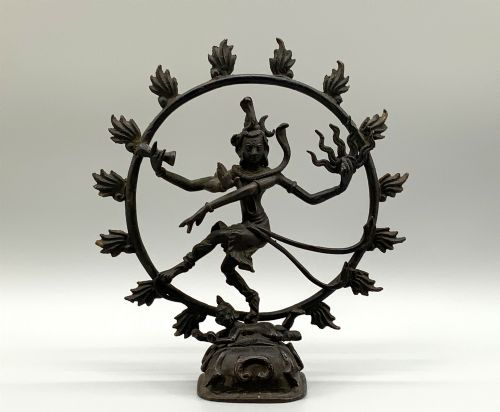


Asian Bronze Artwork
Asian bronze artwork brings substantial sculptural weight and ritual presence into a room, spanning centuries of Asian casting traditions.
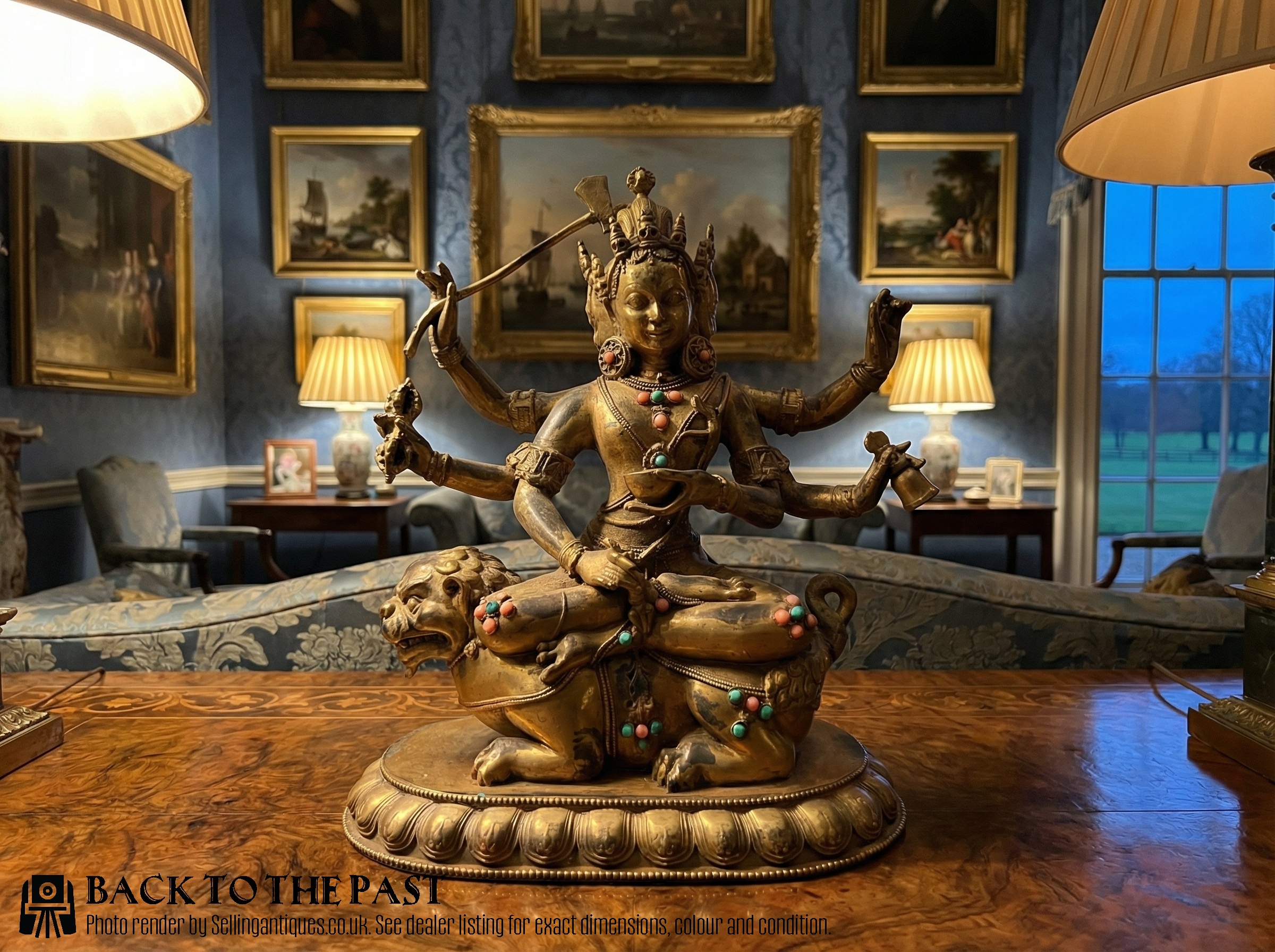
Asian Bronze Artwork
When you search for asian bronze artwork, you encounter cast metal figures, vessels, and decorative plates originating from across Asia. The selection includes deity figures, garden sculptures, and chargers spanning multiple centuries.
The objects vary widely in form, from large dragon okimono and sacred figures to cloisonne enamel plates and mixed metal vases. These pieces represent distinct regional traditions, including Japanese, Indian, Chinese, and Burmese craftsmanship.
You are most likely to meet 19th-century Japanese and Indian works on this page, alongside earlier religious bronzes and decorative vessels. Each piece demonstrates the specific casting and surface techniques of its period of origin.
How they were made
The makers utilised bronze, copper, and gilt metal, frequently enhancing surfaces with silver wire, turquoise, coral, and cloisonne enamel. These materials provide the rich patination and vibrant colour contrasts characteristic of the regional styles.
Casting methods varied according to the object type, from complex figural sculptures of deities to large decorative plates and chargers. Surface finishing involved meticulous patination, gilding, and the application of enamel cells to create intricate visual detail.
Current listings feature bronzes from the 16th century through to the 1930s, incorporating materials such as turquoise, coral, and enamel.
What varies in quality
Quality rests upon the crispness of the casting and the refinement of surface detail, whether in the expression of a deity or the scales of a dragon. Superior examples display confident handling of form and sophisticated integration of secondary materials like enamel or gilt.
The depth and stability of the original patination further distinguish finer works, alongside the complexity of the decorative scheme. Pieces that retain their intended surface integrity and harmonious proportions command greater attention.
The Asian Bronze Artwork Glossary
- Okimono
- A Japanese display piece or ornament designed for interior decoration. These standalone sculptures often depict animals, figures, or natural subjects.
- Cloisonne
- A decorative metalwork technique where enamel paste is applied within wire compartments soldered to a metal base. The piece is subsequently fired and polished to a smooth finish.
- Gilt bronze
- Bronze metal that has been coated with a thin layer of gold or gold amalgam. This treatment provides a luminous golden surface while retaining the durability of the base metal.
- Patinated bronze
- Bronze treated with chemical solutions or natural processes to alter its surface colour and texture. This finish protects the metal and adds visual depth to the sculpture.
Asian Bronze Artwork: Frequently Asked Questions
What is asian bronze artwork?
Asian bronze artwork encompasses cast metal sculptures, ritual figures, vases, and decorative plates created across various Asian regions and centuries. These pieces reflect specific cultural and religious traditions through distinct casting and finishing methods.
The selection ranges from sacred Indian and Tibetan deity figures to large Japanese garden ornaments and detailed cloisonne enamel chargers.
How do I identify the period?
Identifying the period involves examining the stylistic conventions, casting techniques, and material combinations typical of specific eras such as the Meiji period or Qing dynasty. Regional artistic traits and decorative motifs often provide clear chronological indicators.
Comparing the patination and construction methods with documented examples helps establish the likely date of manufacture.
Where were these pieces made?
These works originate from diverse workshops and centres of production across Asia, including Japan, India, China, and Burma. Each region developed distinct metallurgical and artistic traditions that influenced the final form of the bronze.
Local aesthetic preferences and religious practices shaped the design of ritual figures, decorative vessels, and display pieces alike.
How should I clean bronze?
Bronze objects generally require minimal intervention, needing only gentle dusting with a soft, dry cloth to maintain their surface condition. Avoid using chemical cleaners, abrasives, or water, which can damage the original patination and delicate inlays.
Consult a professional conservator if deeper cleaning or structural stabilization becomes necessary.
What materials are used?
The primary material is bronze or copper, frequently enhanced through gilding, patination, and the addition of cloisonne enamel. Secondary materials such as silver wire, turquoise, and coral often appear as decorative accents.
These varied materials contribute to the rich surface textures and chromatic contrast seen across different pieces.