





Green Patina Statue
A green patina statue brings aged metal character and sculptural presence into a room, drawing the eye with its weathered oxidised surface.

Green Patina Statue
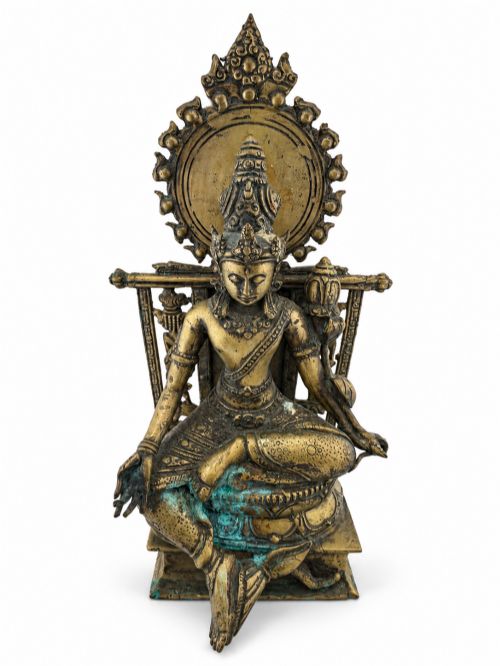
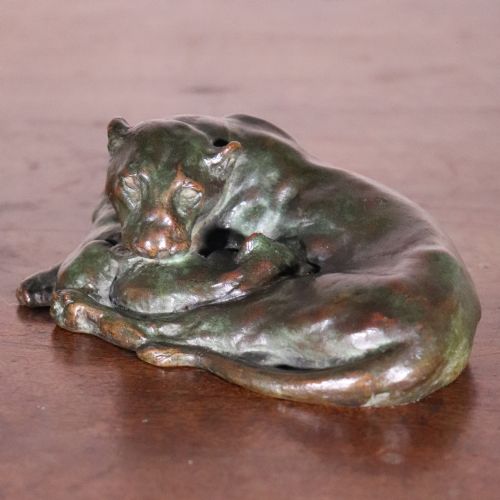
A green patina statue encompasses figures, animals and deities cast in bronze, copper alloy, brass and spelter, carrying natural or artificial oxidation that mimics the effect of age. Buyers hunting for a green patina statue find works ranging from religious deities and classical mythological figures to French animalier dogs and decorative garden cranes.
The pieces listed on this page span several centuries and global traditions, reaching from nineteenth-century European animal sculptures to sixteenth-century Javanese temple bronzes and Tibetan Buddhist shrines. Victorian animalier studies and art deco hounds sit alongside grand tour classical figures and traditional garden pieces, showing the vast geographical spread of this patinated metalwork.
Most examples rely on the inherent properties of copper-bearing metals to form the characteristic green surface, though some utilise applied chemical finishes over spelter or cast metal. The forms vary from intimate desk paperweights and cabinet bronzes to large garden statues and shrine figures, each displaying a distinct silhouette shaped by its maker's cultural context.
Materials and casting methods
Foundry work for these sculptures primarily involves bronze, copper alloy and brass, with alternative pieces cast in spelter or base metal. Molten metal flows into moulds using traditional techniques, capturing fine details from fur texture to facial expressions.
The distinct surface colouration arises either from centuries of atmospheric exposure or from chemical agents applied by the foundry to accelerate oxidation. Artisans finish the metal with patination solutions to achieve the deep green tones seen across the collection.
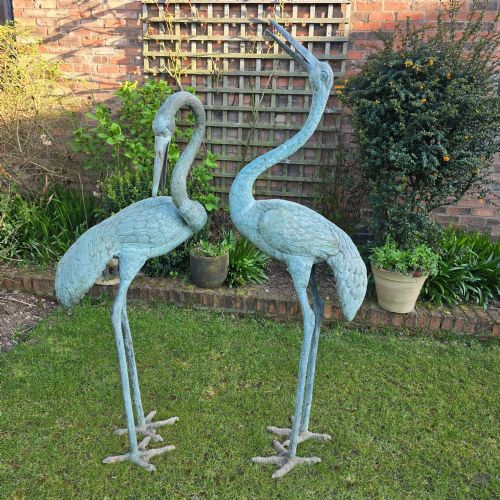
Even metal cranes need good posture when standing in the garden.
Assessing quality in patinated metalwork
Quality rests heavily on the sharpness of the casting and the fidelity of the chasing work performed after the metal cools. Superior pieces retain crisp anatomical details, clean casting seams and a stable patinated skin that adheres securely to the underlying metal.
Artistic authorship and foundry reputation elevate certain sculptures above standard decorative objects. Pieces bearing clear signatures of known sculptors or marks from established foundries demonstrate a higher degree of sculptural refinement and metalworking skill.
C Masson·Anna Vaughn Hyatt Huntington·Ugo Cipriani·AL Barye·Barbedienne
The Green Patina Statue Glossary
- Patina
- The surface coloration and oxidation layer that develops on metal over time or through chemical treatment. This chemical skin protects the underlying metal and provides the characteristic green aesthetic.
- Spelter
- An alloy of zinc and lead, often used as a cheaper alternative to bronze in decorative figures. It is softer than bronze and frequently coated to resemble heavier metals.
- Animalier
- A nineteenth-century sculptural movement focused on realistic depictions of animals, particularly dogs, lions and horses. Practitioners observed their subjects closely to capture natural movement.
- Okimono
- A Japanese decorative object designed for display, typically carved or cast in metal or ivory. These standalone sculptures range from small cabinet pieces to large garden ornaments.
- Grand Tour
- The traditional travel itinerary undertaken by European nobility to study classical art and antiquities. Souvenirs collected along the way often included small-scale bronze copies of ancient sculptures.
Green Patina Statue: Frequently Asked Questions
What causes the green colour on these statues?
The green colour is a patina formed by the oxidation of copper, brass or bronze when exposed to air and moisture over long periods. Artisans also replicate this chemical process in workshops using acids to age the metal quickly.
This weathered skin gives the metal its historic appearance, protecting the underlying alloy while creating depth in the recessed areas of the sculpture.
Are all green patina statues made of bronze?
Not all pieces are cast in bronze, although bronze is the most common material for traditional and antique examples. Other materials include copper alloy, brass, spelter and general cast metal.
Heavier pieces usually indicate copper-rich alloys, while lighter decorative figures from later periods often utilise spelter or mixed metals finished with a surface coating.
How should I clean a patinated metal statue?
Cleaning should be kept to a minimum to preserve the historic surface and the stable layer of oxidation. Dusting with a soft, dry cloth is usually sufficient for regular maintenance.
Harsh chemical cleaners, abrasives and water must be avoided because they can strip away the patina and expose the bright raw metal underneath.
How do I identify the age of a metal sculpture?
Dating relies on examining the casting technique, the style of the base, the wear patterns and any foundry marks or artist signatures present on the metal. Earlier pieces often show hand-chased details and natural wear beneath the oxidation.
Stylistic indicators, such as art deco geometric lines or nineteenth-century animalier realism, also help place the sculpture within a specific period.