




British Maritime Oil Painting
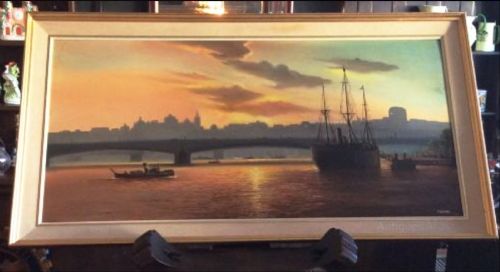
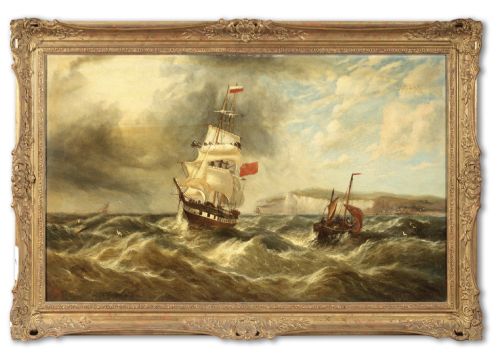
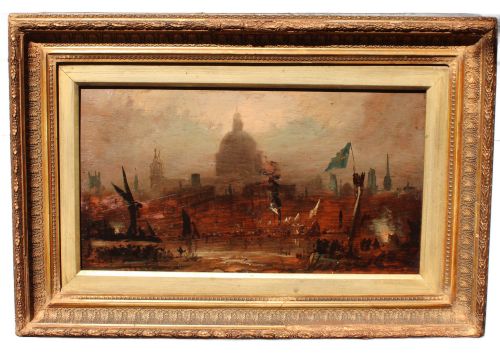
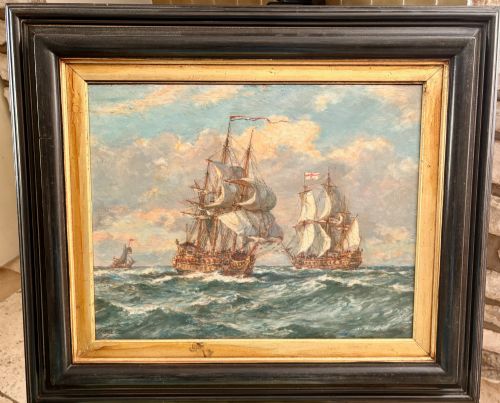
These pieces of british maritime oil painting capture coastal scenes and historic vessels, offering a direct window into naval history and marine life.
British Maritime Oil Painting
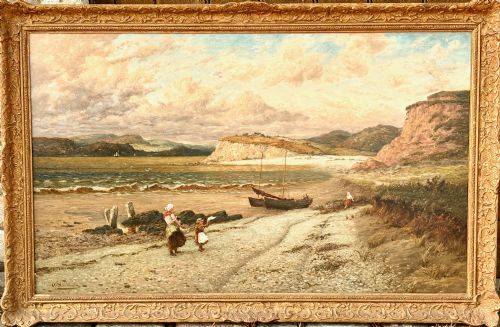
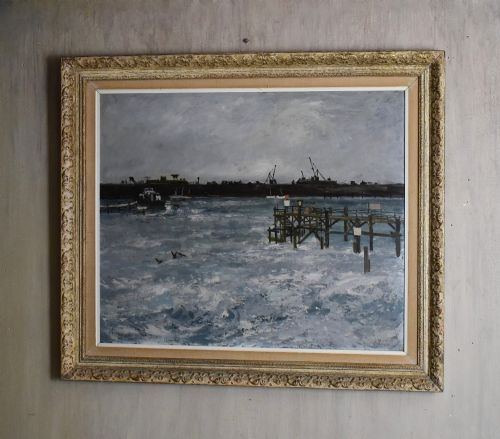
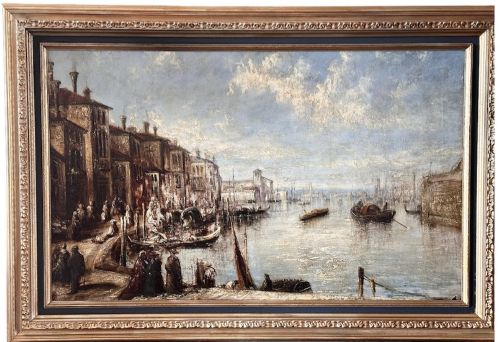
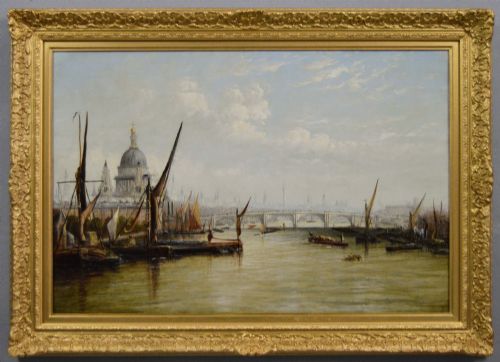
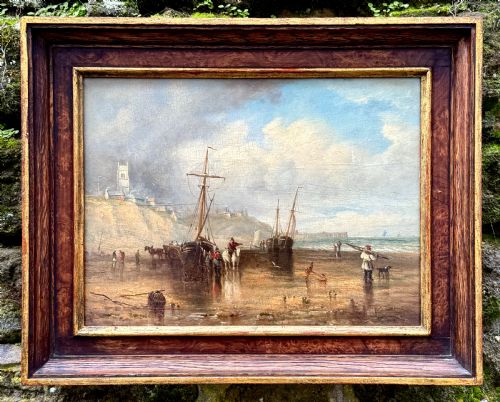
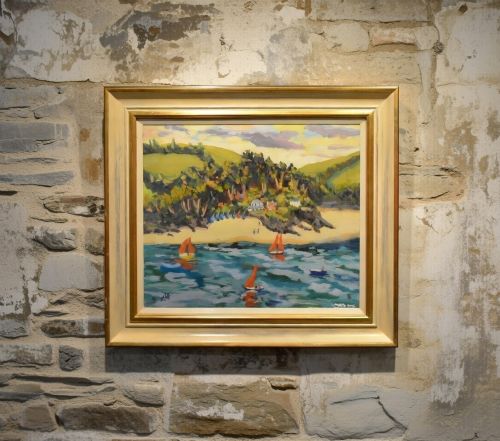
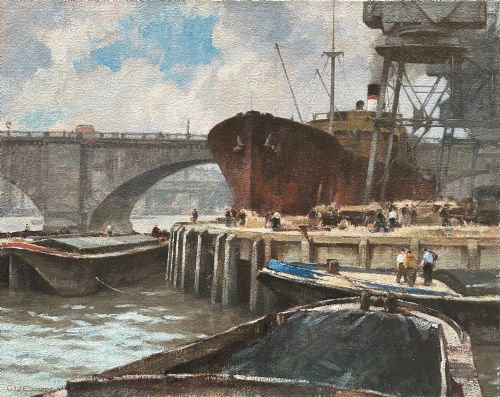
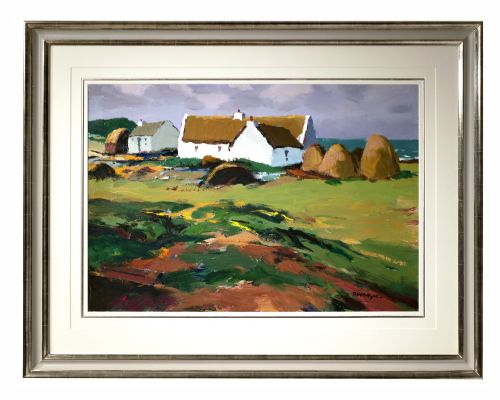
A british maritime oil painting depicts coastal views, fishing boats, and turbulent seas across the nineteenth and early twentieth centuries. These works range from Victorian marine scenes to Edwardian realism and British impressionism.
Collectors most frequently meet nineteenth century and Edwardian canvases on this page, often framed in gilt wood or gold leaf. Subjects span specific locations such as the Cornwall coast and the Isle of Man alongside dramatic historical narratives.
The objects listed take the form of framed oil paintings on canvas, reflecting traditional maritime art traditions. Works span the period from the nineteenth century through the early decades of the twentieth century.
How they were made
These works utilise oil paint applied to canvas supports, framed within wood and giltwood structures that often feature period gilding. Artists built up pigment layers to render the movement of water and the atmosphere of coastal weather.
Makers housed these canvases in wooden frames finished with gold leaf or gilding to complement the maritime subject matter. The physical construction combines traditional stretcher frames with decorative period framing.
British Maritime Oil Painting Retail Price Guide 2026
Typical asking prices for british maritime oil painting among the pieces listed under this phrase on Sellingantiques today, from the lower quarter to the upper quarter. They describe what is for sale here now, not the wider market.
Several canvases capture boats making a run for home or heading toward Trafalgar, proving that nineteenth century sailors were just as keen to beat the weather as anyone else.
What varies in quality
Quality rests in the handling of light and water, where skilled artists capture the realism of turbulent seas and coastal atmosphere. The conviction of brushwork and the accuracy of vessel rigging distinguish superior works from simpler decorative pieces.
The preservation of the original canvas and the integrity of the period gilt wood frame contribute to the overall standing of the work. Evidence of the artist's specific hand, as seen in named works, elevates the piece above anonymous school paintings.
Bernard Gribble·William Henry Williamson·Alfred Henry Vickers·Charles Napier Hemy·Daniel Sherrin·Fred Dade
The British Maritime Oil Painting Glossary
- Gilt Wood
- Wood treated with gold leaf or metallic gilding to create a bright decorative frame. This finish is typical for nineteenth century marine frames.
- Canvas
- Woven fabric stretched across a wooden frame to serve as the painting support. Oil paint is applied directly to this prepared surface.
- Victorian
- A period designation covering the nineteenth century. In maritime art, this era encompasses detailed realism and dramatic sea conditions.
- Edwardian
- A period spanning the early twentieth century up to the First World War. Works from this time often show lighter palettes and impressionistic brushwork.
British Maritime Oil Painting: Frequently Asked Questions
What periods do these paintings cover?
The available works span the nineteenth century and the Edwardian era, extending into the nineteen tens and twenties.
This timescale captures the transition from Victorian maritime realism to early twentieth century impressionism.
How should I frame these canvases?
Many examples retain their original gilt wood or gold leaf frames from the period of creation. Preserving these historic frames maintains the integrity of the piece.
Replacement frames should respect the nineteenth or early twentieth century origins of the artwork.
Where were these scenes painted?
Locations include the Cornwall coast, St Michael's Mount, and Garwick Bay on the Isle of Man. Artists painted both specific coastal landmarks and open sea scenes.
Specific regional titles help identify the exact stretch of British coastline depicted.
How do I identify a marine school painting?
Works attributed to a British School represent anonymous artists working within traditional maritime styles of the period. These contrast with pieces bearing the signature or documented attribution of a known painter.
Both signed works and school pieces share identical painting techniques and material use.