



Brass Wall Platter
A brass wall platter brings strong ornament and historic metalwork into a room, offering striking circular form and rich surface detail.
Brass Wall Platter
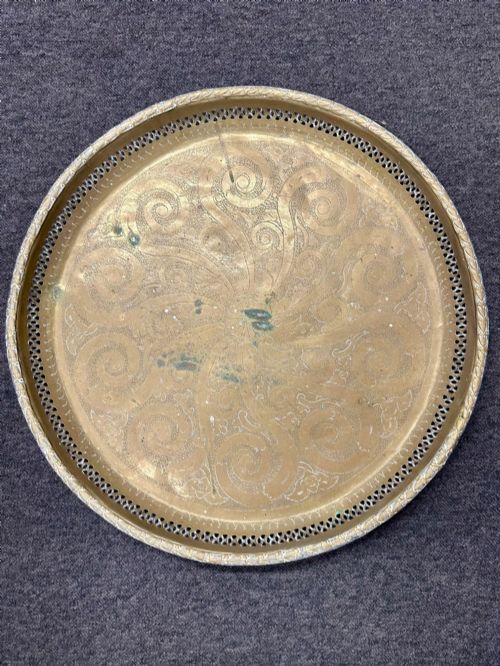
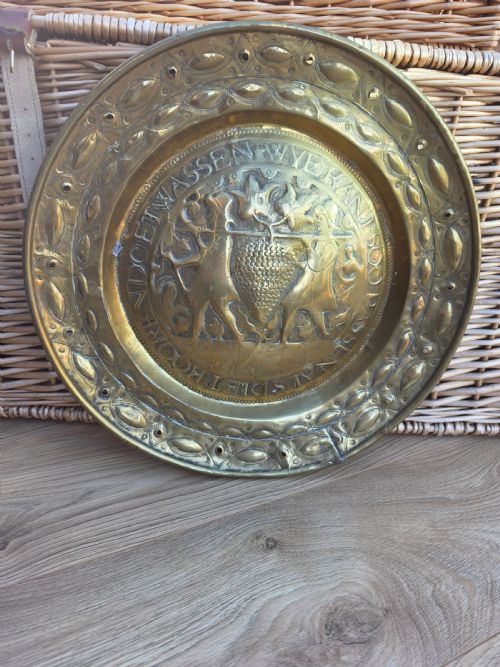
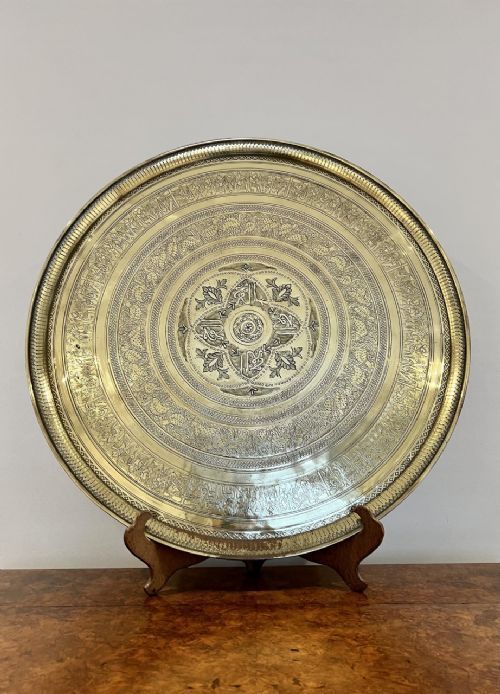
A brass wall platter encompasses decorative chargers, wall plaques, and large circular trays originating from various global traditions and domestic British workshops. When you search for a brass wall platter, you encounter diverse aesthetic movements spanning the eighteenth, nineteenth, and early twentieth centuries.
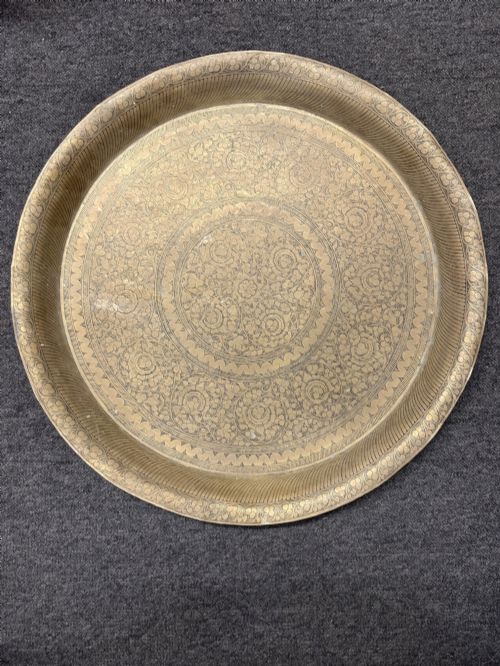
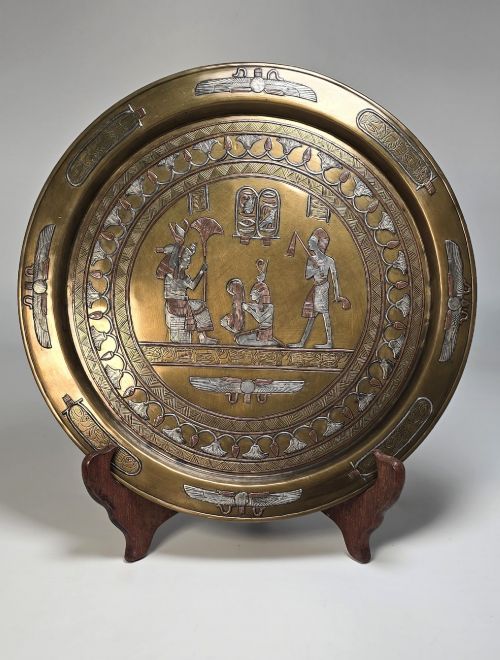
Domestic Victorian and Edwardian examples sit alongside imported Anglo-Indian Raj period chargers and Egyptian revival items. Each piece functions primarily as wall display, utilising circular formats to showcase intricate motifs from floral designs to classical figures.
How they were made
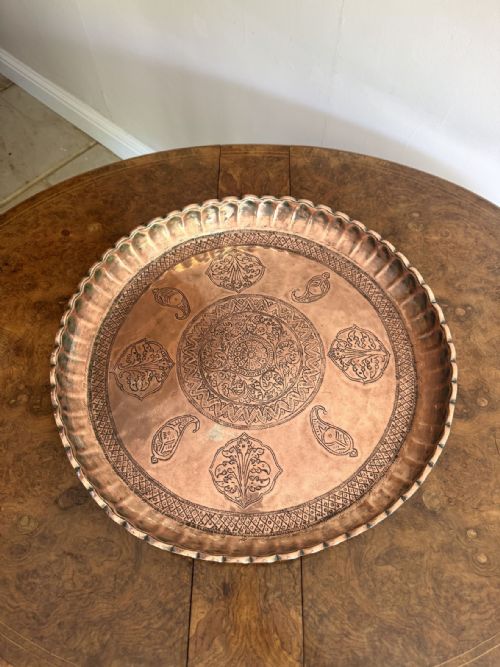
Metalworkers shaped these objects through hammering, repousse, and casting using brass, copper, bronze, and patinated metal surfaces. Artisans raised designs from the reverse side or incised lines directly into the metal plate to create relief.
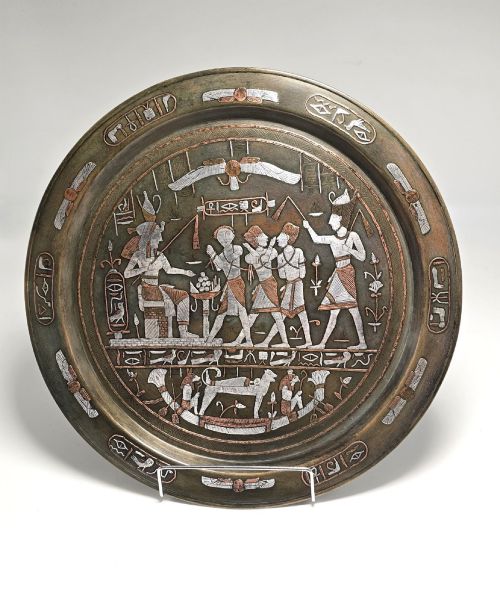
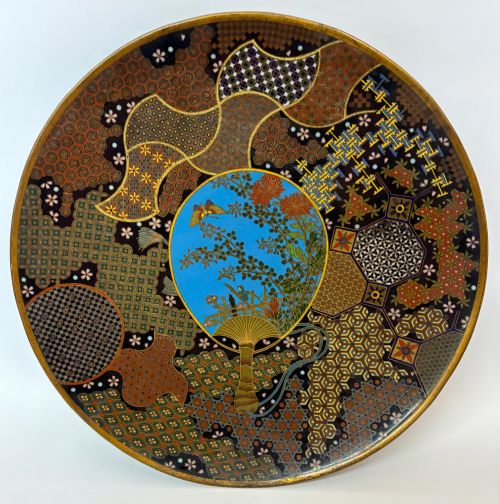
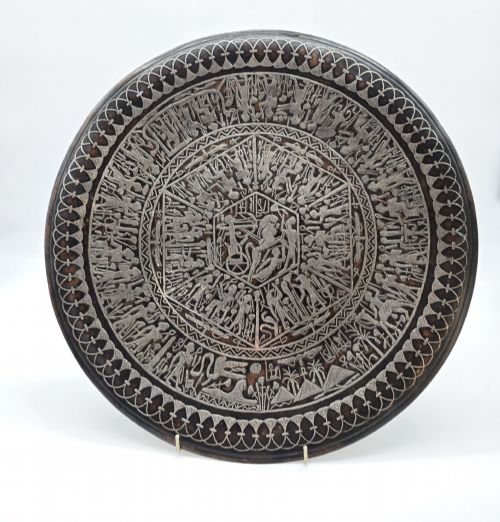
Inlaid pieces incorporate silver, copper, and mixed metal wire or sheet into dark metallic grounds, particularly seen in Middle Eastern Cairo Ware. Cloisonne examples fuse glass enamel within metal wire partitions soldered to a base plate, fired to produce vibrant pictorial scenes.
Brass Wall Platter Retail Price Guide 2026
Typical asking prices for brass wall platter among the pieces listed under this phrase on Sellingantiques today, from the lower quarter to the upper quarter. They describe what is for sale here now, not the wider market.
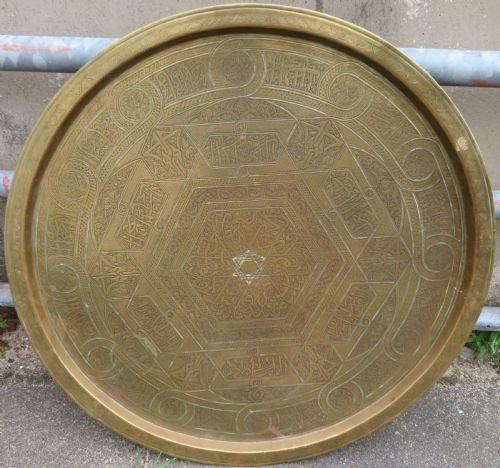
The listings show diverse origins spanning nineteenth-century Japanese cloisonne, Egyptian Cairo Ware, and British Arts and Crafts hammered brass.
What varies in quality
The distinction between ordinary production and superior execution rests on the crispness of the chasing, the depth of the repousse relief, and the precision of inlaid work. Master craftsmen achieved complex pictorial depth through controlled hammer work and fine engraving.
Material selection and decorative ambition separate standard utilitarian trays from exhibition-grade chargers. Finer items integrate multiple metals, complex enamel colour palettes, or detailed figural subjects executed with notable balance across the circular surface.
The Brass Wall Platter Glossary
- Charger
- A large decorative plate or platter intended for display on a wall or sideboard rather than dining use. These items command visual attention through their substantial diameter and ornamented surface.
- Repousse
- A metalworking technique where the artisan hammers a design from the reverse side to create a raised relief on the front. This method gives texture and depth to floral and figural motifs.
- Cairo Ware
- Metalwork produced in Egypt during the nineteenth and early twentieth centuries, heavily inlaid with silver and copper. These pieces typically feature Islamic geometric patterns and calligraphy.
- Cloisonne
- An enamel technique where metal wires form small compartments on a metal base, filled with coloured glass paste and fired. Japanese examples frequently depict birds, flowers, and landscapes.
- Mixed Metal
- An approach combining brass, copper, bronze, and silver within a single composition to create contrasting tones. This method highlights different decorative elements across the platter surface.
Brass Wall Platter: Frequently Asked Questions
How do I hang a brass wall platter safely?
Display these heavy metal items using a secure, adjustable brass plate hanger that grips the rim evenly without straining the metal body. Ensure the wall fixing fastens firmly into solid masonry or a timber stud.
Avoid using adhesive discs or simple wire loops attached to old solder repairs. Distribute the weight properly so the charger remains stable and secure against the wall surface.
How do I clean an antique brass platter?
Remove dust gently using a soft, dry cloth without applying commercial chemical dips or abrasive metal polishes. Preserving the dark patination maintains the historic character and visual depth of the engraved or hammered surface.
Aggressive cleaning strips away centuries of ageing and can damage delicate silver wire inlays or enamel work. Light maintenance preserves both the appearance and the material integrity of the piece.
How do I tell Arts and Crafts brass apart from other styles?
Arts and Crafts chargers display visible hand-hammered paddle marks across the brass surface, reflecting individual artisan craftsmanship. Motifs often draw from local nature, featuring stylized fish, fountains, or flora.
In contrast, Middle Eastern or Japanese pieces rely on dense geometric engraving, silver inlay, or coloured cloisonne enamel. Recognising these distinct decorative vocabularies clarifies the origin of each platter.
Were these platters meant for dining?
Most pieces catalogued as wall platters or chargers functioned primarily as decorative display items rather than tableware. Their intricate surface engraving, raised repousse details, and delicate enamel work make them unsuitable for serving food.
Historical examples from domestic Victorian workshops and international trade exhibitions served to ornament elite interiors. Their heavy metal construction and pictorial designs were intended solely for visual appreciation.