


19th Century Brass Relief
19th century brass relief pieces encompass wall plaques, fire screens and decorative vessels forged with raised metalwork from the Victorian era.
19th Century Brass Relief
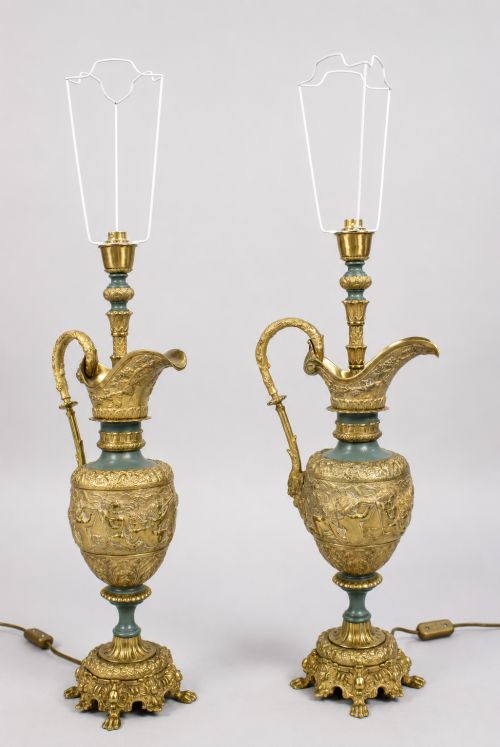
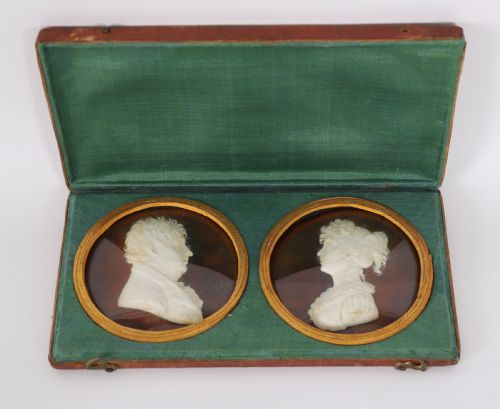
These items bring sculptural metalwork into domestic interiors through items such as wall plaques, fire screens and decorative vessels. The pieces span the nineteenth century, taking forms that range from neoclassical platters to Grand Tour portraits and decorative plaques.
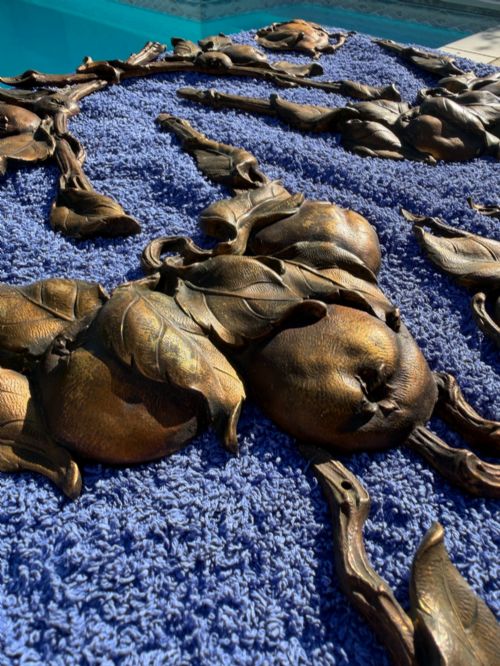
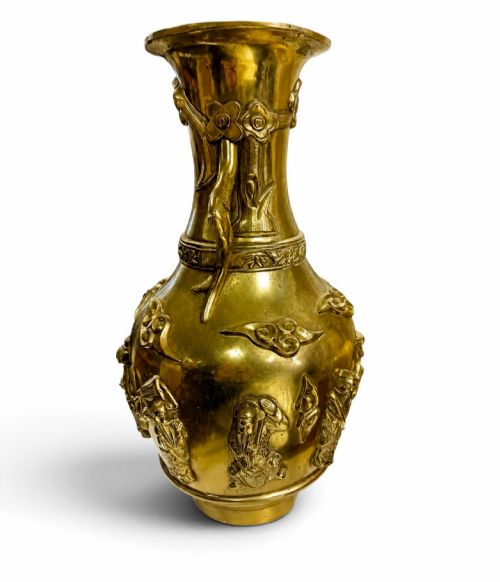
Buyers frequently encounter items originating from British, French and Asian workshops, reflecting diverse stylistic influences from Victorian neo-classicism to Qing dynasty motifs. These objects served both decorative and functional roles in period homes, displaying scenes of mythological figures, historical leaders or intricate floral patterns.
How they were made
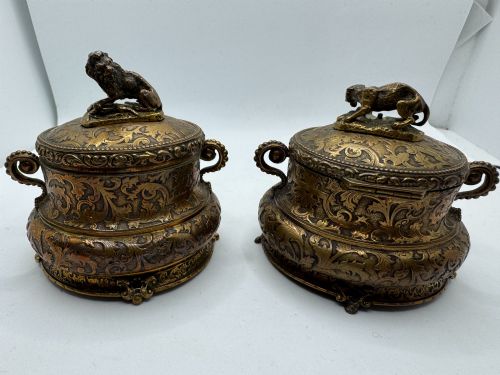
Craftsmen shaped these items using brass, bronze and gilt metal, often employing casting, repoussé and chasing techniques to raise designs from the sheet metal. Electro-forming also appears in the period, allowing the replication of complex three-dimensional forms for jewellery caskets and trinket boxes.
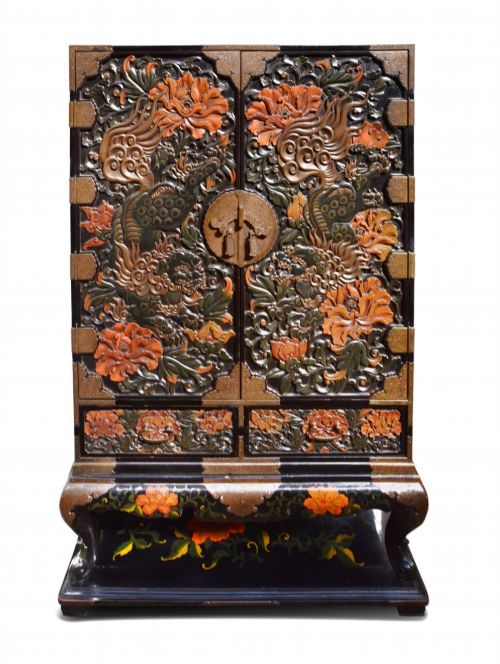
Secondary materials such as wood, glass and enamel complement the metalwork in cabinets, frames and decorative caskets. Gilding and silvering were frequently applied to the finished metal surface to enhance the visual depth of the raised relief scenes.
Listings feature items from the 19th century, Georgian and Victorian periods, incorporating brass, bronze, gilt metal, wood and enamel.
What varies in quality
The crispness and depth of the hammered or cast relief define the visual success of the piece, separating finely chased examples from flat or mechanically stamped alternatives. Details in facial expressions, drapery and background motifs require precise handwork to achieve distinct artistic merit.
The integrity of the underlying metal and the preservation of original gilt, bronze or silvered surfaces dictate the overall character of the object. Heavier gauges of brass and well-preserved secondary materials like teak or lacquer indicate superior manufacture from the period.
Poix Blin·AB Paris
The 19th Century Brass Relief Glossary
- Repoussé
- A metalworking technique where the metal is hammered from the reverse side to form a raised design on the front. This method is central to the creation of many plaques and decorative panels.
- Chasing
- The complementary process to repoussé, executed on the front side of the metal to refine details, sharpen edges and add texture. Chasers use small punches and hammers to bring clarity to the raised motifs.
- Electro-form
- A manufacturing process using electroplating to grow a metal shell over a mould, producing detailed decorative caskets and vessels popular in the late nineteenth century.
- Gilt Bronze
- Bronze metal coated with a thin layer of gold or gold-coloured alloy to give a rich, reflective surface finish. It appears frequently on French and Swedish decorative items.
- Plaque
- A flat ornamental plate of metal, porcelain or wood intended for wall hanging or display. These often feature historical or mythological scenes in high relief.
19th Century Brass Relief: Frequently Asked Questions
How were brass relief plaques displayed?
These items were typically hung on interior walls or mounted within dedicated architectural spaces to showcase craftsmanship and classical subjects.
Larger pieces like fire screens stood near hearths to deflect heat while adding decorative focal points to period reception rooms.
What styles influence 19th century metalwork?
Neoclassical and Victorian styles dominate Western pieces, drawing inspiration from classical mythology, historical figures and grand tour motifs.
Eastern aesthetics also appear through Chinese Qing dynasty designs and Anglo-Indian Raj period objects, which feature distinct dragons, immortals and regional ornamentation.
How do I care for antique brass?
Keep the metal away from direct moisture and humid environments to prevent active oxidation and surface degradation.
Dust gently with a soft, dry cloth rather than applying harsh chemical polishes that can strip away original gilding and patination.
What is the difference between brass and bronze?
Brass is an alloy primarily composed of copper and zinc, yielding a brighter golden hue suitable for hammered relief plaques and decorative caskets.
Bronze contains copper and tin, producing a heavier, darker metal often utilised for cast vases, ewers and neoclassical platters.