


Brass Tray Table
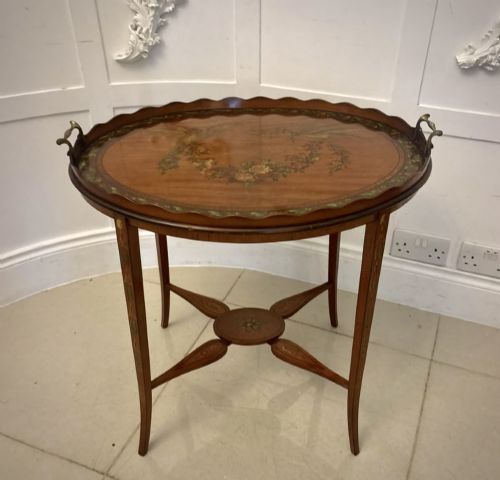
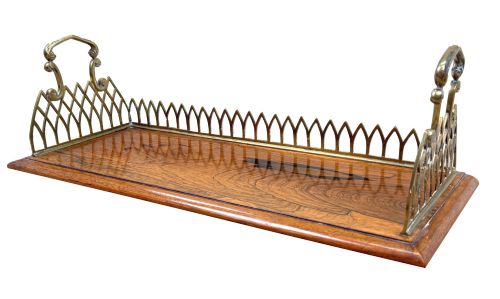
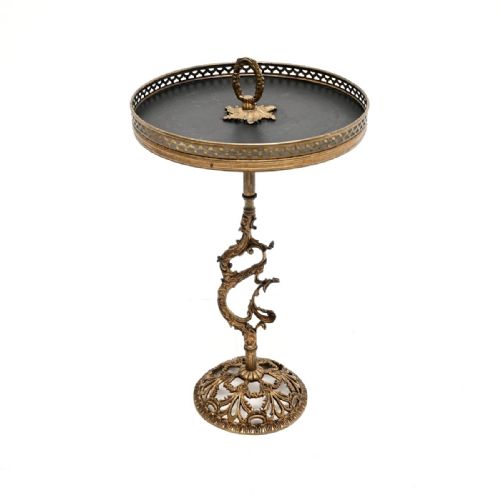
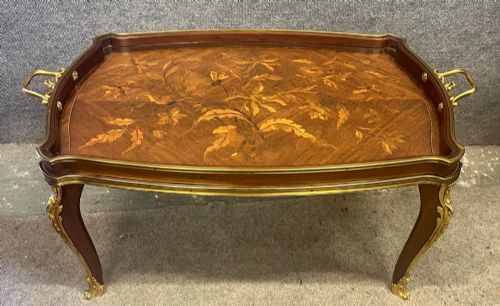
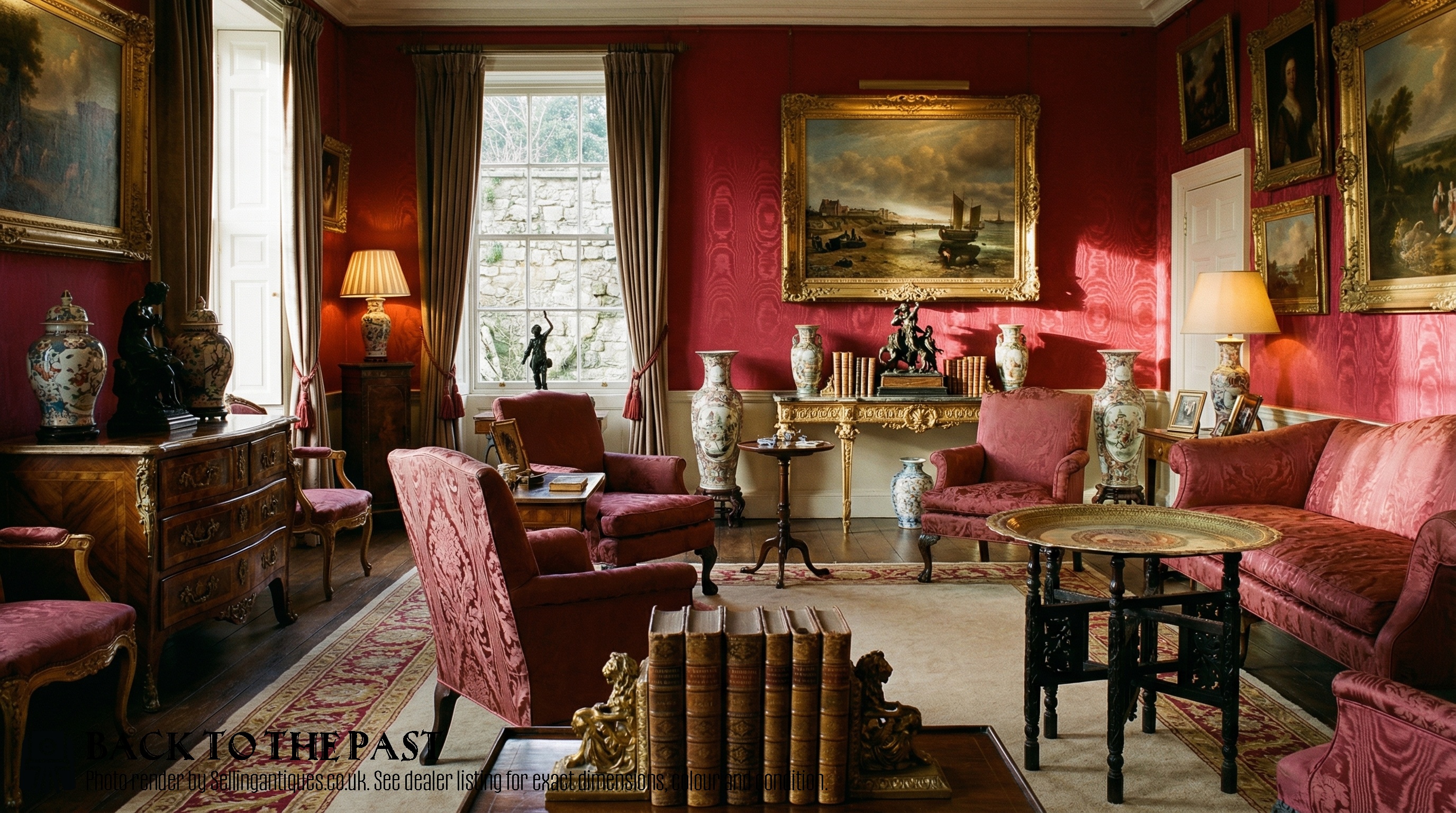
A brass tray table brings a distinct blend of utility and intricate metalwork into a room, serving as both a practical surface and a striking focal point.
Brass Tray Table
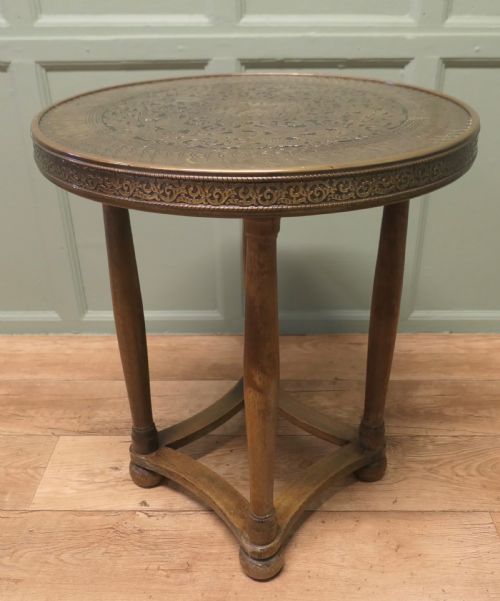
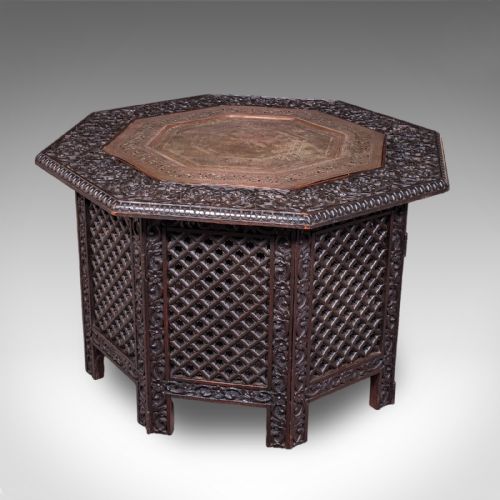
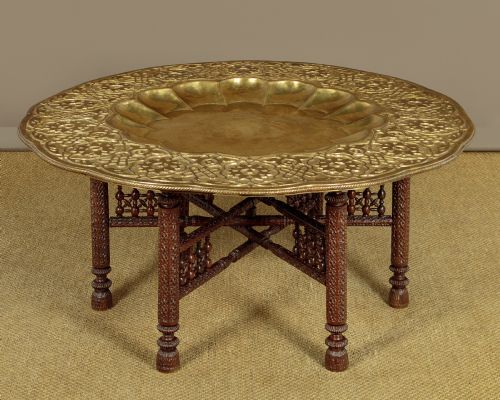
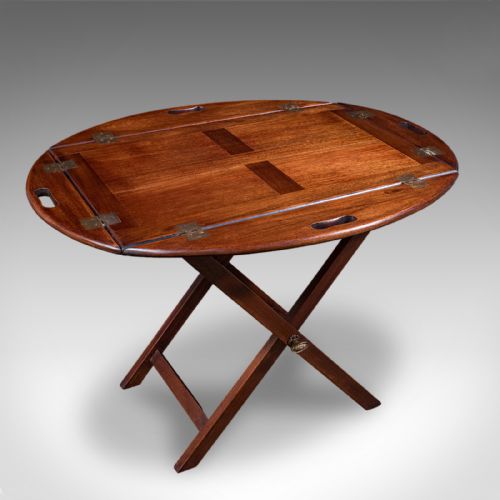
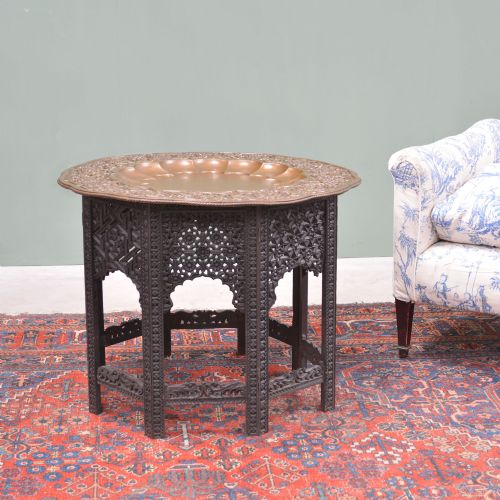
A brass tray table typically combines a removable metal top with a supporting wooden or bamboo stand, serving as a versatile piece for living spaces.
These items span periods from the nineteenth century through the early twentieth century, encompassing styles such as Anglo-Indian, Persian, and Edwardian.

Materials and construction
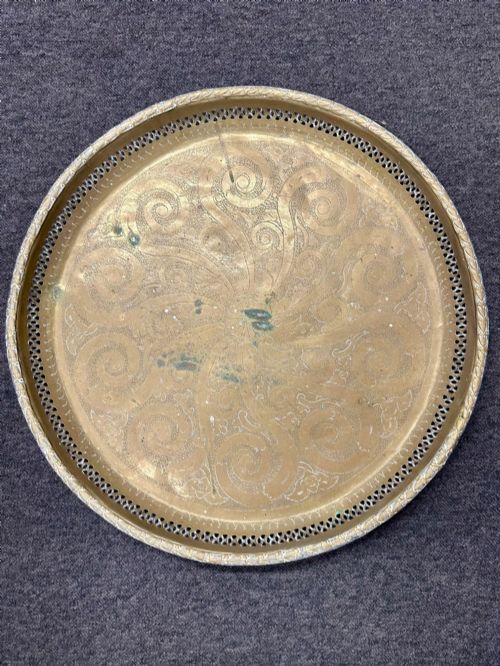
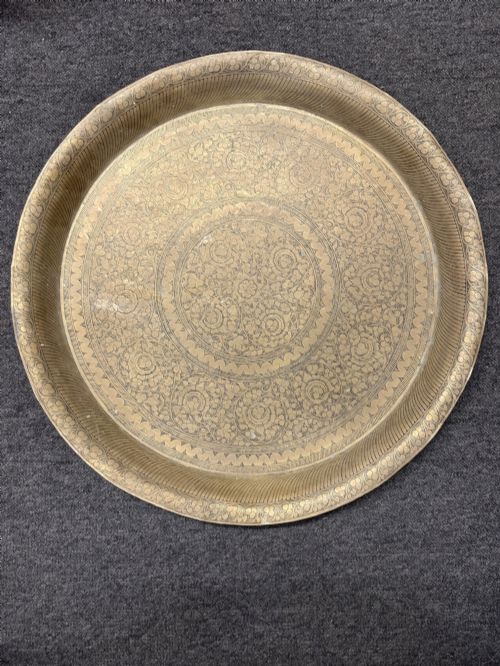
The trays are frequently formed from sheet brass, copper, or mixed metals, finished with hand-engraved or chased surface decoration depicting floral, geometric, or figural motifs.
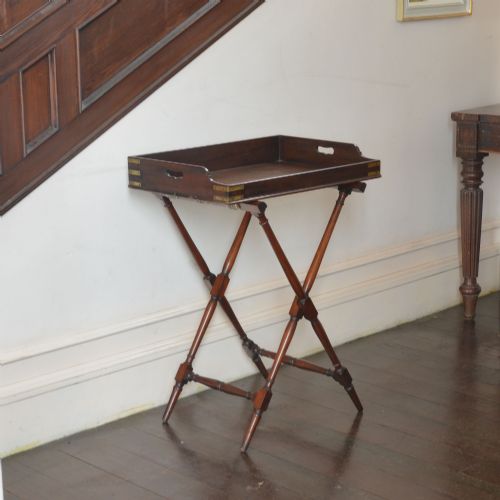
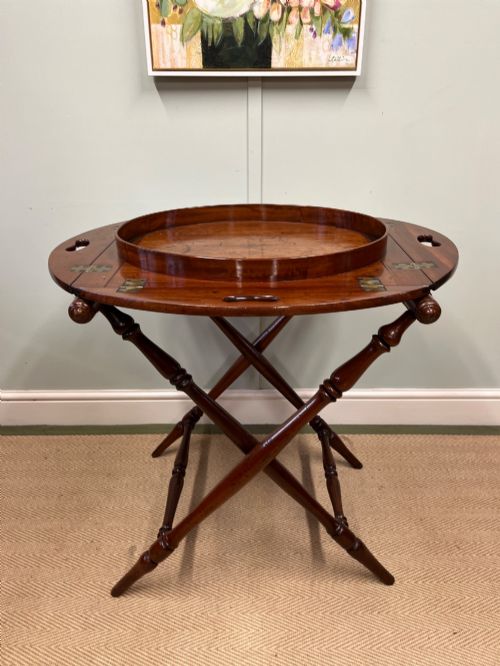
Supports utilise native hardwoods, mahogany, teak, or bamboo, often shaped into collapsible X-frame stands designed for easy storage or transport.
Brass Tray Table Retail Price Guide 2026
Typical asking prices for brass tray table among the pieces listed under this phrase on Sellingantiques today, from the lower quarter to the upper quarter. They describe what is for sale here now, not the wider market.
Several folding stands were originally built to pack flat for colonial officers moving across distant territories.
Evaluating quality and execution
Quality rests primarily on the depth and crispness of the hand-engraving upon the metal surface, distinguishing deeply chased work from shallow, mechanical stamping.
The stability and joinery of the supporting stand dictate overall endurance, with tighter tolerances and substantial timber framing separating finer examples from lighter, utility pieces.
The Brass Tray Table Glossary
- Chased
- Metalworking technique where a design is hammered into the front surface of the brass using punches rather than removed by cutting. This pushes the metal inward to create raised relief details.
- Benares
- A traditional style of Indian brassware originating from Varanasi, characterised by dense, etched or engraved surface patterns filled with dark resin. These trays frequently feature animal and floral motifs.
- X-frame stand
- A folding wooden or bamboo base constructed with intersecting legs that allow the entire structure to collapse flat. It provides portable support for removable serving trays.
- Anglo-Indian
- A descriptive term for decorative arts produced in India during the British colonial period, combining traditional local craftsmanship with European furniture forms.
Brass Tray Table: Frequently Asked Questions
Are the trays removable from the stands?
Most traditional examples feature a loose tray resting directly on top of a folding or fixed base rather than being permanently attached.
This design originally allowed the tray to function independently for serving food or tea before being placed back onto the stand.
How do I care for the brass top?
Maintenance generally requires only gentle dusting with a soft cloth to preserve the natural aged patina developed over decades of handling.
Harsh metal polishes should be avoided on antique engraved surfaces to prevent removing the dark highlights within the chased details.
Can these tables support heavy items?
The structural capacity depends largely on the timber frame and the thickness of the metal tray rather than the surface area alone.
Solid hardwood or mahogany stands safely accommodate everyday objects like lamps and books, while lighter folding bamboo bases suit decorative display.
How do I identify an older piece?
Dating relies on examining the weight of the metal, the hand-cut tool marks on the underside of the tray, and the construction methods used in the wooden stand.
Nineteenth-century and early twentieth-century examples typically display irregular artisan hammering rather than the uniform machine stamping seen in later reproductions.