


Indian Brass Tea Table
An indian brass tea table brings warmth, intricate pattern and folding utility to a room through traditional metalwork and carved timber.
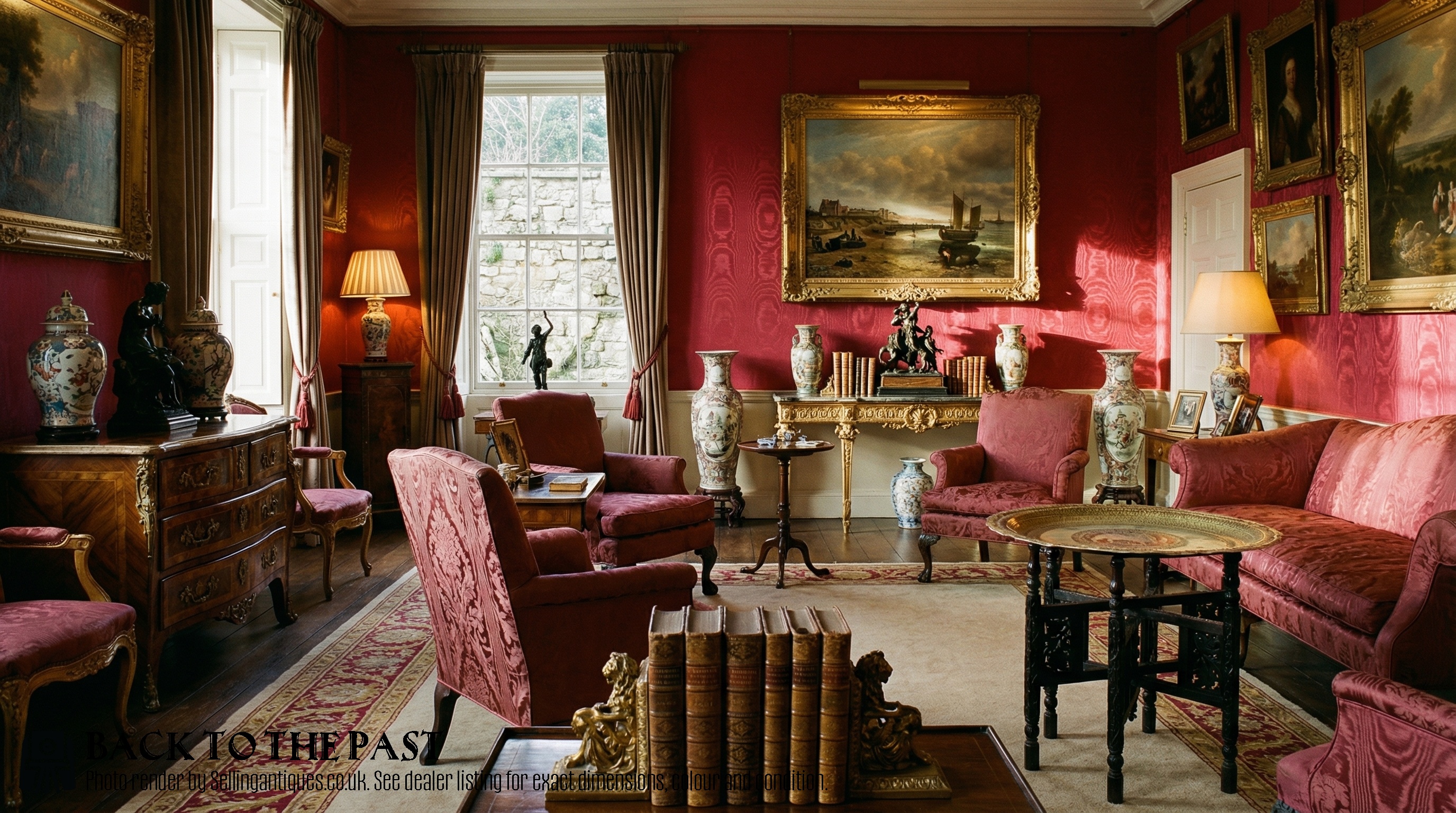
Indian Brass Tea Table
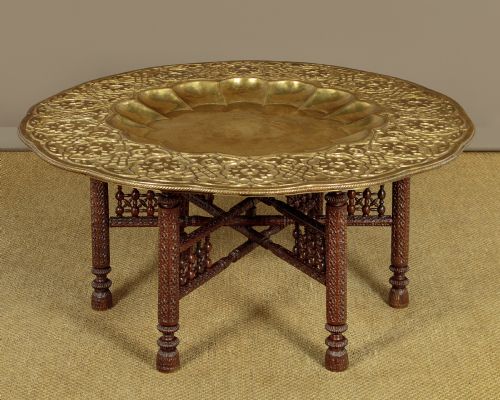
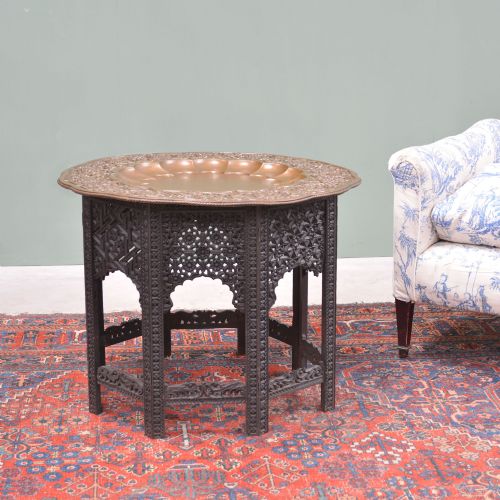
An indian brass tea table combines portable utility with ornamental metalwork, most commonly appearing as circular or octagonal tray top pieces resting on folding carved bases. These items emerge from various periods spanning the nineteenth century through the early twentieth century, reflecting Anglo-Indian, Persian and Colonial tastes.
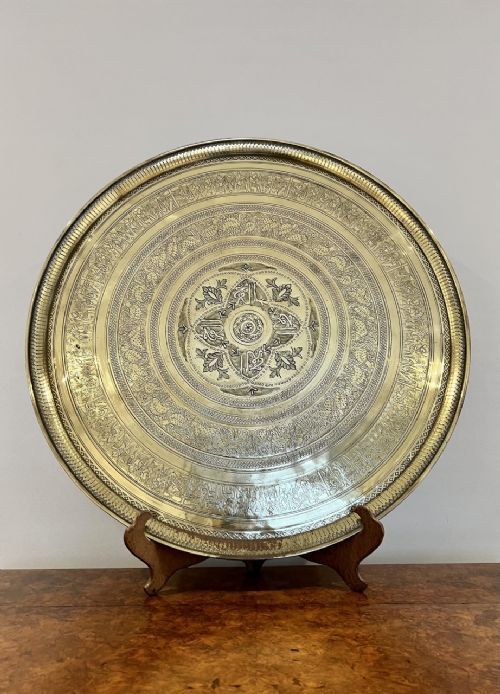
Buyers encounter distinct forms ranging from low occasional tables and coffee tables to removable decorative trays paired with collapsible stands. The construction frequently incorporates folding wooden frames alongside elaborate metal surfaces.
Origins stretch across regions such as Hoshiarpur and other North Indian centres, displaying distinctive regional preferences in geometric arrangement and surface patterning. The resulting pieces function equally well as static display furniture or collapsible service items.
Materials and construction methods
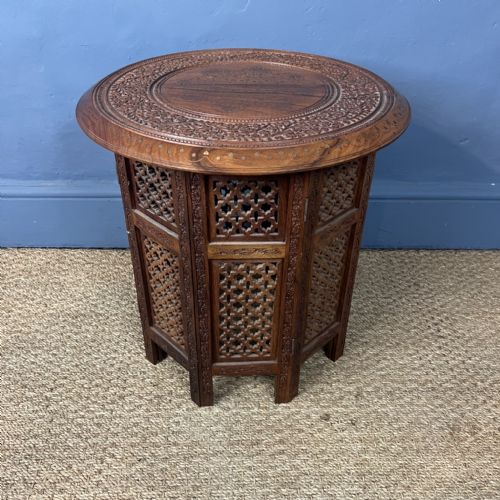
Makers built the structural framework using dense timbers such as teak, hardwood and rosewood, carved and pierced to create folding geometric stands. These wooden bases allow the furniture to pack flat for transport or storage.
The top surfaces utilise sheet brass, copper and mixed metal alloys, often engraved with dense foliate and figural motifs or inlaid directly into the timber. Artisans supplemented the metal inlay with bone details on select examples to heighten contrast against the dark wood.
Select tables arrive with complete tea service sets included, ready for an impromptu Victorian gathering.
Judging quality in construction and detail
Quality rests upon the depth and crispness of the hand engraving across the brass surface, alongside the precision of the wood carving on the folding base. Finer examples display tight joinery and dense, deliberate piercing rather than shallow stamping.
The choice of secondary materials also separates standard production from superior craftsmanship, with dense teak or rosewood frames paired with mixed metal inlay commanding closer attention.
The Indian Brass Tea Table Glossary
- Anglo-Indian
- A descriptive term for items produced in India under British rule, combining indigenous craft traditions with European furniture forms. These pieces often satisfy Western domestic requirements while retaining traditional local decoration.
- Hoshiarpur
- A town in Punjab renowned for its intricate inlaid woodwork, particularly associated with the integration of brass and bone into teak frames. Work from this centre is easily recognised by its dense geometric patterns.
- Tray top
- A removable metal tray resting upon a folding or rigid base, designed for serving refreshments. This portable construction forms the basis of many occasional tables.
- Inlay
- A technique where contrasting materials such as brass or bone are set flush into recesses carved within a wooden surface. This method creates smooth, patterned table tops.
- Occasional table
- A small, movable piece of furniture intended for light, specific use around a room rather than permanent placement. These items often feature collapsible stands for simple storage.
Indian Brass Tea Table: Frequently Asked Questions
How do I fold the base safely?
Most folding stands rely on interlocking wooden segments that pivot on a central hinge or cross pin. Lift the tray top completely clear before attempting to fold or adjust the wooden support frame.
Guide the hinged sections gently along their natural pivot points without forcing the wood. Ensure the joints align properly when opening the stand again to support the weight of the metal top.
How should I clean the brass top?
Dust the engraved surface regularly with a soft, dry cloth to prevent dirt settling into the recesses of the metalwork. Avoid harsh chemical polishes that strip the aged patina from the brass and copper.
If cleaning is necessary, use a mild, non-abrasive cleaner applied sparingly with a cloth, then dry the metal thoroughly. Take care to keep moisture away from the surrounding wooden frame.
Can these tables hold heavy items?
These pieces were originally designed for serving tea and light household use, meaning their folding frames suit moderate weights. They function well for lamps, books and decorative objects rather than heavy daily loads.
Check that the folding base is fully extended and locked into position before placing objects on the surface. Uneven weight distribution can strain the vintage hinges and carved wooden supports.
How do I date an older table?
Dating relies on examining the construction of the wooden base, the style of the brass engraving and the type of fixings used. Nineteenth-century examples often feature hand-cut joinery and heavy gauge brass plates.
Later pieces from the early twentieth century may display machine assistance or simpler piercing on the teak frames. Comparing the motifs to documented regional styles helps narrow down the period.