




Brass Tray Side Table
A brass tray side table brings portable metal serving work together with a stable wooden stand, offering practical surface space with distinct character.
Brass Tray Side Table
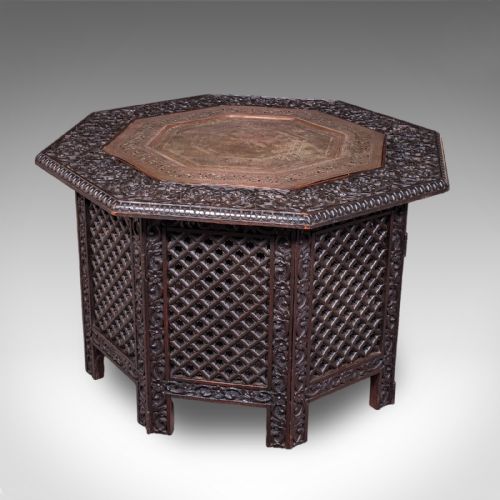
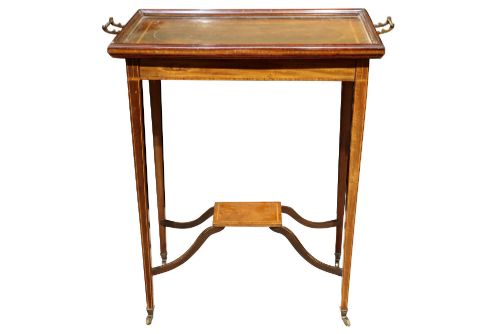
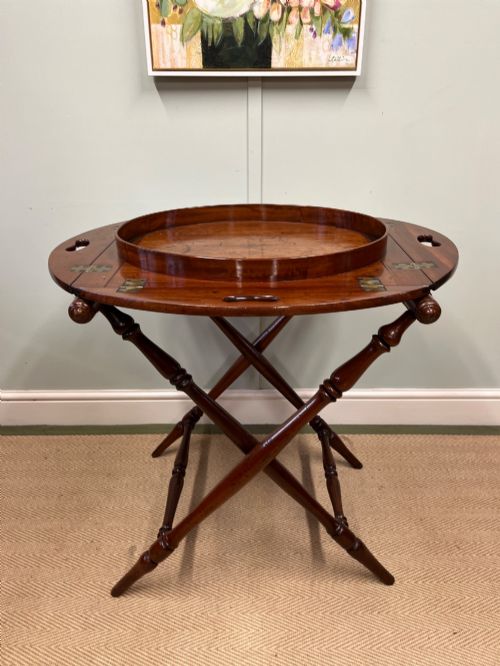
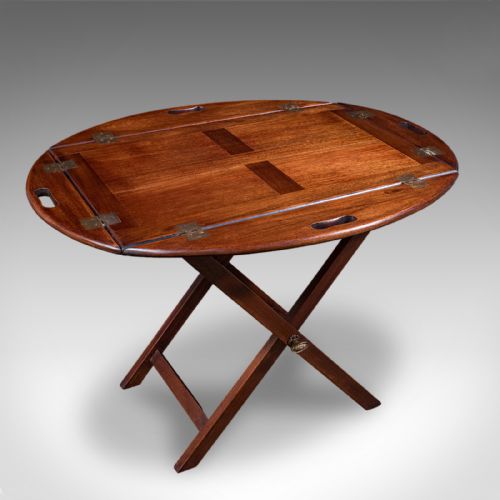
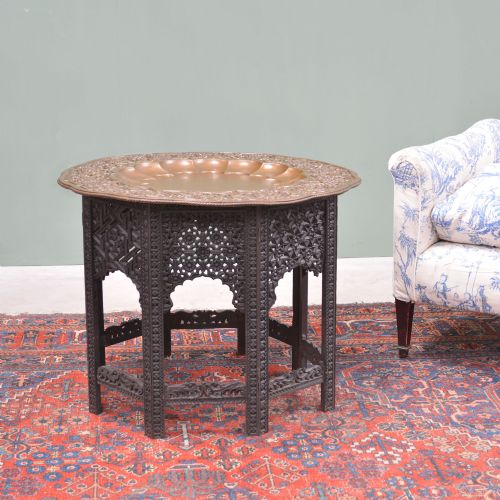
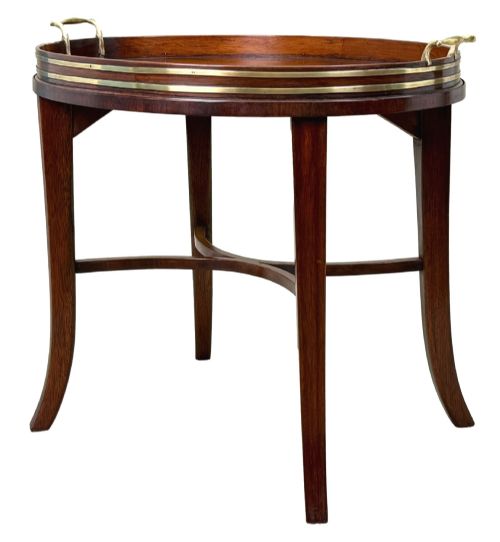
When searching for a brass tray side table, buyers encounter a functional blend of serving gear and furniture seen across the eighteenth, nineteenth, and early twentieth centuries. These forms include folding stands supporting removable metal plates, fixed etagere designs, and occasional pieces linked to Georgian, Edwardian, and Anglo-Indian traditions.
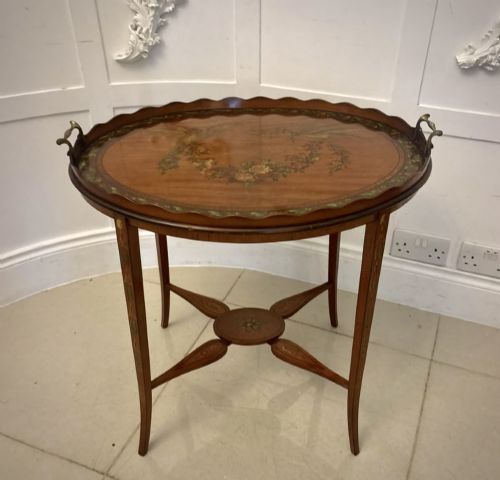
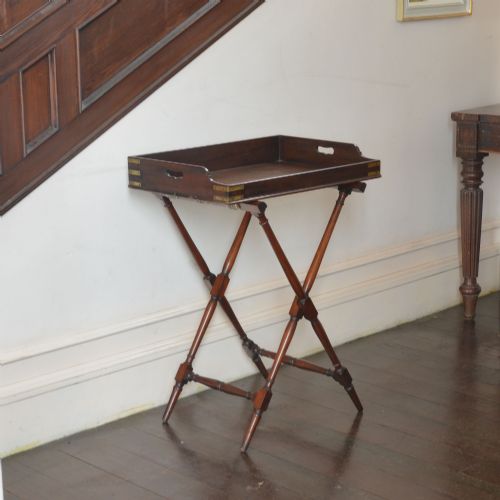
The most common examples on this page pair a removable brass, copper, or engraved top with a wooden folding or fixed base made from mahogany, satinwood, teak, or rosewood. Such tables operate as versatile coffee tables, bedside surfaces, or drinks stands within contemporary rooms.
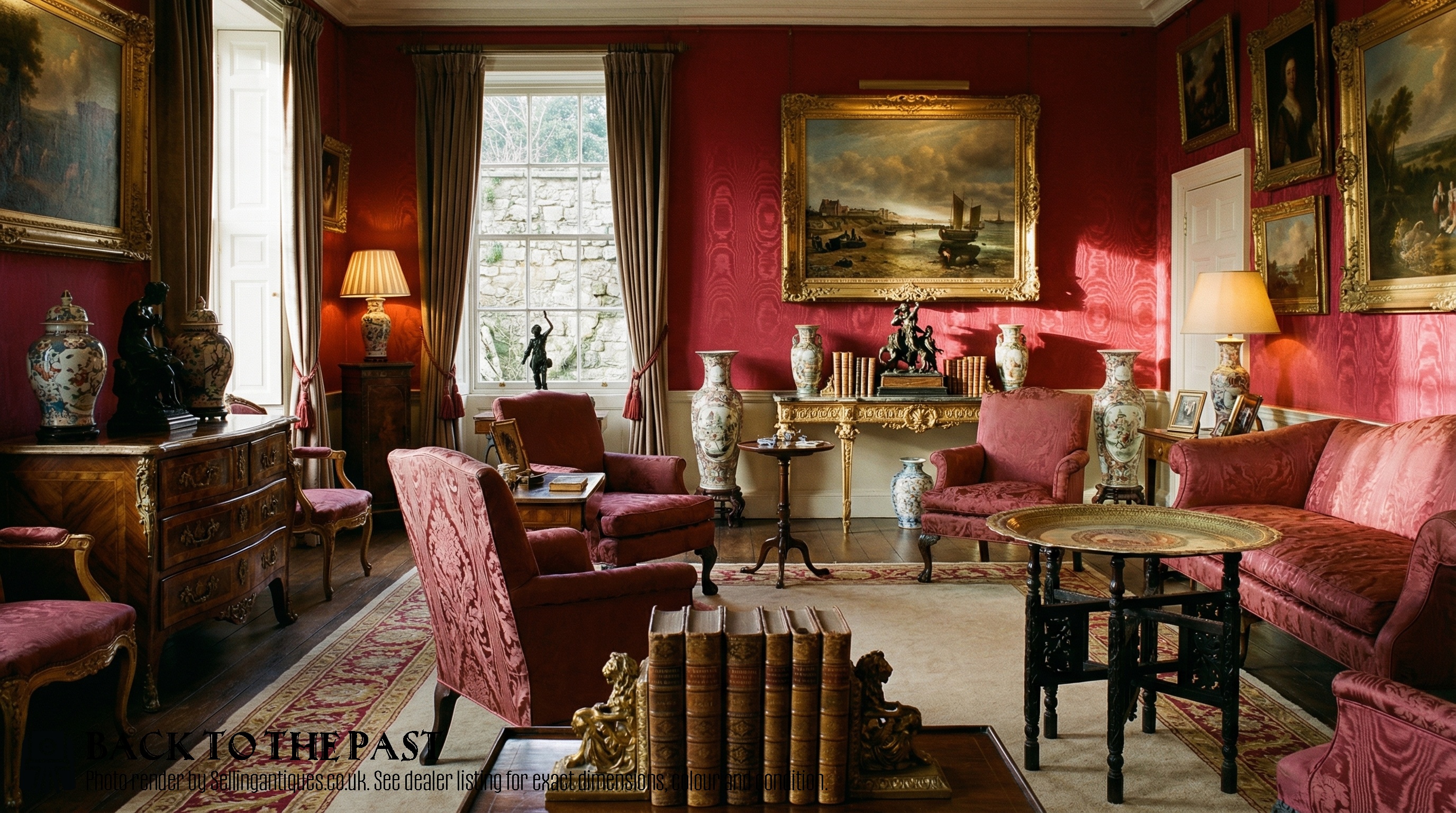
How they were made
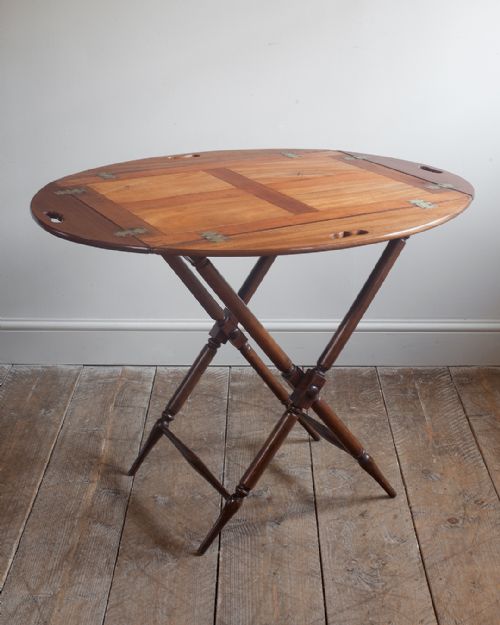
Cabinetmakers constructed the supporting stands using solid hardwoods such as mahogany, satinwood, and rosewood, often incorporating boxwood stringing, marquetry, and drop-flap mechanisms. These frames required precise joinery to ensure folding legs remained stable when supporting heavy serving surfaces.
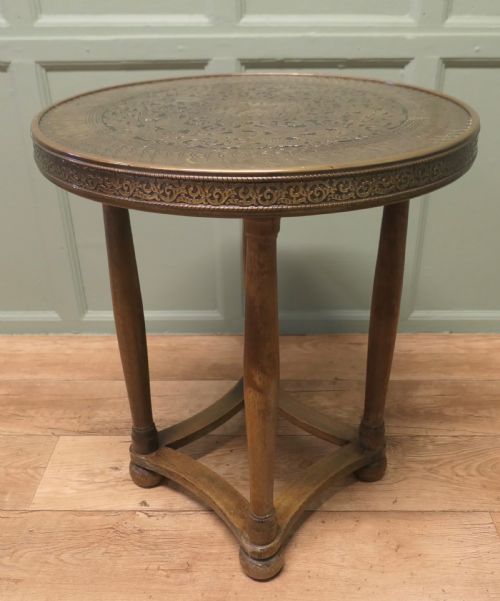
Metal tops were beaten, cast, or engraved, utilising brass and copper to display intricate geometric patterns, foliate motifs, and bound decoration. Artisans in Britain, Europe, and regions associated with Anglo-Indian production shaped these metal trays to fit securely onto custom wooden bases.
Brass Tray Side Table Retail Price Guide 2026
Typical asking prices for brass tray side table among the pieces listed under this phrase on Sellingantiques today, from the lower quarter to the upper quarter. They describe what is for sale here now, not the wider market.
Listings combine eighteenth-century Georgian forms with nineteenth-century Anglo-Indian brass work and Edwardian inlaid mahogany stands.
What varies in quality
Quality rests in the harmony between the metal tray and its supporting stand, where heavier gauges of brass or copper display deeper, crisper engraving rather than shallow machine stamping. Superior examples feature well-figured timber frames with tight joinery and original folding hardware that operates smoothly.
The distinction between standard utility items and finer pieces lies in the subtlety of the inlay, such as satinwood and boxwood banding, alongside the originality of the tray and stand pairing. Pieces maintaining their original matching components command greater attention from collectors.
Halls Patent
The Brass Tray Side Table Glossary
- Tray table
- A piece of furniture comprising a removable serving tray set upon a folding or stationary base. This dual-purpose form allows the upper surface to carry items independently of the stand.
- Anglo-Indian
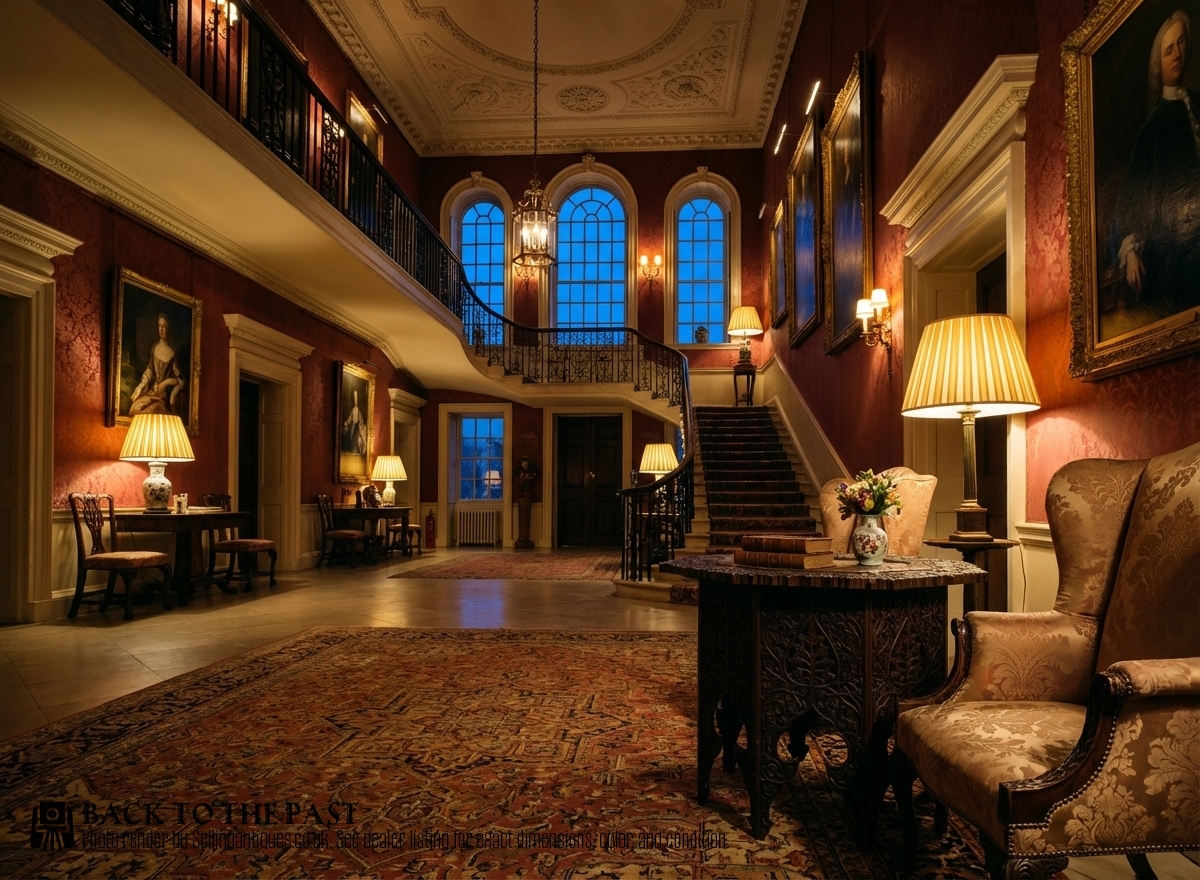
- A descriptive term for items made in India during the British colonial period, frequently featuring dense carving and brass or copper tops. These objects blend local craftsmanship with European furniture forms.
- Butler's tray
- A rectangular wooden tray, often with hinged drop-flaps, designed for carrying silver and glassware. When mounted on a folding stand, it serves as an occasional table.
- Étagère
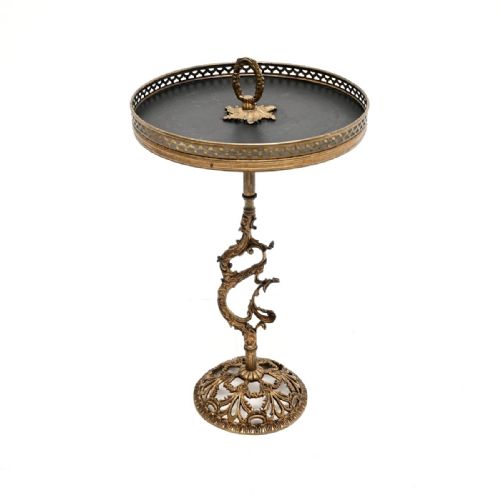
- A set of open shelves or tiers used for displaying small objects or serving drinks. The form appears in various fine timbers during the nineteenth and early twentieth centuries.
- Marquetry
- The art of applying decorative veneer pieces to a wooden structure to form geometric or pictorial designs. This technique enhances the visual depth of table tops and friezes.
Brass Tray Side Table: Frequently Asked Questions
Are the trays removable?
Most brass tray side tables feature removable metal trays resting on folding or fixed wooden stands. This design originally allowed servants to clear drinks or food directly from the room.
Some variations secure the tray firmly to the base, transforming the piece into a traditional occasional or coffee table. Checking the underside reveals whether the metal plate lifts off independently.
How do I date these tables?
Dating relies on examining the timber species, joinery methods, and the style of engraving on the metal top. Georgian and Regency pieces typically show heavy mahogany frames with subtle brass bound edges, while Edwardian and later examples introduce marquetry and lighter satinwood.
Anglo-Indian pieces from the late nineteenth and early twentieth centuries display distinct hand-hammered brass or copper surfaces combined with dense hardwood carving. Comparing the wear patterns on the stand and tray helps confirm their period.
Can I use them as coffee tables?
Many of these tables function well as coffee tables due to their low profile and ample surface area. Folding stand versions offer flexibility for smaller living spaces.
Care should be taken with older brass and copper surfaces when placing hot cups or liquids directly onto the metal. Using coasters preserves the patination and historical finish of the tray.
How do I clean the brass top?
Maintenance requires gentle dusting with a soft cloth to protect the aged surface patination. Aggressive metal polishes can strip away historical dark oxidation that collectors value.
If cleaning is necessary, use a mild non-abrasive cleaner suitable for antique metals. Keeping the surface dry prevents spots from forming on the brass or copper.