

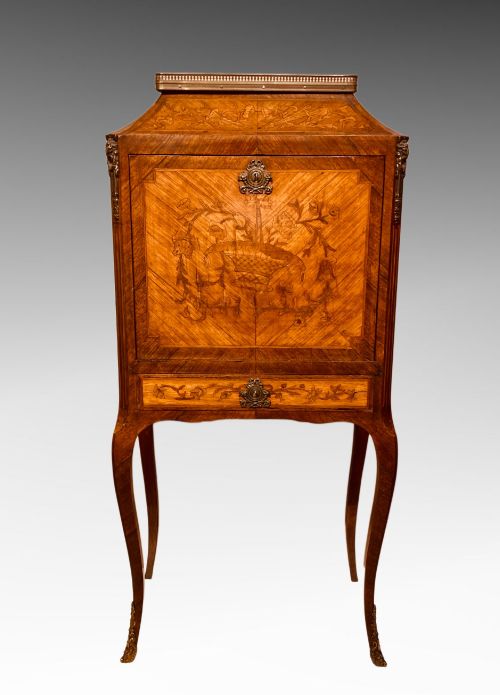
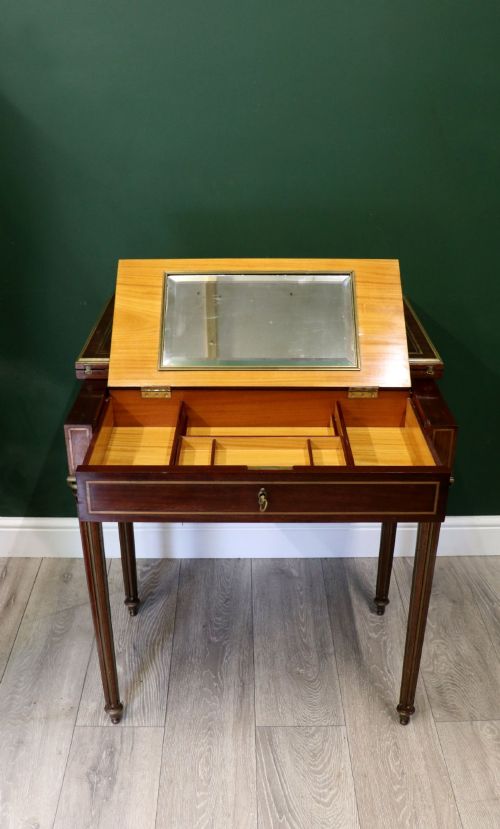
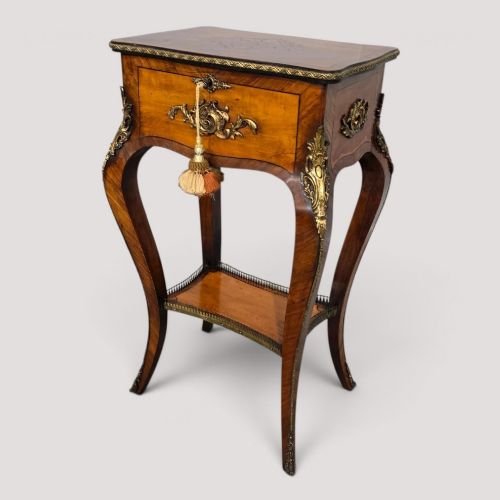
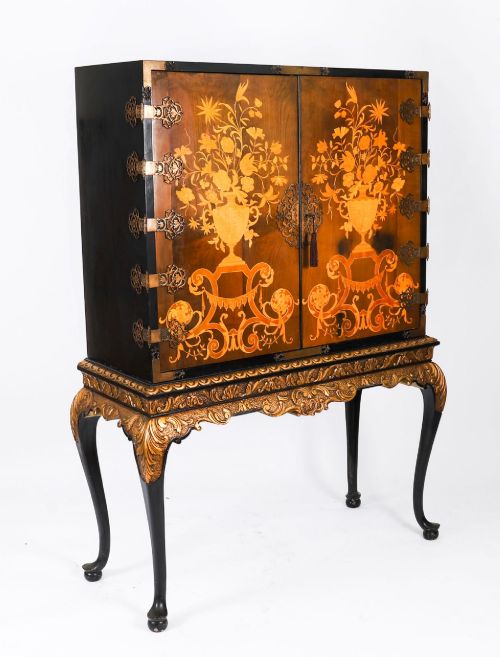

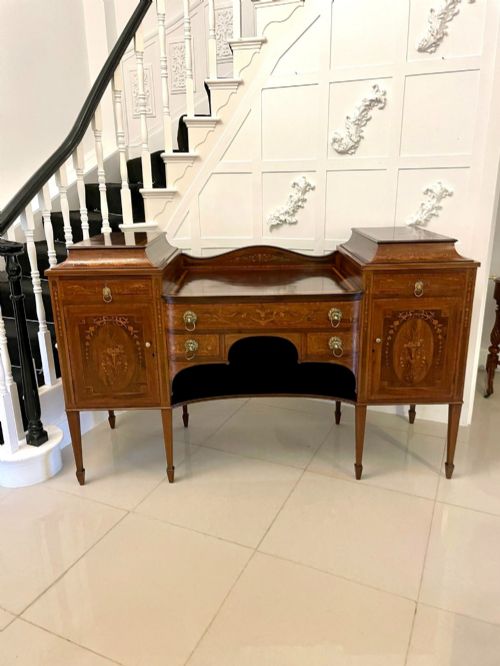
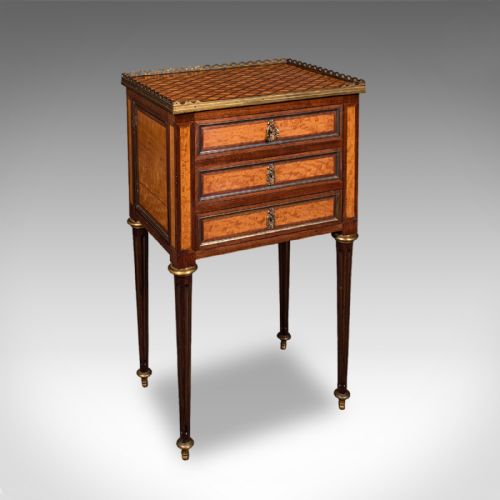
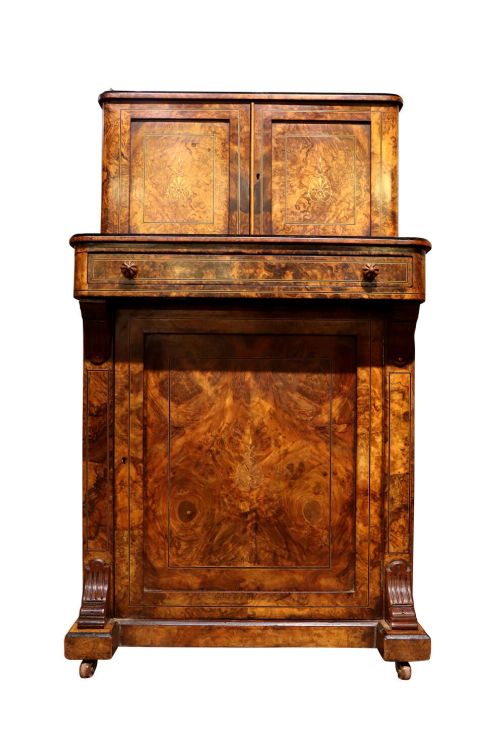
Brass Marquetry Cabinet
Brass marquetry cabinet designs bring together warm woods and gleaming metal inlay, offering a refined focal point for any traditional interior.
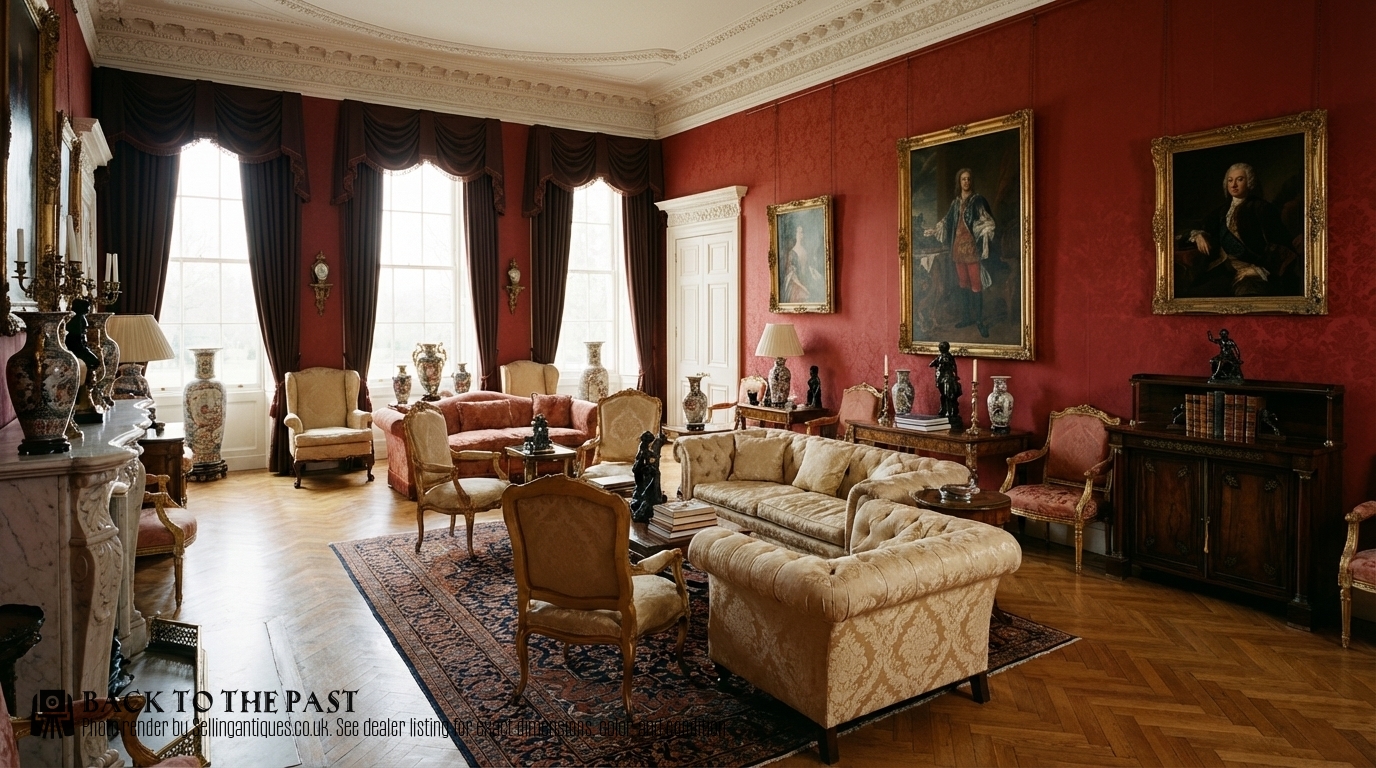
Brass Marquetry Cabinet
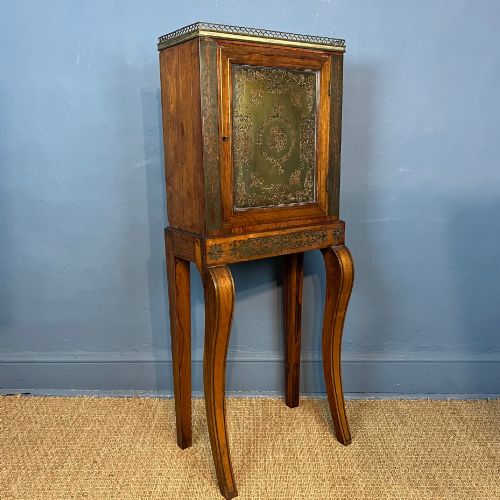
A brass marquetry cabinet represents a sophisticated fusion of cabinet-making and metalwork, designed to display or store treasured objects within formal rooms.
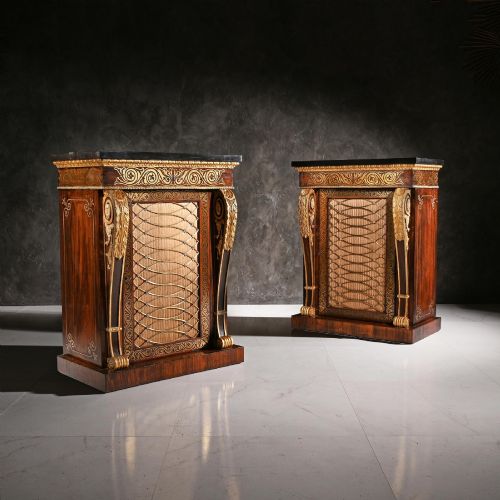
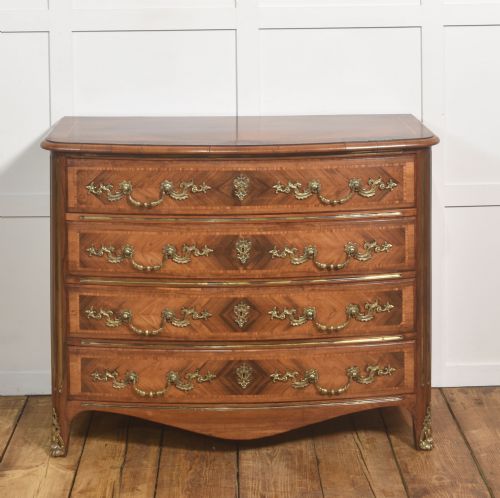
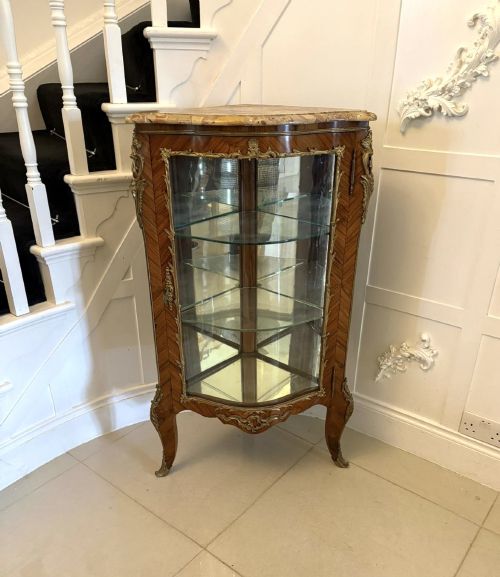
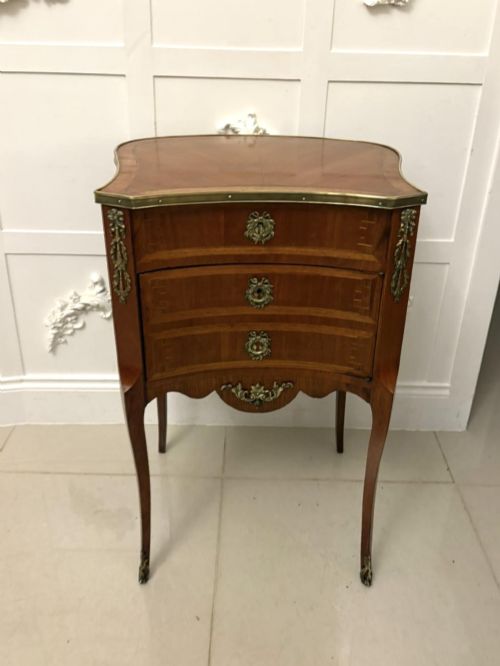
Buyers seeking a brass marquetry cabinet encounter numerous nineteenth-century French and Victorian iterations, frequently shaped with serpentine fronts or mounted in ormolu.
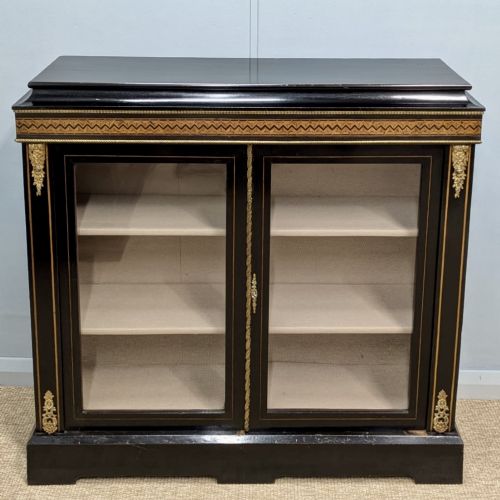
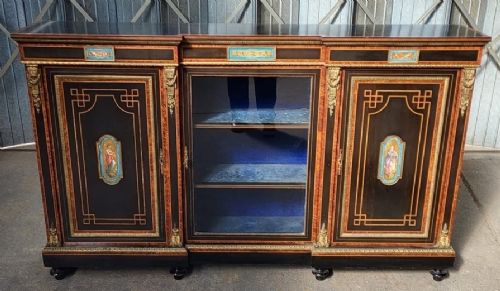
The form spans various functional types including display cabinets, side cabinets, pier cabinets, and credenzas originating from Victorian and continental workshops.

How they were made
Craftsmen built these pieces using foundational timbers such as mahogany, walnut, ebonised wood, or kingwood, often enhanced by decorative veneers.
Intricate metal elements, including brass inlay and ormolu mounts, were meticulously fitted alongside tortoiseshell or glass components to create striking visual contrast.
Brass Marquetry Cabinet Retail Price Guide 2026
Typical asking prices for brass marquetry cabinet among the pieces listed under this phrase on Sellingantiques today, from the lower quarter to the upper quarter. They describe what is for sale here now, not the wider market.
Listings feature walnut, mahogany, and ebonised wood combined with brass, glass, and marble across Victorian and Edwardian periods.
What varies in quality
The precision and complexity of the brass inlay work distinguish finer examples from standard production pieces, particularly where delicate scrolls meet the surrounding timber.
Quality also manifests in the weight and channelling of the ormolu mounts, alongside the selection of primary cabinet woods such as burr walnut or kingwood.
Hewetsons London
The Brass Marquetry Cabinet Glossary
- Ormolu
- Gilded bronze mounts applied to furniture for decorative enrichment. This technique was widely utilised during the nineteenth century.
- Marquetry
- Decorative veneer patterns applied to furniture surfaces using wood, metal, or shell. Brass versions create striking reflective highlights against dark timbers.
- Credenza
- A sideboard or display piece originally used for serving food or holding objects. Victorian examples often feature extensive glass doors and metal mounts.
- Boulle
- A form of marquetry employing brass and tortoiseshell developed in France. It creates an ornate, two-tone metallic pattern across the cabinet front.
Brass Marquetry Cabinet: Frequently Asked Questions
What periods do these cabinets come from?
These pieces predominantly date from the nineteenth century, encompassing Victorian and Edwardian eras alongside French Napoleon III and Louis styles.
Craftsmen of these periods favoured rich timbers combined with detailed metal embellishments to satisfy contemporary tastes for ornate furnishing.
How were these cabinets used originally?
Owners utilised them in reception rooms and drawing rooms to store precious ceramics, books, or writing materials while displaying decorative items on top.
Many incorporated glazed doors or mirrored backs specifically to showcase porcelain and glassware under interior lighting.
How do I distinguish French styles from English ones?
French models frequently incorporate extensive ormolu mounts, serpentine curves, and boullework, reflecting continental court influences from the eighteenth and nineteenth centuries.
English pieces tend to focus on rectilinear forms using walnut or mahogany with restrained brass stringing or marquetry panels.
How should I care for the brass inlay?
Maintain the timber and metal surfaces using a soft, dry cloth without harsh chemical polishes that might discolour the delicate brass work.
Keep the cabinet away from direct sunlight and fluctuating humidity to prevent the wood from warping and loosening the inlay.