
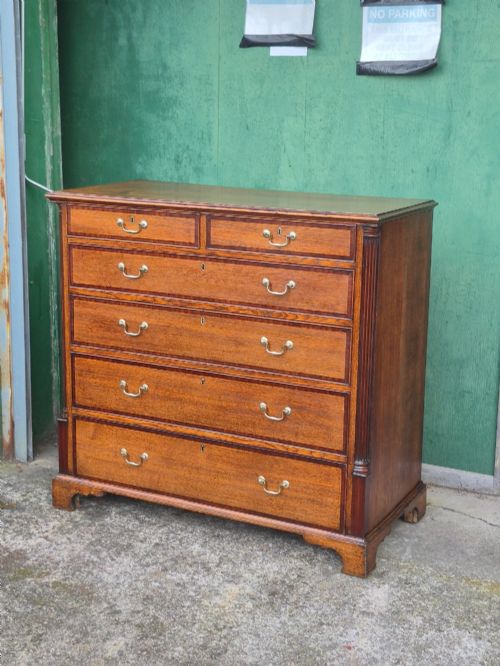
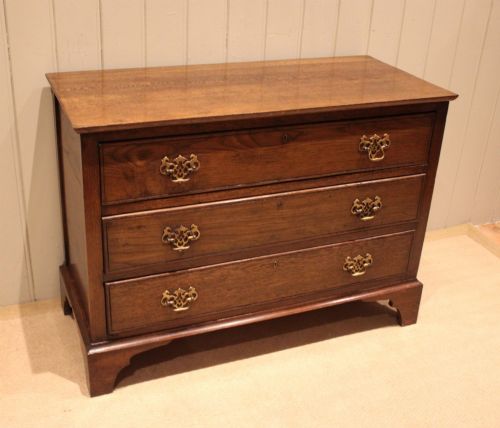
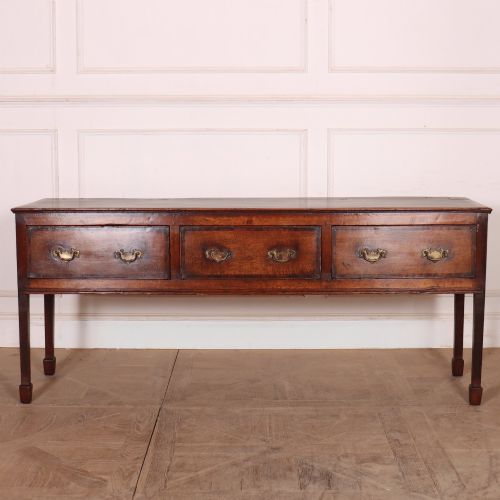
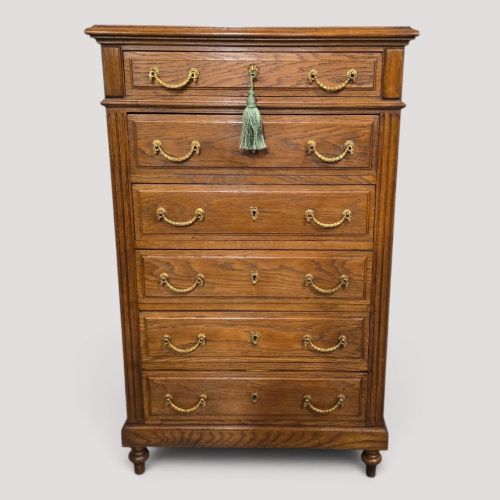
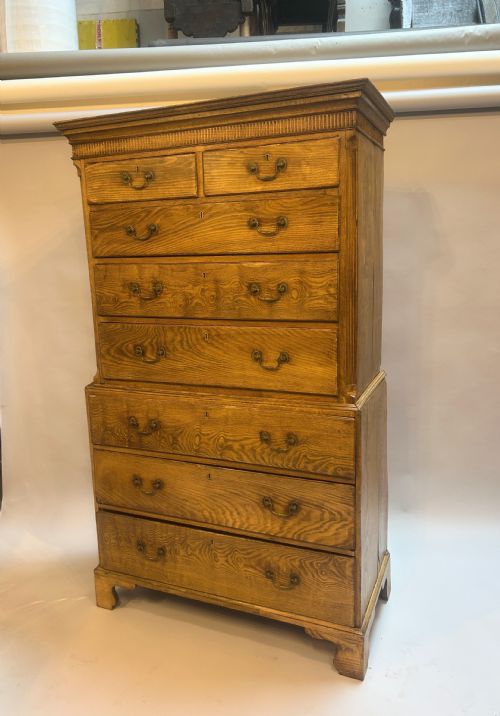
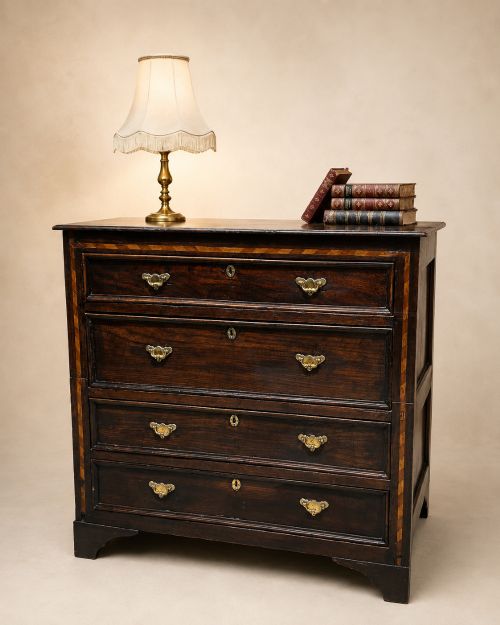
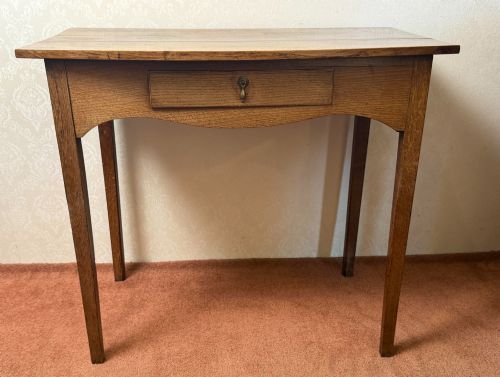
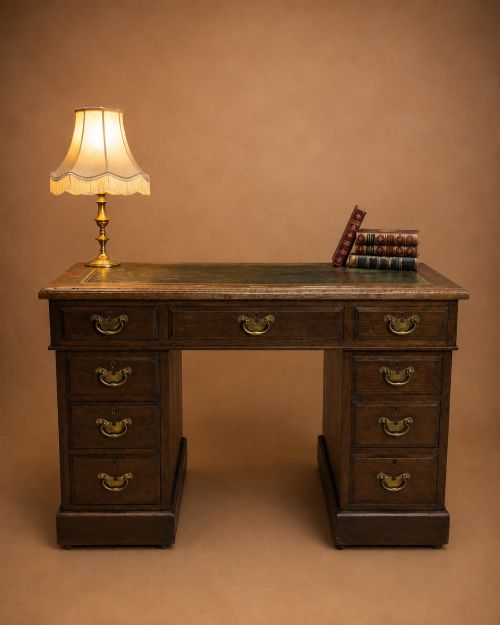
Brass Handle Oak Drawers
These brass handle oak drawers combine robust timber construction with functional metalwork across centuries of English cabinet-making.
Brass Handle Oak Drawers
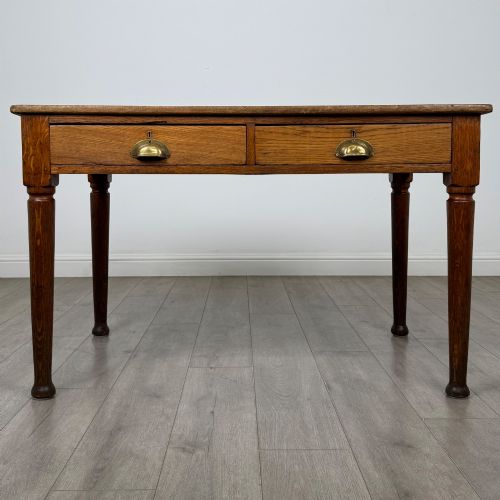
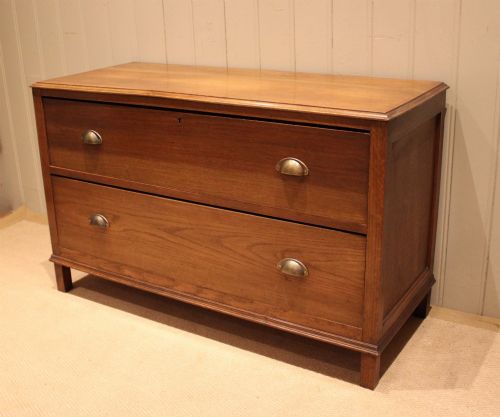
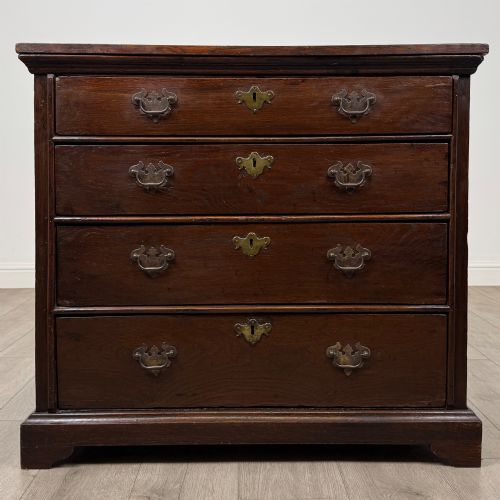
Brass handle oak drawers span functional domestic storage and writing pieces originating from the seventeenth century through to the Edwardian period, encompassing styles from Charles II to Arts and Crafts. Buyers searching for brass handle oak drawers will encounter chest of drawers forms most frequently, alongside side tables, writing desks, bureaus, and dressers.
Early examples include seventeenth-century Charles II and William and Mary pieces, while eighteenth-century Georgian and George III items feature prominently alongside Victorian and Edwardian interpretations. These survivors range from low proportions and lowboys to tallboys and chest on chest configurations.
The secondary woods and linings often incorporate mahogany or elm alongside the primary oak timber, reflecting the workshop practices of their respective periods.
Materials and construction
Construction relies heavily on solid oak timber complemented by brass for hardware such as drop handles, swan necks, lion heads, and ring handles. Drawer interiors frequently utilise oak linings, while walnut veneer, mahogany crossbanding, and leather inserts appear on specific regional and stylistic variants.
Hardware fixing methods and metal casting techniques evolved from early drop handles to swan neck and ring designs, paired with structural elements like ogee feet, turned supports, and barley twists.
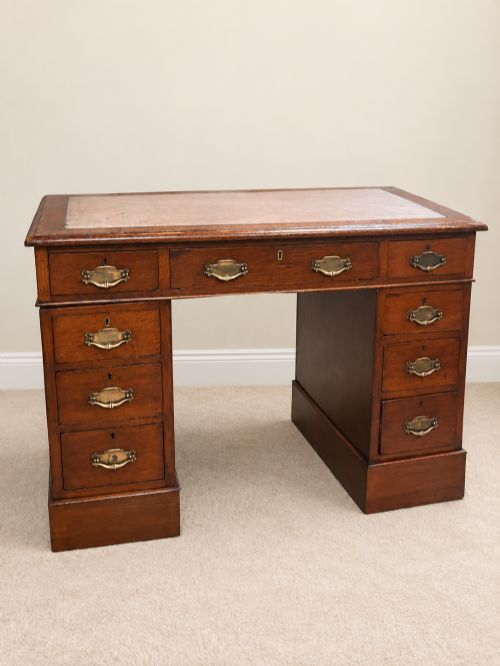
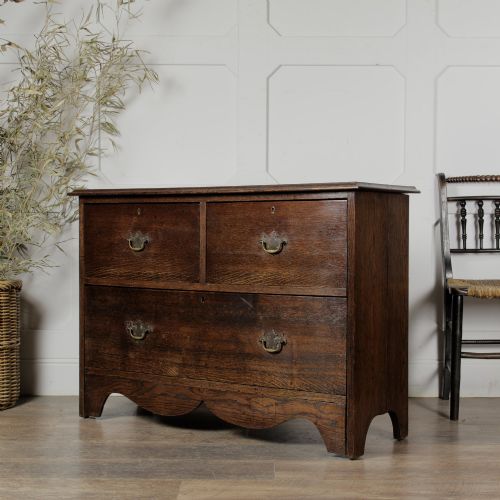
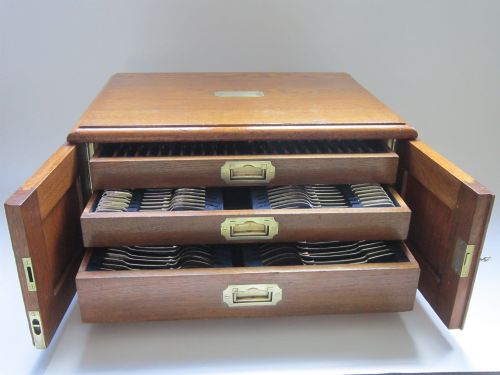
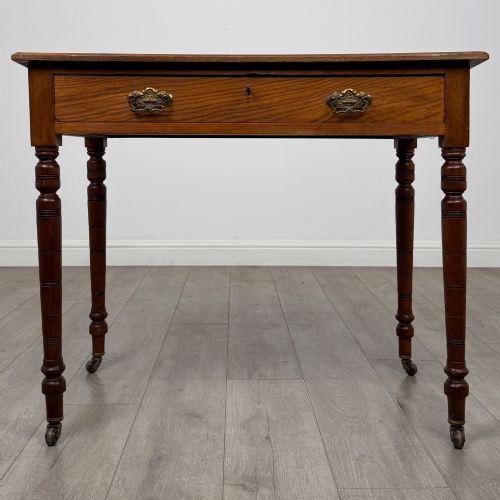
Object types include chests of drawers, pedestal desks, writing tables, side tables, dressers, and cutlery canteens.
Distinguishing craftsmanship
Quality separates pieces through the integration of original brass hardware and the precision of timber selection, such as golden oak or figured walnut and oyster veneers. The presence of period-correct drawer linings in oak or mahogany indicates higher workshop standards.
The Brass Handle Oak Drawers Glossary
- Tallboy
- A tall chest of drawers, often consisting of one chest stacked upon another or built as a single tall unit. These provide substantial vertical storage while occupying a modest floor footprint.
- Lowboy
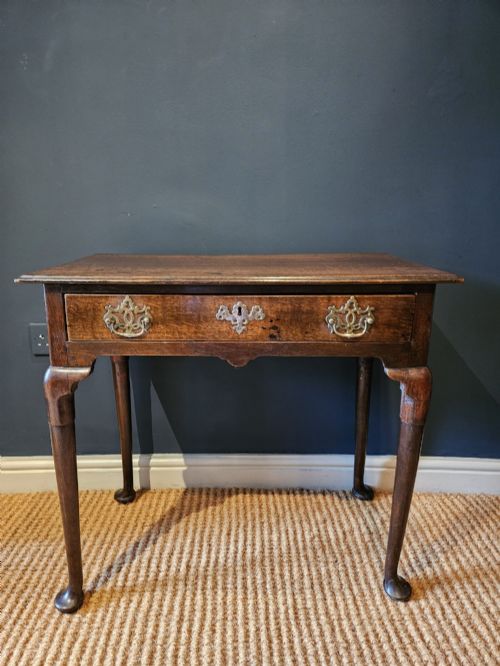
- A small dressing or side table featuring one or more rows of drawers supported on four legs. They typically date from the eighteenth century and served multiple domestic purposes.
- Crossbanding
- A decorative border technique where thin strips of veneer are laid around the perimeter of a drawer front or tabletop so the grain runs perpendicular to the main panel.
- Swan neck handle
- A metal pull shaped like an elongated double curve resembling a swan's neck, fastened to backplates on drawer fronts. This style gained widespread popularity during the Georgian period.
- Drop handle
- An early hardware style featuring a pendant that hangs from one or two attachment points on the drawer face. They are frequently found on seventeenth and early eighteenth-century pieces.
Brass Handle Oak Drawers: Frequently Asked Questions
How do I date an oak chest?
Dating relies on examining construction methods, timber choice, and hardware styles. Early pieces often feature hand-cut joints and simpler board construction.
Changes in drawer linings, handle fixings, and overall proportions across the seventeenth, eighteenth, and nineteenth centuries provide further chronological markers.
Are brass handles original?
Original hardware leaves specific ghost marks, screw patterns, and wear rings on the wood surface. Replacements often utilise existing holes or leave patched indents nearby.
Matching the patination of the brass to the age of the timber helps confirm authenticity.
What is a lowboy used for?
Historically utilised as a small dressing table or a side table for personal grooming and writing, a lowboy fits easily into compact spaces. Today they function effectively as lamp tables or hallway surfaces.
Their shallow drawers provide convenient storage for small household items.
How do I care for antique oak?
Keep oak furniture away from direct heat sources and rapid humidity fluctuations to prevent timber shrinkage and splitting. Regular dusting with a dry cloth maintains the surface.
Occasional application of appropriate wax feeds the grain without building up heavy chemical residues.