
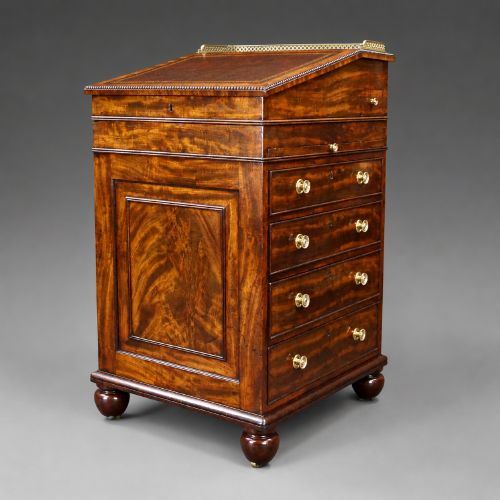
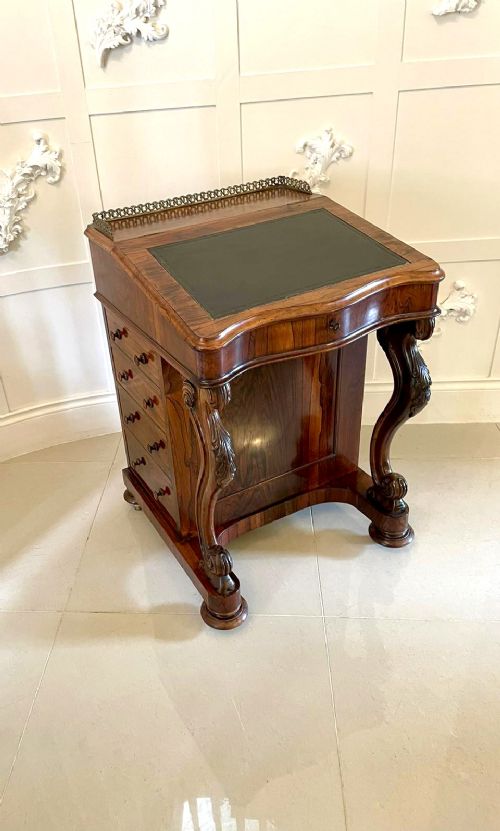

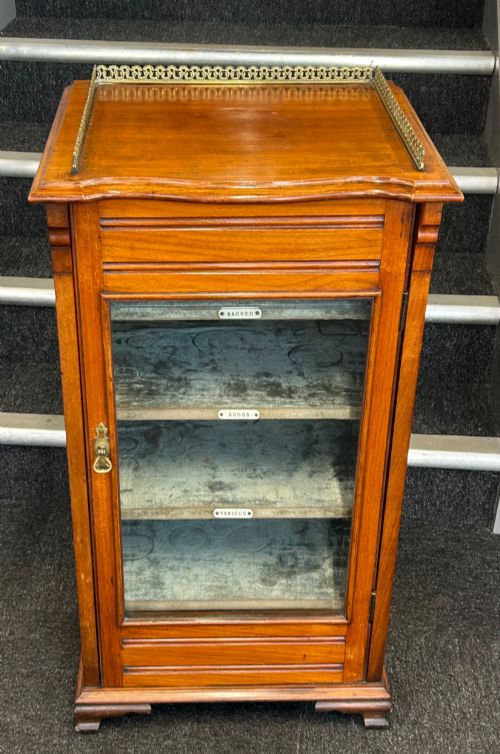
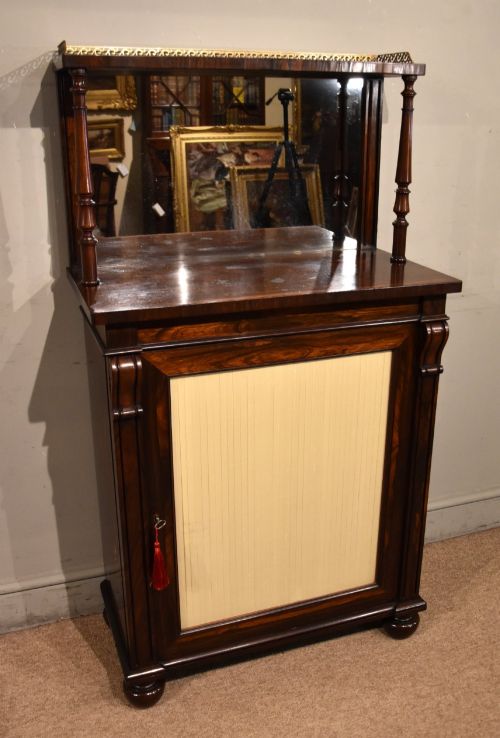
Brass Gallery Cabinet
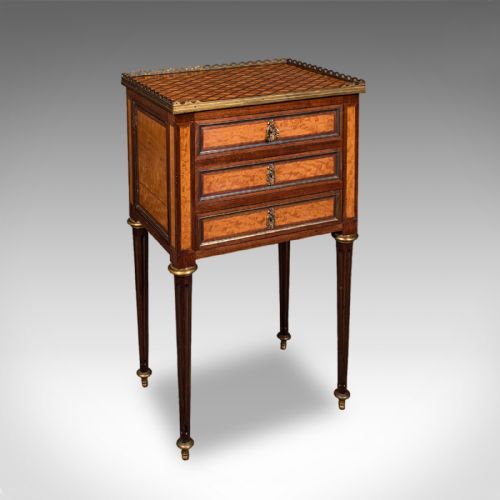
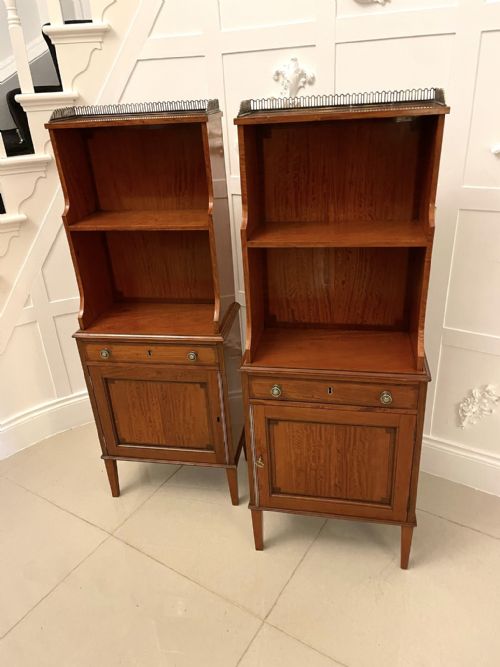
A brass gallery cabinet combines functional storage with a distinct metal upper rail, drawing the eye to timber surfaces shaped by Regency, Victorian and Edwardian makers.
Brass Gallery Cabinet
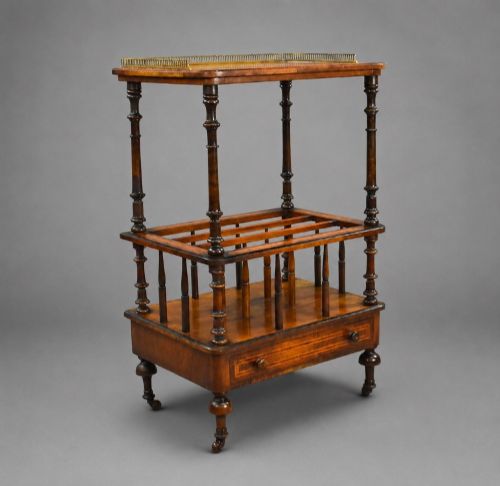
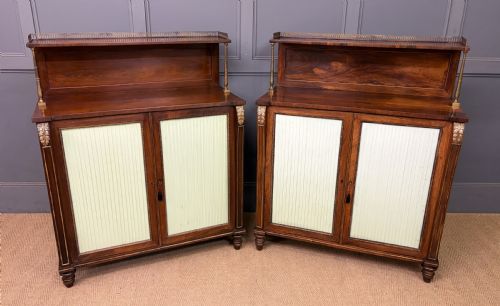
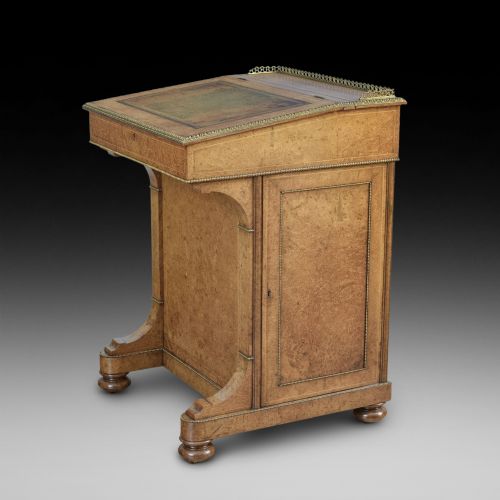
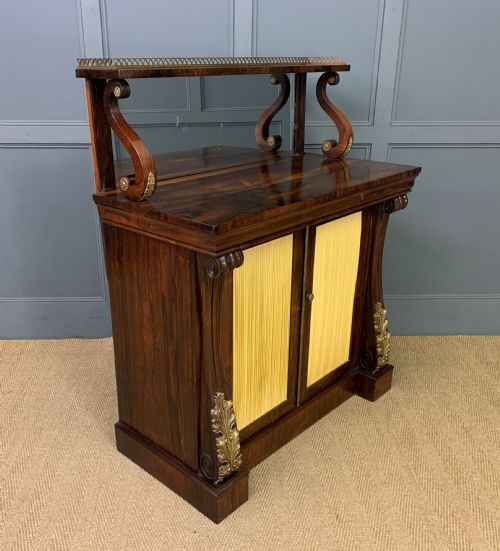
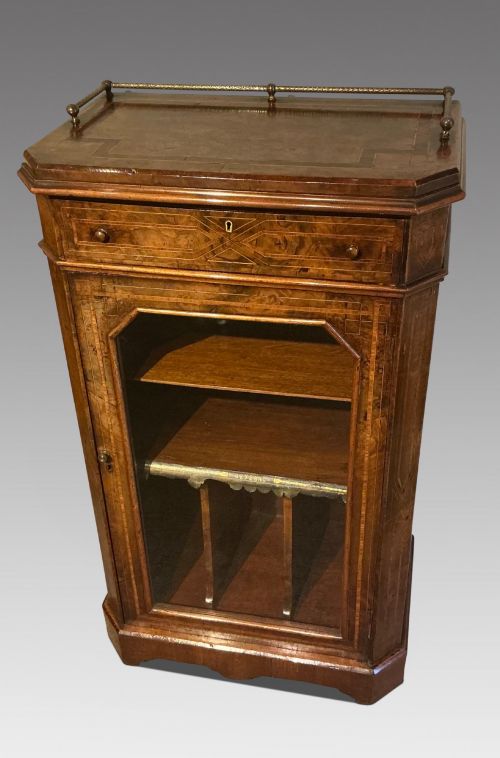
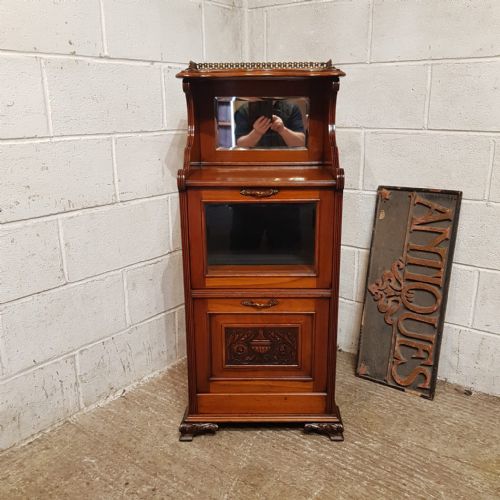
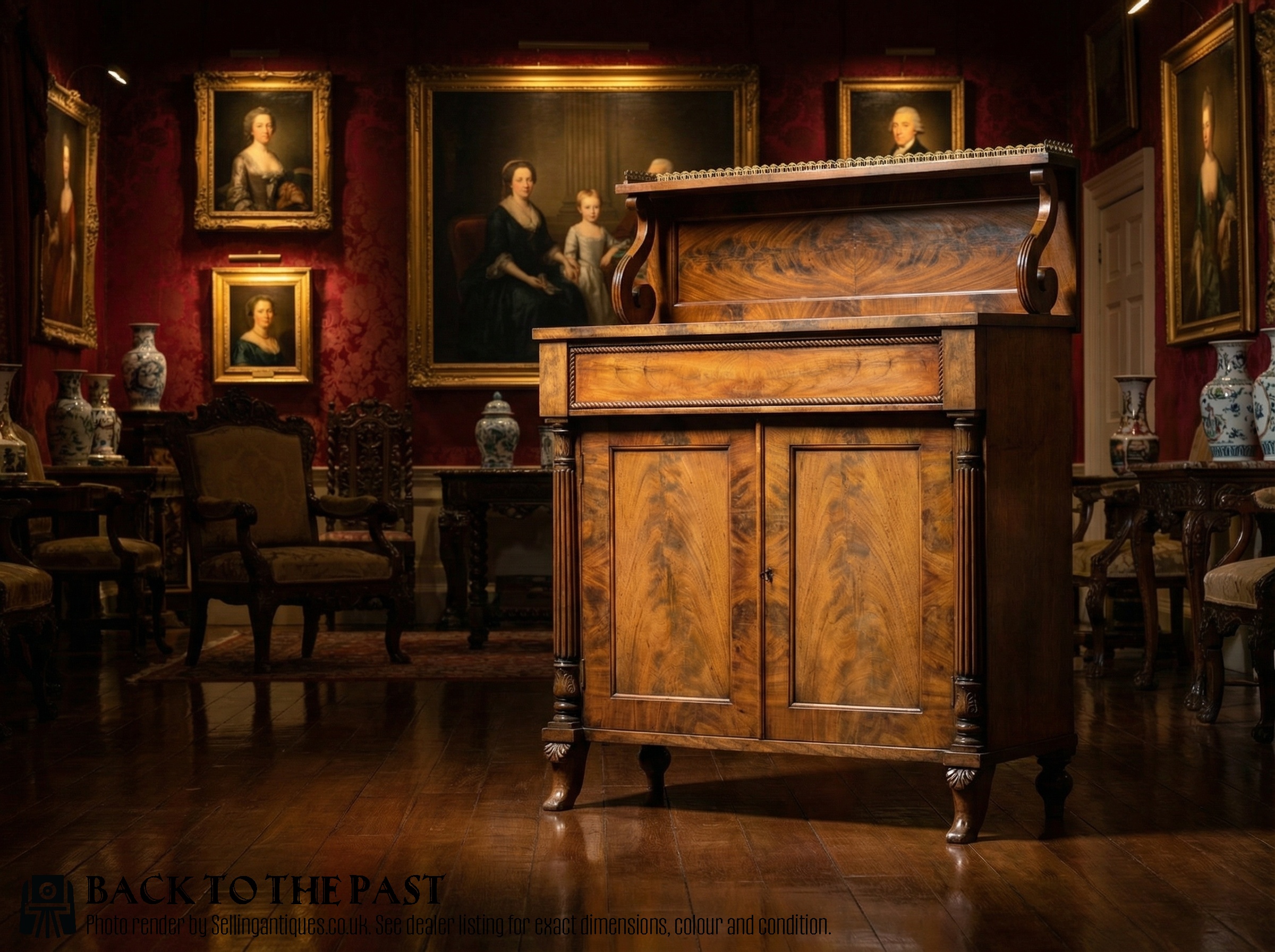
A brass gallery cabinet provides enclosed display or storage surface space topped by a low metal rail, appearing across forms such as side cabinets, chiffoniers, display pieces and writing desks. When searching for a brass gallery cabinet, buyers encounter diverse timber bodies dating from the Georgian and Regency periods through to the Victorian era and Edwardian years.
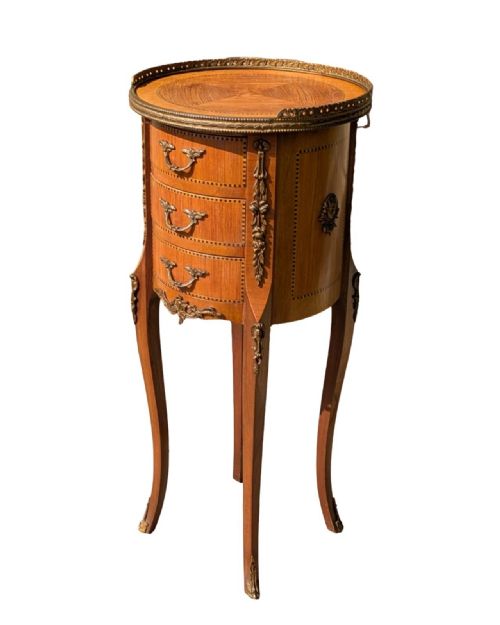
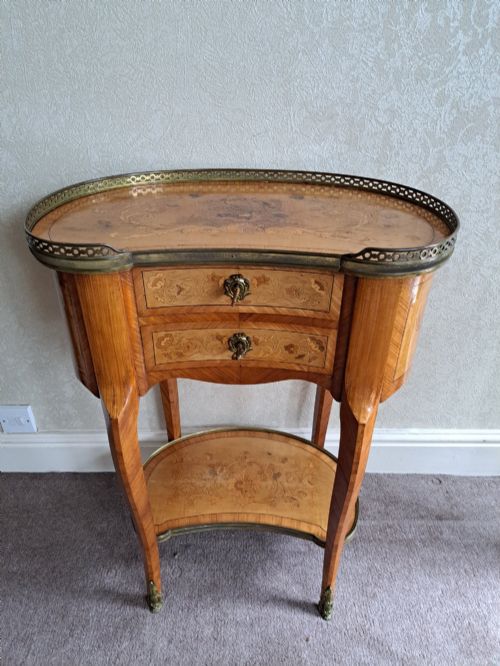
The selections span English workshops and continental makers, incorporating French Louis styles alongside domestic designs in mahogany, rosewood, walnut and satinwood. These items served practical domestic roles in drawing rooms and parlours, holding books, music or decorative objects behind doors or within drawers.
Side cabinets and chiffoniers form the most frequent encounters within this classification, often paired with distinctive brass mounts or decorative inlays. Each piece reflects the specific joinery standards of its decade, maintaining the structural proportions favoured by period cabinetmakers.
Materials and construction methods
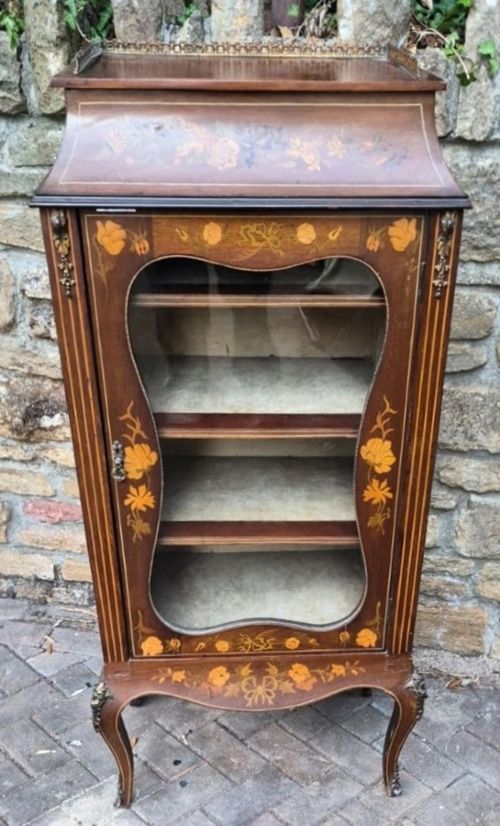
Makers built these pieces primarily using solid and veneered hardwoods like flame mahogany, rosewood and burr walnut, laid over sturdy secondary timbers to ensure stability. Timber surfaces frequently received fine marquetry, crossbanding or ebonising to create rich tonal contrast and decorative depth across the front and sides.
Brass formed structural accents, applied mounts, hinges and the characteristic gallery rail secured along the top surface. Ormolu mounts appeared on French-influenced furniture, while English examples often utilised fine brass stringing and turned gallery spindles to frame the upper tier.
Brass Gallery Cabinet Retail Price Guide 2026
Typical asking prices for brass gallery cabinet among the pieces listed under this phrase on Sellingantiques today, from the lower quarter to the upper quarter. They describe what is for sale here now, not the wider market.
Some nineteenth-century musicians clearly required secure storage, as these listings feature specialised cabinets designed specifically for pianists and sheet music collections.
Judging execution and finish
Quality rests in the crispness of the timber selection, the precision of the veneer work and the integrity of the secondary woods used in drawer construction. Finer examples display carefully matched grain patterns across panels and doors, alongside hand-cut dovetailing that demonstrates superior workshop practice.
The weight and finish of the brass elements distinguish finer pieces from standard production, seen in cast or chased mounts and solid gallery rails firmly fixed to the timber top. Original patination on both wood and metal indicates how a piece has aged and retained its structural harmony through time.
Gillows·Edwards and Roberts
The Brass Gallery Cabinet Glossary
- Gallery
- A low raised rail or balustrade fitted along the top edge of a cabinet, desk or sideboard, originally designed to prevent items from sliding off. This metal or timber fence defines the upper boundary of the piece.
- Chiffonier
- A compact sideboard featuring enclosed shelving beneath a drawer and often a raised superstructure or mirrored back. These lower storage cabinets became popular during the Regency and Victorian periods.
- Marquetry
- The art of forming decorative patterns using thin veneers of different coloured woods, ivory or shell applied to a carcass. Craftsmen cut these elements precisely to fit together into complex pictorial or geometric designs.
- Crossbanding
- A decorative border technique where strips of veneer are laid perpendicular to the main grain of the furniture surface. This frames panels and draws attention to the edge of a top or drawer front.
- Ormolu
- Gilded bronze mounts and decorative details applied to furniture, frequently seen on French-influenced pieces of the nineteenth century. The technique provides a bright metallic contrast against dark rosewood or mahogany.
Brass Gallery Cabinet: Frequently Asked Questions
Where were these cabinets used?
These cabinets served primarily in principal reception rooms such as drawing rooms, libraries and formal parlours. Their refined timber surfaces and display capabilities made them suitable for showing porcelain, holding sheet music or storing writing materials.
Bedside cabinets and smaller sideboards also fulfilled private domestic needs in bedrooms and dressing rooms, combining enclosed storage with accessible upper surfaces.
How do I care for rosewood?
Rosewood requires stable indoor humidity and protection from direct sunlight to prevent the rich natural oils from drying out and the timber from fading. Regular dusting with a soft, dry cloth maintains the surface without the need for heavy chemical polishes.
Periodic application of a quality wax nourishment helps preserve the deep lustre of the grain and protects the veneer edges from splitting over the years.
How to date a Victorian cabinet?
Dating a Victorian cabinet involves examining the secondary timbers, construction methods, hardware and prevailing stylistic influences. Early pieces often retain Regency classical lines, while later nineteenth-century examples embrace heavier proportions or revival styles.
Maker's marks, stamped serial numbers, dovetail construction precision and the type of brass fittings provide reliable clues for narrowing the production period down to a specific decade.