

French Style Bookcase
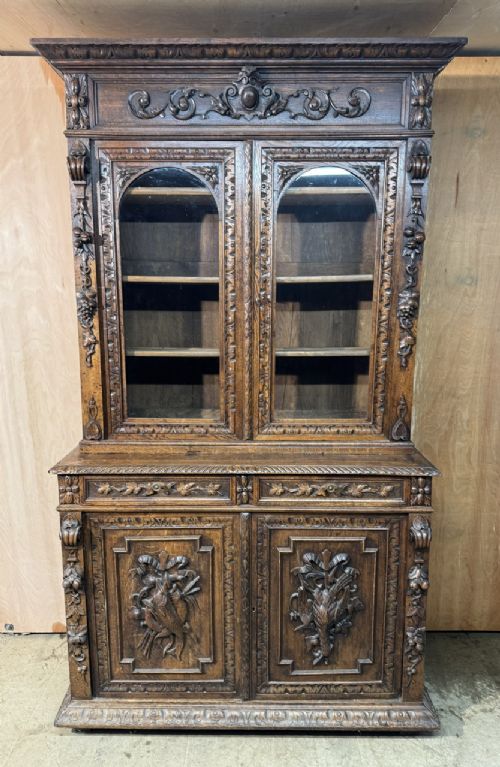
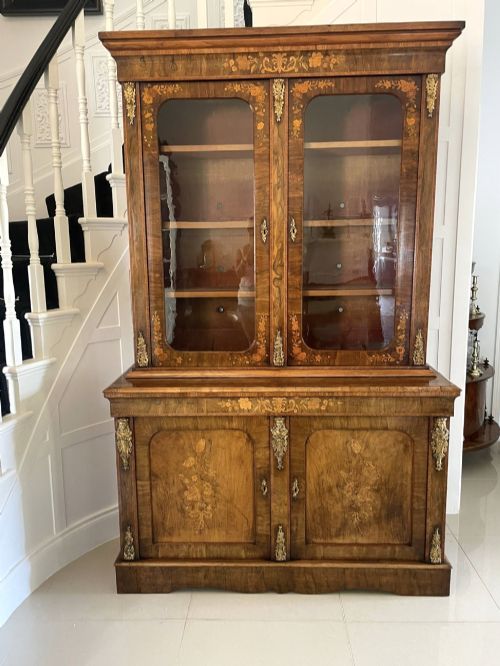
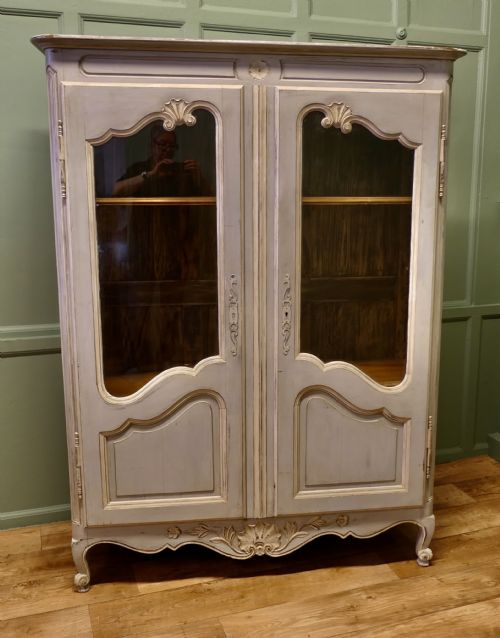
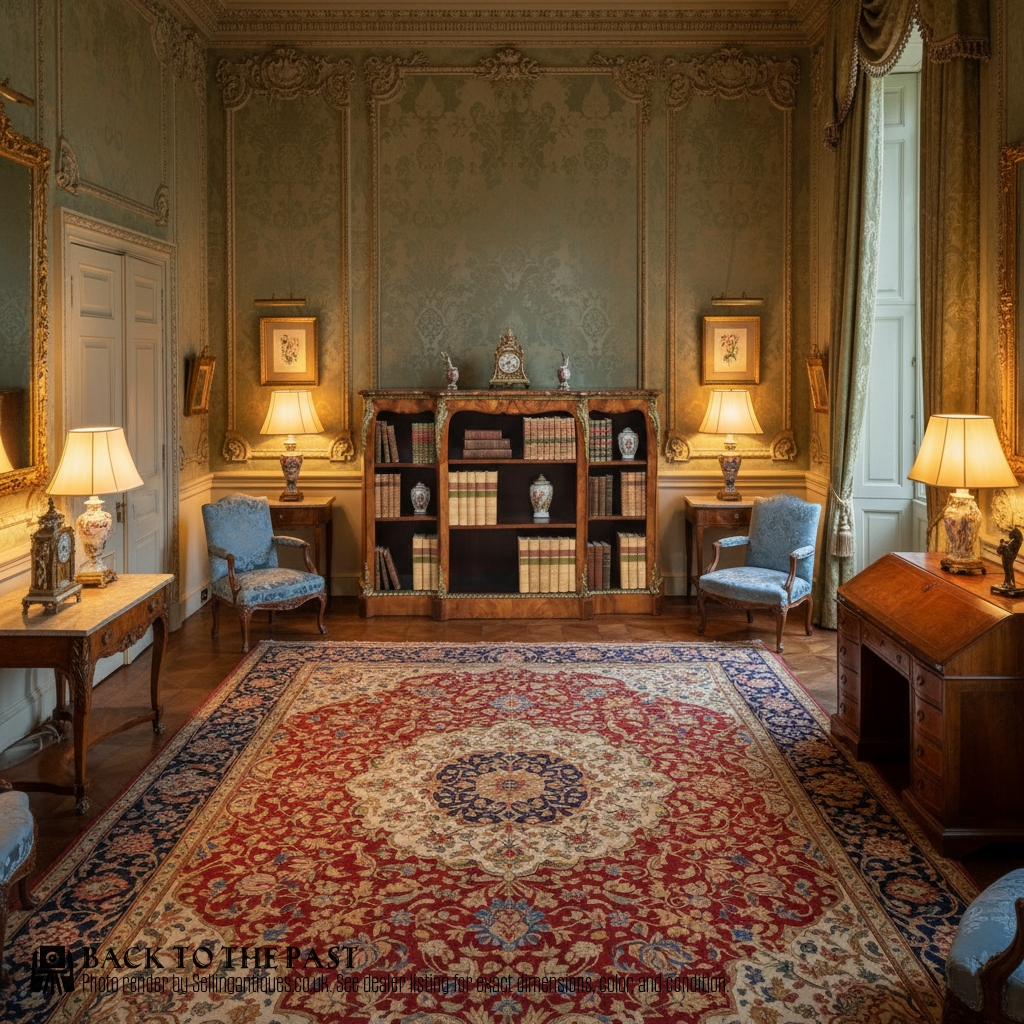
A French style bookcase brings continental elegance to a room, offering refined storage for a library through graceful lines and decorative mounts.
What these pieces are
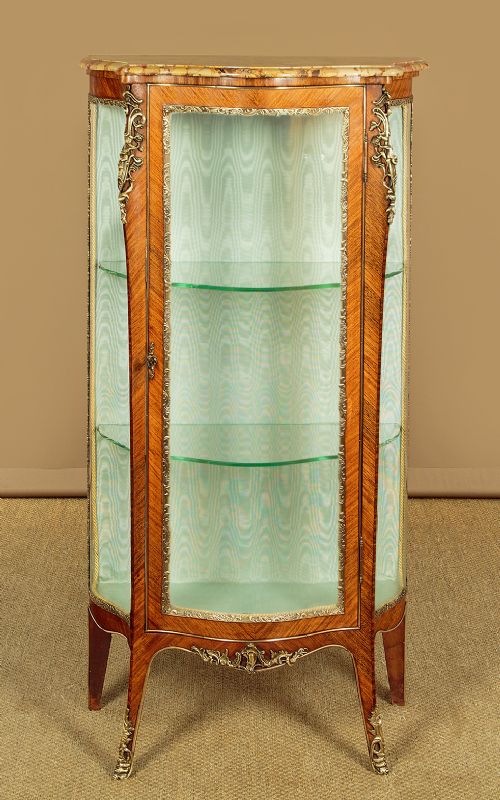
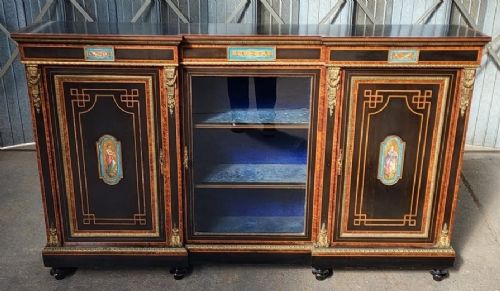
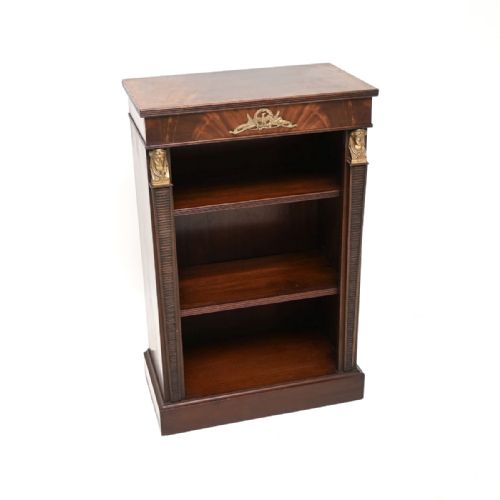
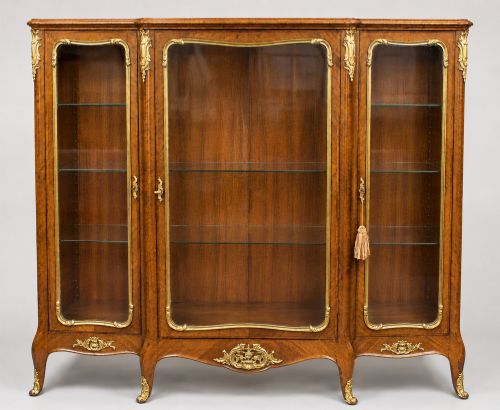
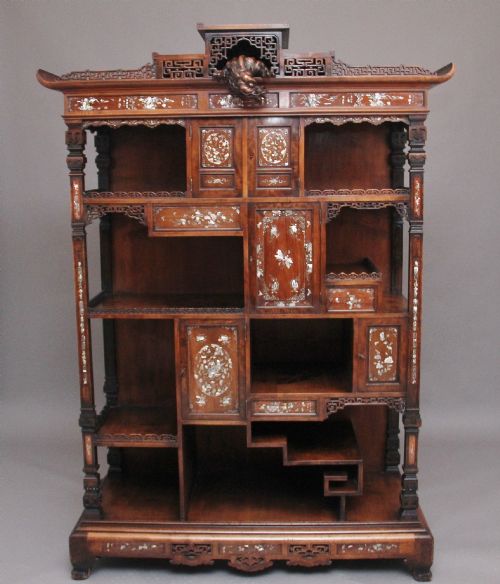
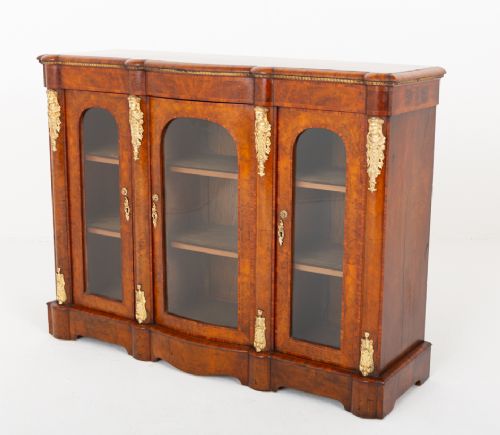
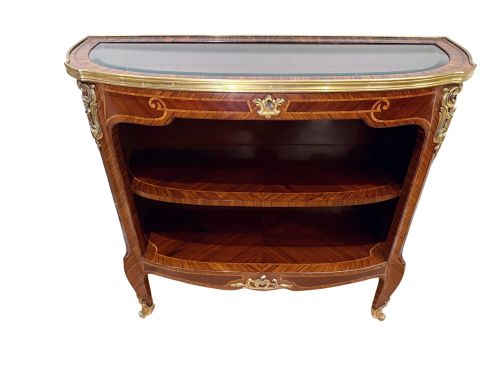
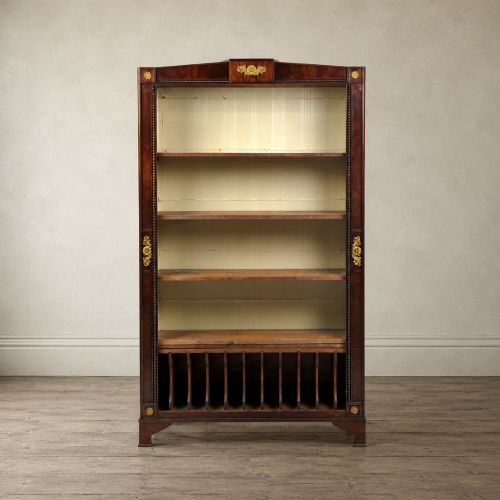
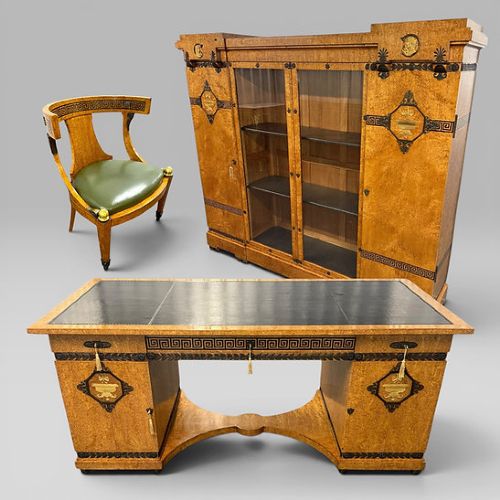
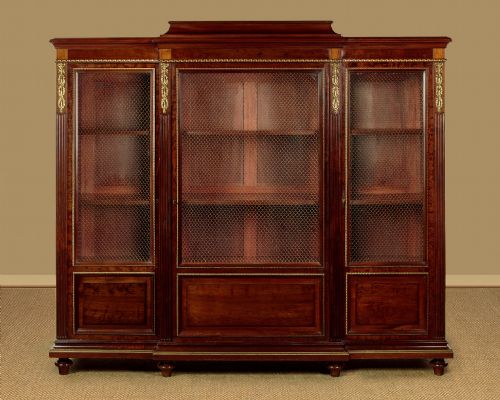
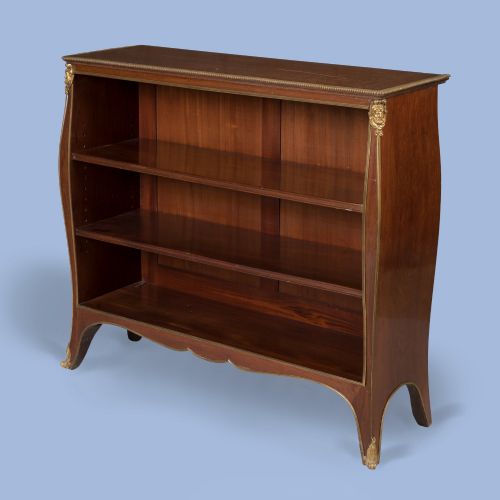
A french style bookcase appears in forms such as breakfront bookcases, open bookcases, pier cabinets, and revolving bookcases. These display furniture pieces serve both practical book storage and decorative display functions within domestic spaces.
The pieces on this page span the nineteenth century, the Edwardian era, and the nineteen-thirties, reflecting diverse historical revivals. Buyers frequently encounter designs referencing Louis XV, Louis XVI, Directoire, Empire, Louis Philippe, and Henri II styles.
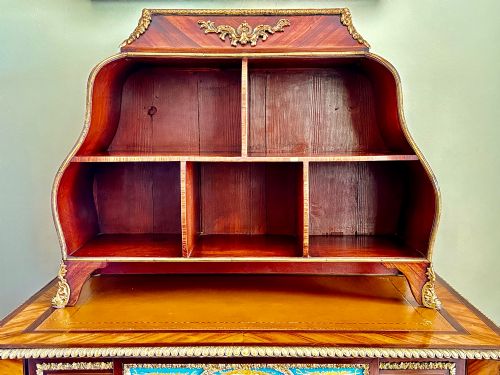
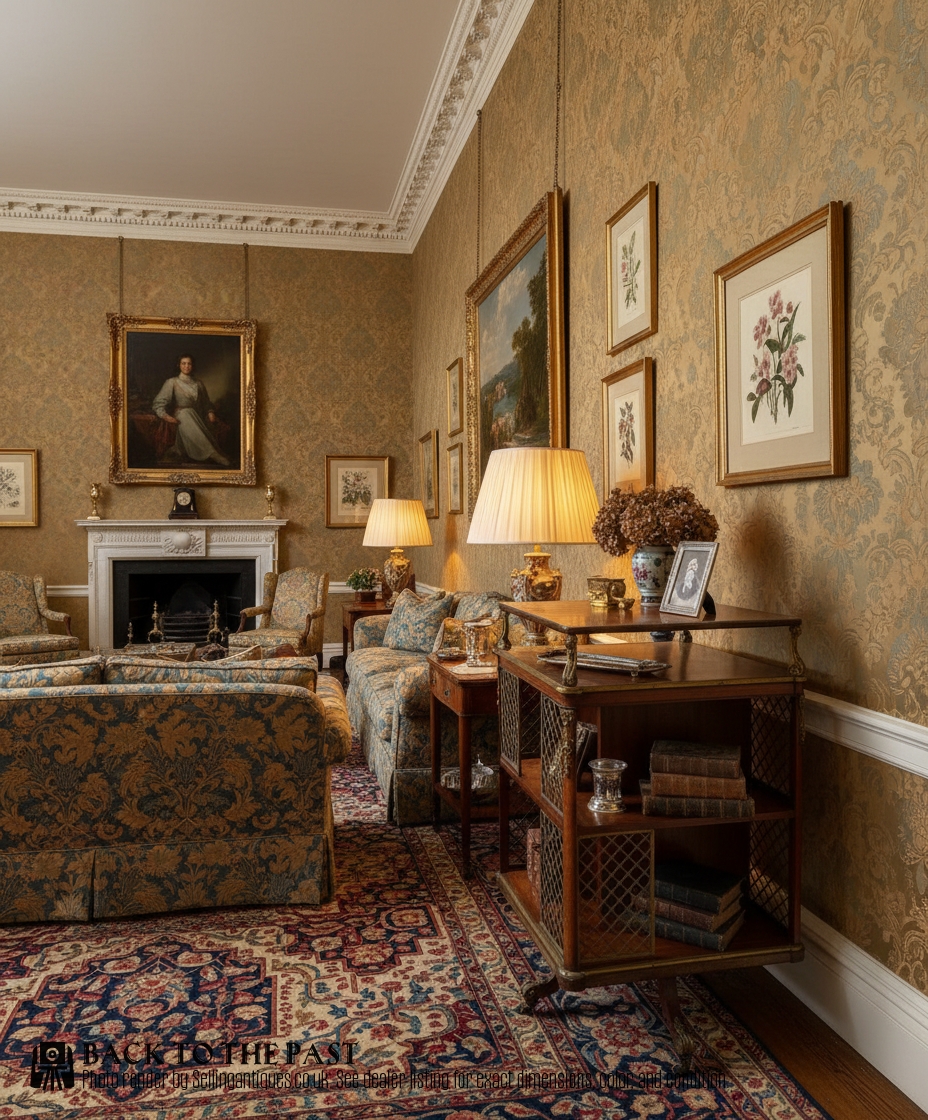
Makers and workshops utilised mahogany, walnut, satinwood, kingwood, and painted wood as primary timbers for these cabinets. Decorative detailing often incorporates brass mounts, ormolu, gilt metal, glass doors, and wire mesh grilles.
How they were made
Cabinet makers constructed carcass frames from hardwoods such as mahogany and walnut, frequently applying veneers of satinwood or kingwood. Surface decoration relied on the integration of cast ormolu, brass mounts, and gilt metal details applied to corners, cornices, and door frames.
Glazing techniques included fitted glass panels and fine wire mesh grills set into wooden doors or open display frameworks. Painted finishes on wood surfaces provided alternative decorative schemes seen across various nineteenth and twentieth-century examples.
Retail Price Guide 2026
Typical UK retail prices for french style bookcase, calculated from the Sellingantiques database of over a million retail prices indexed since 2003. This retail price guide relies exclusively on Sellingantiques data; no external sources or auction records are used, so the figures do not describe the wider market.
The listings span the nineteenth century, nineteen-ten, nineteen-thirty, and eighteen-ninety, employing brass, mahogany, ormolu, wire mesh, satinwood, painted wood, glass, and walnut.
What varies in quality
The distinction between standard cabinet work and superior pieces rests in the execution of the timber veneers and the crispness of the metal mounts. Finer examples display harmonious grain selection in mahogany, walnut, or kingwood alongside intricately chased ormolu and brass fittings.
Structural refinement shows in the proportion of the breakfront or pier cabinet form, the integration of wire mesh or glass panels, and the preservation of original painted finishes. Superior execution elevates a utilitarian storage item into a sophisticated focal point.
The French Style Bookcase Glossary
- Ormolu
- Gilded bronze mounts applied to furniture. This decorative technique adds metallic enrichment to mahogany and walnut surfaces.
- Breakfront
- A cabinet design where the central section projects forward from the flanking wings. This architectural arrangement creates depth and visual interest.
- Pier Cabinet
- A narrow display cabinet designed to fit wall spaces between windows. These pieces often function for both book storage and ornament display.
- Kingwood
- A dense, richly figured exotic timber used for veneering luxury cabinets. Its distinctive grain patterns characterise high-end nineteenth-century pieces.
- Wire Mesh
- Fine metal screening fitted into cabinet doors in place of glass. This material protects books while maintaining a semi-transparent front.
Frequently Asked Questions
What is an Empire style bookcase?
Empire style bookcases reflect the neoclassical taste popular in the early nineteenth century, favouring architectural dignity and symmetrical lines. They frequently employ dark mahogany veneers accented with polished brass or gilt metal mounts.
Such cabinets often display restrained pilasters and classical proportions, projecting an air of formal authority suited to a traditional study.
Where should I place a pier cabinet?
A pier cabinet is designed specifically for narrow wall spaces, such as the section of wall situated between two windows. Their slender proportions allow them to fit where standard bookcases cannot.
Placing one in a drawing room or hallway provides both functional shelf space and an elegant display surface without overwhelming the room.
How do wire mesh doors differ from glass?
Wire mesh doors substitute woven metal screening for transparent glass panels, offering a distinct textural element to the front of a cabinet. This treatment allows air circulation while keeping book collections secure.
Historically, wire-fronted cabinets were favoured for libraries where ventilation and a softer visual texture were preferred over solid glass reflection.