



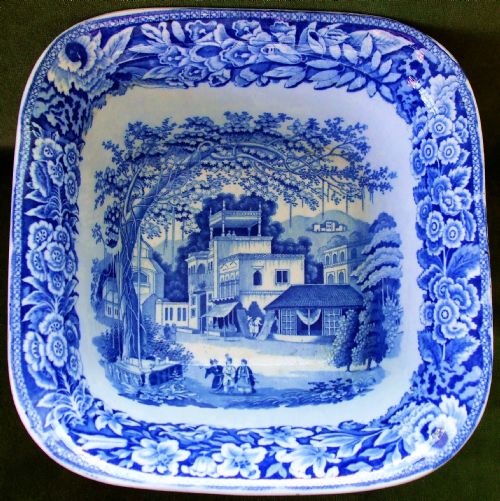
Blue White Pottery Dish
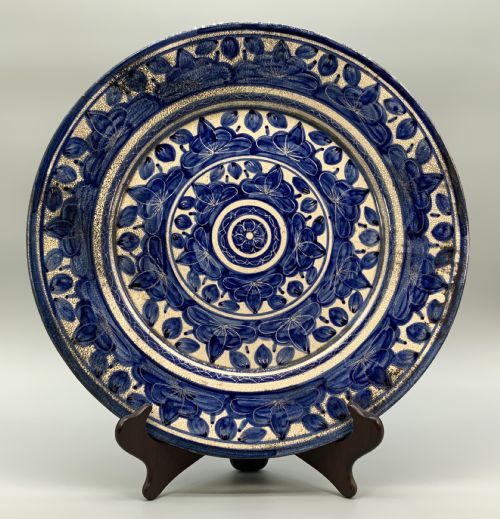
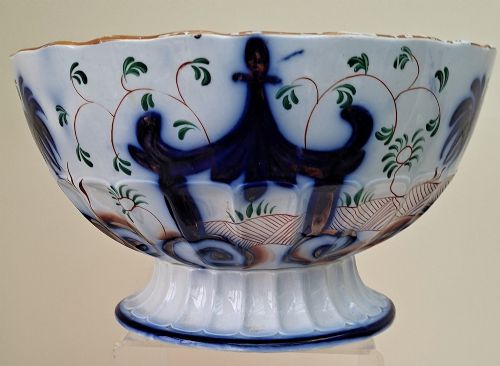
When you search for a blue white pottery dish, you find centuries of tin-glazed earthenware and transfer-printed ceramics designed for both table and display.
Blue White Pottery Dish
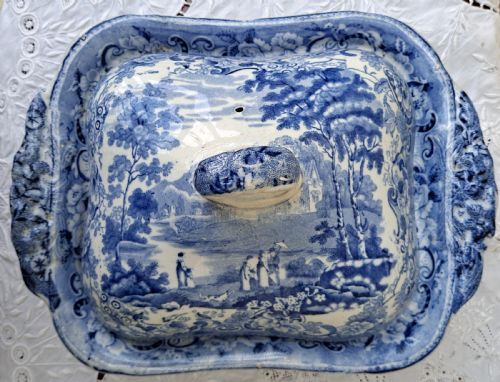
A blue white pottery dish encompasses a wide variety of ceramic forms, from shallow plates and chargers to deep serving platters, tureens, and specialised vessels. The selection draws together pieces spanning multiple centuries, touching upon English earthenware, continental faience, and Asian porcelain.
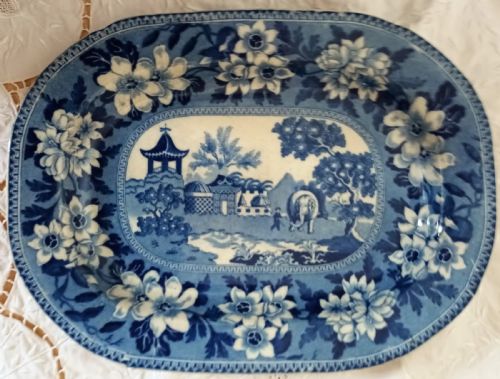
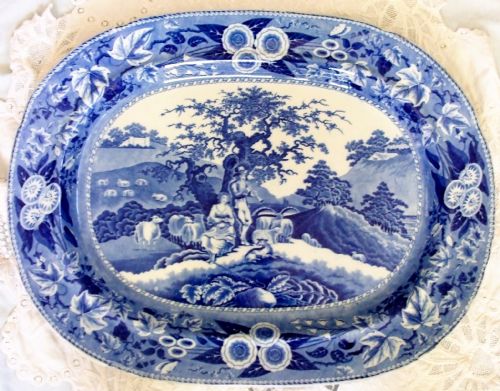
The most common examples encountered on this page stem from the eighteenth and nineteenth centuries, reflecting the height of domestic transfer printing and hand-painted delftware production. Buyers often encounter large decorative chargers alongside utilitarian meat plates and vegetable tureens.
Origins stretch across English potteries in Staffordshire and beyond, alongside Dutch, French, Spanish, and Japanese production centres. Each region brought distinct local clays and decorative traditions to the enduring blue and white palette.
How they were made
Potters relied on earthenware, stoneware, and porcelain bodies, coated in glazes ranging from tin-glaze to pearlware surfaces. The blue coloration derived from cobalt pigment and cobalt oxide applied beneath or over the glaze before firing.
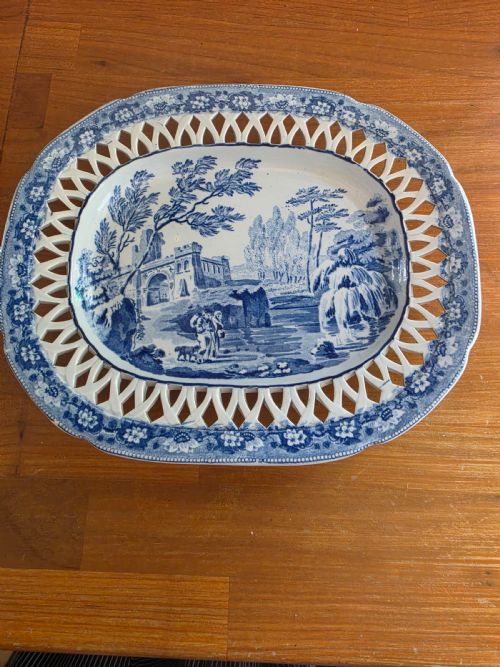
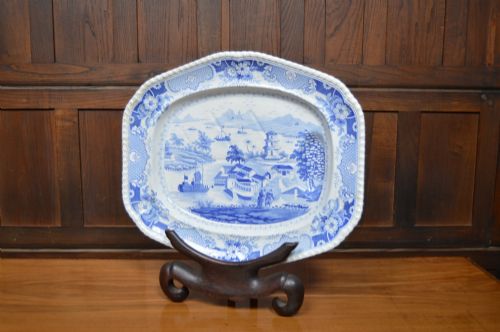
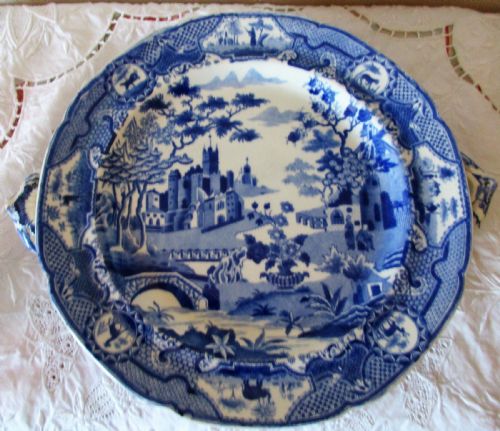
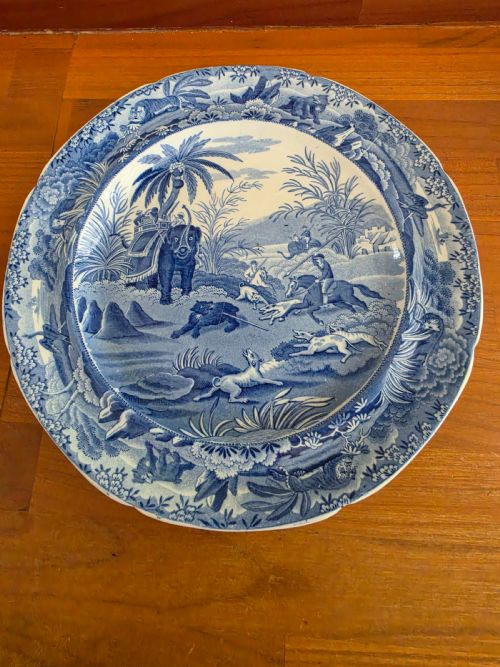
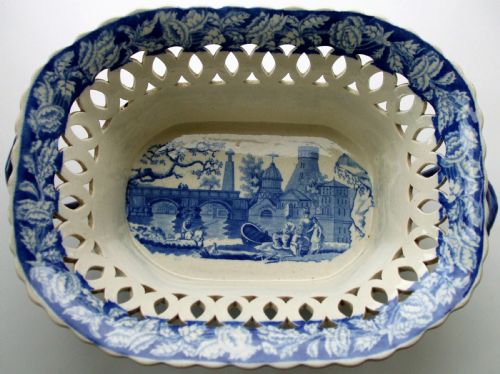
Decoration alternated between careful hand painting, seen on early delftware and oriental imports, and intricate transfer printing introduced during the Georgian and Victorian eras. Transfer printing allowed complex pictorial scenes, such as pastoral landscapes and architectural views, to be applied uniformly across plates and platters.
Early eighteenth-century barbers utilised specialised bleeding dishes featuring crescent cutouts to fit comfortably against a customer's neck.
What varies in quality
The crispness of the cobalt pigment application separates standard wares from superior examples, where hand-painted brushwork or transfer-printed lines remain sharp without blurring into the surrounding glaze. Depth of tone and clarity in the underlying ceramic body further distinguish accomplished production from mass output.
Form and potting skill dictate desirability, particularly in large chargers or pierced serving dishes that required expert handling during firing to prevent warping. Well-balanced proportions and successful integration of glaze and pigment elevate individual vessels within any historical period.
Davenport·Spode·John Rogers and Son·James Wallace and Co·J and R Clews·J and R Riley·Quimper·Desvres·Doulton Burslem·John Ridgway·Burgess and Leigh·Mintons·Thomas and Benjamin Godwin
The Blue White Pottery Dish Glossary
- Tin-Glaze
- A pottery glaze containing tin oxide that turns opaque white during firing, providing a smooth surface for cobalt painting. It defines much of the early European delftware found in this category.
- Transferware
- Pottery decorated by pressing a printed paper design from an engraved copper plate onto the ceramic surface. This technique revolutionised nineteenth-century production with repeatable pictorial scenes.
- Charger
- A large decorative plate or shallow bowl typically intended for display on a wall or sideboard rather than daily dining. These pieces frequently showcase elaborate painted or printed landscapes.
- Pearlware
- A refined earthenware developed in the late eighteenth century featuring a subtle bluish tint in the glaze to mimic Chinese porcelain. It served as a popular ground for blue and white printed patterns.
- Faience
- European tin-glazed earthenware produced in various regional styles across France, Spain, and the Netherlands. The ware supports painted cobalt decoration over an opaque white background.
Blue White Pottery Dish: Frequently Asked Questions
What is a delft dish?
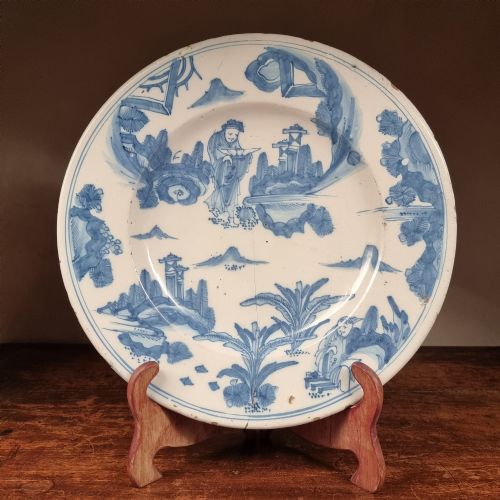
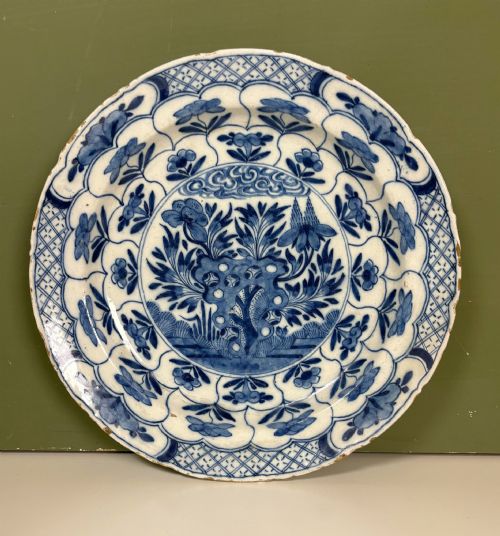
Delft dishes are tin-glazed earthenware pieces typically originating from Dutch, English, or continental workshops during the seventeenth and eighteenth centuries. They are characterised by an opaque white glaze painted with cobalt blue motifs.
These vessels served both functional dining purposes and decorative display in period interiors. Their distinctive glaze and hand-painted execution make them immediately recognizable to collectors today.
How do I date a blue and white platter?
Dating relies on examining the ceramic body, glaze characteristics, and the style of the printed or painted decoration. Earlier pieces often feature porous earthenware and tin-glazes, while nineteenth-century examples frequently utilise transfer-printed ironstone or pearlware.
Maker marks, where present on the reverse, provide additional historical context and specific manufacturing decades. Comparing stylistic motifs against known pottery production periods helps narrow down the age further.
Can I use these antique dishes for food?
Many nineteenth-century transferware plates and platters were created for domestic dining and serving use. However, centuries of wear, hair cracks, and historic glaze composition mean modern users often treat them with caution.
Delicate early tin-glazed earthenware is generally reserved for display rather than active culinary service. Hand washing in warm water without harsh detergents protects the fragile ceramic surfaces.
What makes a transferware pattern desirable?
Desirability often depends on the narrative or topographical theme of the printed scene, such as named topographical views or specific series by notable potters. Clarity of the blue transfer print and the decorative border complexity also influence appeal.
Pieces depicting historical events, exotic animals, or architectural ruins command strong interest from specialists. The crispness of the cobalt ink against the white ceramic ground remains paramount.