


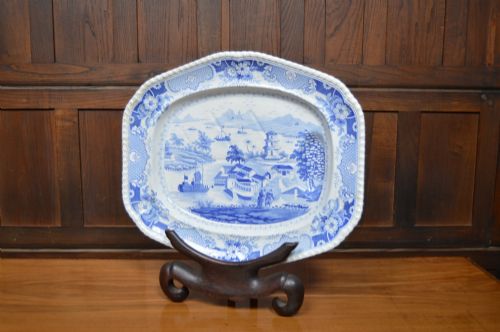
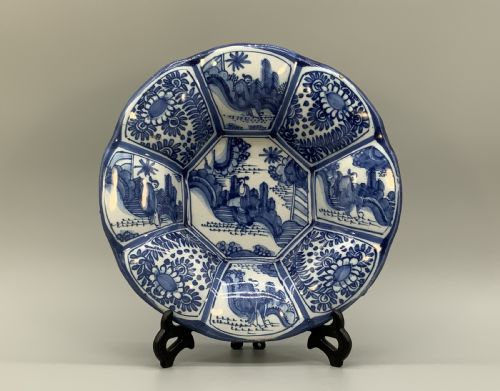
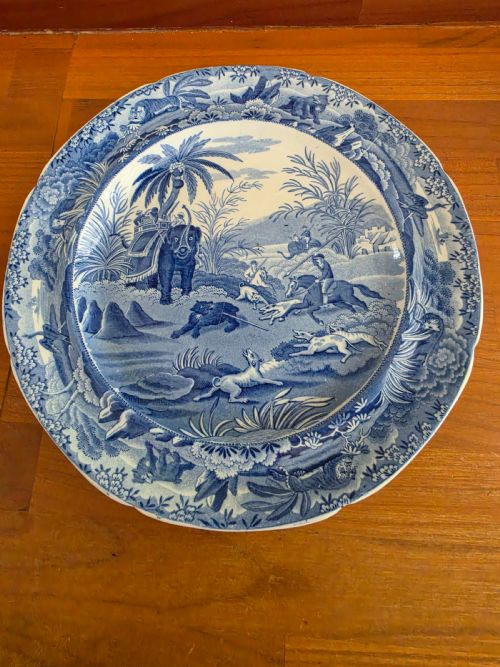
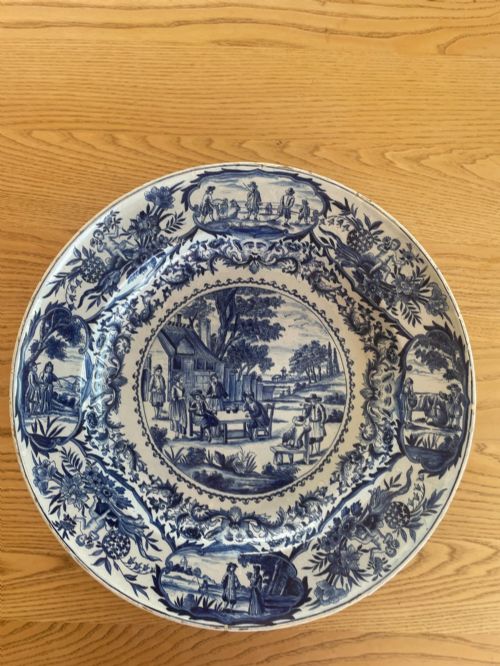
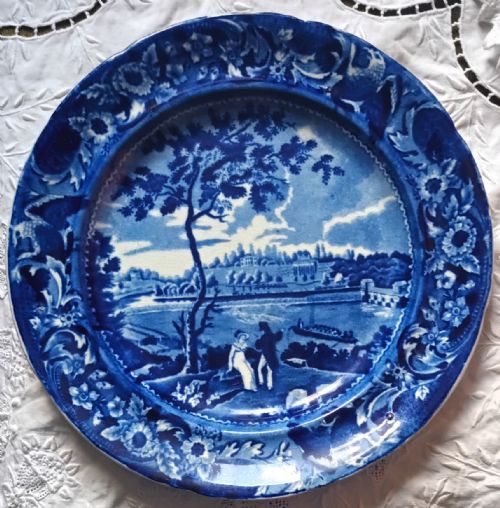
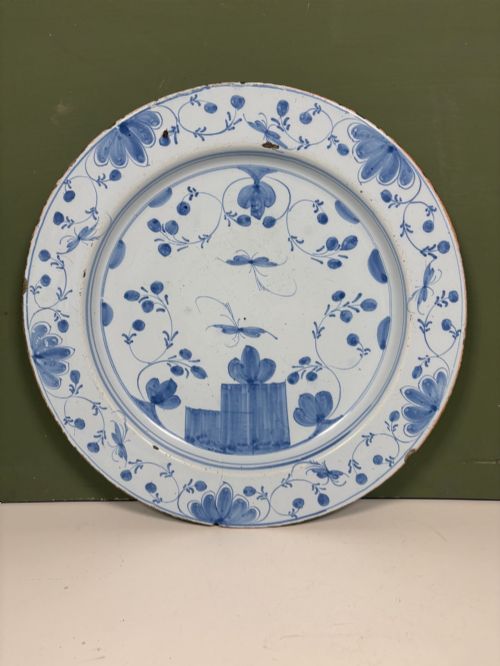
Blue White Display Plate
A blue white display plate brings cobalt pigment and tin-glazed earthenware to the wall or cabinet, offering centuries of ceramic artistry.
Blue White Display Plate
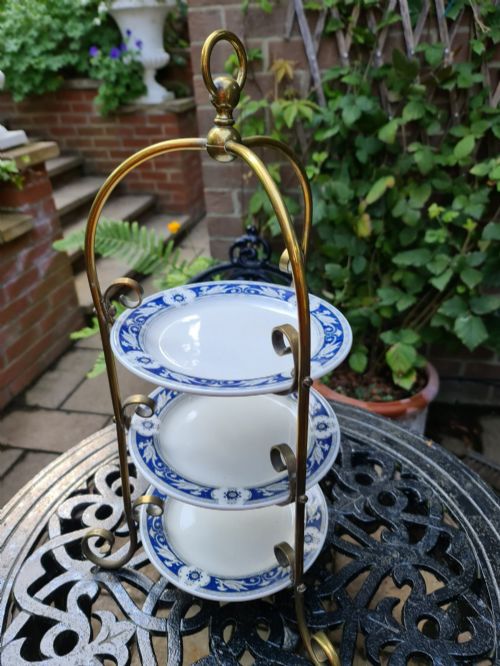
A blue white display plate brings together centuries of ceramic production designed specifically for visual impact rather than dining use. These items range from large chargers to decorative dishes and wall chargers intended to adorn surfaces.
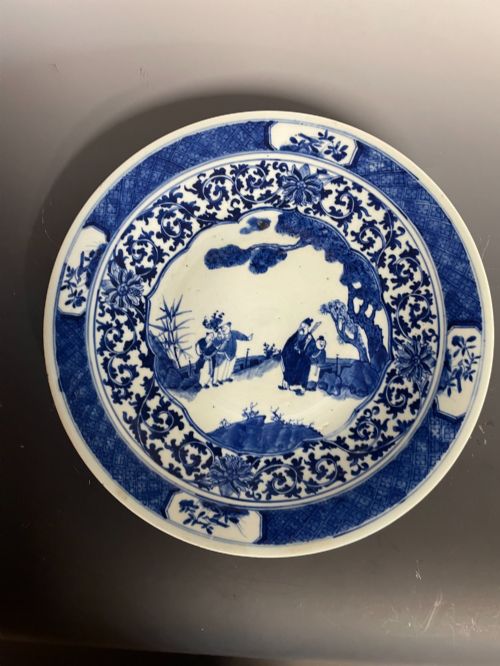
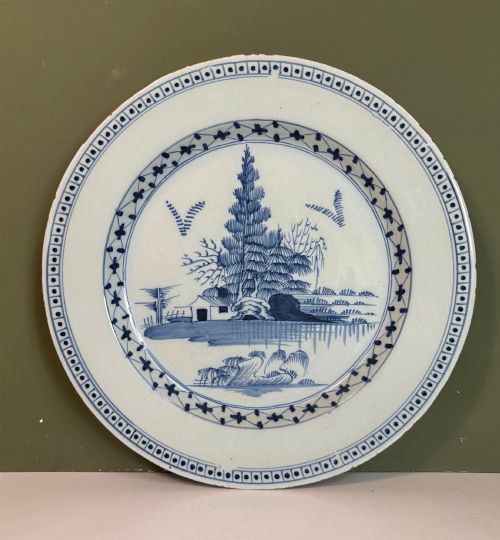
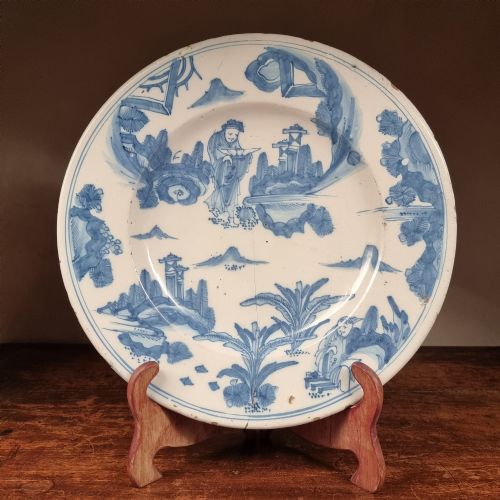
The pieces appearing most frequently across this selection span English and Dutch Delftware alongside Japanese Imari porcelain and nineteenth-century transferware. Collectors encounter examples originating from the seventeenth century through to the Victorian era and the turn of the twentieth century.
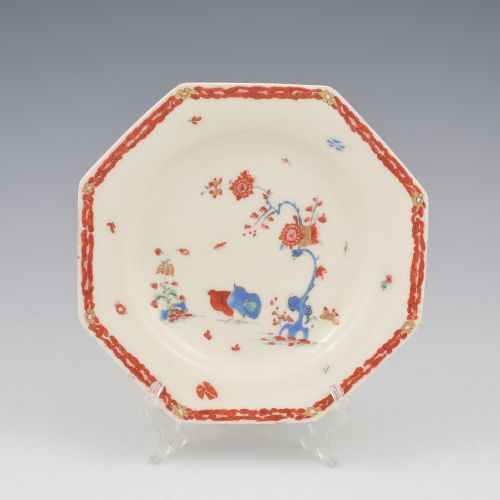
Forms vary from standard circular plates to lobed dishes, octagonal shapes, and fan-shaped items. Buyers often select them to introduce traditional cobalt decoration and historical depth into an interior scheme.
How they were made
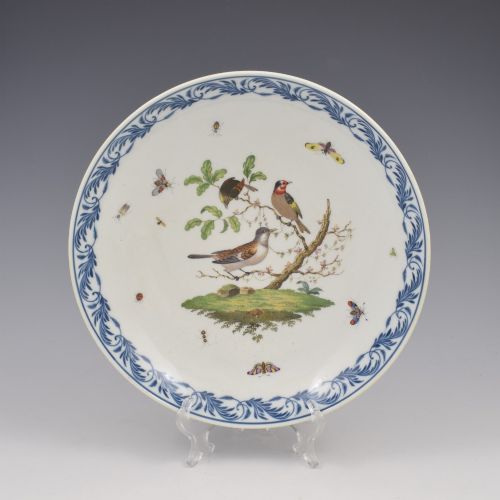
Makers utilised ceramic bodies formed from earthenware, porcelain, or stoneware, which were then coated in glazes such as tin glaze or heavy glaze. Cobalt pigment provided the primary blue colouration, applied by hand painting or via transfer printing.
Firing techniques determined the integration of the pigment into the glaze surface, sometimes supplemented by enamel additions for polychrome effects on Imari or Delft pieces.
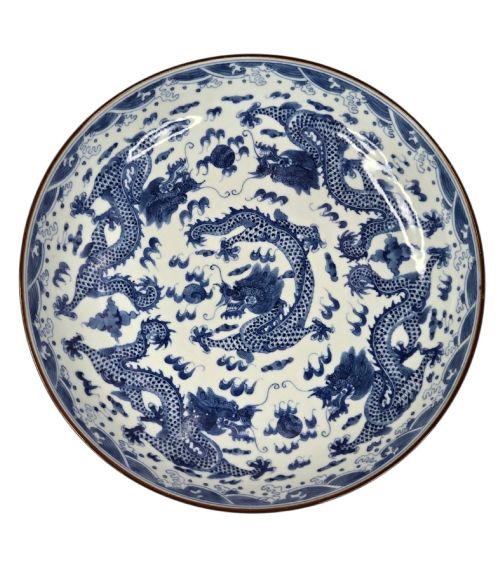
Between dragons, birds, and bears, at least one plate records the dramatic demise of a bear.
What varies in quality
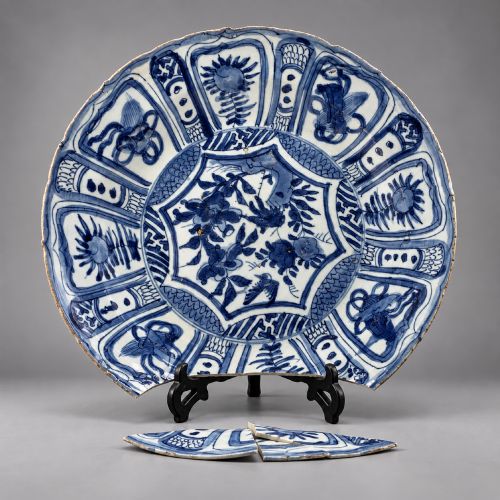
The clarity and precision of the hand-painted or transfer-printed cobalt design dictate the visual success of the piece. Crisp brushwork or sharp lines in patterns such as Kraak style or Chinoiserie distinguish superior examples.
The condition of the glaze, the absence of excessive firing flaws, and the complexity of the ceramic form, such as lobed or fan-shaped edges, separate standard utilitarian items from exceptional display plates.
Bow Porcelain·John Ridgway·Meissen Porcelain·Spode·Stubbs·William Adam
The Blue White Display Plate Glossary
- Charger
- A large decorative plate traditionally used for display on walls or sideboards rather than for serving food. These pieces measure significantly larger than standard dining plates.
- Imari
- Japanese porcelain decorated in underglaze blue and overglaze iron red and gold, heavily represented in late nineteenth-century production. The style originated in Arita and was widely exported to Europe.
- Transferware
- Pottery or porcelain decorated by transferring a printed design from an engraved copper plate onto the ceramic surface before glazing. This technique allowed for intricate pictorial scenes like historical views.
- Kraak
- A style of Chinese porcelain characterised by panels radiating from a central medallion, widely imitated in seventeenth-century Dutch Delftware. It takes its name from Portuguese merchant ships captured at sea.
Blue White Display Plate: Frequently Asked Questions
How do I hang a heavy charger?
Display chargers require specialist spring-loaded wall hangers with rubber-coated prongs to distribute the weight evenly across the rim. Ensure the fixing secured into the wall supports the specific weight of the ceramic.
Avoid wire-only display methods that apply localized pressure to the earthenware body. Proper mounting protects the structural integrity of seventeenth and eighteenth-century pieces.
Were these plates used for dining?
Larger chargers and wall plates served primarily as decorative showpieces on sideboards or walls rather than functional tableware. Their size and delicate tin-glazed surfaces made them impractical for daily dining.
Smaller plates occasionally saw service at table, but surviving examples with fine decoration were valued as display items. Their survival often depends on this decorative preservation role.
What causes crazing on these plates?
Crazing occurs when the glaze layer contracts at a different rate than the underlying ceramic body over long periods. This creates a network of fine micro-cracks across the surface of the piece.
Age, environmental temperature shifts, and historical firing stresses contribute to this natural phenomenon in antique ceramics. It does not diminish the historical importance of early earthenware.