


Blue White Delft Pottery
Blue white delft pottery brings tin-glazed earthenware into the home, offering painted chargers, jugs, and vases shaped by centuries of European kiln tradition.
Blue White Delft Pottery
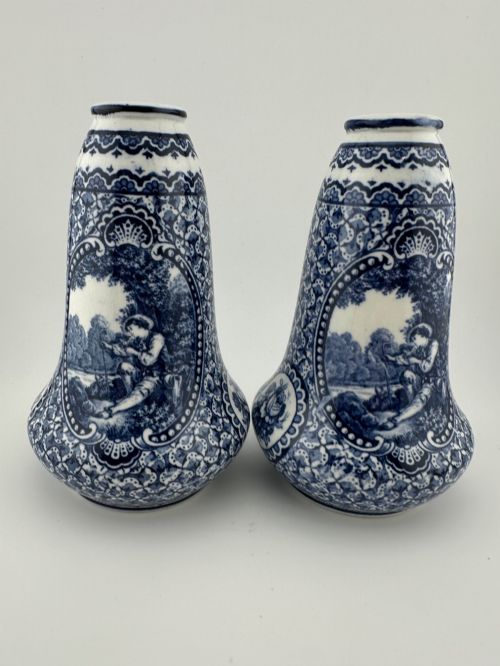
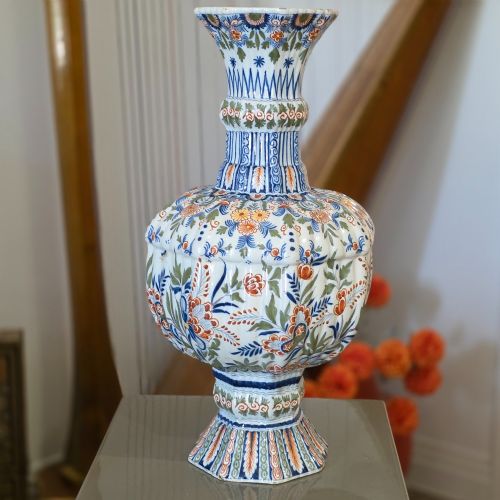
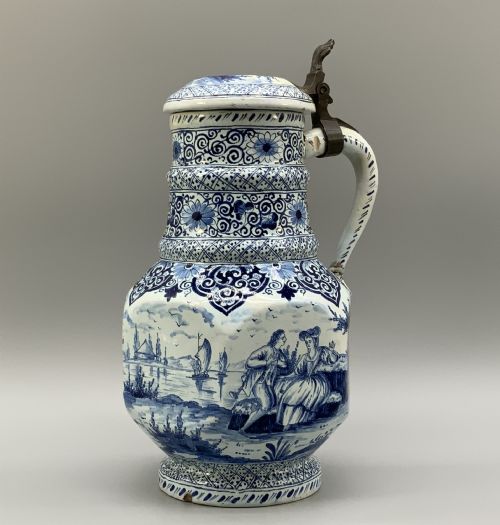
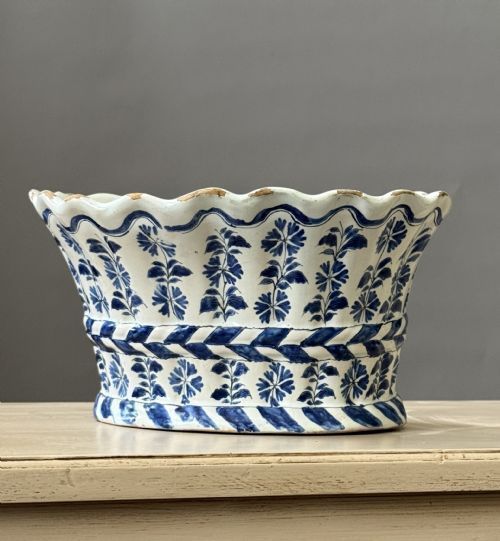
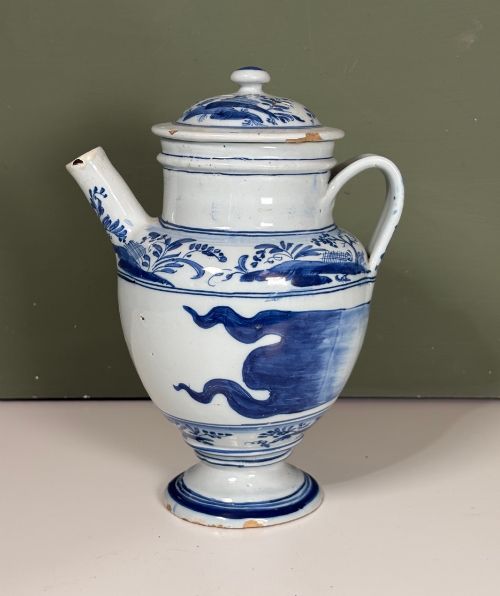
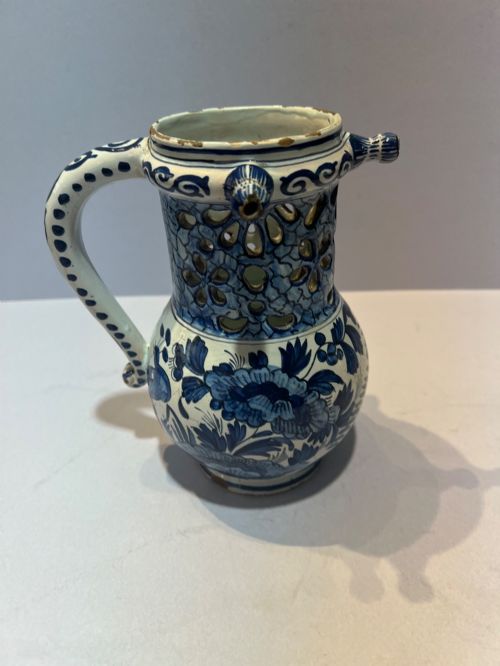
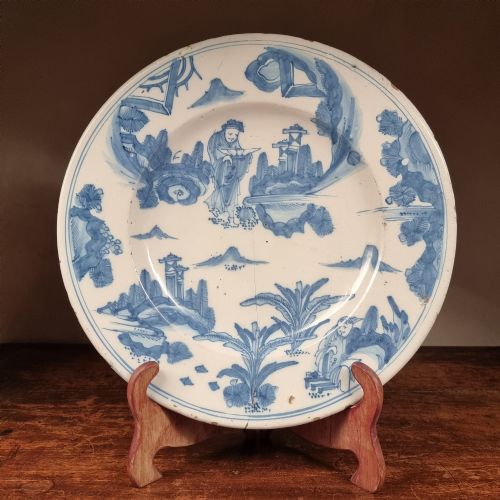
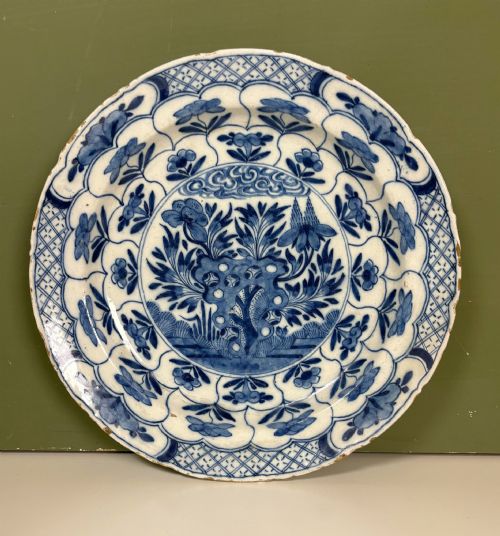
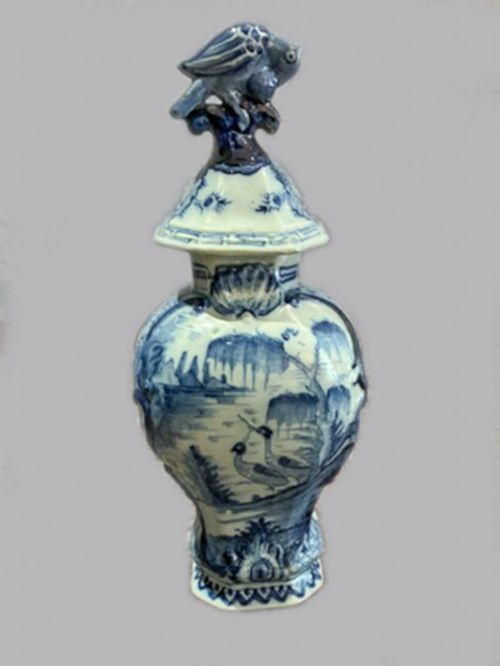
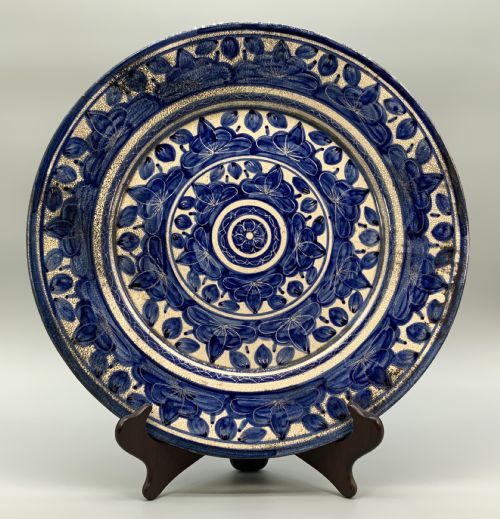
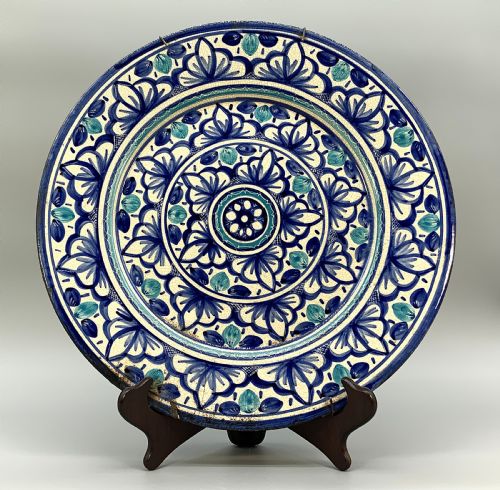
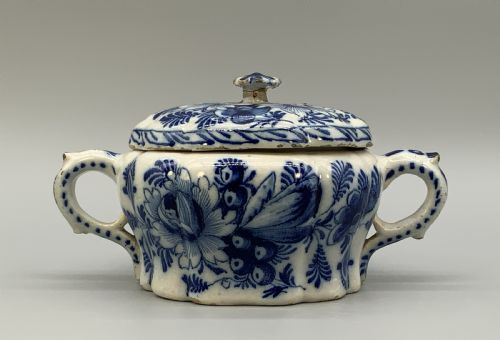
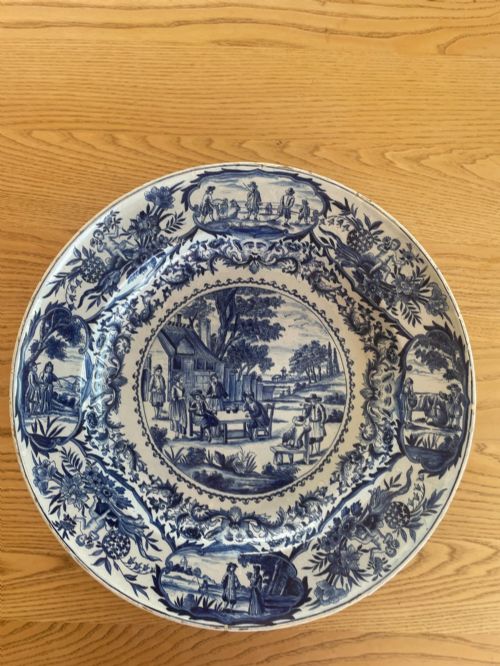
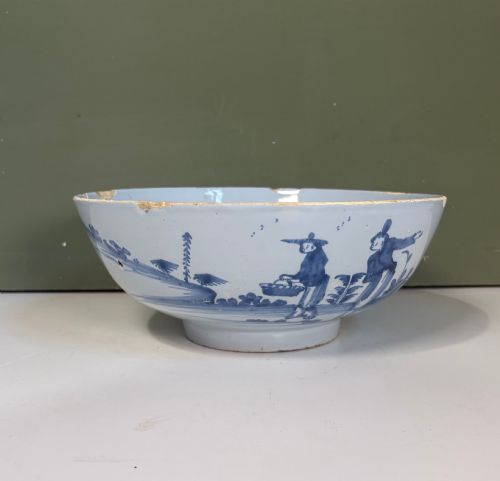
Blue white delft pottery encompasses decorative plates, chargers, apothecary jars, bough pots, and posset pots originating primarily from Dutch, English, and continental workshops across the seventeenth, eighteenth, and nineteenth centuries.
Buyers meet large chargers, baluster vases, and figural pieces such as pottery cows or Toby jugs, alongside domestic items converted later into table lamps and inkstands.
The aesthetic bridges Dutch baroque designs and Moorish influences, spanning simple floral dishes to elaborate lidded urns.
Materials and Technique
These pieces utilise earthenware bodies coated in a tin glaze that provides an opaque white surface suitable for pigment application.
Cobalt oxide or cobalt pigment is painted directly onto the unfired tin glaze to produce the characteristic blue motifs, ranging from delicate hand-painted bird and floral themes to bold geometric patterns.
Listings feature earthenware and faience spanning the seventeenth, eighteenth, and nineteenth centuries, including objects from English, Dutch, and Spanish origins.
Standard and Execution
Quality rests in the precision of the hand-painted brushwork and the depth of the cobalt blue pigment against the tin glaze.
Early pieces from the seventeenth and eighteenth centuries display crisp forms and individual artistic handling, while later nineteenth-century examples shift towards ornamental or utilitarian production.
The Blue White Delft Pottery Glossary
- Tin-Glazed Earthenware
- Ceramic pottery coated with a white tin oxide glaze that becomes opaque and glossy upon firing. This surface serves as the canvas for cobalt blue decoration.
- Charger
- A large decorative plate intended for display on a wall or dresser rather than for dining use. These often feature detailed pictorial scenes or floral borders.
- Posset Pot
- A multi-handled vessel used historically for serving a hot drink made of curdled milk mixed with wine or ale. They frequently include lids and spouts.
- Apothecary Jar
- A cylindrical or globular container utilised by chemists and apothecaries to store dry drugs, herbs, or ointments. Many bear painted labels or decorative cartouches.
- Faience
- European tin-glazed earthenware produced outside of Italy and the Netherlands, particularly in France and Spain. It shares the same technical foundation as traditional delftware.
Blue White Delft Pottery: Frequently Asked Questions
What is blue white delft pottery?
Blue white delft pottery is tin-glazed earthenware decorated with cobalt pigment, originating mainly from Dutch, English, and continental kilns.
The medium covers everything from wall chargers and apothecary jars to posset pots and decorative vases.
How were these pieces used?
Many items served practical domestic or medical purposes, such as apothecary jars for storage and posset pots for communal drinks.
Larger chargers and decorative plates were made primarily for display on walls and dressers to demonstrate household status.
How do I live with antique delft?
These pieces integrate easily into modern interiors as decorative table lamps, inkstands, or displayed cabinet items.
Due to the porous nature of earthenware and the delicate tin glaze, they require gentle cleaning and protection from heavy impacts.
How do I tell periods apart?
Seventeenth and eighteenth-century examples typically show hand-painted floral or figural motifs with characteristic tin glaze crazing and irregular potting.
Nineteenth-century pieces often present heavier forms, moulded details, or adaptations like lamp conversions and electrical wiring.