

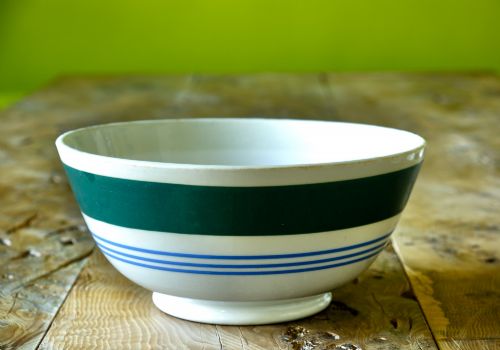


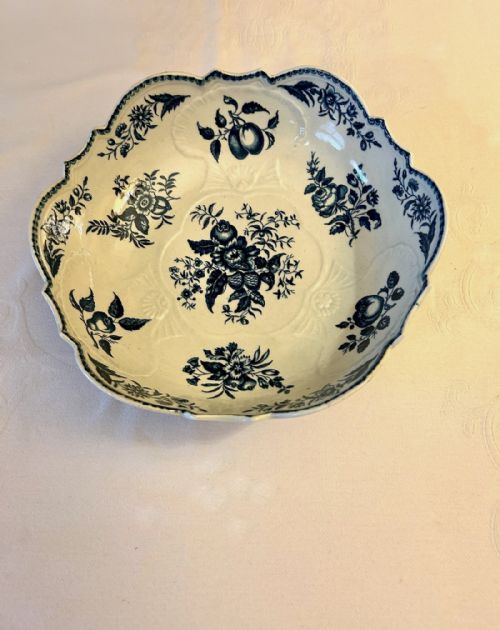

Blue White Basin Bowl
A blue white basin bowl combines utility with art, offering a durable ceramic vessel decorated in striking cobalt pigments.
Blue White Basin Bowl
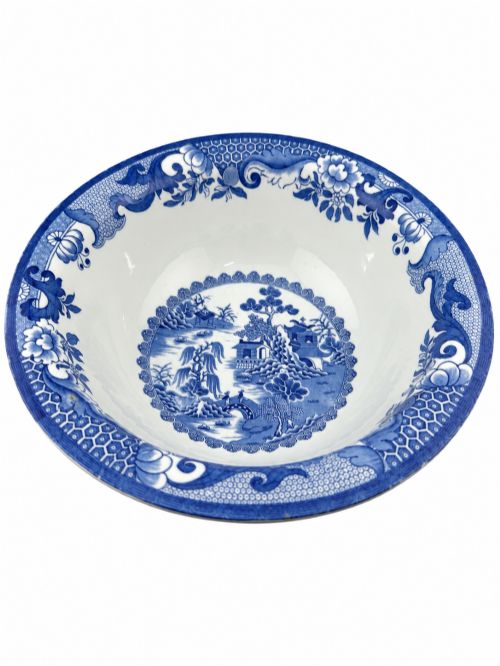
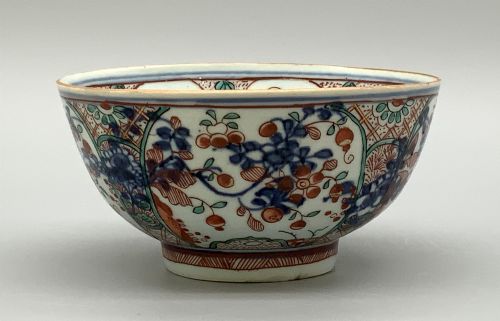
A blue white basin bowl encompasses diverse ceramic forms ranging from large washbasins and footbaths to deep punch bowls and garden planters. Buyers searching this phrase encounter examples spanning multiple centuries, originating from English potteries, Chinese export kilns, and Japanese workshops.
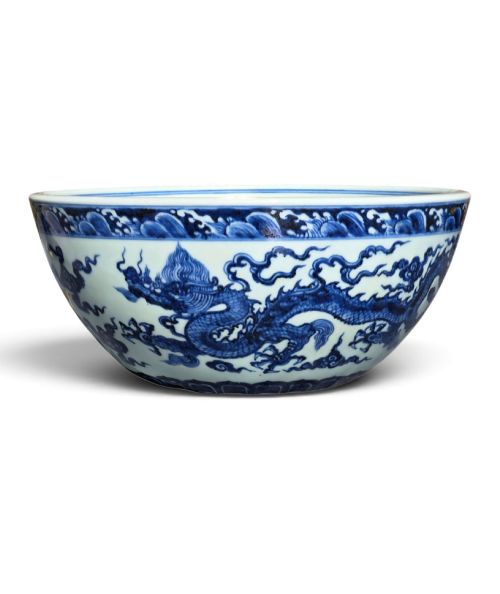
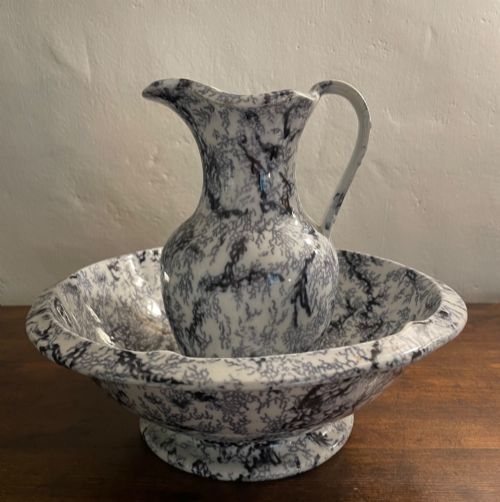
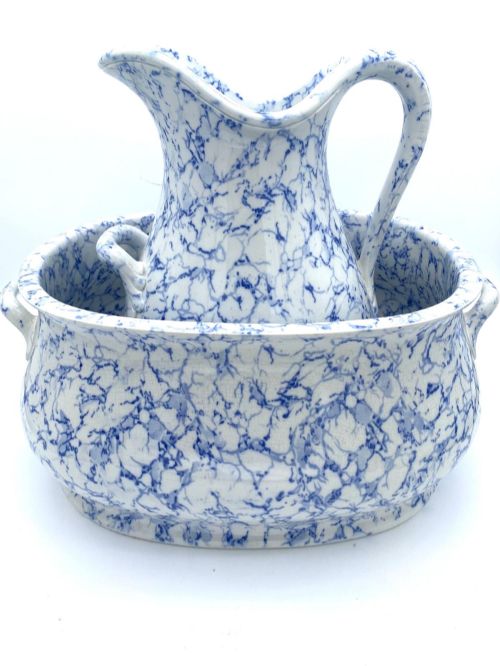
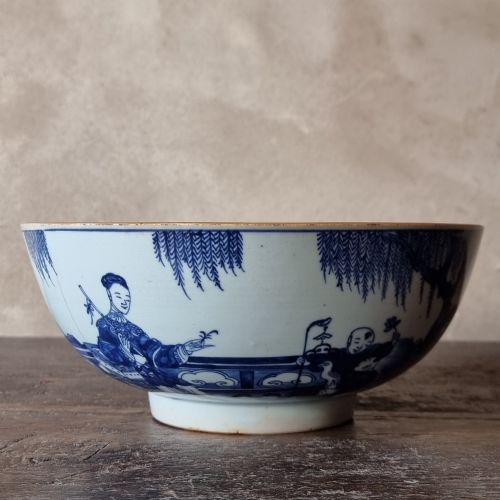
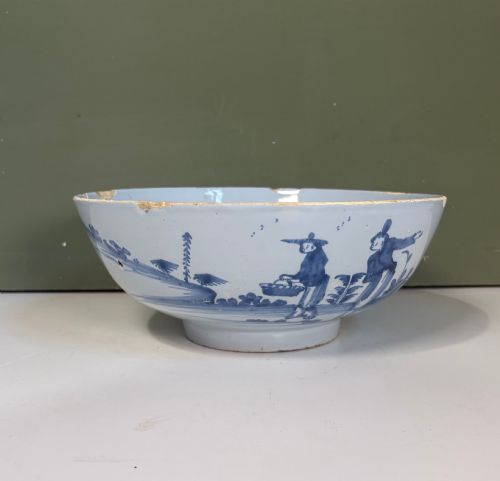
The domestic washstand sets and sanitary basins dominate the later 19th-century selections, often paired with matching pitchers. Meanwhile, earlier examples lean towards punch bowls, punch vessels, and decorative jardinières featuring traditional Chinoiserie or imperial dragon motifs.
Materials and production methods
Potters utilised earthenware, ironstone, and high-fired porcelain bodies as the structural foundation for these vessels. Cobalt glaze applied beneath a clear protective layer creates the signature deep blue decoration against a white ground.
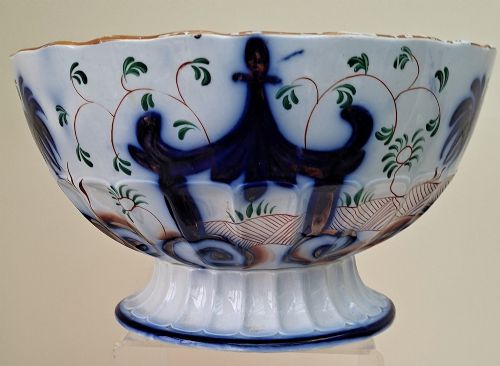
Many items incorporate hand-painted detailing or transfer-printed patterns influenced by Eastern and Western styles. Enamel and gilt highlights occasionally augment the cobalt design before a final high-temperature kiln firing.
Several items double as naval mess gear, proving that officers required orderly porcelain even while at sea.
Assessing quality in ceramic vessels
The crispness of the cobalt transfer or the precision of hand-painted brushwork distinguishes superior examples from standard production pieces. A well-potted body with balanced symmetry and minimal kiln distortion elevates the status of a bowl.
Depth of glaze and complexity of pattern design, such as intricate five-claw dragons or detailed Chinoiserie landscapes, indicate higher craftsmanship. Intact matching sets or retained original components naturally command greater interest from collectors.
Mason s·Minton·T G Green·Ridgway·Doulton Burslem·Baccarat·Samson
The Blue White Basin Bowl Glossary
- Cobalt Glaze
- A metallic pigment yielding an intense blue colour under high-temperature firing. It remains stable in the kiln, allowing for sharp contrasts against white ceramic bodies.
- Chinoiserie
- European artistic interpretations of Chinese and East Asian decorative motifs. This style heavily influenced 18th and 19th-century British pottery designs.
- Jardiniere
- An ornamental ceramic pot or bowl designed to hold live plants or flowers. They frequently appear in large formats with robust walls to support soil and moisture.
- Ironstone
- A heavy, durable type of earthenware patented in the 19th century. It resists chipping better than traditional soft-paste porcelain while retaining a refined appearance.
Blue White Basin Bowl: Frequently Asked Questions
What is a blue white basin bowl used for today?
These versatile vessels serve primarily as decorative cachepots, centrepieces, or display items in modern interiors. Large basins and jardinières find a second life holding plants, while smaller punch bowls suit tabletop organisation.
Their robust ceramic construction allows them to integrate easily into daily domestic spaces without losing their historic character.
How do I distinguish 18th-century porcelain from 19th-century pottery?
Eighteenth-century pieces often exhibit finer potting, lighter bodies, and hand-painted cobalt decoration typical of Chinese export or early English soft-paste manufactories. Nineteenth-century items frequently utilise ironstone or heavier earthenware with transfer-printed patterns.
Examining the foot ring, glaze pooling, and weight helps clarify the manufacturing period.
Are washstand basins waterproof?
Most historic washbasins and footbaths utilise fully vitrified ceramic or glazed earthenware designed to hold water safely. However, hairline fractures or historic repairs can compromise their ability to hold liquids securely over extended periods.
It is wise to test them gently before using them for floral arrangements or water displays.
How should I clean an antique ceramic bowl?
Gentle washing with warm water and mild soap removes dust without risking the historic glaze or enamel highlights. Avoid harsh chemical cleaners, abrasive scrubbing pads, and soaking pieces with existing hairline cracks.
Patting the surface dry with a soft cloth preserves the integrity of the ceramic body.