

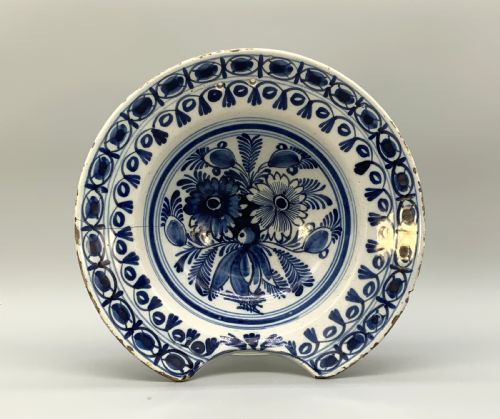
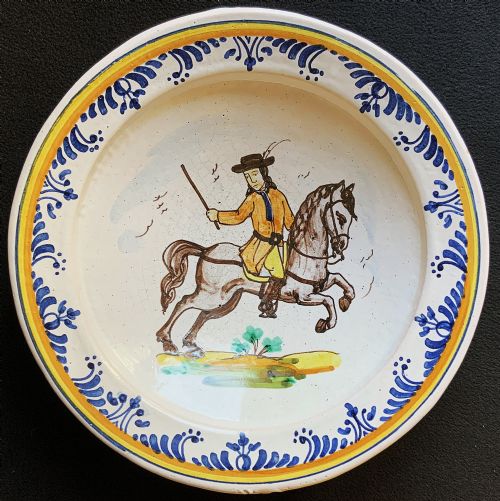

Blue White Pottery Bowl
When you handle a blue white pottery bowl, you hold centuries of ceramic tradition in your hands.
Blue White Pottery Bowl
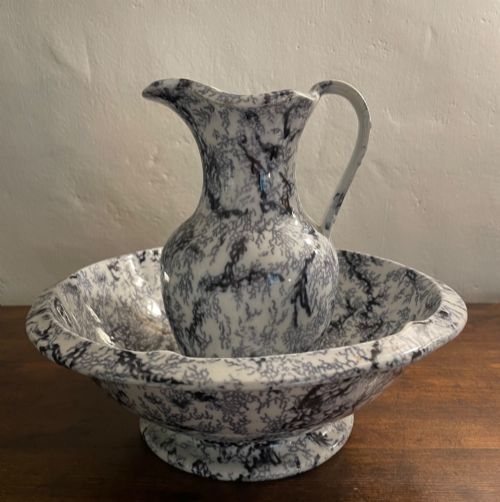
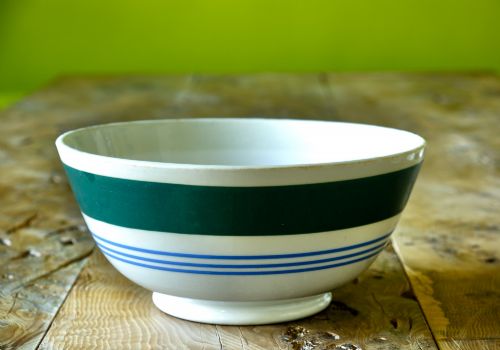
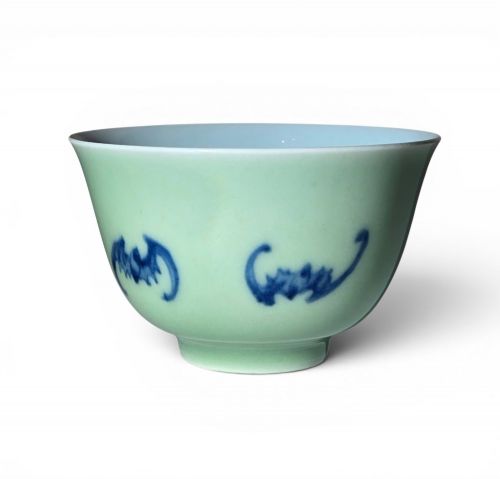
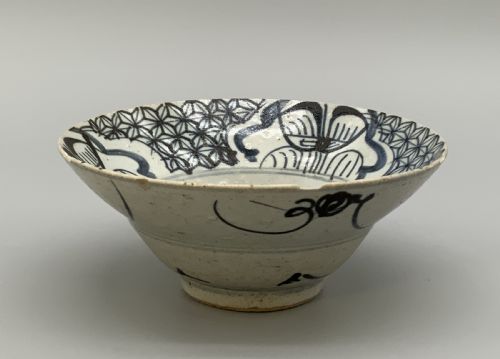
A blue white pottery bowl encompasses utilitarian vessels and decorative objects produced across multiple centuries and continents. The pieces found here range from English earthenware and pearlware to Chinese porcelain and European delftware.
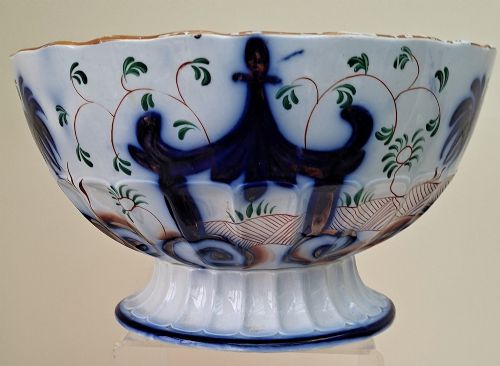
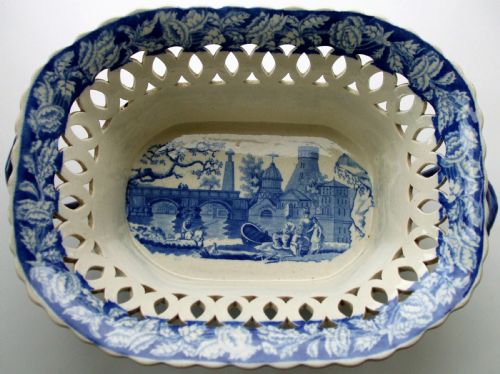
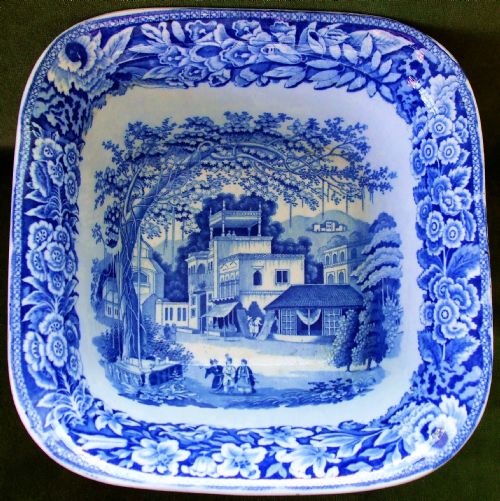
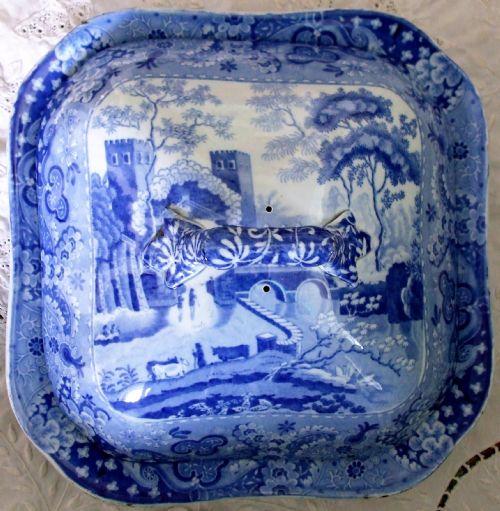
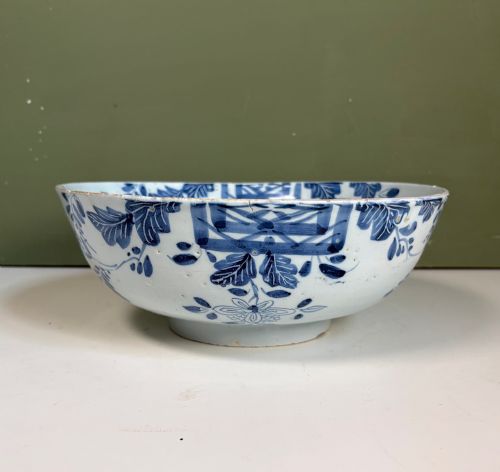
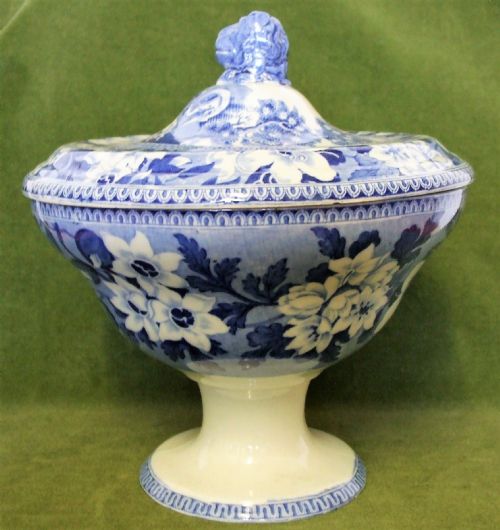
Buyers searching this phrase most often encounter 19th-century English transferware and 18th-century tin-glazed earthenware. These domestic forms include footed bowls, shallow basins, and large table vessels decorated in cobalt pigments.
Originating from diverse domestic and international kilns, these objects reflect both everyday household use and high-status display. The selection bridges regional Staffordshire production with exported Asian wares.
Materials and Techniques
Potters shaped these vessels from local earthenware, refined pearlware, or dense porcelain before applying mineral pigments. Cobalt glaze provided the intense blue coloration that fused into the surface during high-temperature firing.
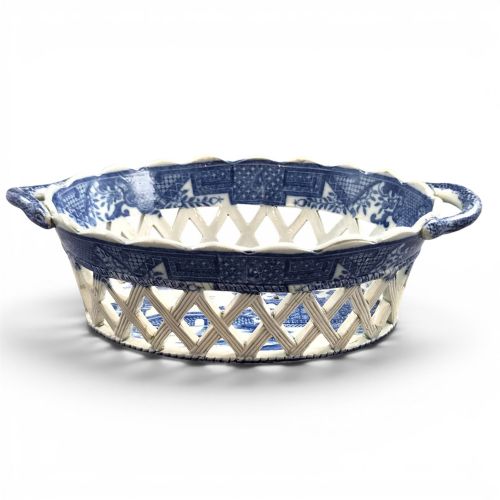
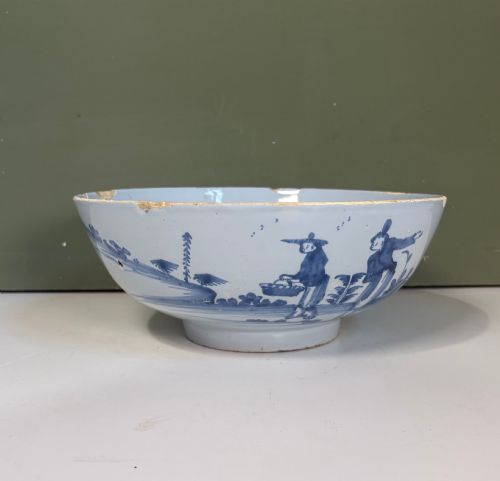
Many English pieces utilise transfer printing, a technique where an engraved copper plate transferred intricate patterns onto the ceramic body. Earlier and continental examples often feature hand-painted brushwork beneath or over a tin glaze.
Distinctions in Execution
The clarity and depth of the cobalt transfer printing dictate the visual strength of individual pieces. Crisp outlines and even saturation separate superior examples from smudged or unevenly fired surfaces.
Form and potting weight contribute significantly to desirability. Thinner walls, balanced foot rims, and complex moulded details like reticulated openwork distinguish master potteries from standard production.
J. & R. Clews·J. & R. Riley·John Rogers & Son·Spode·T G Green·Doulton Burslem·James Wallace & Co.
The Blue White Pottery Bowl Glossary
- Transferware
- A pottery decoration technique using an engraved copper plate to transfer a printed design onto unglazed or biscuit earthenware before glazing and firing. This method allowed intricate landscape and narrative scenes to be reproduced rapidly.
- Tin-Glazed Earthenware
- Pottery covered with a lead glaze made opaque by the addition of tin oxide, creating a white surface suitable for painting. Examples include English, Dutch, and Spanish delftware.
- Pearlware
- A refined earthenware developed in the late 18th century featuring a bluish-tinted glaze that pooled slightly in crevices to mimic the appearance of Chinese porcelain. It served as a popular canvas for blue and white transfer prints.
- Tureen
- A deep covered bowl designed for serving soups, vegetables, or stews at the dining table. Many examples include matching stands, ladles, or decorative handles.
- Comport
- A pedestal bowl or raised dish used historically for serving fruit or sweetmeats at dessert. These pieces elevate the display above the surface of the dining table.
Blue White Pottery Bowl: Frequently Asked Questions
How do I care for an antique bowl?
Wash antique ceramics gently by hand in warm water using mild soap, avoiding abrasive sponges or modern dishwashers. Sudden temperature changes can crack old glazes and weaken the ceramic body.
Display your pieces away from direct sunlight and sources of extreme heat to protect the glaze and body from cumulative environmental stress.
Can I use these bowls for serving food?
While these vessels were originally created for domestic use, historic glazes may contain lead or other substances that react poorly with acidic foods. Many collectors prefer to reserve antique ceramics for decorative display.
Examine the interior surface for heavy wear or staining before deciding to use any antique vessel for culinary purposes.
How are different periods identified?
Stylistic clues, ceramic bodies, and maker marks help narrow down the date of production. Pearlware and refined earthenware typically point toward the late 18th and early 19th centuries, while tin glaze suggests an 18th-century origin.
Comparing pattern names, shape profiles, and kiln transfer styles against documented archives confirms the manufacturing era.