

Antique Pottery Serving Dish
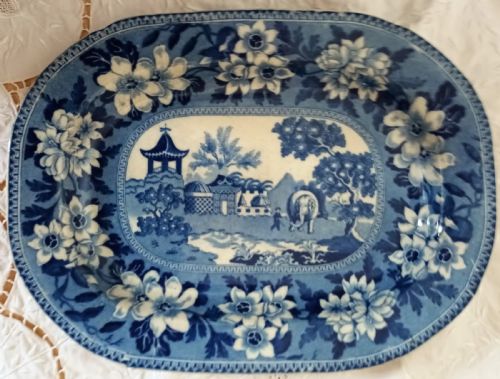
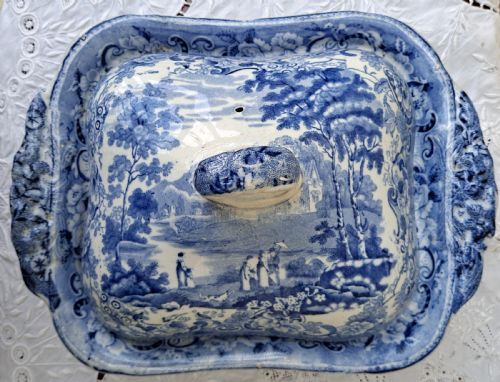
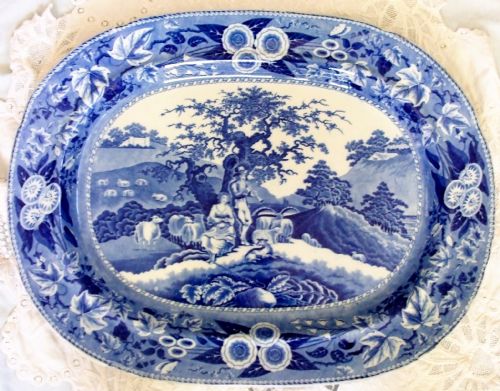
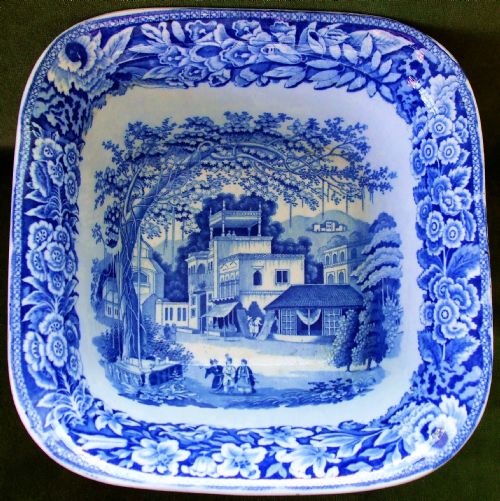
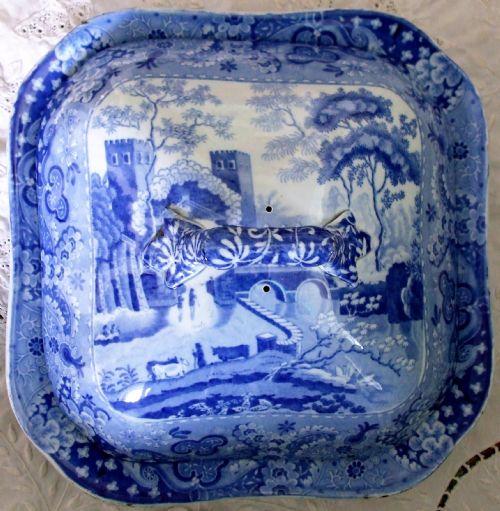
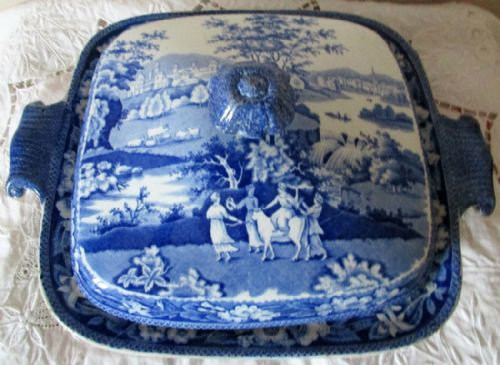
These pieces of antique pottery serving dish bring eighteenth-century and nineteenth-century dining tables to life with blue and white transfer print patterns.
Antique Pottery Serving Dish
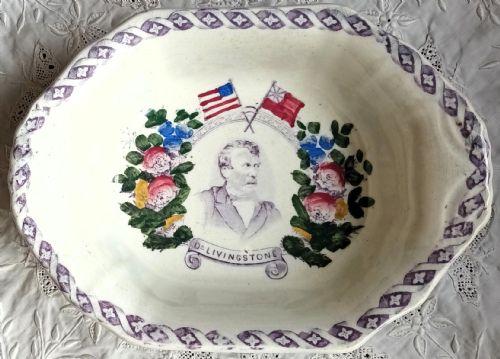
An antique pottery serving dish includes large platters, tureens, chargers, and bowls designed for presenting food at the table. These items span the Georgian, Regency, and Victorian periods, originating from English potteries as well as French and Spanish workshops.
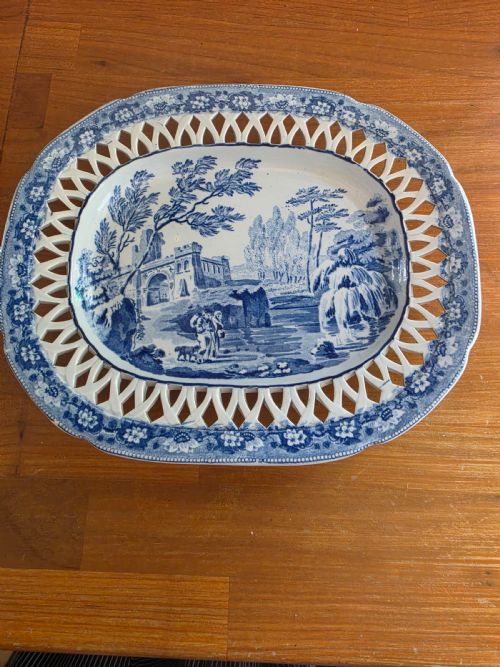
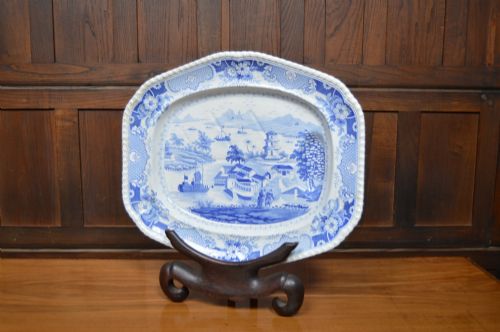
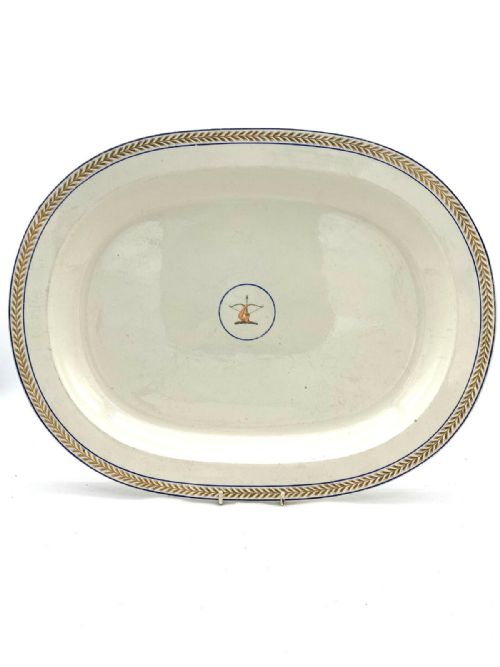
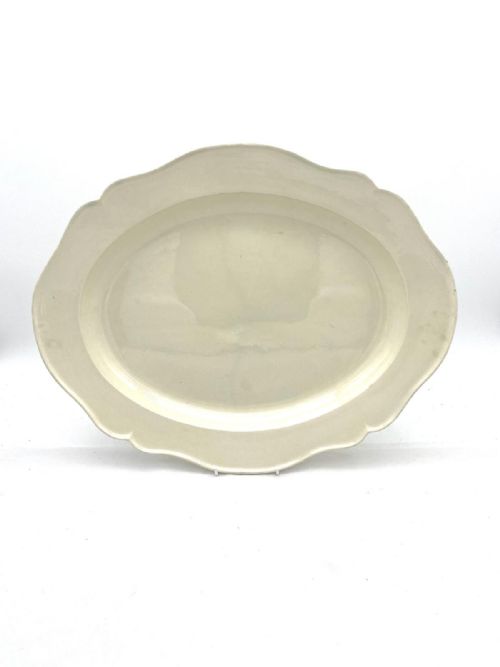
Transfer-printed earthenware forms the core of what buyers encounter, often decorated with pastoral scenes, oriental motifs, or architectural views in deep blue pigment. Plain creamware chargers and pearlware platters from the eighteenth century also appear frequently.
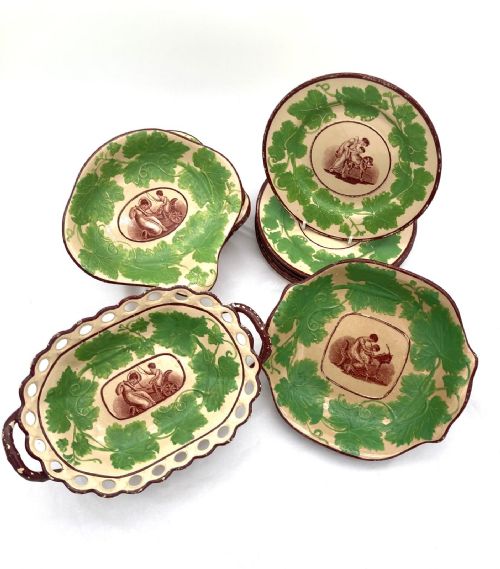
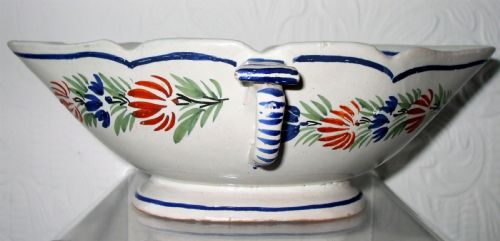
Specialised vessels such as sauceboats, bread stands, and lidded tureens with ladles represent the more elaborate side of period tableware. Stoneware salad bowls and majolica centrepiece dishes demonstrate the shift toward colourful glazes in the later nineteenth century.
How these dishes were made
Potters shaped earthenware, creamware, pearlware, and ironstone on wheels or pressed them into moulds to create large platters and hollowware. Glazes containing lead or tin provided a smooth, waterproof surface over the ceramic body.
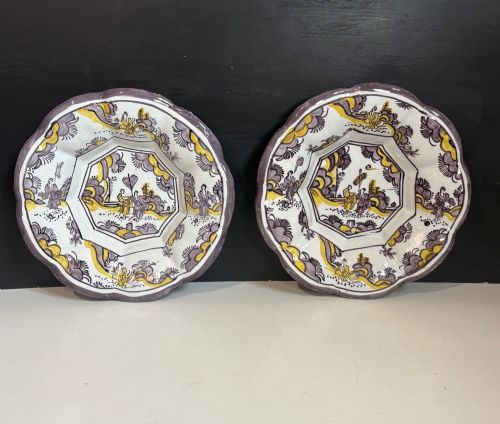
Decoration relied heavily on cobalt pigment applied under the glaze or transferred from engraved copper plates onto the pottery surface before firing. Hand-painted polychrome enamels and slipware techniques added colour and texture to specific regional pieces.
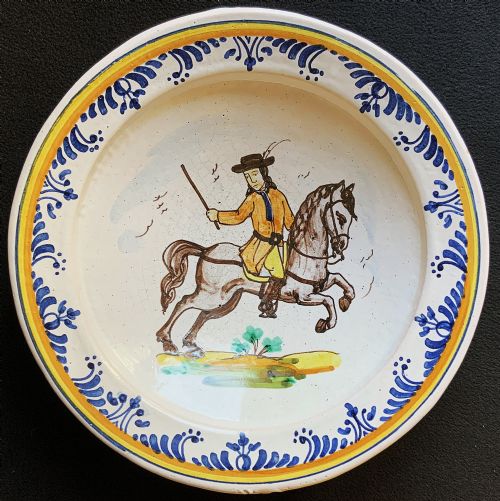
English potteries from Staffordshire dominate the selection, accompanied by French Quimper faience and Spanish tin-glazed dishes.
What varies in quality
The clarity and crispness of transfer printing distinguish finer pieces from simpler output, as blurred lines indicate worn copper plates or hasty firing. Richness in cobalt tone and depth in the glaze also elevate the visual presence of a platter or charger.
Complexity of form, such as pierced rims on creamware plates or moulded silver shapes on chargers, reflects higher manufacturing costs and skilled labour. Prominent makers and named topographical series add historical weight and desirability to individual serving vessels.
Davenport·Wedgwood·John Rogers and Son·James Wallace and Company·J and R Riley·J and R Clews·Mann and Company·Doulton Lambeth·Spode·Thomas Lakin·Robert Hamilton of Stoke
The Antique Pottery Serving Dish Glossary
- Creamware
- A refined earthenware developed in the eighteenth century with a pale yellow-buff glaze. Wedgwood and other Staffordshire potteries popularised this light, durable body for dining services.
- Pearlware
- An earthenware body introduced in the late eighteenth century featuring a subtle bluish glaze that pooled in recesses to mimic Chinese porcelain. It served as the standard canvas for early nineteenth-century transfer printing.
- Transferware
- Pottery decorated by applying a paper print taken from an engraved copper plate onto the ceramic surface. This technique allowed intricate pictorial scenes to be replicated consistently across large dinner services.
- Ironstone
- A heavy, durable ceramic patented in the early nineteenth century to imitate Chinese porcelain. It resisted chipping and provided a sturdy base for brightly coloured enamel decorations.
Antique Pottery Serving Dish: Frequently Asked Questions
What is an antique pottery serving dish used for?
These vessels served meals in Georgian and Victorian dining rooms, holding large joints of meat, vegetables, sauces, or desserts. Platters presented roasts, while covered tureens kept soups and stews warm at the table.
Today, collectors utilise these durable earthenware pieces for modern entertaining or display them on walls and dressers as decorative art.
How do I date an antique pottery serving dish?
Dating relies on stylistic clues, ceramic bodies, and maker marks stamped or printed on the base. Creamware and tin-glazed delft chargers point firmly to the eighteenth century, while ironstone and majolica indicate the Victorian era.
Transfer printed patterns often depict specific historical events, buildings, or literary scenes that narrow the production window down to a specific decade.
What is the difference between creamware and pearlware?
Creamware has a warm, ivory-toned glaze developed in the eighteenth century to rival porcelain. It provides a soft background for armorial designs and moulded basketweave borders.
Pearlware contains a small amount of cobalt in the glaze to create a bluish tint, making the underlying ceramic appear whiter. Potters used pearlware extensively for bright blue and white transfer-printed landscapes.
Can I use antique pottery serving dishes for food?
Most antique earthenware and ironstone remain structurally sound for serving dry foods or room-temperature dishes. However, centuries of use can make historic glazes vulnerable to staining and modern detergents.
Hand washing in warm water without harsh abrasives preserves the fragile transfer prints and prevents damage to the aged ceramic body.