


Masons Ironstone Bowl
These masons ironstone bowl pieces offer robust ceramic strength combined with rich decorative palettes, making them enduring focal points for traditional interiors.
Masons Ironstone Bowl
A masons ironstone bowl represents the heavier, more durable ceramic development patented in the early nineteenth century to withstand daily service while mimicking oriental porcelain. Buyers searching for a masons ironstone bowl will find pieces spanning the Georgian, Victorian, and later nineteenth-century periods, alongside twentieth-century examples.
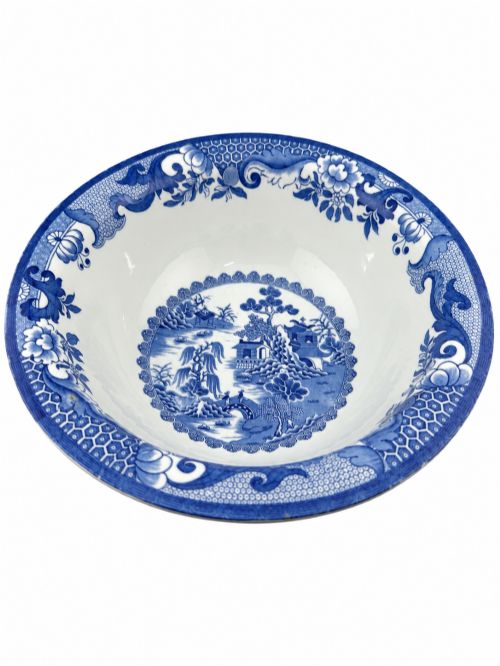
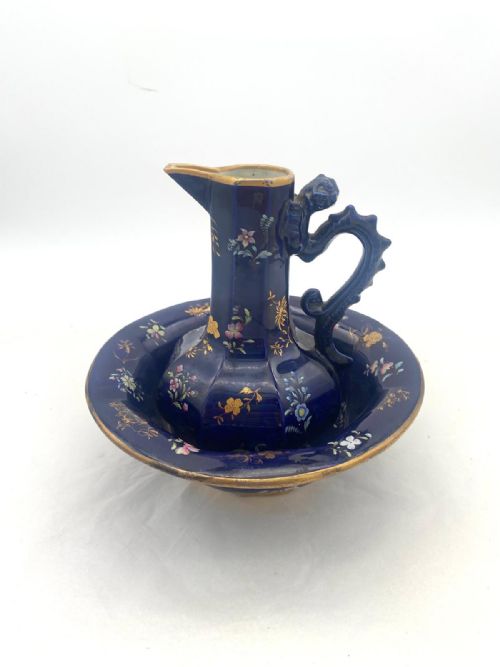
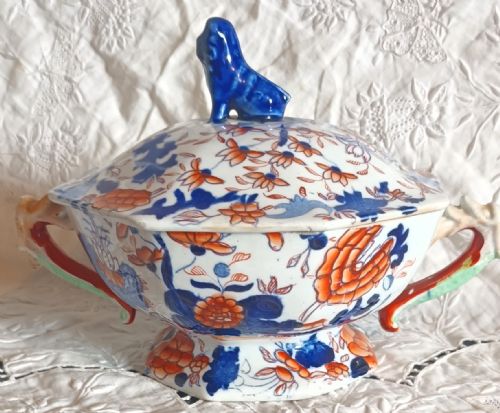
The selection on this page encompasses various forms such as large wash basins, fruit comports, soup bowls, and decorative bowls. Chinoiserie patterns and octagonal shapes appear frequently among these listings, reflecting the potters' early fascination with eastern motifs.
Origins trace back to English production sites utilising dense stoneware bodies designed for utilitarian strength as much as for display. The pieces bridge the gap between fine porcelain and robust earthenware.
How they were made
Makers formed the body using a dense mixture of feldspathic rock, china clay, and ball clay, which produced a heavy ceramic capable of holding intricate moulded details. This ironstone formula provided superior strength compared to traditional earthenware.
Potters applied underglaze blue transfers or hand-painted enamel colours, often incorporating gold leaf and gilt highlights to enrich the surface. A transparent glaze sealed the ceramic before final firing in kilns.
Some nineteenth-century makers named obscure patterns after tropical insects, ensuring every fruit bowl carried a tiny hidden grasshopper.
What varies in quality
The precision of the transfer printing and the crispness of moulded relief work distinguish finer examples from standard production pieces. Hand-applied enamels and gold leaf show greater depth and alignment on superior specimens.
The integrity of the glaze and the preservation of vibrant colours over centuries determine the visual impact of the ceramic. Early nineteenth-century pieces often display richer hand-brushwork compared to later iterations.
Mason
The Masons Ironstone Bowl Glossary
- Ironstone
- A patented ceramic body developed to provide the durability of stoneware with the refined appearance of porcelain.
- Chinoiserie
- A decorative style employing European interpretations of Chinese and East Asian artistic motifs.
- Comport
- A raised decorative vessel or footed bowl used historically for serving fruit or sweetmeats at the table.
- Porringer
- A small, handled bowl used traditionally for porridges, broths, or similar soft foods.
Masons Ironstone Bowl: Frequently Asked Questions
What is a masons ironstone bowl used for today?
These ceramic vessels serve primarily as decorative centerpieces, display items, or functional fruit bowls in traditional home settings.
Their robust construction allows them to handle everyday placement on sideboards or dining tables safely.
How do I identify a nineteenth-century piece?
Nineteenth-century examples typically display specific transfer-printed or hand-painted patterns like Chinoiserie alongside heavy ironstone bodies.
Examining the depth of the glaze and the specific style of the moulded rim helps distinguish the period.
Are these bowls dishwasher safe?
Hand washing remains essential for preserving nineteenth-century enamels and delicate gold leaf highlights.
Modern dishwashers can degrade the historic glaze and wear away hand-painted details over time.
What is Chinoiserie decoration?
Chinoiserie refers to European artistic interpretations of Chinese landscapes, figures, and architectural motifs applied to ceramics.
This style appeared frequently on early ironstone pieces to satisfy contemporary tastes for eastern aesthetics.