



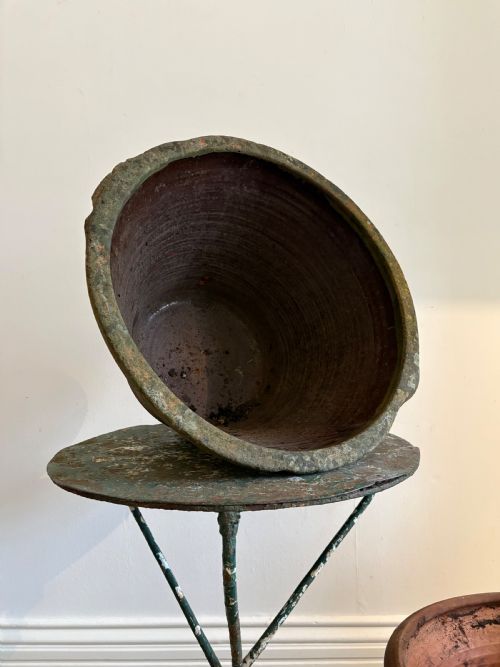


Traditional Ceramic Basin
A traditional ceramic basin serves as a functional centrepiece for the washstand or kitchen, offering tactile historical utility.
Traditional Ceramic Basin
A traditional ceramic basin encompasses utilitarian washing vessels, dairy bowls, and decorative washstand sets originating from the nineteenth and early twentieth centuries. These pieces reflect domestic routines of the Victorian and Edwardian eras, spanning simple earthenware farm use to elaborate porcelain display items.
The selections on this page appear predominantly in forms such as large wash basin bowls, jug and basin sets, and heavy dairy bowls. Makers utilised durable earthenware, ironstone, and glazed stoneware to create robust vessels intended for daily household labour and personal ablutions.
Materials and Techniques
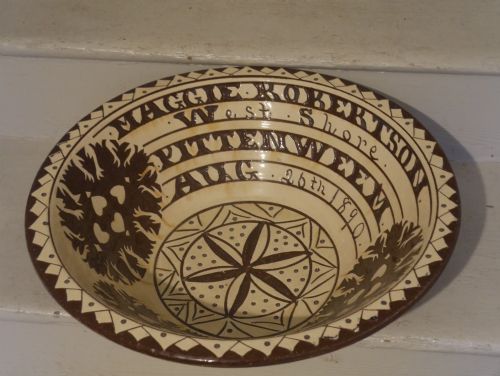
Potters shaped these vessels using durable ceramic bodies like ironstone, earthenware, and heavy terracotta, often lining the interiors with functional glaze for water resistance. Stoneware and dairy bowls received thick glazes to withstand rigorous everyday dairy and kitchen tasks.
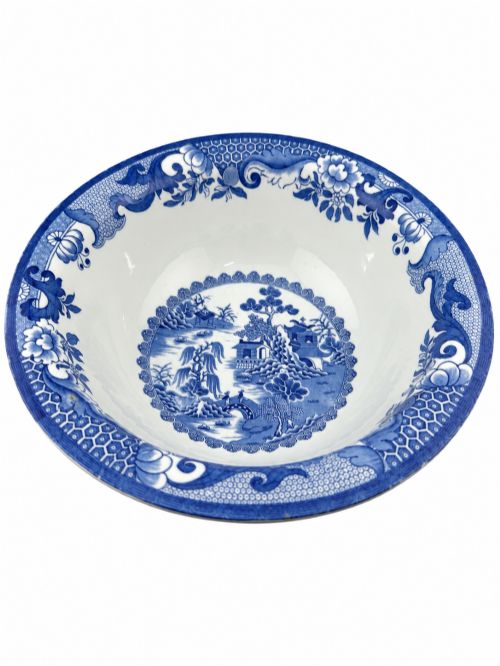
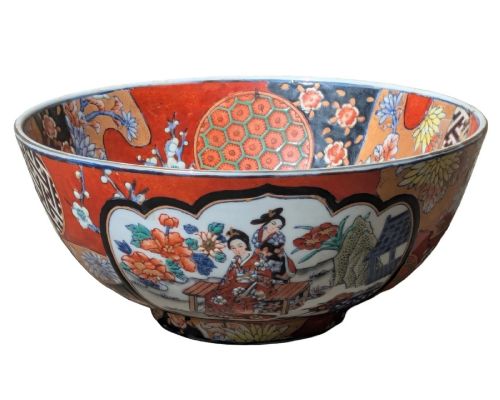
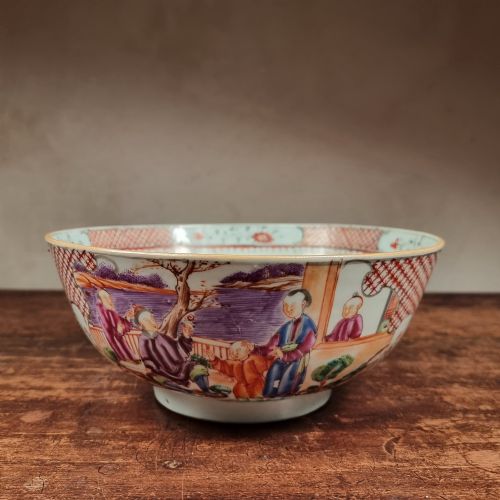
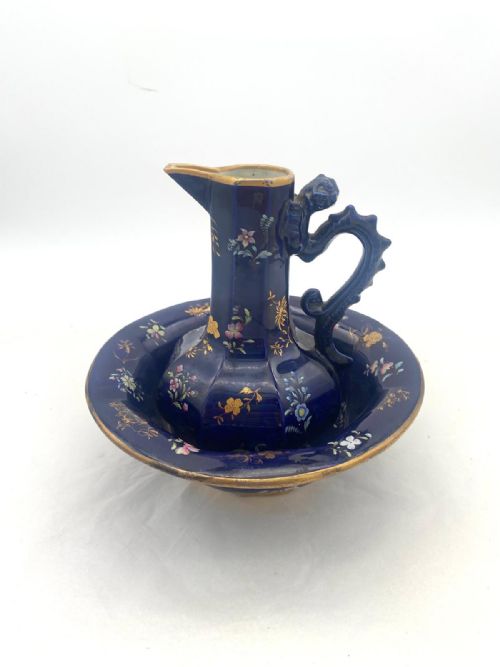
Decoration relied on hand-applied techniques including blue and white Chinoiserie transfer printing, Imari patterns, and spongeware finishes. Artisans applied rich colours and occasional gold leaf accents to higher-grade porcelain and ironstone bodies.
Listings span the nineteenth and twentieth centuries, featuring earthenware, porcelain, stoneware, and ironstone across styles from Victorian to Chinoiserie.
Distinctions in Quality
Quality rests in the crispness of transfer-printed designs, the complexity of hand-painted patterns like Imari or Gaudy Welsh, and the preservation of the glazed surface. Finer pieces demonstrate superior ceramic refinement and sophisticated stylistic execution.
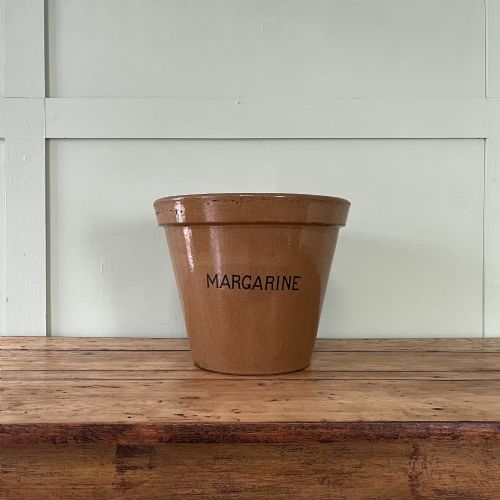
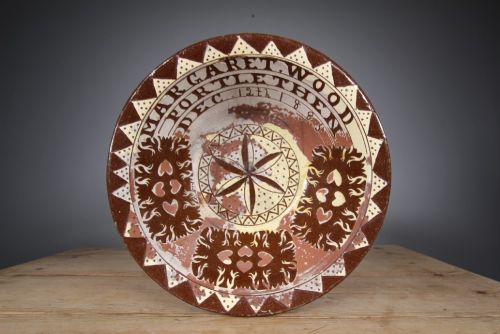
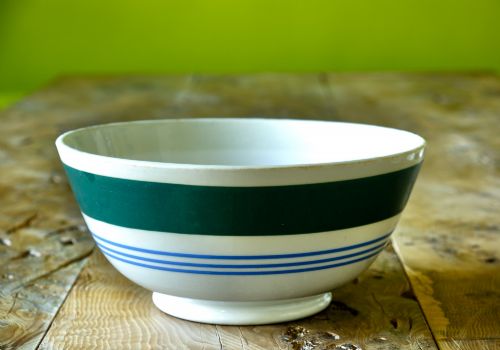
Utilitarian items such as dairy bowls and garden pancheons derive their merit from robust throwing, thick interior glazing, and honest signs of period use. Weight, scale, and the prestige of the producing pottery elevate specific examples above standard kitchenware.
Mason s Ironstone·Seaton Pottery·T G Green Pottery·Royal Crown Derby·Mann & Co
The Traditional Ceramic Basin Glossary
- Ironstone
- A patented ceramic material developed to imitate porcelain while offering superior durability and strength. It forms the body of many nineteenth-century wash basins and heavy jugs.
- Slipware
- Pottery decorated with a liquid clay mixture applied before firing to create surface patterns. This technique appears on traditional dairy and kitchen bowls.
- Imari
- A style of Japanese porcelain featuring deep cobalt blue and iron red, often highlighted with gold. British potteries frequently emulated these distinctive oriental motifs.
- Gaudy Welsh
- A type of colourful earthenware pottery produced in the nineteenth century featuring bright cobalt, copper lustre, and pink decoration. It commonly appears on domestic toilet basins.
- Pancheon
- A large, wide earthenware vessel traditionally used in dairies for setting milk and separating cream. These heavy pieces feature characteristic glazed interiors.
Traditional Ceramic Basin: Frequently Asked Questions
What distinguishes a wash basin from a dairy bowl?
A wash basin typically forms part of a matching toilet set intended for personal grooming on a washstand, often featuring decorative handles, refined glazes, or transfer-printed motifs. These pieces prioritized aesthetic presentation alongside functional water containment within the bedroom.
In contrast, a dairy bowl served a strictly agricultural purpose in the processing of milk and cream. These utilitarian vessels prioritized heavy-walled terracotta or stoneware construction and thick interior glazing over delicate ornamentation.
How were these basins used historically?
Traditional ceramic basins fulfilled essential domestic functions before the widespread adoption of plumbed indoor bathrooms. They sat atop wooden washstands paired with matching water jugs to facilitate morning and evening washing.
Heavier earthenware and stoneware variants operated in sculleries, dairies, and kitchens for mixing, food preparation, and agricultural tasks. Their robust construction allowed them to withstand heavy daily labour.
How do I care for an antique ceramic basin?
Gentle cleaning with warm water and mild soap preserves the historical glaze and prevents damage to delicate transfer-printed or hand-painted surfaces. Aavoid harsh chemical abrasives that can etch nineteenth-century earthenware or wear away gold leaf accents.
Display these vessels on stable surfaces away from extreme temperature fluctuations to protect the ceramic body and historical glaze integrity. Handle heavy pieces with care to prevent chipping the earthenware rims.
How can I tell the period of a basin?
Stylistic indicators such as Victorian Chinoiserie transfer prints, Edwardian floral motifs, or Japanese Imari patterns offer clear chronological markers. The choice of ceramic body, ranging from early ironstone to late nineteenth-century terracotta, also points to specific manufacturing eras.
Maker stamps, pottery marks, and applied registry numbers provide direct evidence of a piece's age and origin. Comparing the weight, glaze characteristics, and potting technique helps confirm the historical period.