



Vintage Washing Bowl
A vintage washing bowl brings solid utility and honest character from the nineteenth and early twentieth centuries into a modern interior.
Vintage Washing Bowl
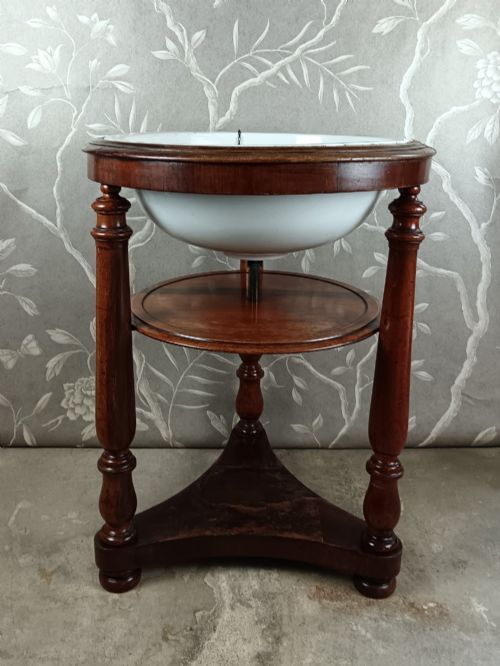
A vintage washing bowl covers utilitarian vessels and matching sets originating from the Georgian, Victorian, and Edwardian eras. Buyers encounter ceramic wash basins alongside heavy copper pans, brass items, and enamel bowls designed for daily domestic service.
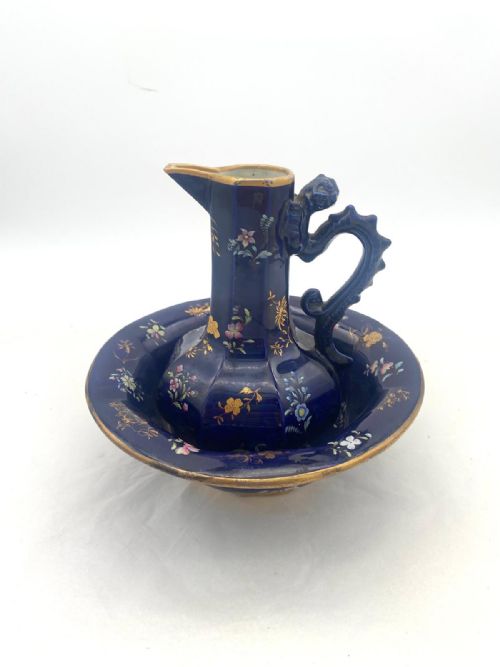
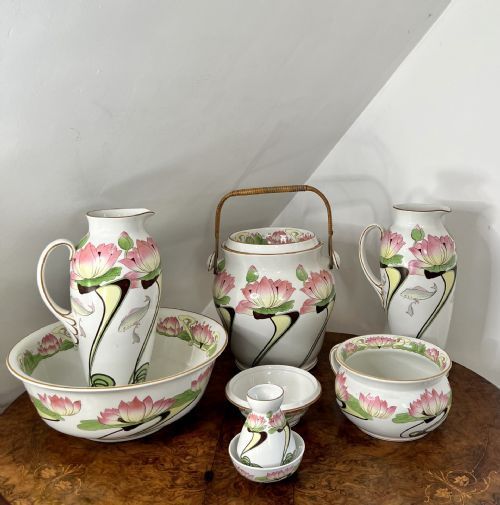
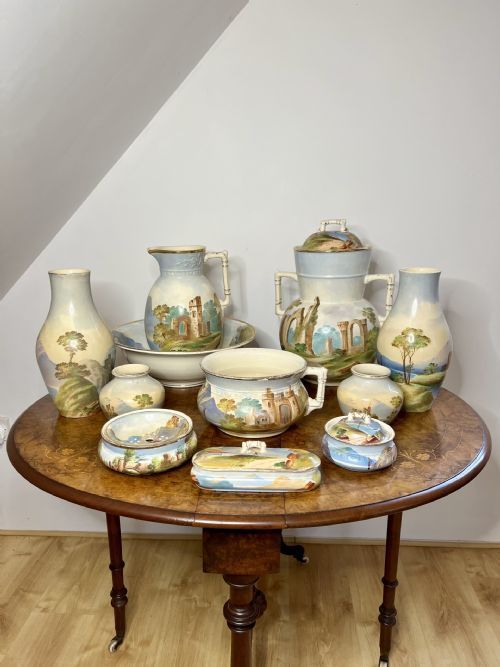
The selections on this page lean heavily toward Edwardian bathroom sets and nineteenth-century earthenware vessels, often accompanied by matching pitchers or stands. These pieces reflect a time when washstands formed an essential bedroom or dressing room fixture.
What varies in quality
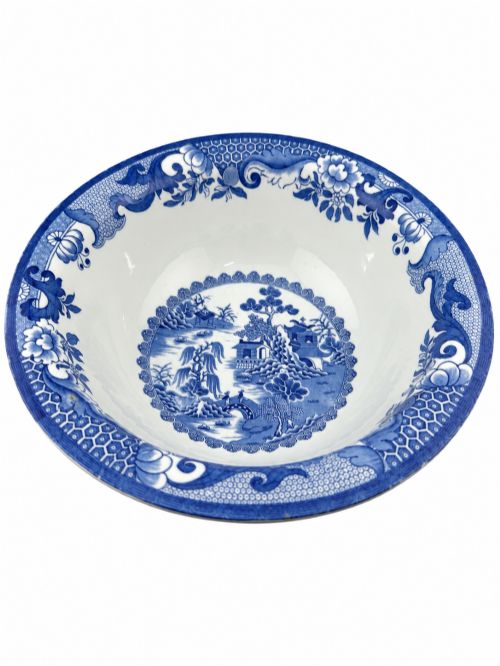
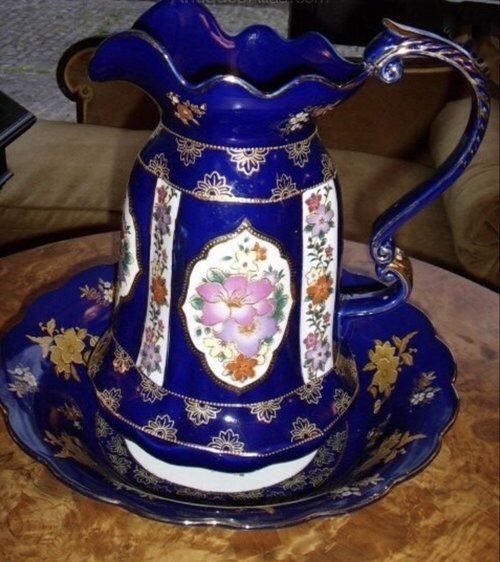
Quality rests in the crispness of the transfer printing, the uniformity of the glaze, and the weight of the metal used in the vessel. Superior ceramic pieces display sharp detailing in patterns like Chinoiserie or floral sprays without blurring or pooling in the finish.
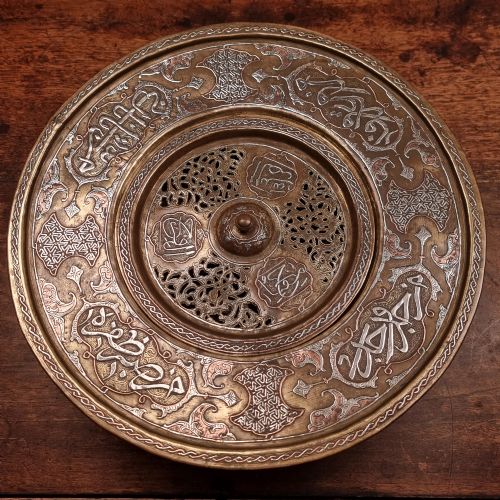
Metal vessels distinguish themselves through the thickness of the copper or brass and the integrity of hand-beaten seams rather than surface polish alone. Completeness also dictates standing, as matched sets retaining their original jugs and soap dishes command greater regard.
The listings span earthenware, ceramic, glaze, brass, copper, gold leaf, and enamel across Victorian, Edwardian, and Regency styles.
Mann Co·Doulton Burslem·Mark Jones Sons·Shelley
The Vintage Washing Bowl Glossary
- Ironstone
- A heavy, durable type of earthenware patented in the nineteenth century to rival true porcelain. It forms the body of many large basins and jugs.
- Flow blue
- A cobalt printing style where the colour intentionally bled slightly into the white glaze during firing, creating a soft, misty effect.
- Creamware
- A refined earthenware developed in the eighteenth century with a warm, pale yellow or cream-coloured glaze. It remains light in weight compared to ironstone.
- Spongeware
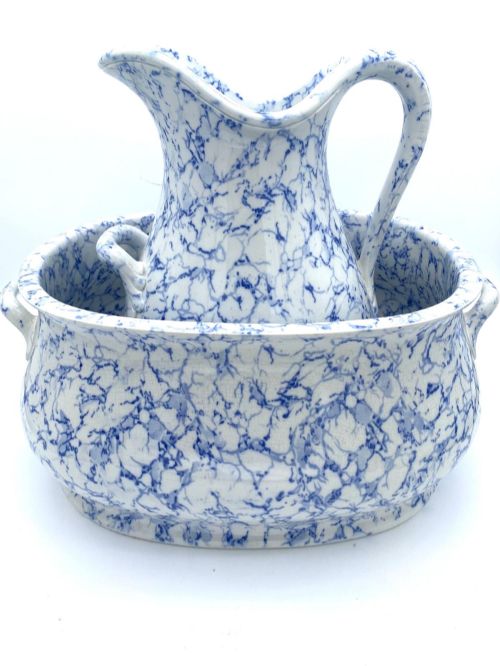
- Pottery decorated by dabbing pigment onto the surface with a sponge, producing speckled or mottled patterns typical of utilitarian wares.
- Campaign washstand
- A portable piece of furniture designed to fold or dismantle easily for travel during the nineteenth century.
Vintage Washing Bowl: Frequently Asked Questions
How do I use a vintage washing bowl today?
These vessels suit contemporary bathrooms as standalone basins, planters, or display pieces holding towels and toiletries. Metal pans and bowls also serve as generous planters or decorative containers in living spaces.
Larger ceramic basins work well atop deep shelving or bespoke vanity units, bringing period colour and pattern into a modern room without requiring original plumbing.
Were these bowls always sold with jugs?
Many basins formed part of larger washstand sets that included matching pitchers, soap dishes, and chamber pots for bedroom hygiene.
Over the decades, pieces became separated, so finding a complete surviving set remains an agreeable discovery for collectors.
What is the difference between ironstone and earthenware?
Ironstone is a denser, highly vitrified type of earthenware fired at higher temperatures to resist chipping and moisture absorption.
Standard earthenware is softer and more porous, often appearing in older rustic pieces or heavily glazed domestic kitchenware.
How do I care for antique copper bowls?
Copper requires gentle cleaning with non-abrasive metal cleaners to maintain its warm metallic lustre without stripping the historical patina.
Avoid harsh scrubbing pads that can scratch the soft metal surface and diminish the character earned over centuries of service.