
Antique Wash Basin
An antique wash basin brings tangible heritage indoors, offering practical vessels and stands shaped by Georgian, Victorian and Edwardian domestic life.
Antique Wash Basin
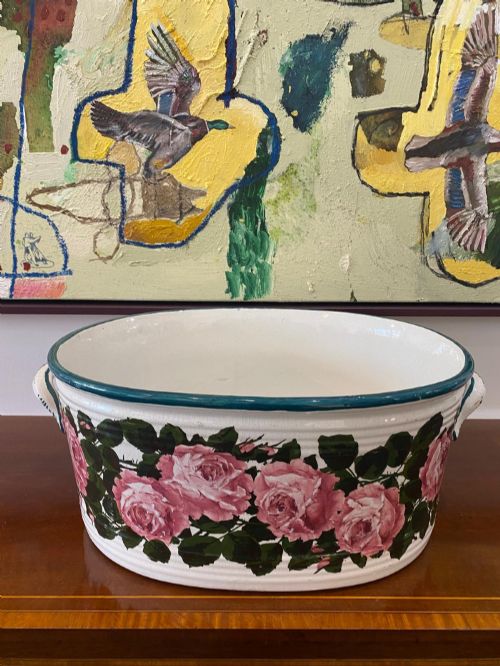
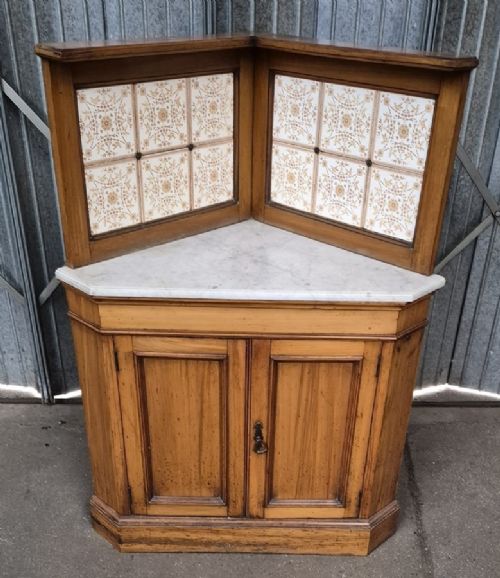
When buyers search for an antique wash basin, they encounter a diverse selection of utilitarian and domestic items spanning several centuries. The material evidence on this page includes freestanding corner furniture, ceramic toilet sets, and metal vessels utilised for personal hygiene and washing.
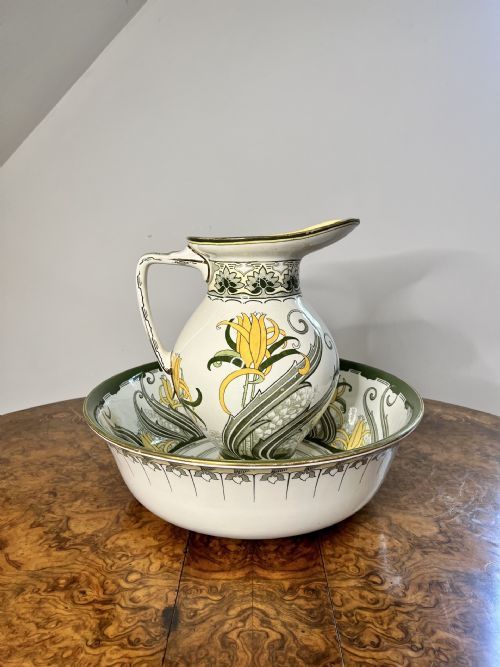
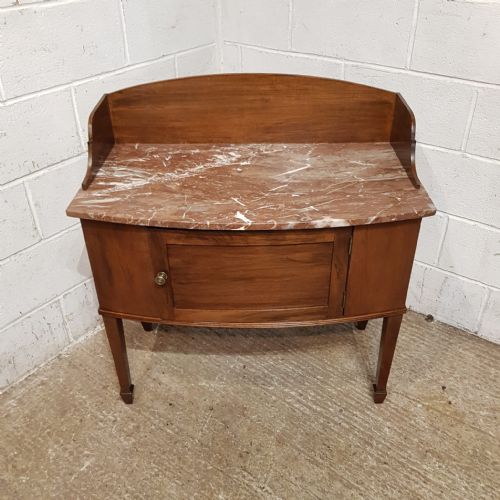
The most frequent examples found here are mahogany and pine washstands alongside earthenware jug and bowl sets. Pieces range from compact Georgian folding stands to elaborate Victorian marble-topped cabinets and Edwardian bathroom sets.
Originating across British, French, and wider European traditions, these objects reflect historical routines where running water was absent from bedrooms. Buyers select them for their traditional craftsmanship and authentic period character in modern interiors.
Materials and construction methods
Cabinet makers utilised dense hardwoods such as mahogany, satinwood, walnut, and regional softwoods like pine for the supportive stands and cabinetry. Joints typically involve traditional woodworking techniques suited to daily household loads.
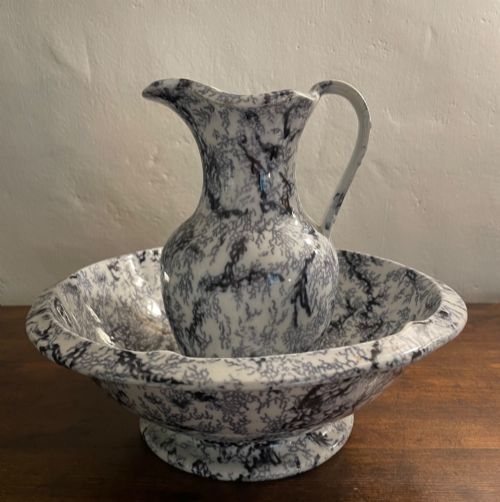
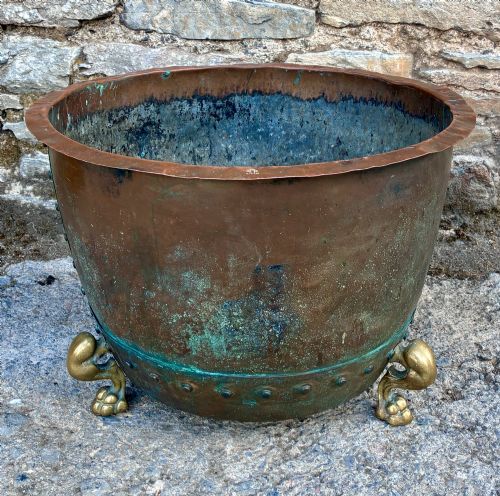
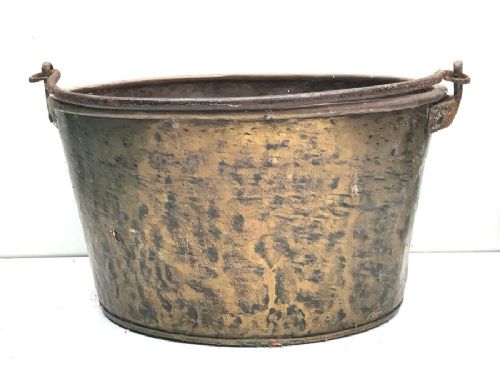
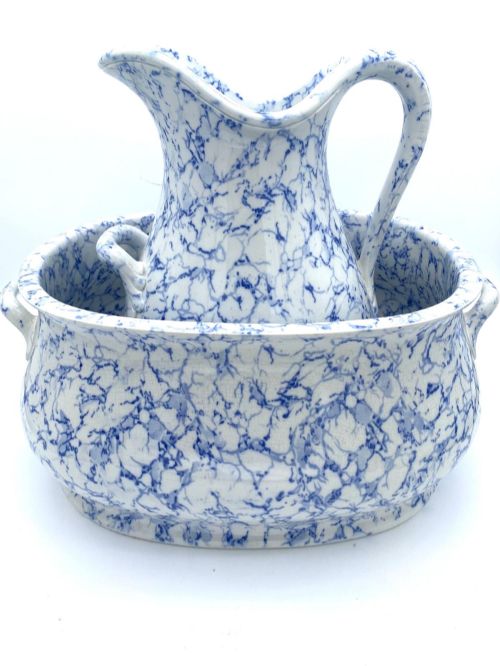
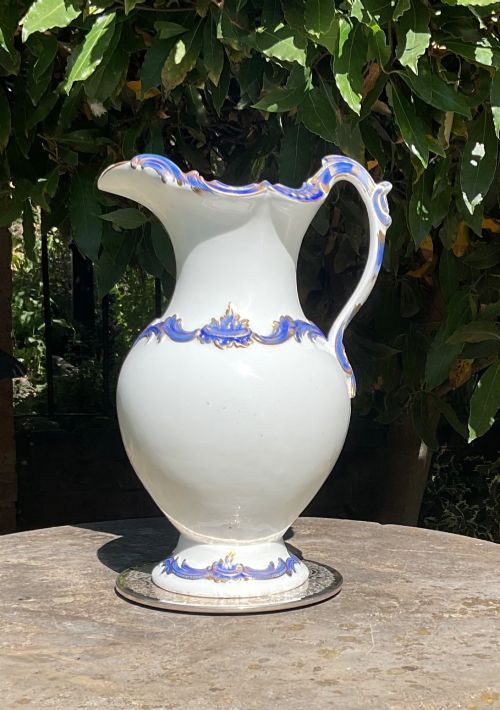
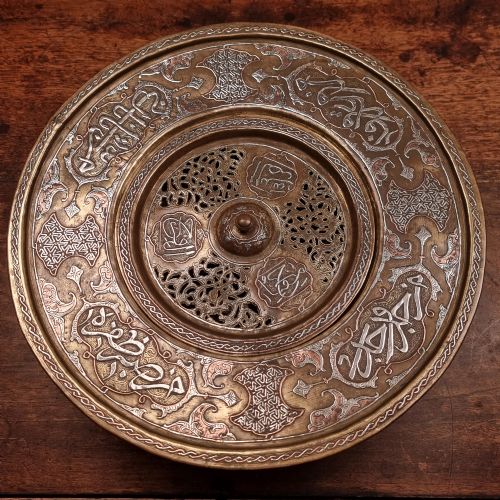
Ceramic components rely on earthenware, ironstone, and porcelain bodies finished with coloured glazes, transfer printing, or flow blue decoration. Metal items combine copper, brass, iron, and silver plate, often shaped by hand hammering, riveting, or coopering.
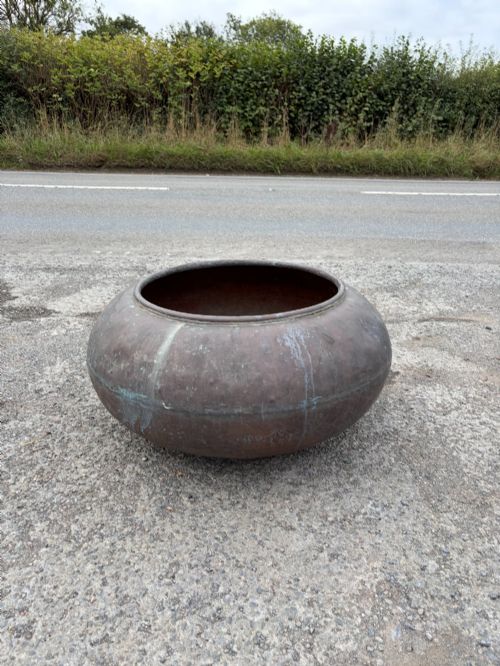
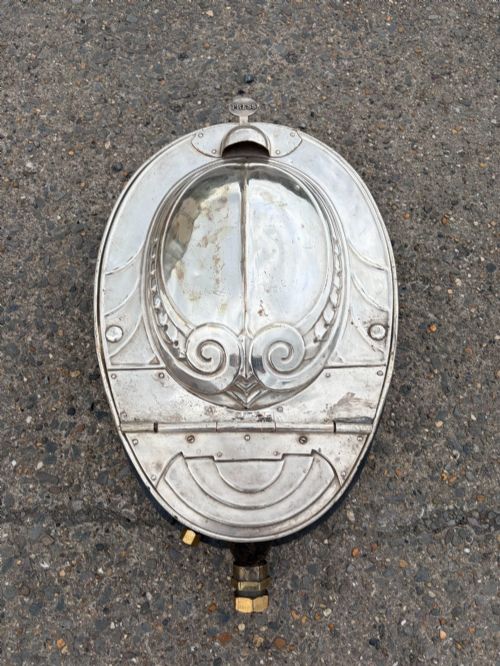
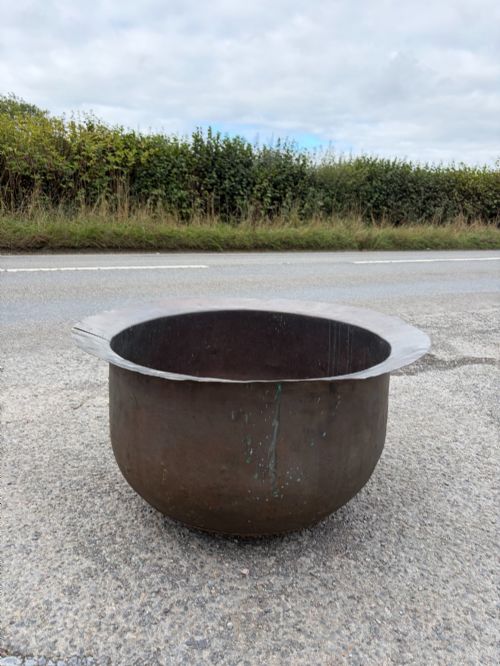
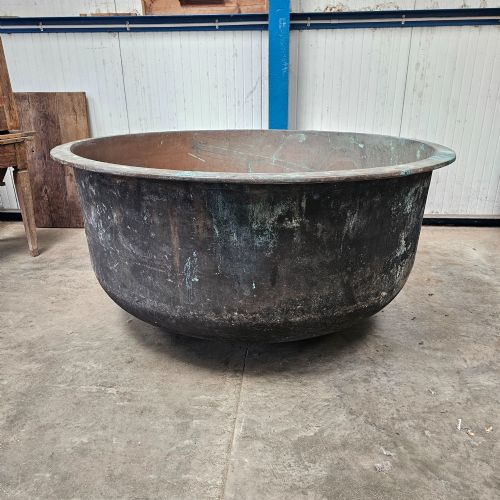
Available forms range from Georgian folding corner stands and Victorian marble-topped cabinets to railway sleeping compartment sinks and copper cheese vats.
Standards of craftsmanship and preservation
Ceramic pieces differ according to the clarity of their transfer prints, the depth of cobalt blue or polychrome colours, and the absence of heavy restoration. Metal vessels derive their appeal from solid gauge construction, honest patination, and intact hardware.
Wemyss·Walker and Sons·Minton·Masons Ironstone·Dent and Hellyer·Mann and Co
The Antique Wash Basin Glossary
- Washstand
- A piece of furniture designed to hold a basin, jug, and related washing accessories. These units often feature cutouts in the top surface and lower shelves for storage.
- Flow blue
- A cobalt printing style utilised on earthenware where the colour intentionally bled slightly into the white glaze during firing. This technique created a soft, blurred aesthetic popular in the nineteenth century.
- Ironstone
- A heavy, durable type of earthenware patented to resemble porcelain. It resists chipping and provided a robust surface for large jugs and bowls.
- Lavabo
- A wall-mounted or cabinet-enclosed basin and cistern system used for hand washing. French examples frequently incorporate pewter reservoirs.
- Coopering
- The method of binding wooden staves together with metal hoops to form watertight vessels. This technique applies to washing tubs and large wooden buckets.
Antique Wash Basin: Frequently Asked Questions
How were washstands used in bedrooms?
Before plumbed bathrooms became standard, washstands held ceramic basins and water jugs for morning and evening washing routines. Servants filled the pitchers from larger reservoirs, and wastewater collected in the basin below.
Today, these stands adapt well as hallway side tables, bathroom vanity supports, or decorative plant stands within period homes.
Can complete jug and basin sets still be found?
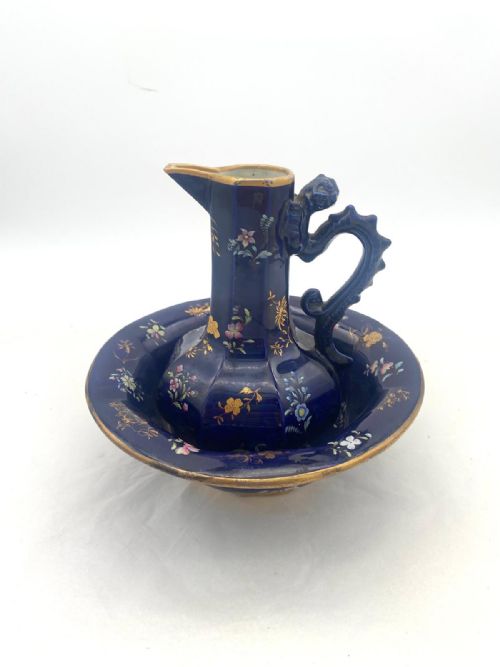
Complete sets combining a matching water jug and washing bowl survive together, though many were separated over decades of domestic use. Ceramic pieces frequently suffered chips or cracks from daily handling.
When a matching pitcher and bowl remain paired, they offer a clear glimpse into nineteenth-century tablescapes and bedroom decoration.
What is a corner washstand?
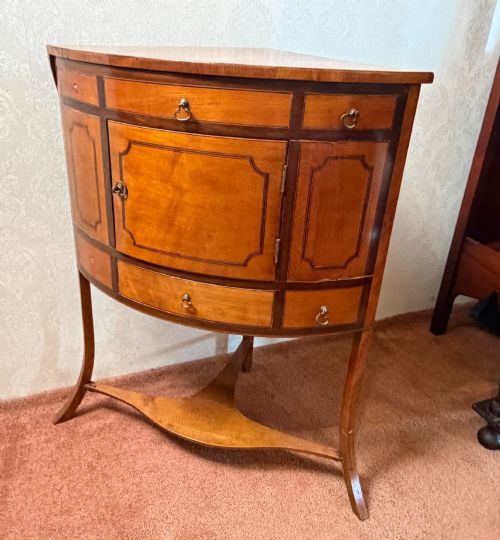
A corner washstand is a triangular piece of furniture engineered to fit neatly into the corner of a room. Georgian and Victorian makers favoured this form to maximise bedroom space.
Many feature tiered shelves, splashbacks, and hinged tops that concealed the washing bowl when not in use.
How do I care for antique wood and marble?
Wooden surfaces require gentle cleaning with mild wax to preserve the patina and protect the grain from moisture. Marble tops benefit from regular wiping with a soft, damp cloth and prompt removal of spills.
Avoiding harsh chemical cleaners ensures the original finishes survive for future years.