
Antique Ewer Jug
When searching for an antique ewer jug, collectors encounter formal pouring vessels spanning centuries of ceramic, glass, and metal craftsmanship.
Antique Ewer Jug
The term antique ewer jug encompasses decorative pouring vessels, water pitchers, and washstand sets originating from the eighteenth century onwards. Buyers frequently encounter nineteenth-century ceramic and glass examples alongside metal serving ewers.
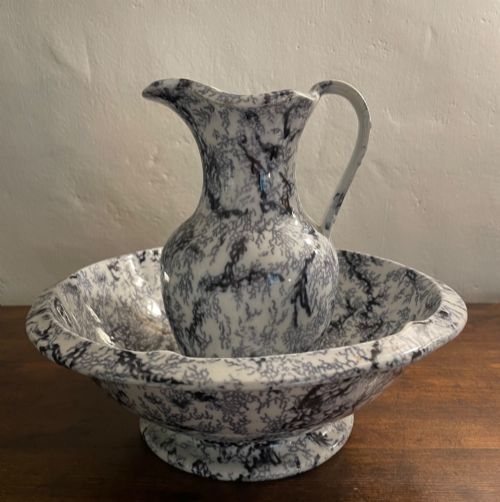
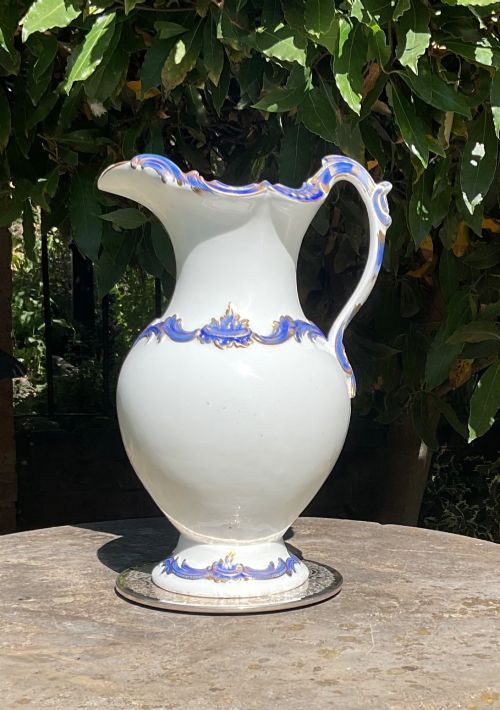
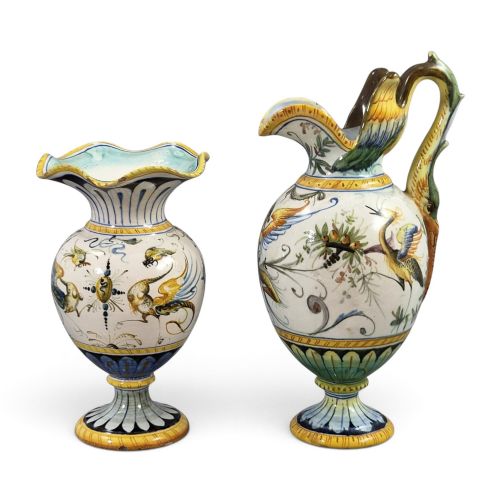
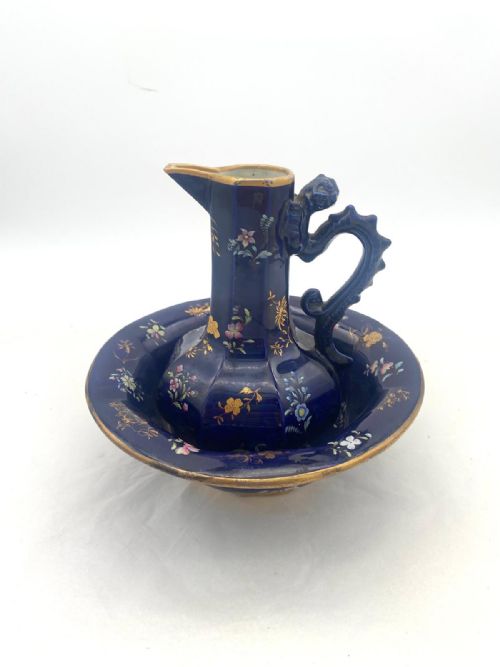
Forms range from classical revival shapes with figural handles to utilitarian ironstone washbasin sets and delicate blown glass pitchers. These objects reflect a shift from purely functional table and bedroom service to ornamental display pieces.
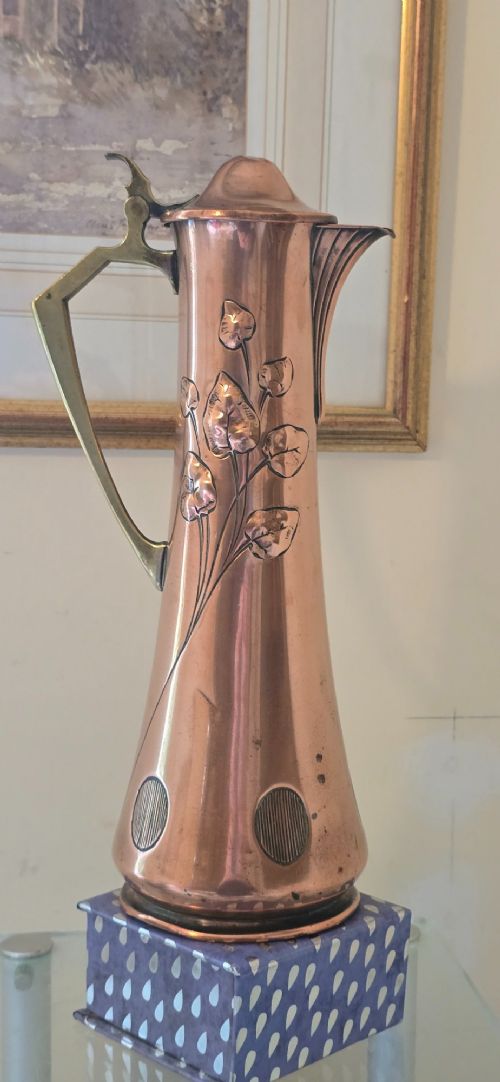
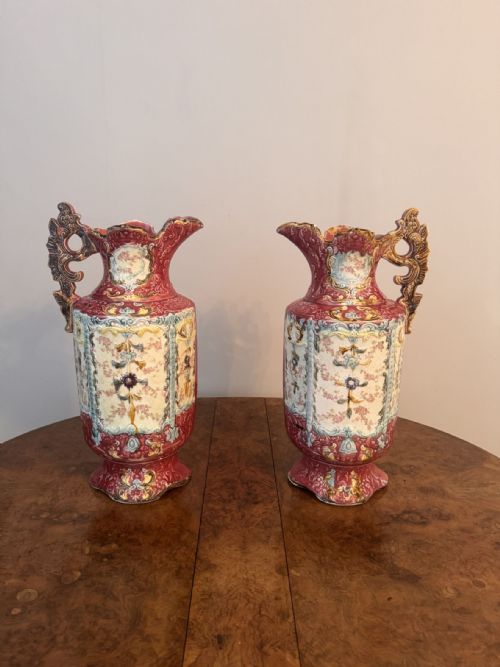
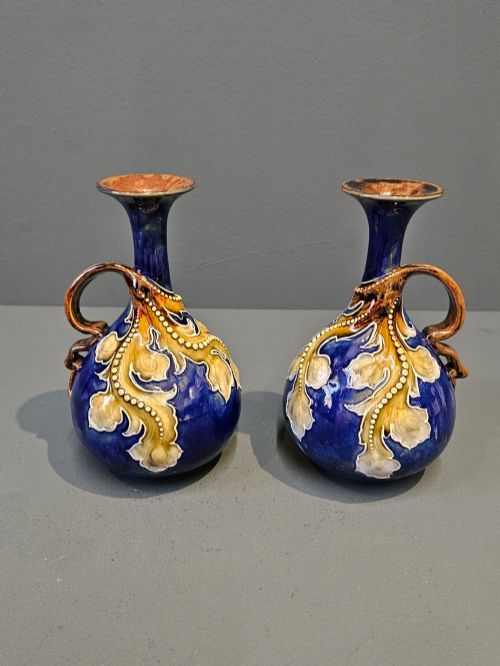
Originating across English, continental European, and Asian workshops, these vessels display regional styles from Georgian simplicity to ornate Art Nouveau and Renaissance Revival designs.
Materials and construction
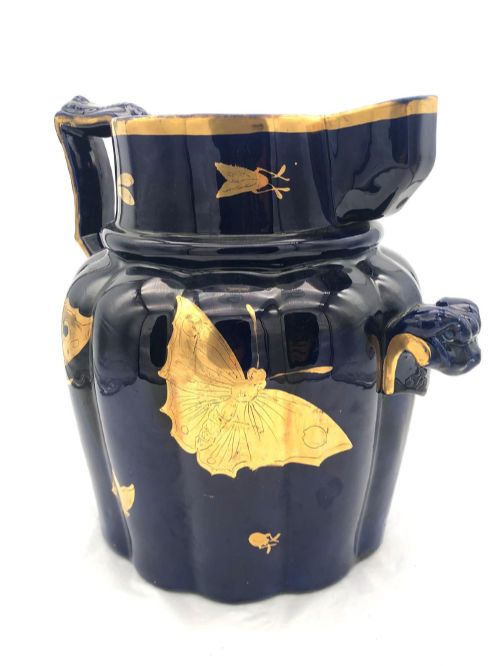
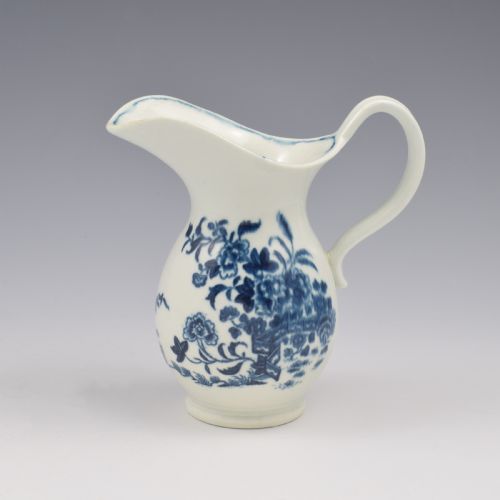
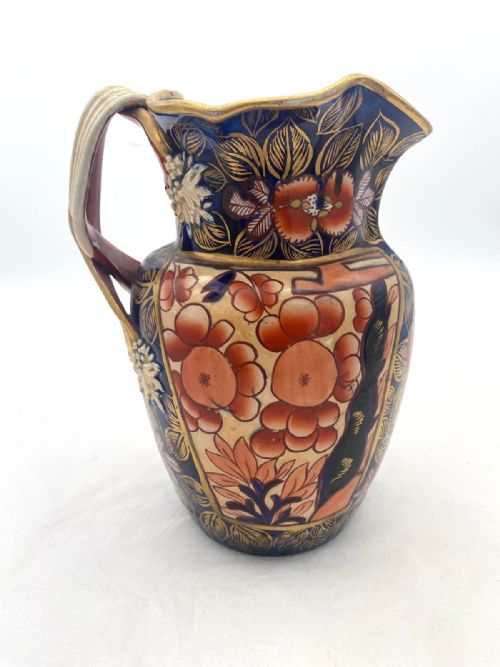
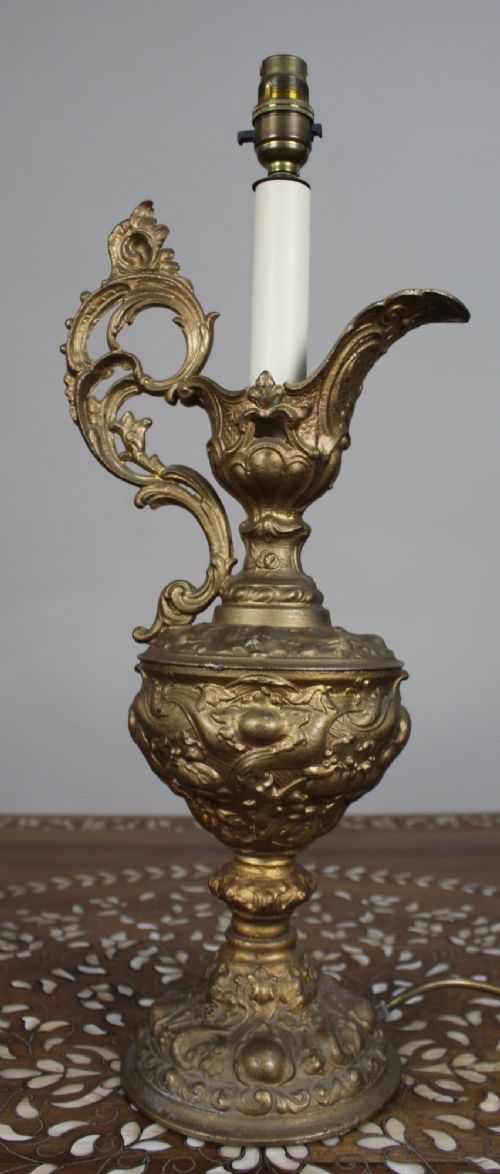
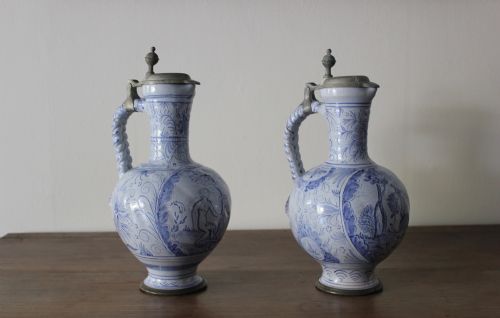
Makers utilised ceramics such as porcelain, ironstone, earthenware, and Majolica, often applying hand-painted glazes, transfer printing, or gilt appliques. Metal examples incorporate copper, bronze, brass, electrotype, and sterling silver, sometimes finished with hammered textures or cast figural handles.
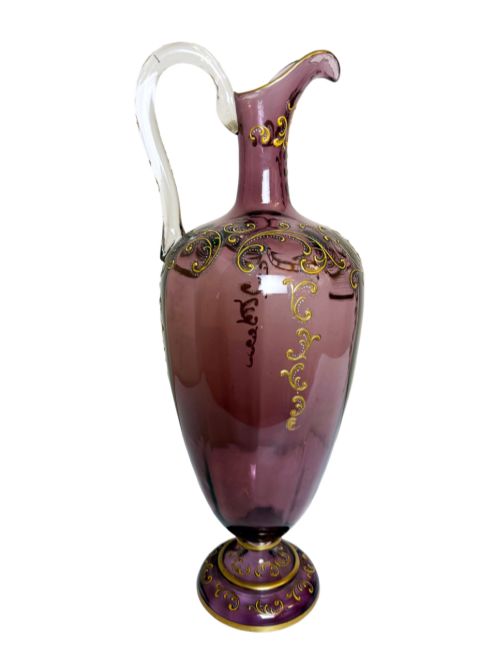
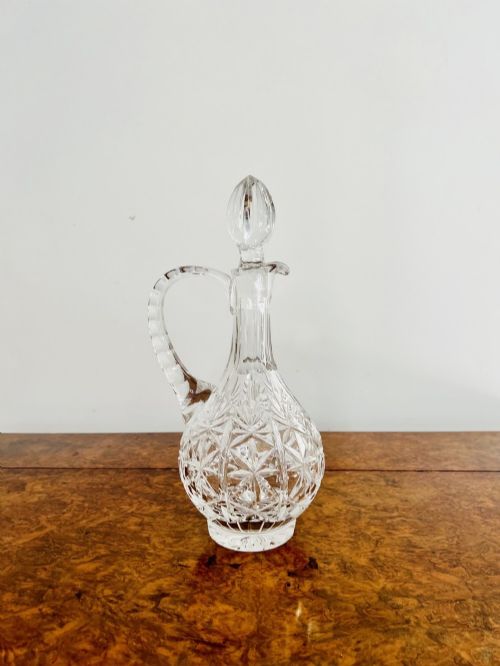
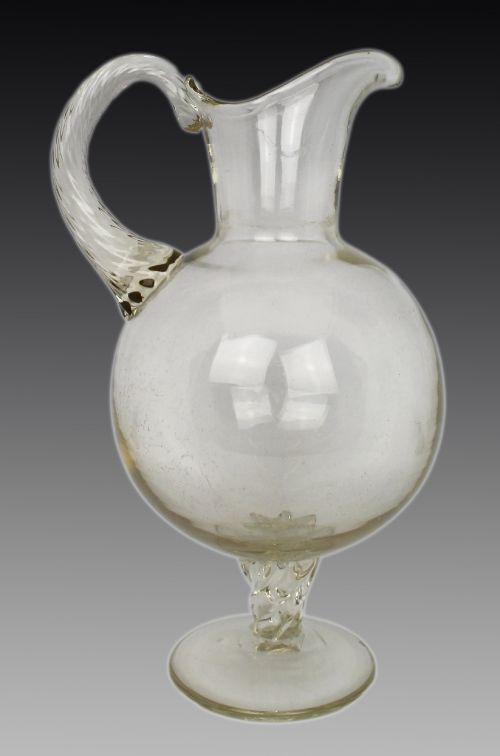
Glass vessels rely on hand-blowing techniques, producing pieces with folded feet, trail rims, or cut crystal facets. Multi-part metal items demonstrate soldering and casting methods, while ceramic pieces undergo high-temperature kiln firing.
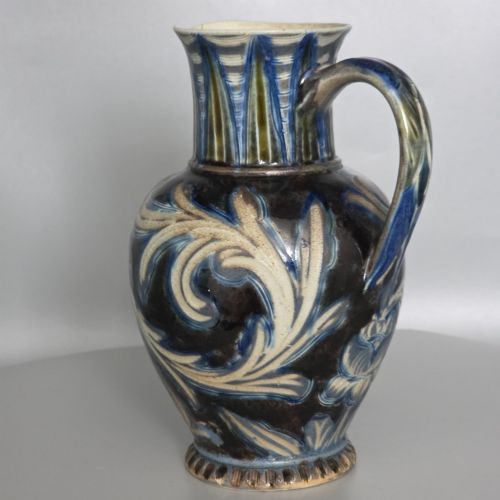
Current listings feature materials ranging from hand-blown glass and salt-glazed stoneware to solid silver, copper, and porcelain.
Evaluating quality and design execution
Quality rests in the precision of the modelling, the crispness of relief decoration, and the harmony of form. Superior ceramic pieces show well-defined transfer prints and carefully controlled glaze applications, while metalwork demonstrates clean casting lines and securely fitted handles.
The distinction between standard utility items and high-end decorative commissions appears in complex surface treatments, such as reticulated porcelain, intricate hand-painted motifs, or sculptural figural elements integrated into the vessel structure.
WMF·Cantagalli Florence·Masons·Doulton Lambeth·Gien Faience·Henry Bourne·Royal Worcester
The Antique Ewer Jug Glossary
- Ewer
- A large pouring vessel with a wide spout and a shaped handle, traditionally used for washing or serving wine.
- Ironstone
- A heavy, durable type of earthenware patented in the nineteenth century to imitate Chinese porcelain.
- Majolica
- A type of earthenware coated with an opaque tin-glaze and painted with brightly coloured metallic oxides.
- Reticulated
- Decorated with an openwork or net-like pattern, often carved or pierced into porcelain before firing.
- Transfer printing
- A method of applying pre-printed decorative patterns to ceramic surfaces using engraved copper plates and tissue paper.
Antique Ewer Jug: Frequently Asked Questions
How were antique ewer jugs used?
Many of these vessels served practical roles on dining tables for pouring water or wine, or functioned as washstand accessories alongside matching basins.
Over time, numerous decorative examples shifted away from utility, becoming ornamental display objects designed to showcase period artistic styles.
How do I clean an antique ewer jug?
Ceramic and glass vessels generally require gentle washing with warm water and mild soap to preserve hand-painted details or gilt highlights.
Metal items such as copper, silver, or bronze need careful handling to maintain their existing surface condition without removing historic patination.
Were ewers made for washing?
Large ceramic ewers frequently formed part of washstand sets, pairing with deep basins for personal hygiene before modern indoor plumbing.
Smaller metal or glass versions were typically intended for dining rooms to serve water, wine, or claret at the table.
How can I tell the period of a ceramic ewer?
Makers marks, pottery stamps, and glaze characteristics help narrow down the production era of ceramic pieces found on these items.
Stylistic indicators such as Victorian Gothic revival motifs or Art Nouveau floral relief work also point directly to specific manufacturing decades.