

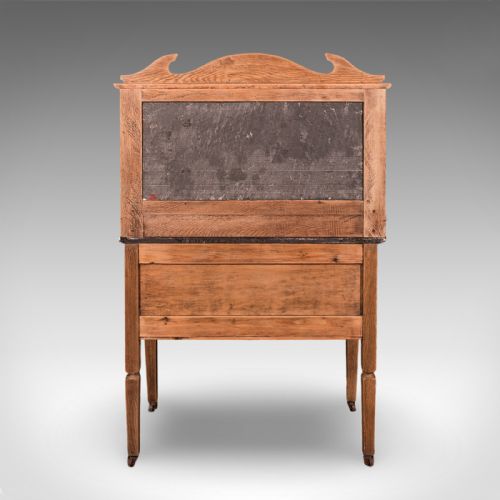


Edwardian Washstand Basin
These pieces for an edwardian washstand basin bring period character to a bathroom or bedroom, offering practical charm for daily use.
Edwardian Washstand Basin
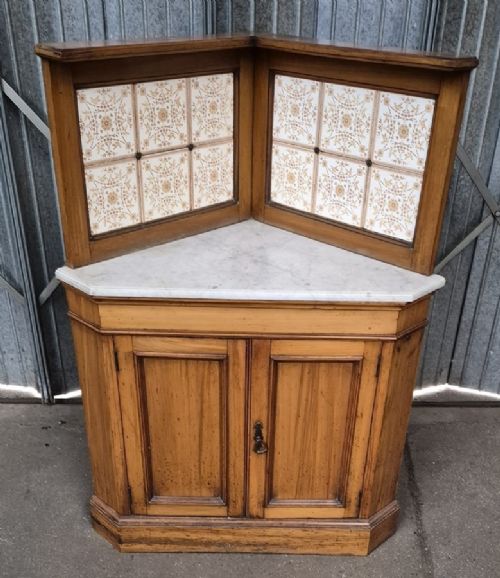
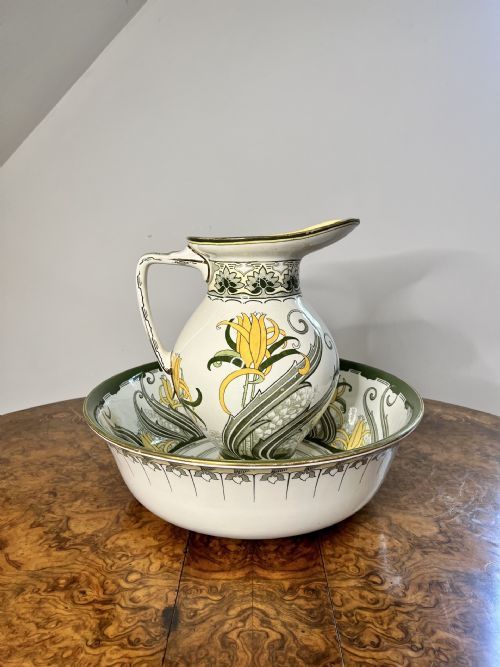
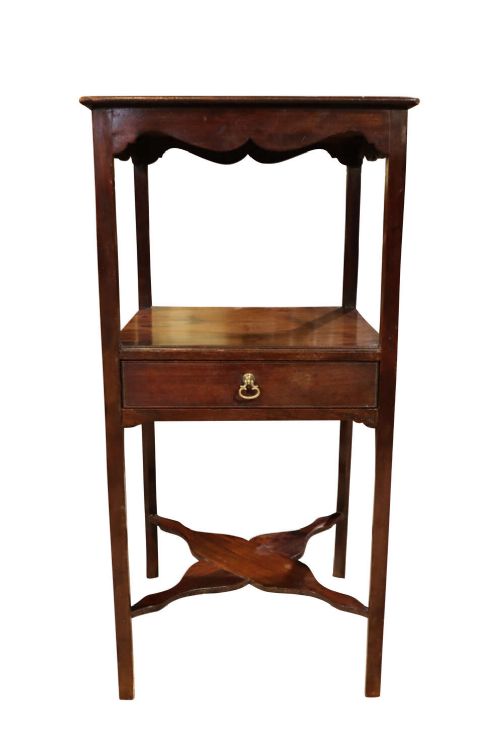
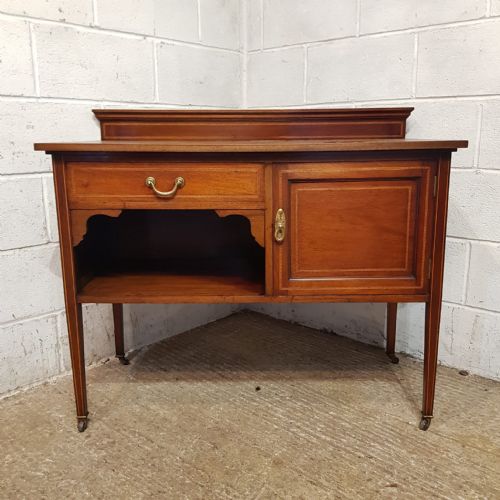
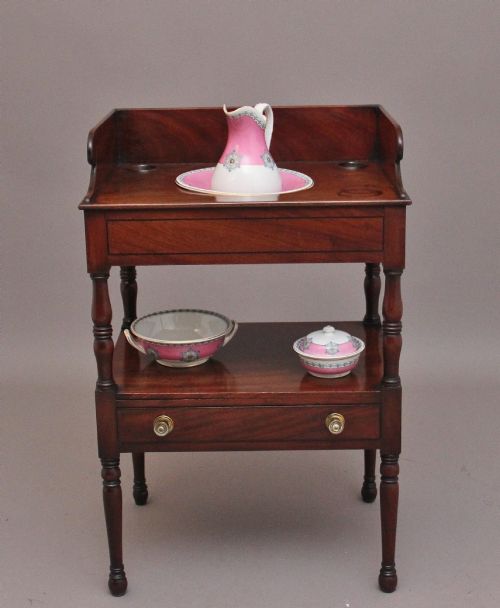
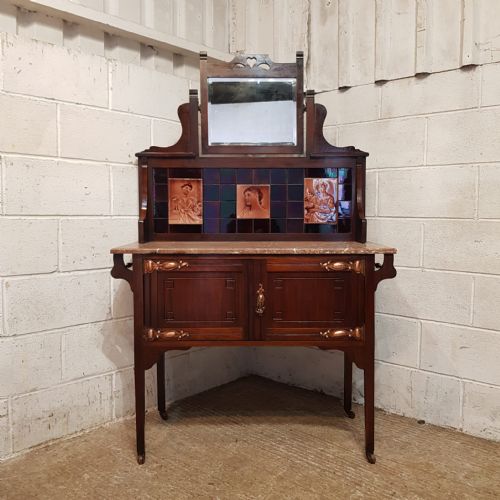
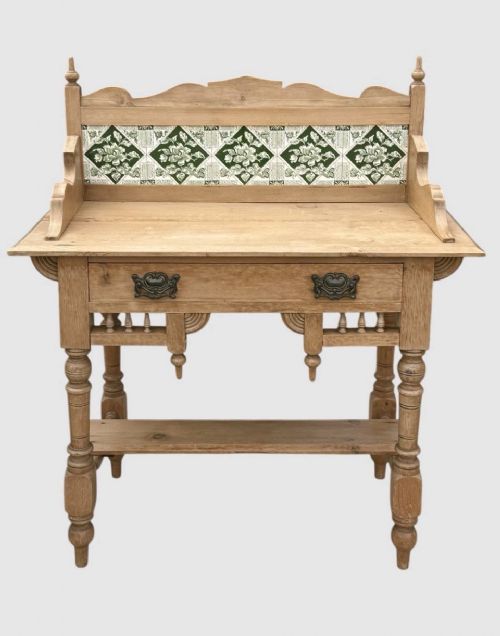
When you search for an edwardian washstand basin, you encounter sturdy pieces designed for daily hygiene before plumbed bathrooms were universal. The selection spans freestanding wooden stands with marble tops, tiled gallery backs, and matching ceramic jug and bowl sets.
Mahogany and pine dominate the wooden furniture, often accompanied by brass fittings and ceramic washware in Arts and Crafts or Art Nouveau styles. Most pieces date from the Edwardian era and the Victorian period, reflecting the domestic habits of the late nineteenth and early twentieth centuries.
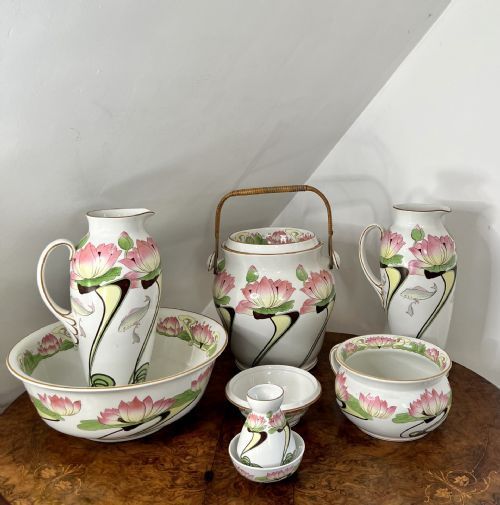
The ceramic sets include basins, jugs, and matching accessories designed to sit upon washstands or dressing tables. These pieces provide an authentic period aesthetic for interior schemes seeking traditional washware or functional wooden basin units.
Materials and construction
Carpenters utilised timbers such as mahogany, walnut, satinwood, and pine to build the structural stands, frequently pairing them with heavy marble slabs to resist water splashes. Marble tops provide a durable surface that handles moisture better than plain wood.
Potteries shaped earthenware and porcelain into glazed jugs and basins, often decorating the surfaces with blue and white patterns or floral transfers. Brass hardware secures towel rails and mirrors, while tile inserts protect walls behind the wash basin.
The selection includes Arts and Crafts, Art Nouveau, and Sheraton Revival styles spanning the Victorian and Edwardian eras.
Assessing quality
The grade of an edwardian washstand basin rests on the selection of timber, the thickness of the marble slab, and the crispness of any inlaid woodwork. Finer items incorporate figured mahogany, satinwood stringing, or decorative tile panels from named makers.
On the ceramic side, quality shows in the weight of the earthenware, the depth of the glaze, and the intricacy of the transfer printing. Complete sets with matching jugs and basins command greater interest than mismatched or replacement items.
Walker & Sons·Doulon Burslem·Mark Jones & Sons·Shelley·Gillows
The Edwardian Washstand Basin Glossary
- Washstand
- A piece of furniture designed to hold a basin, jug, and washing accessories for personal hygiene. These units often include drawers, cupboards, or towel rails.
- Jug and bowl set
- A matching ceramic pair consisting of a large pitcher for water and a deep basin for washing. These sets formed the core of bedroom washing equipment.
- Tile gallery
- A raised back section on a washstand inset with decorative ceramic tiles to protect the wall from splashes. This feature appears frequently on late Victorian and Edwardian examples.
- Earthenware
- A porous pottery body fired at lower temperatures and coated in an opaque glaze. It serves as the primary material for many period wash basins.
Edwardian Washstand Basin: Frequently Asked Questions
How do I use an antique washstand today?
Many buyers repurpose wooden washstands as vanity units in modern bathrooms by mounting a basin onto the marble or wooden top. The lower shelves and cupboards provide useful storage for towels and toiletries.
Ceramic wash basins and jugs can be displayed on shelves or used as decorative planters and umbrella stands. They bring historic character to hallways and guest bedrooms.
Were jug and bowl sets made to be used?
Potteries manufactured these sets for daily washing before running water became standard in bedrooms. Servants filled the pitchers with warm water from the kitchen each morning.
The sets included soap dishes and chamber pots alongside the main basin, forming a complete suite for morning ablutions.
How do I distinguish Victorian from Edwardian pieces?
Victorian washstands tend to feature heavier proportions, darker woods like walnut or mahogany, and ornate carved details. Tiled splashbacks and marble tops became particularly popular in the later Victorian years.
Edwardian pieces often display lighter timbers, satinwood inlay, and simpler Arts and Crafts or Art Nouveau lines. The overall aesthetic feels brighter and less cluttered than mid-Victorian furniture.
Are marble tops original to these washstands?
Makers fitted heavy marble slabs to the top of washstands to create a waterproof and hygienic surface that resisted staining from water. These slabs remain original to the piece when the dimensions and edge profiles match the wooden frame.
Replacement marble is occasionally fitted if the original cracked during use over the decades.